
Michigan Deck Winter Care: Protect Your Deck from Snow & Ice
Don't let Michigan winters ruin your deck! Learn expert tips to protect your investment from snow, ice, and freeze-thaw damage. Prevent costly repairs.
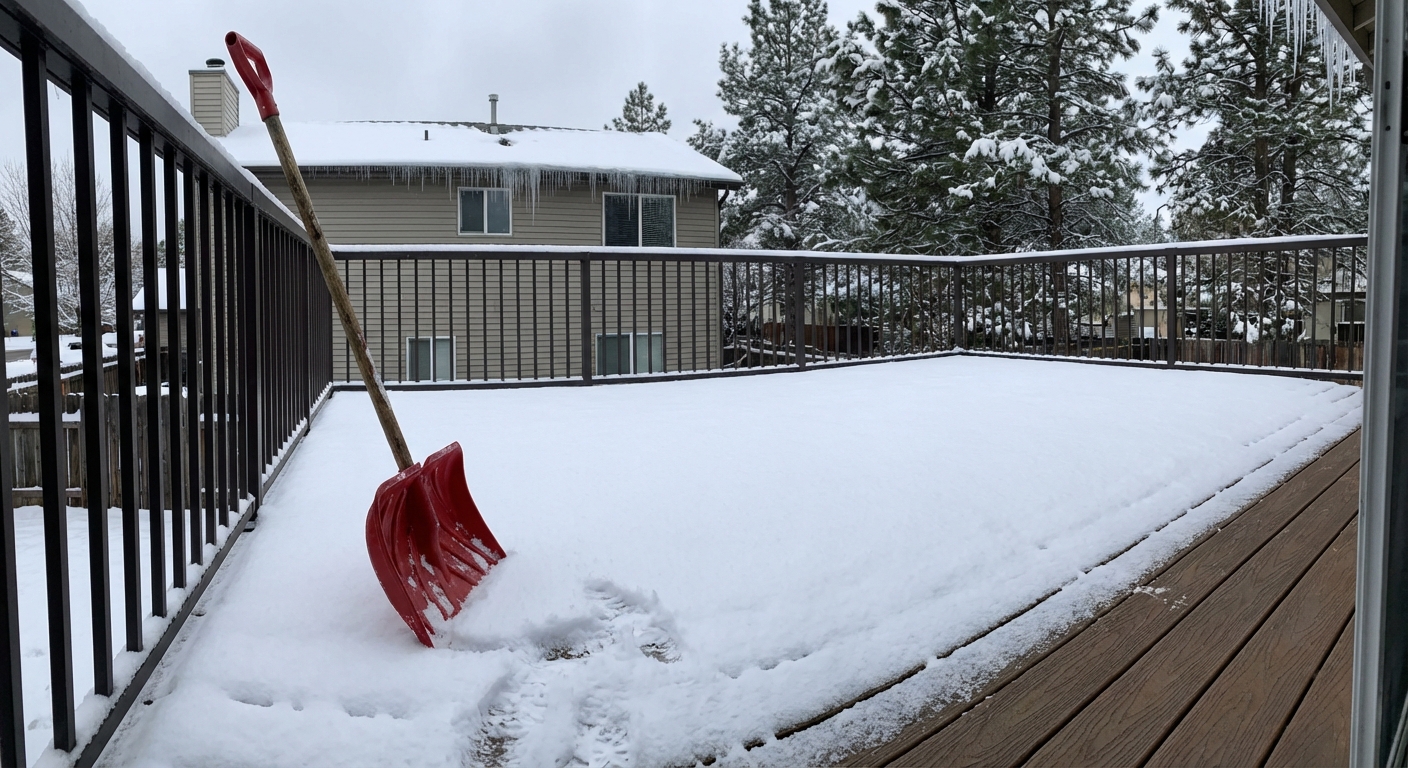
Are you worried about how Michigan's harsh winters will affect your deck? The combination of heavy snow, ice, and fluctuating temperatures can wreak havoc if you don't take the right precautions. This guide will walk you through essential winter care tips to protect your deck and extend its lifespan, saving you money on repairs down the road.
📅 Tool Alert: Maintenance Planner
Get a custom seasonal maintenance schedule to protect your investment for decades.
Plan Maintenance →Preparing Your Michigan Deck for Winter
Michigan's climate, with its warm, humid summers and brutally cold, snowy winters, poses unique challenges for deck owners. From Metro Detroit to the Upper Peninsula, understanding these challenges is the first step in effective winter preparation. The lake-effect snow that blankets areas like Grand Rapids, Muskegon, and Traverse City adds an extra layer of complexity, demanding even more diligent care.
🏗️ Planning a deck project?
Get a free manual project review, or visualize your dream deck with AI before requesting quotes.
Clear Debris: The Foundation of Winter Deck Care
Before the first snowfall, thoroughly clean your deck. Remove all furniture, planters, and grills. Sweep away leaves, twigs, and other debris that can trap moisture and lead to rot. Pay special attention to the gaps between deck boards. This is especially important in areas prone to carpenter ants and termites like southern Michigan, as accumulated debris can provide harborage.
Inspect for Damage and Make Repairs
Carefully inspect your deck for any signs of damage, such as cracks, splinters, or loose boards. Address these issues promptly. Small cracks can widen during freeze-thaw cycles, leading to more significant problems. Replace any damaged boards or fasteners. Remember that Michigan's freeze line is 42 inches in southern Michigan and can extend to 48+ inches in northern Michigan and the UP, so ensure your deck footings are adequate if you're making any repairs to the supporting structure.
Seal and Protect Your Deck
Applying a high-quality deck sealant can help protect your deck from moisture damage. Choose a sealant specifically designed for outdoor use and suitable for your deck material. Reapply sealant every 1-3 years, depending on the product and weather exposure. The high humidity and frequent freeze-thaw cycles in Michigan mean your deck will expand and contract considerably. Composite decking handles this better than wood, but even composite benefits from regular cleaning and inspection. Consider re-staining your deck before winter hits, especially if you didn't get around to it in the spring. Check out our guide on the Best Time to Stain a Deck in Michigan + Top Product Picks.
<!-- slot:after-intro -->
Snow and Ice Removal: Best Practices for Michigan Decks
Once winter arrives, regular snow and ice removal is crucial. However, it's important to use the right techniques to avoid damaging your deck.
Shoveling Techniques: Gentle but Effective
Use a plastic shovel to remove snow from your deck. Avoid metal shovels, as they can scratch and damage the surface. Shovel in the direction of the deck boards to prevent catching the edge of the shovel and causing splinters. Don't pile snow against the house or railings, as this can lead to moisture problems and ice dam formation. Remember that lake-effect zones require special attention due to the higher volume of snowfall. Covered decks and pergolas in these areas need to be designed to handle significant snow loads, according to the Michigan Residential Code (MRC), which is enforced by local building departments.
Ice Removal: Safe Alternatives to Salt
While salt is effective at melting ice, it can also damage your deck and surrounding vegetation. Road salt, commonly tracked onto decks in suburban Metro Detroit, is particularly harmful. Consider using calcium chloride or magnesium chloride as safer alternatives. These products are less corrosive and less harmful to the environment. You can also use sand or kitty litter to provide traction on icy surfaces.
Preventing Ice Dams on Covered Decks
If you have a covered or attached deck, be mindful of ice dams. Ice dams form when snow melts on the roof and refreezes at the edge, creating a barrier that traps water. This trapped water can seep under shingles and cause leaks. Ensure proper flashing is installed where the deck attaches to the house to prevent water from backing up and causing damage.
Choosing the Right Decking Material for Michigan Winters
The type of decking material you choose significantly impacts how well your deck withstands Michigan winters.
Pressure-Treated Wood: A Budget-Friendly Option
Pressure-treated wood is a popular and affordable option for decks in Michigan. It's resistant to rot and insect damage, but it requires regular maintenance to prevent warping and cracking. Expect to pay around $22-40 per square foot for a pressure-treated deck installed. Keep in mind that ground-contact lumber in southern Michigan needs to be treated to resist carpenter ants and termites.
Cedar: A Natural and Beautiful Choice
Cedar is a naturally durable and beautiful wood that's resistant to rot and insect damage. It's also less prone to warping and cracking than pressure-treated wood. A cedar deck will typically cost $30-50 per square foot installed.
Composite Decking: Low-Maintenance and Durable
Composite decking is a low-maintenance option made from a combination of wood fibers and plastic. It's resistant to rot, insect damage, and fading. Composite decks are more expensive upfront, costing around $40-70 per square foot installed for standard composite and $45-75 per square foot for Trex, but they require less maintenance over time. They also handle Michigan's freeze-thaw cycles better than wood.
Decking Material Cost Comparison
| Material | Cost (Installed per sq ft) | Maintenance Needs | Pros | Cons |
|-------------------|-----------------------------|-------------------|----------------------------------------------------------------------|---------------------------------------------------------------------------|
| Pressure-Treated | $22-40 | High | Affordable, readily available | Prone to warping/cracking, requires regular sealing |
| Cedar | $30-50 | Medium | Naturally durable, beautiful | More expensive than pressure-treated, requires some sealing |
| Composite | $40-70 | Low | Very durable, low-maintenance, resistant to rot/insects/fading | Higher upfront cost, can get hot in direct sunlight |
| Trex | $45-75 | Low | Extremely durable, low-maintenance, wide range of colors and styles | Highest upfront cost, can be slippery when wet, may look less "natural" |
<!-- slot:mid-content -->
Winter Deck Safety: Protecting Yourself and Others
Maintaining a safe deck during the winter is essential to prevent accidents and injuries.
Clear Walkways and Railings
Keep walkways and railings clear of snow and ice. Use sand or kitty litter to provide traction on slippery surfaces. Make sure your railings are sturdy and in good repair.
Proper Lighting
Ensure adequate lighting on your deck and surrounding areas. Winter days are shorter, and it's important to be able to see clearly when using your deck. Consider adding motion-sensor lights for added safety.
Be Mindful of Ice Buildup
Pay attention to ice buildup on steps and other areas where people might slip. Chip away ice as soon as it forms to prevent accidents.
Working with Deck Builders in Michigan
Michigan's short build season (May-October) means that deck builders book up quickly. If you're planning to build a new deck or renovate an existing one, start planning early.
Permits and Regulations
Remember that decks over 30 inches above grade or attached to the house require permits in most Michigan jurisdictions. Permit costs typically range from $75-400, depending on the municipality. Ensure your contractor is familiar with the Michigan Residential Code (MRC) and local building codes. If you have a lakefront property, there may be additional setback requirements and environmental regulations from the DEQ/EGLE. Find inspiration for your project by browsing Lakefront Deck Ideas for Michigan Homes: Design & Regulations.
Finding a Qualified Contractor
Choose a licensed and insured contractor with experience building decks in Michigan's climate. Ask for references and check online reviews. Get multiple quotes before making a decision. The cost of deck construction in Michigan is moderate to low compared to coastal states, but costs in Metro Detroit and Ann Arbor tend to be higher.
Use PaperPlan (paperplan.app) to visualize your deck with PaperPlan design with different materials and layouts before committing to a contractor. Seeing your ideas come to life can help you make informed decisions and ensure you're happy with the final result.
Scheduling Your Project
Contact contractors by February to secure a spot for a summer build. Waiting until later in the season may mean you'll have to wait until the following year to get your deck built.
<!-- slot:before-faq -->
Additional Resources
- Michigan Deck Design Ideas: Inspiration for Every Season
- Freeze-Thaw Damage on Michigan Decks: Prevention & Repair Guide
- How to Build a Deck in Michigan: DIY Guide for 2026
<!-- slot:end -->
🎨 Not sure which material to pick?
Upload a photo of your backyard and see exactly how Trex, TimberTech, or cedar would look — free and instant.
Frequently Asked Questions
How often should I seal my deck in Michigan?
It depends on the type of sealant you use and the weather exposure. Generally, you should reseal your deck every 1-3 years. Check the sealant manufacturer's recommendations for specific guidance.
Can I use regular table salt to melt ice on my deck?
No, avoid using regular table salt (sodium chloride) on your deck. It can damage the wood or composite material and harm surrounding vegetation. Use calcium chloride or magnesium chloride as safer alternatives.
What happens if I don't remove snow from my deck?
If you don't remove snow from your deck, the weight of the snow can cause structural damage. Melting and refreezing snow can also lead to ice formation, which can be a safety hazard and cause further damage to the deck surface.
How do I prevent ice dams on my covered deck?
Ensure proper flashing is installed where the deck attaches to your house. This will prevent water from backing up and causing leaks. Also, keep your gutters clean to allow water to drain properly. Consider adding heat cables to your roof to prevent ice from forming at the edge.
What permits do I need to build a deck in Michigan?
In most Michigan jurisdictions, you'll need a building permit for decks over 30 inches above grade or attached to the house. Contact your local building department to determine the specific requirements in your area. Permit costs vary but typically range from $75-400.
📋 Planning a deck project?
Get a free manual project review from our team — no obligation, no spam.
Get Free Project Review →Upload a backyard photo and preview real decking materials with AI — free, instant, no sign-up.
Permits, costs, material comparisons, and questions to ask before requesting quotes — delivered to your inbox.