
Best Time to Stain a Deck in Michigan + Top Product Picks
Find the best time to stain your deck in Michigan's unique climate. Expert tips, product recommendations, and local considerations for lasting results.
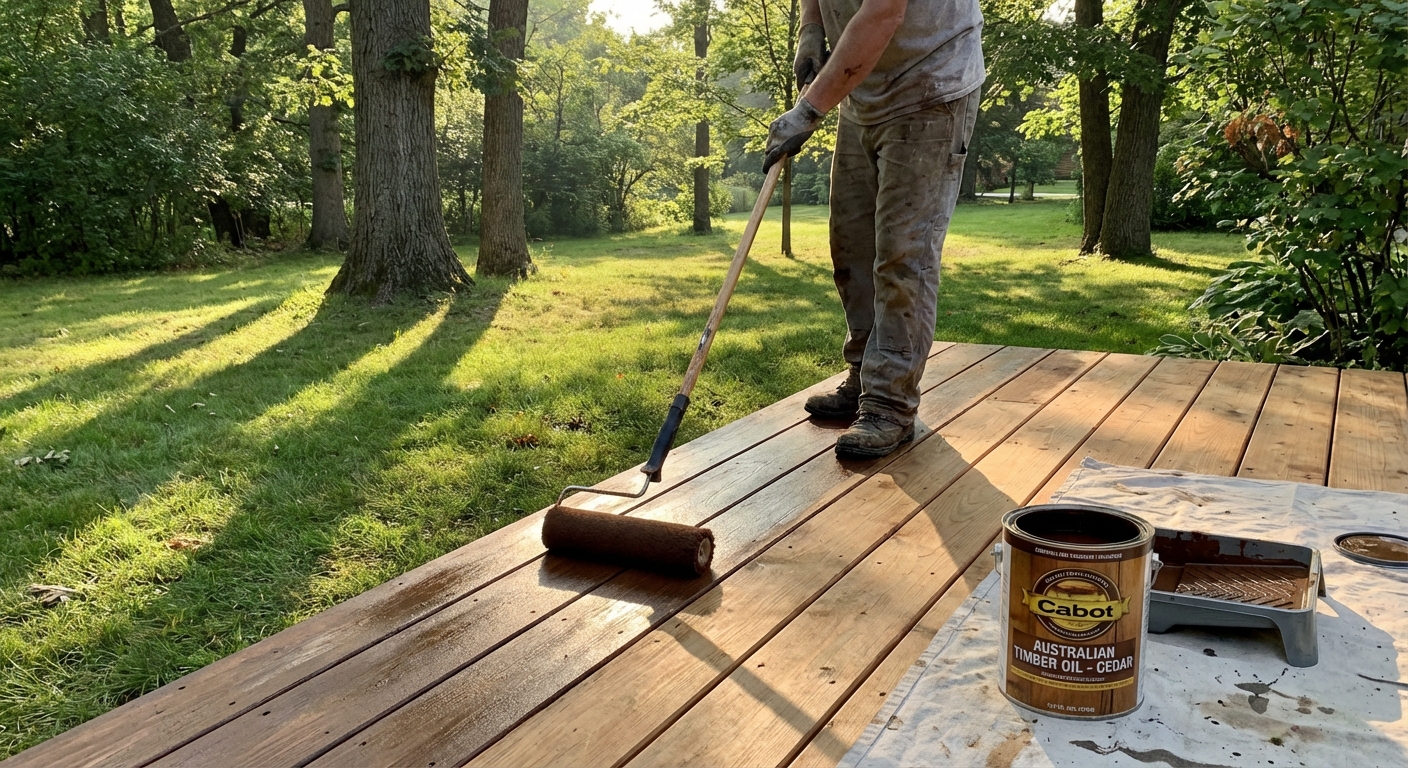
Want to keep your Michigan deck looking its best? Staining is crucial for protecting it from the elements, but timing is everything. This guide walks you through the ideal time to stain your deck in Michigan, along with product recommendations tailored for our specific climate and regional nuances.
📐 Tool Alert: Deck Stair Calculator
Calculate rise, run, and stringer cuts while ensuring IRC/OBC code compliance.
Calculate Stairs →When to Stain Your Deck in Michigan: Timing is Key
The best time to stain a deck in Michigan hinges on several factors, primarily temperature, moisture levels, and upcoming weather. Aim for these conditions:
🏗️ Planning a deck project?
Get a free manual project review, or visualize your dream deck with AI before requesting quotes.
- Temperature: Between 50°F and 90°F consistently for several days, including overnight. Avoid staining when temperatures are expected to dip below 50°F within 24-48 hours after application.
- Dry Weather: At least 2-3 days of dry weather before and after staining. This allows the wood to dry thoroughly and the stain to properly cure. Check the forecast meticulously! Lake-effect zones like Grand Rapids, Muskegon, and Traverse City often have unpredictable microclimates, so pay extra attention.
- Wood Moisture Content: The wood should have a moisture content below 15%. You can use a moisture meter to check this. Newly installed decks need time to dry out; waiting several weeks (or even months) after installation is often necessary.
- Time of Day: Avoid staining in direct sunlight, especially during the hottest part of the day. Early morning or late afternoon are generally best, as the wood will be cooler.
Generally, late spring (May-June) and early fall (September-October) offer the most favorable conditions for deck staining in most of Michigan. However, be prepared to adjust based on the actual weather in your specific area. Northern Michigan and the Upper Peninsula (UP) have shorter, cooler summers, so earlier in the spring or earlier in the fall might be more suitable.
Here's a regional breakdown:
- Metro Detroit/Ann Arbor: Late spring and early fall are ideal. Be mindful of humidity levels, which can be high in the summer.
- West Michigan (Grand Rapids, Muskegon): Lake-effect weather can be unpredictable. Monitor the forecast closely and be prepared to delay if necessary. Early fall can be a good option as lake-effect snow usually starts later.
- Northern Michigan/UP: The window for staining is shorter. Aim for mid-summer (July-August) or early fall, watching for early frosts.
- Mid-Michigan (Lansing, Flint): Similar to Metro Detroit, late spring and early fall are best.
<!-- slot:after-intro -->
Preparing Your Deck for Staining: Essential Steps
Proper preparation is just as important as choosing the right time and stain. Neglecting these steps will significantly impact the lifespan and appearance of your stain:
1. Clean the Deck: Use a deck cleaner to remove dirt, mildew, algae, and any existing finish. A pressure washer can be helpful, but use it carefully to avoid damaging the wood. Too much pressure can gouge softwoods like cedar.
2. Sand the Deck (if necessary): If the deck is rough, splintered, or has an uneven finish, sanding is essential. Use a coarse grit sandpaper (e.g., 60-80 grit) to remove the old finish and smooth the surface, then follow with a finer grit (e.g., 100-120 grit) for a smooth finish.
3. Brighten the Wood: After cleaning and sanding, use a wood brightener to restore the wood's natural color and open the pores for better stain penetration.
4. Repair Any Damage: Replace any damaged or rotten boards before staining. Addressing these issues now will prevent further problems down the road. Remember that carpenter ants and termites are present in southern Michigan, so inspect carefully for signs of infestation.
5. Let the Deck Dry Completely: This is crucial. After cleaning and brightening, allow the deck to dry for at least 24-48 hours (or longer, depending on the weather) before staining. Use a moisture meter to ensure the wood is below 15% moisture content.
Choosing the Right Stain for Michigan's Climate
Michigan's climate, with its warm, humid summers and harsh, snowy winters, demands a durable and weather-resistant stain. Here's what to consider:
- Type of Stain:
* Oil-Based Stains: Penetrate deeply into the wood, providing excellent protection against moisture and UV damage. They tend to be more durable than water-based stains but can take longer to dry and may contain higher VOCs.
* Water-Based Stains: Easier to clean up, lower in VOCs, and often dry faster than oil-based stains. They offer good protection but may not be as durable in high-traffic areas.
* Hybrid Stains: Combine the benefits of both oil- and water-based stains, offering good penetration, durability, and ease of use.
- Opacity:
* Transparent/Clear Stains: Offer minimal color and allow the natural wood grain to show through. They provide limited UV protection and require more frequent reapplication.
* Semi-Transparent Stains: Add a hint of color while still allowing the wood grain to be visible. They offer better UV protection than transparent stains.
* Semi-Solid Stains: Provide more color and hide some of the wood grain. They offer good UV protection and are more durable than semi-transparent stains.
* Solid Stains: Offer the most color and completely obscure the wood grain. They provide the best UV protection and are the most durable option, but they essentially act like paint.
- Considerations for Michigan:
* Freeze-Thaw Cycles: Michigan's harsh winters and frequent freeze-thaw cycles can cause deck boards to expand and contract, leading to cracking and peeling. Choose a stain that is flexible and can withstand these conditions.
* Moisture: High humidity and lake-effect snow can contribute to moisture damage. Select a stain with excellent water repellency.
* UV Protection: Michigan summers can be surprisingly intense. Choose a stain with good UV protection to prevent fading and discoloration.
* Salt: If you live in a suburban area, especially around Metro Detroit, road salt tracked onto your deck can cause damage. Choose a stain that is salt-resistant.
Top Deck Stain Product Picks for Michigan
Here are a few highly-rated deck stains that perform well in Michigan's climate, categorized by type:
| Stain Type | Product | Pros | Cons | Best For |
| ---------------- | ----------------------------------------- | ---------------------------------------------------------------------------------------------------------------------------------------------------------------- | --------------------------------------------------------------------------------------------------------------------------------- | ------------------------------------------------------------------------------------------------------------- |
| Oil-Based | Ready Seal Exterior Wood Stain and Sealer | Excellent penetration, easy to apply (no back brushing required), resists fading and mildew, good for all wood types. | Can be more expensive than water-based options, higher VOCs. | Decks with natural wood grain, areas prone to moisture, DIYers looking for easy application. |
| Water-Based | Olympic Maximum Exterior Stain and Sealant | Good UV protection, resists mildew and algae, durable finish, easy to clean up, lower VOCs. | May not penetrate as deeply as oil-based stains, may require more frequent reapplication in high-traffic areas. | Decks in sunny areas, homeowners concerned about VOCs, decks with composite materials. |
| Hybrid | Cabot Australian Timber Oil | Combines the benefits of oil and water-based stains, excellent penetration, durable finish, enhances wood grain, good UV protection. | Can be more expensive than other options, requires careful application to avoid lap marks. | Decks with exotic hardwoods, homeowners looking for a premium finish, decks where appearance is a top priority. |
| Solid Acrylic | Sherwin-Williams SuperDeck Solid Color Stain | Excellent UV protection, hides imperfections, very durable, resists mildew and algae, available in a wide range of colors. | Completely obscures the wood grain, can be more prone to peeling if not applied properly, acts more like paint than stain. | Decks with heavily damaged wood, homeowners looking for maximum color and protection, decks in harsh climates. |
Important Note: Always test the stain on a small, inconspicuous area of your deck before applying it to the entire surface. This will allow you to see how the color looks and how well the stain penetrates the wood.
<!-- slot:mid-content -->
The Cost of Deck Staining in Michigan
Staining your deck yourself can save money, but it requires time and effort. Hiring a professional ensures the job is done correctly and efficiently. Here's a breakdown of the costs:
DIY Staining Costs:
- Stain: $30-$60 per gallon (depending on the type and brand)
- Cleaner/Brightener: $20-$40 per gallon
- Brushes/Rollers/Pads: $15-$30
- Sandpaper: $10-$20
- Moisture Meter (optional): $20-$50
- Total DIY Cost: $95 - $200+ (plus your time and effort)
Professional Staining Costs:
Professional deck staining costs in Michigan typically range from $3 to $8 per square foot. This includes labor, materials, and preparation. Keep in mind that Metro Detroit and Ann Arbor tend to have slightly higher labor costs than other areas of the state.
Here's a cost estimate for staining a 300 square foot deck:
- DIY: $95-$200 + your labor
- Professional: $900 - $2400
While Michigan construction costs are generally moderate-to-low compared to coastal states, labor rates can vary significantly between contractors. Get multiple quotes!
Deck Building Costs in Michigan:
If your deck is beyond repair and needs replacing, here's a general idea of deck building costs in Michigan:
| Material | Cost per Square Foot (Installed) |
| ----------------- | -------------------------------- |
| Pressure-Treated | $22 - $40 |
| Composite | $40 - $70 |
| Cedar | $30 - $50 |
| Trex | $45 - $75 |
Use PaperPlan (paperplan.app) to visualize your deck with PaperPlan design with different materials and layouts before committing to a contractor.
Michigan-Specific Deck Considerations
Beyond timing and stain selection, keep these Michigan-specific factors in mind:
- Building Codes and Permits: Decks over 30 inches above grade or attached to the house typically require permits in Michigan. Contact your local building department for specific requirements and fees. Permit costs usually range from $75 to $400. The Michigan Residential Code (MRC) governs deck construction.
- Frost Line: Michigan has a deep frost line, ranging from 42 inches in southern Michigan to 48+ inches in northern Michigan and the UP. This means your deck footings need to be deep enough to prevent frost heave.
- Lakefront Properties: If you own lakefront property, be aware of additional setback requirements and environmental regulations enforced by the Michigan Department of Environment, Great Lakes, and Energy (EGLE). See Lakefront Deck Ideas for Michigan Homes: Design & Regulations for more.
- Snow Load: If you're considering a covered deck or pergola, make sure it's designed to withstand Michigan's heavy snow loads, especially in lake-effect zones.
- Ice Dams: Properly flash your deck to prevent ice dams if your deck is attached to the house and covered.
- Contractor Availability: Michigan's short build season means contractors book up quickly. Schedule your deck project by February for summer builds.
<!-- slot:before-faq -->
🎨 Not sure which material to pick?
Upload a photo of your backyard and see exactly how Trex, TimberTech, or cedar would look — free and instant.
Frequently Asked Questions
What happens if it rains shortly after I stain my deck?
If it rains within 24-48 hours after staining, the stain may not cure properly, leading to a blotchy finish or reduced durability. If this happens, you may need to re-stain the deck after it has dried completely.
How often should I stain my deck in Michigan?
The frequency of staining depends on the type of stain used, the amount of traffic the deck receives, and the exposure to the elements. Generally, you should stain your deck every 2-3 years for semi-transparent stains and every 3-5 years for solid stains.
Can I stain a deck that has already been stained?
Yes, but you need to properly prepare the deck first. Remove any loose or peeling stain, clean the deck thoroughly, and lightly sand the surface to create a good bonding surface.
What is the best way to clean my deck before staining?
Use a deck cleaner specifically designed for wood decks. Follow the manufacturer's instructions carefully. A pressure washer can be used, but use it cautiously to avoid damaging the wood.
How do I prevent carpenter ants from damaging my deck?
Use pressure-treated lumber for any ground-contact components. Inspect your deck regularly for signs of carpenter ant activity (sawdust, tunnels). Treat any infestations promptly with an appropriate insecticide.
<!-- slot:end -->
Maintaining your deck in Michigan requires attention to detail and an understanding of our unique climate. By following these tips, you can ensure your deck stays beautiful and protected for years to come. For more information on deck maintenance, see Michigan Deck Winter Care: Protect Your Deck from Snow & Ice and Freeze-Thaw Damage on Michigan Decks: Prevention & Repair Guide. And if you are looking for a professional, see Best Deck Builders in Lansing, MI: Capital Region Guide, Best Deck Builders in Kalamazoo, MI: Southwest Michigan Guide, or Best Deck Builders in Sterling Heights, MI: Macomb County Guide.
📋 Planning a deck project?
Get a free manual project review from our team — no obligation, no spam.
Get Free Project Review →Upload a backyard photo and preview real decking materials with AI — free, instant, no sign-up.
Permits, costs, material comparisons, and questions to ask before requesting quotes — delivered to your inbox.