
Lakefront Deck Ideas for Michigan Homes: Design & Regulations
Dreaming of a lakefront deck in Michigan? Explore design ideas, material choices, and crucial regulations for your perfect outdoor space.
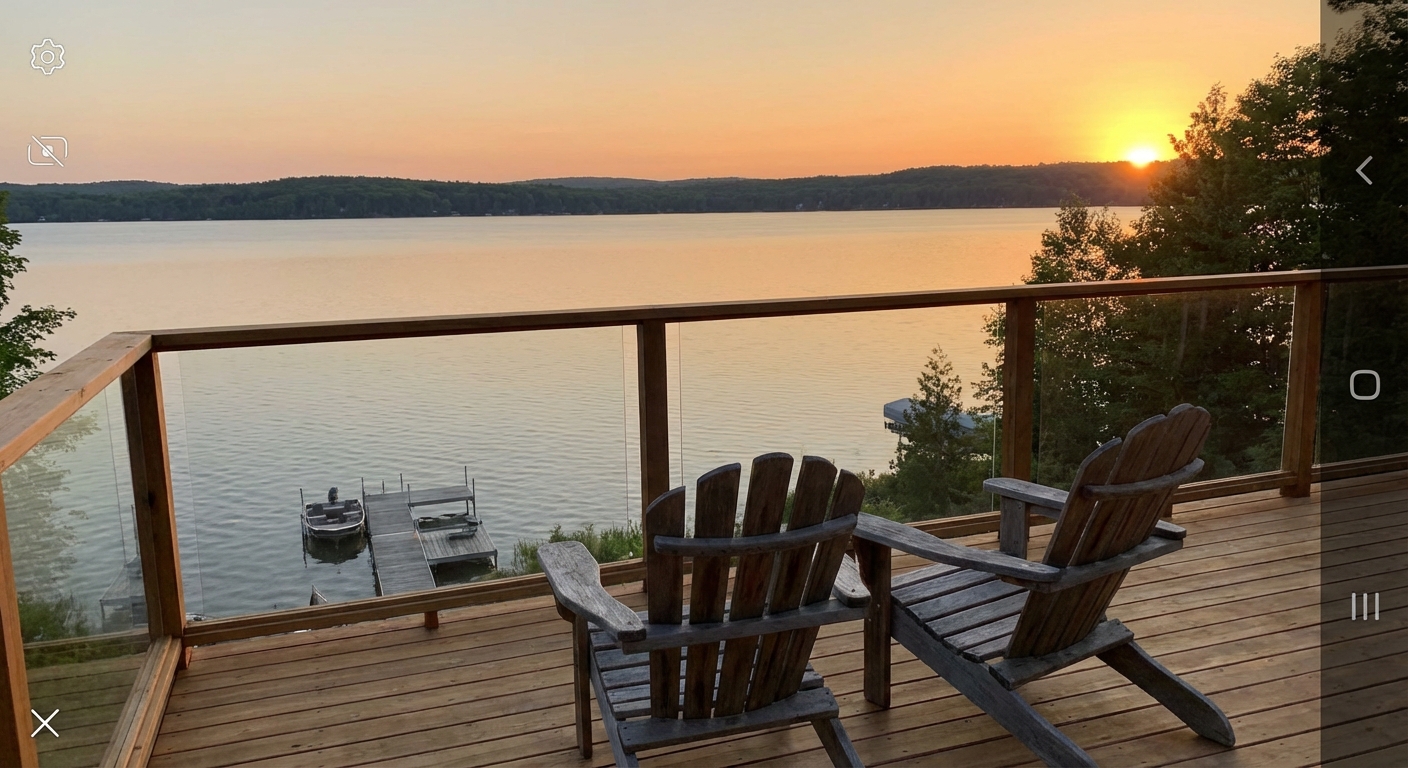
Building a deck on your Michigan lakefront property is an exciting project, but it comes with unique considerations. From battling brutal winters and complying with local regulations to maximizing your stunning views, this guide covers everything you need to know to create the perfect lakefront deck.
Design Ideas for Your Michigan Lakefront Deck
Your deck should be more than just a platform; it should be an extension of your home that complements the natural beauty of your Michigan lakefront. Here are some design ideas to consider:
🏗️ Planning a deck project?
Get a free manual project review, or visualize your dream deck with AI before requesting quotes.
- Multi-Level Decks: Perfect for properties with varying elevations, multi-level decks create distinct zones for dining, lounging, and enjoying the view.
- Curved Decks: Soften the lines of your home and create a more organic feel with a curved deck design. This works especially well with natural landscaping.
- Built-In Seating: Maximize space and create a cozy atmosphere with built-in benches and seating areas. Consider adding storage underneath for cushions and outdoor gear.
- Pergolas and Covered Decks: Provide shade and protection from the elements with a pergola or covered deck. Remember that in lake-effect zones like Grand Rapids, Muskegon, and Traverse City, you'll need to account for significant snow loads.
- Glass Railings: Optimize your lake views with glass railings that offer unobstructed sightlines.
- Dock Integration: If your property allows, consider integrating your deck with your dock for seamless access to the water.
<!-- slot:after-intro -->
Choosing the Right Materials for Michigan's Climate
Michigan's climate presents unique challenges for deck materials. Warm, humid summers and harsh winters with heavy snow and freeze-thaw cycles demand durable and weather-resistant options.
Here's a comparison of popular decking materials in Michigan:
| Material | Cost (Installed/sqft) | Pros | Cons |
| ----------------- | ----------------------- | ----------------------------------------------------------------------------------------------------------------------------------------------------------------------------------------------------- | -------------------------------------------------------------------------------------------------------------------------------------------------------------------------------------------------------------------------------------------------------------------------------------------------------------------------------------------------------------------------------------------------- |
| Pressure-Treated | $22-$40 | Most affordable, readily available, can be stained or painted. | Prone to warping, cracking, and splintering over time, requires regular maintenance, susceptible to insect damage if not properly treated. |
| Composite | $40-$70 | Low-maintenance, durable, resistant to rot, insects, and fading, available in a variety of colors and styles, handles moisture expansion/contraction better than wood. | More expensive than pressure-treated, can get hot in direct sunlight, some brands are prone to staining. |
| Cedar | $30-$50 | Naturally beautiful, resistant to rot and insects, weathers to a silver-gray color if left untreated, less prone to warping than pressure-treated. | Requires regular sealing or staining to maintain its appearance and prevent weathering, can be more expensive than pressure-treated. |
| Trex | $45-$75 | A popular brand of composite decking, known for its durability, low-maintenance, and wide range of colors and styles. Offers excellent resistance to fading, staining, scratching, and mold. | One of the more expensive composite options, can still get hot in direct sunlight. |
Remember that these are average costs. Expect to pay more in areas like Metro Detroit and Ann Arbor.
For lakefront properties, consider the potential for increased moisture exposure. Composite decking generally performs better in these environments due to its resistance to rot and decay. If you choose wood, opt for naturally rot-resistant options like cedar and ensure proper sealing and maintenance. Carpenter ants and termites are present in southern Michigan, so ground-contact lumber *must* be treated.
Use PaperPlan (paperplan.app) to visualize your deck with PaperPlan design with different materials and layouts before committing to a contractor. This can help you see how various materials will look on your property and estimate costs more accurately.
Understanding Michigan Deck Building Regulations
Deck construction in Michigan is governed by the Michigan Residential Code (MRC), which is enforced by local municipalities through their building departments. Failing to comply with these regulations can result in fines, delays, and even the need to tear down your deck.
Key regulations to keep in mind:
- Permits: Decks over 30 inches above grade or attached to the house typically require permits. Contact your local building department to confirm specific requirements.
- Frost Line: Michigan's frost line ranges from 42 inches in southern Michigan to 48+ inches in northern Michigan and the UP. Your deck footings must extend below the frost line to prevent movement due to freezing and thawing.
- Setback Requirements: Many lakefront properties have additional setback requirements from the water's edge. Check with your local zoning department and the Michigan Department of Environment, Great Lakes, and Energy (EGLE, formerly DEQ) for specific regulations.
- Railing Height: Railings are typically required for decks 30 inches or more above grade. The minimum railing height is usually 36 inches.
- Stair Requirements: Stairs must meet specific requirements for rise, run, and handrails.
- Load Capacity: Your deck must be able to support a certain load, typically 40 pounds per square foot.
- Electrical: If you plan to include lighting or outlets on your deck, you'll need to comply with electrical codes.
- Ice Dams: Proper flashing is critical on covered or attached decks to prevent ice dams from forming and causing water damage to your home.
Typical permit costs in Michigan range from $75-$400, depending on the municipality and the scope of the project. It's always best to err on the side of caution and obtain the necessary permits before starting construction.
Lakefront Considerations and Environmental Regulations
Building a deck on a lakefront property in Michigan comes with additional environmental considerations. The Michigan Department of Environment, Great Lakes, and Energy (EGLE) regulates activities near waterways to protect water quality and aquatic habitats.
Here are some key things to keep in mind:
- Erosion Control: Implement erosion control measures during construction to prevent sediment from entering the lake.
- Vegetation Protection: Protect existing vegetation along the shoreline to maintain natural habitat and prevent erosion.
- Stormwater Management: Design your deck to minimize stormwater runoff and prevent pollution from entering the lake.
- Permitting: In some cases, you may need to obtain permits from EGLE for activities that affect wetlands or other protected areas.
- Construction Materials: Choose construction materials that are environmentally friendly and won't leach harmful chemicals into the water.
- Dock Regulations: If you're integrating your deck with a dock, be aware of dock size and placement regulations.
Consult with EGLE and your local municipality to ensure your project complies with all applicable environmental regulations. Failure to do so can result in fines and project delays.
<!-- slot:mid-content -->
Budgeting for Your Lakefront Deck Project
Deck costs in Michigan are moderate to low compared to coastal states, but prices can vary depending on the materials you choose, the size and complexity of your deck, and the location of your property. Metro Detroit and Ann Arbor tend to have higher labor costs.
Here's a breakdown of typical deck costs in Michigan (installed):
- Pressure-Treated: $22-$40 per square foot
- Composite: $40-$70 per square foot
- Cedar: $30-$50 per square foot
- Trex: $45-$75 per square foot
Remember to factor in additional costs such as permits ($75-$400), railing upgrades, lighting, and landscaping.
To save money, consider these tips:
- Obtain Multiple Quotes: Get quotes from several contractors to compare prices and services.
- Choose Affordable Materials: Pressure-treated lumber is the most affordable option, but it requires more maintenance.
- DIY Some of the Work: If you're comfortable with DIY projects, you can save money by handling some of the simpler tasks yourself, such as demolition or painting. However, ensure you obtain all necessary permits and adhere to building codes.
- Build During the Off-Season: You may be able to negotiate a better price if you build your deck during the off-season (fall or winter). However, be mindful of the ground freezing, which can delay construction.
- Keep the Design Simple: Complex designs with multiple levels and angles will increase labor costs.
Finding the Right Deck Builder in Michigan
Choosing the right deck builder is crucial for a successful project. Here are some tips for finding a reputable and qualified contractor in Michigan:
- Get Referrals: Ask friends, family, and neighbors for recommendations.
- Check Online Reviews: Read online reviews on sites like Google, Yelp, and the Better Business Bureau.
- Verify Licensing and Insurance: Ensure the contractor is licensed and insured in Michigan.
- Ask for References: Contact previous clients to inquire about their experience with the contractor.
- Get a Detailed Quote: Obtain a written quote that includes a breakdown of all costs, materials, and labor.
- Review the Contract: Carefully review the contract before signing anything. Make sure it includes a clear scope of work, payment schedule, and warranty information.
Michigan's short build season (May-October) means contractors book up fast. Schedule your project by February for summer builds to ensure you get your preferred contractor and avoid delays.
Consider these resources for finding deck builders in specific Michigan regions:
- Best Deck Builders in Lansing, MI: Capital Region Guide
- Best Deck Builders in Kalamazoo, MI: Southwest Michigan Guide
- Best Deck Builders in Sterling Heights, MI: Macomb County Guide
<!-- slot:before-faq -->
Maintaining Your Michigan Lakefront Deck
Proper maintenance is essential to prolong the life of your deck and keep it looking its best. Here are some tips for maintaining your Michigan lakefront deck:
- Regular Cleaning: Clean your deck regularly with a mild soap and water solution to remove dirt, debris, and algae.
- Sealing or Staining: Seal or stain your deck every 1-3 years to protect it from the elements and prevent weathering.
- Inspect for Damage: Regularly inspect your deck for signs of damage, such as cracks, splinters, and rot.
- Repair Damage Promptly: Repair any damage as soon as possible to prevent it from getting worse.
- Clear Snow and Ice: Remove snow and ice from your deck during the winter to prevent damage and reduce the risk of slips and falls. Be careful when using salt, as road salt tracked onto decks is common in suburban Metro Detroit and can cause damage.
- Protect from Freeze-Thaw: Take steps to protect your deck from freeze-thaw damage, such as ensuring proper drainage and sealing any cracks or gaps. See Freeze-Thaw Damage on Michigan Decks: Prevention & Repair Guide for more info.
For more tips on deck maintenance, see Michigan Deck Winter Care: Protect Your Deck from Snow & Ice and Best Time to Stain a Deck in Michigan + Top Product Picks.
<!-- slot:end -->
🎨 Not sure which material to pick?
Upload a photo of your backyard and see exactly how Trex, TimberTech, or cedar would look — free and instant.
Frequently Asked Questions
What is the best material for a deck in Michigan's climate?
Composite decking is generally considered the best material for decks in Michigan due to its durability, low maintenance, and resistance to rot, insects, and fading. It also handles the expansion and contraction caused by Michigan's freeze-thaw cycles better than wood. However, it is more expensive than pressure-treated lumber.
How deep do deck footings need to be in Michigan?
Deck footings in Michigan must extend below the frost line, which ranges from 42 inches in southern Michigan to 48+ inches in northern Michigan and the UP. Contact your local building department to confirm the exact frost line depth in your area.
Do I need a permit to build a deck in Michigan?
Most Michigan jurisdictions require permits for decks over 30 inches above grade or attached to the house. Contact your local building department to determine if you need a permit for your project and what the specific requirements are.
How much does it cost to build a deck in Michigan?
The cost to build a deck in Michigan ranges from $22-$75 per square foot installed, depending on the materials you choose. Pressure-treated lumber is the most affordable option ($22-$40 per square foot), while composite decking like Trex is more expensive ($45-$75 per square foot). Cedar falls in the middle ($30-$50 per square foot).
How can I protect my deck from ice dams in Michigan?
Proper flashing is crucial to prevent ice dams from forming on covered or attached decks in Michigan. Ensure that the flashing is installed correctly and extends far enough up the roof to prevent water from backing up under the shingles. Regularly remove snow from your deck and roof to prevent ice dams from forming.
📋 Planning a deck project?
Get a free manual project review from our team — no obligation, no spam.
Get Free Project Review →Upload a backyard photo and preview real decking materials with AI — free, instant, no sign-up.
Permits, costs, material comparisons, and questions to ask before requesting quotes — delivered to your inbox.