
Michigan Deck Building Codes: Key Requirements for 2026
Navigating Michigan deck building codes can be tricky. This guide covers permits, frost lines, material choices, and regional differences for MI homeowners.
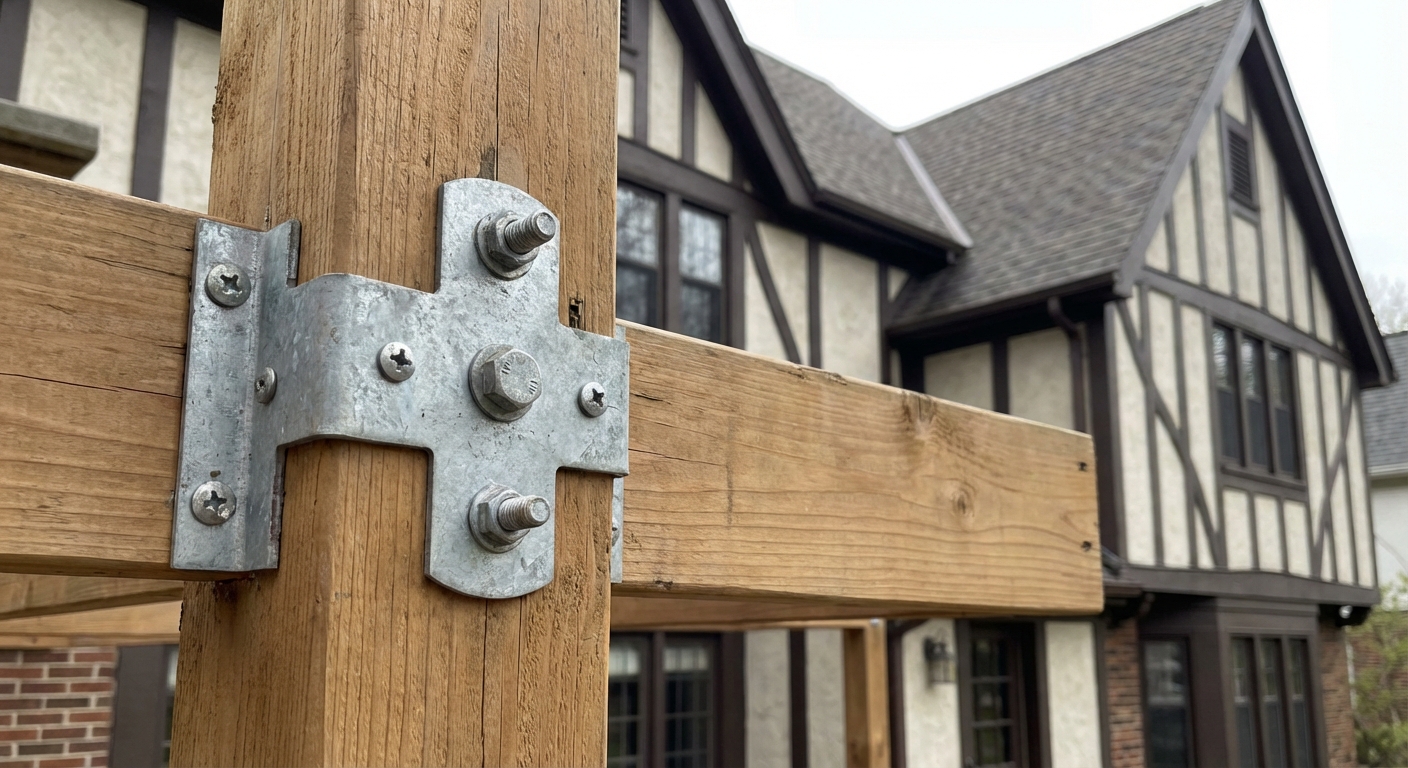
Building a deck in Michigan? You need to understand the state's deck building codes to avoid costly mistakes and ensure your deck is safe and code-compliant. These codes are in place to protect you and your property, covering everything from the depth of your footings to the type of lumber you use. This guide breaks down the key requirements you need to know for 2026, covering regional differences across Michigan, permit requirements, and essential construction details.
📋 Tool Alert: Permit Checker
Do you really need a permit? Check the exact rules for your city or township.
Check Permits →Understanding Michigan's Deck Building Codes
Michigan follows the Michigan Residential Code (MRC), which is based on the International Residential Code (IRC). Local municipalities enforce these codes through their building departments. This means the specific interpretation and enforcement can vary slightly between, say, Detroit and Grand Rapids. The MRC outlines the standards for safe deck construction, including structural integrity, fire safety, and accessibility.
🏗️ Planning a deck project?
Get a free manual project review, or visualize your dream deck with AI before requesting quotes.
<!-- slot:after-intro -->
Permit Requirements in Michigan
In most Michigan jurisdictions, you'll need a permit to build a deck if it's:
- More than 30 inches above grade (ground level)
- Attached to your house
Even if your deck is smaller or detached, it's always best to check with your local building department. They can confirm whether a permit is required and provide you with the necessary application forms and information. Failing to obtain a permit when required can result in fines, delays, and even the need to dismantle your deck.
Here's a quick rundown of permit nuances in major Michigan cities:
- Detroit: The Buildings, Safety Engineering, and Environmental Department (BSEED) handles permits. Expect a potentially more rigorous review process, especially for older homes where structural verification may be needed.
- Grand Rapids: With a growing housing market and many craftsman-style homes, permit offices are familiar with common deck designs.
- Ann Arbor: Historic districts have additional review requirements, so allow extra time for the approval process.
- Traverse City: As a resort area, expect potential delays during peak construction season.
Typical permit costs in Michigan range from $75 to $400, depending on your municipality. Detroit's BSEED tends to have higher permit fees than surrounding suburbs.
You can learn more about permit requirements in our article: Do You Need a Deck Permit in Michigan? Local Rules Explained and Detroit Deck Permit: BSEED Requirements, Costs & Process.
Frost Line Depth: A Crucial Consideration
Michigan winters are brutal, and the freeze-thaw cycle can wreak havoc on improperly built decks. That's why understanding the frost line is critical. The frost line is the depth to which the ground freezes in the winter. Your deck footings must extend below this line to prevent movement and damage from the freezing and thawing of the soil.
- Southern Michigan: The frost line is generally 42 inches.
- Northern Michigan and the Upper Peninsula: Expect a frost line of 48 inches or more.
Always check with your local building department to confirm the exact frost line depth in your area. Digging deep footings is essential for a stable and long-lasting deck.
Key Deck Building Code Requirements in Michigan
Beyond permits and frost lines, several other code requirements dictate how you build your deck. Here's a breakdown:
1. Deck Footings and Foundations
- Footing Size: Footing size depends on the size of your deck and the soil bearing capacity in your area. Your local building department can provide guidance on the appropriate size.
- Concrete: Use concrete with a minimum compressive strength of 2500 psi.
- Post-to-Footing Connection: Posts must be securely connected to the footings using approved connectors.
2. Deck Framing
- Lumber: Use pressure-treated lumber for all framing components that are in contact with the ground or exposed to the weather.
- Joist Spacing: Joist spacing depends on the size and type of decking material used. Common spacing is 12 inches, 16 inches, or 24 inches on center.
- Beam Size: Beam size depends on the span and load it will carry. Consult a span table or a qualified engineer to determine the correct size.
- Ledger Board Attachment: If attaching the deck to your house, the ledger board must be properly attached to the house framing using lag screws or through-bolts. Proper flashing is critical to prevent water damage to your home.
3. Decking Materials
- Acceptable Materials: Common decking materials include pressure-treated lumber, cedar, composite decking, and PVC decking.
- Fasteners: Use corrosion-resistant fasteners approved for exterior use.
- Spacing: Leave adequate spacing between deck boards to allow for expansion and contraction due to temperature changes and moisture. Michigan's climate of warm, humid summers and freezing winters makes this essential. Composite decking typically requires less spacing than wood.
4. Railings and Guards
- Height: Decks 30 inches or more above grade require railings or guards.
- Railing Height: Railings must be at least 36 inches high.
- Guardrail Infill: The space between guardrail infill (e.g., balusters) cannot exceed 4 inches. This prevents small children from squeezing through.
- Stair Railings: Stair railings must be between 34 inches and 38 inches high.
5. Stairs
- Rise and Run: Stair rise (vertical height of each step) and run (horizontal depth of each step) must be consistent. The maximum rise is 7 3/4 inches, and the minimum run is 10 inches.
- Width: Stairs must be at least 36 inches wide.
- Handrails: Stairs with four or more risers require a handrail.
6. Electrical
- Outlets: If you plan to install electrical outlets on your deck, they must be GFCI-protected.
- Wiring: All wiring must be installed in accordance with the National Electrical Code (NEC).
- Lighting: Deck lighting must be listed for exterior use.
7. Snow Load
Michigan, especially areas near the Great Lakes, experiences significant snowfall. This "lake effect" snow can add considerable weight to your deck, particularly if you have a covered deck or pergola. Ensure your deck is designed to withstand the expected snow load in your area. Consult with a qualified engineer or your local building department for specific requirements. Areas like Grand Rapids, Muskegon, and Traverse City should pay close attention to snow load requirements.
Material Considerations for Michigan's Climate
Michigan's climate presents unique challenges for deck construction. The combination of high humidity and freeze-thaw cycles can cause wood to warp, crack, and rot.
Here's a look at common decking materials and their suitability for Michigan:
| Material | Cost (Installed per sq ft) | Pros | Cons | Best For |
| ----------------- | -------------------------- | ----------------------------------------------------------------------------------------------------- | -------------------------------------------------------------------------------------------------------------------------------- | -------------------------------------------------------------------------------------------------------------------------------------------------------------------------------------------------------------------------------------------------------- |
| Pressure-Treated | $22-$40 | Affordable, readily available, resists rot and insects (when properly treated) | Can warp, crack, and splinter over time, requires regular maintenance (staining/sealing) | Budget-conscious homeowners, simple deck designs. In southern MI, ensure ground-contact lumber is treated against carpenter ants and termites. |
| Cedar | $30-$50 | Naturally beautiful, resists rot and insects, durable | More expensive than pressure-treated lumber, requires regular maintenance (staining/sealing), can be susceptible to moisture damage | Homeowners who want a natural look and are willing to invest in maintenance. Popular in areas like Traverse City for its aesthetic appeal in vacation homes. |
| Composite | $40-$70 | Low-maintenance, resists fading, staining, and scratching, durable, consistent color, handles moisture well | More expensive than wood, can get hot in direct sunlight, may not look as natural as wood | Homeowners who want a low-maintenance deck that will last for many years. Excellent choice statewide due to freeze-thaw resistance. |
| Trex | $45-$75 | Similar to composite, well-known brand, wide variety of colors and styles | Higher end of the composite price range | Homeowners who want a premium composite deck with a proven track record. |
Use PaperPlan (paperplan.app) to visualize your deck with PaperPlan design with different materials and layouts before committing to a contractor. This can help you estimate costs and ensure you're happy with the final result.
<!-- slot:mid-content -->
Additional Considerations for Lakefront Properties
If you're building a deck on a lakefront property in Michigan, you'll need to consider additional regulations from the Michigan Department of Environment, Great Lakes, and Energy (EGLE), formerly known as the DEQ. These regulations are in place to protect the environment and prevent erosion. Common requirements include:
- Setback Requirements: You may be required to set your deck back a certain distance from the shoreline.
- Erosion Control: You may need to implement erosion control measures to prevent soil from washing into the lake.
- Permits: You may need additional permits from EGLE.
Contact EGLE or your local municipality to learn more about the specific regulations in your area.
Finding a Qualified Deck Builder in Michigan
Building a deck can be a complex project, especially when navigating building codes and regulations. Hiring a qualified and experienced deck builder is crucial to ensure the job is done right. Look for a contractor who:
- Is licensed and insured.
- Has a good reputation and positive reviews.
- Is familiar with local building codes and regulations.
- Provides a detailed contract with a clear scope of work and payment schedule.
The best months to build a deck in Michigan are typically May through October, as the ground is usually frozen from November to April.
You can find reputable deck builders in your area by searching online directories, asking for referrals from friends and family, or contacting your local building department. Check out our guides to find the best deck builders in Detroit, Grand Rapids, Ann Arbor, and Traverse City.
<!-- slot:before-faq -->
Building a deck in Michigan requires careful planning and attention to detail. By understanding the state's building codes, considering the climate, and hiring a qualified contractor, you can create a beautiful and safe outdoor space that you and your family can enjoy for years to come. Remember to always check with your local building department for the most up-to-date information and requirements in your area.
<!-- slot:end -->
Frequently Asked Questions
What happens if I build a deck without a permit in Michigan?
Building a deck without a required permit can result in fines, stop-work orders, and even the need to dismantle the deck. It's always best to check with your local building department before starting any construction project.
How deep do I need to dig the footings for my deck in Northern Michigan?
In Northern Michigan and the Upper Peninsula, the frost line can be 48 inches or more. Check with your local building department to confirm the exact depth in your area.
What type of lumber should I use for my deck in Michigan?
Pressure-treated lumber is a good option for framing components that are in contact with the ground or exposed to the weather. Cedar is a popular choice for decking because it's naturally beautiful and resists rot and insects. Composite decking is a low-maintenance option that resists fading, staining, and scratching.
How much does it cost to build a deck in Michigan?
The cost of building a deck in Michigan varies depending on the size, materials, and complexity of the project. Expect to pay anywhere from $22 to $75 per square foot installed. See our article on How Much Does a Deck Cost in Michigan? Complete 2026 Guide for more details.
📋 Planning a deck project?
Get a free manual project review from our team — no obligation, no spam.
Get Free Project Review →Upload a backyard photo and preview real decking materials with AI — free, instant, no sign-up.
Permits, costs, material comparisons, and questions to ask before requesting quotes — delivered to your inbox.