
Best Deck Builders in Grand Rapids: West Michigan Guide for 2026
Find the best deck builders in Grand Rapids, MI. Expert guide covers costs, permits, materials, and local considerations for your dream deck project.
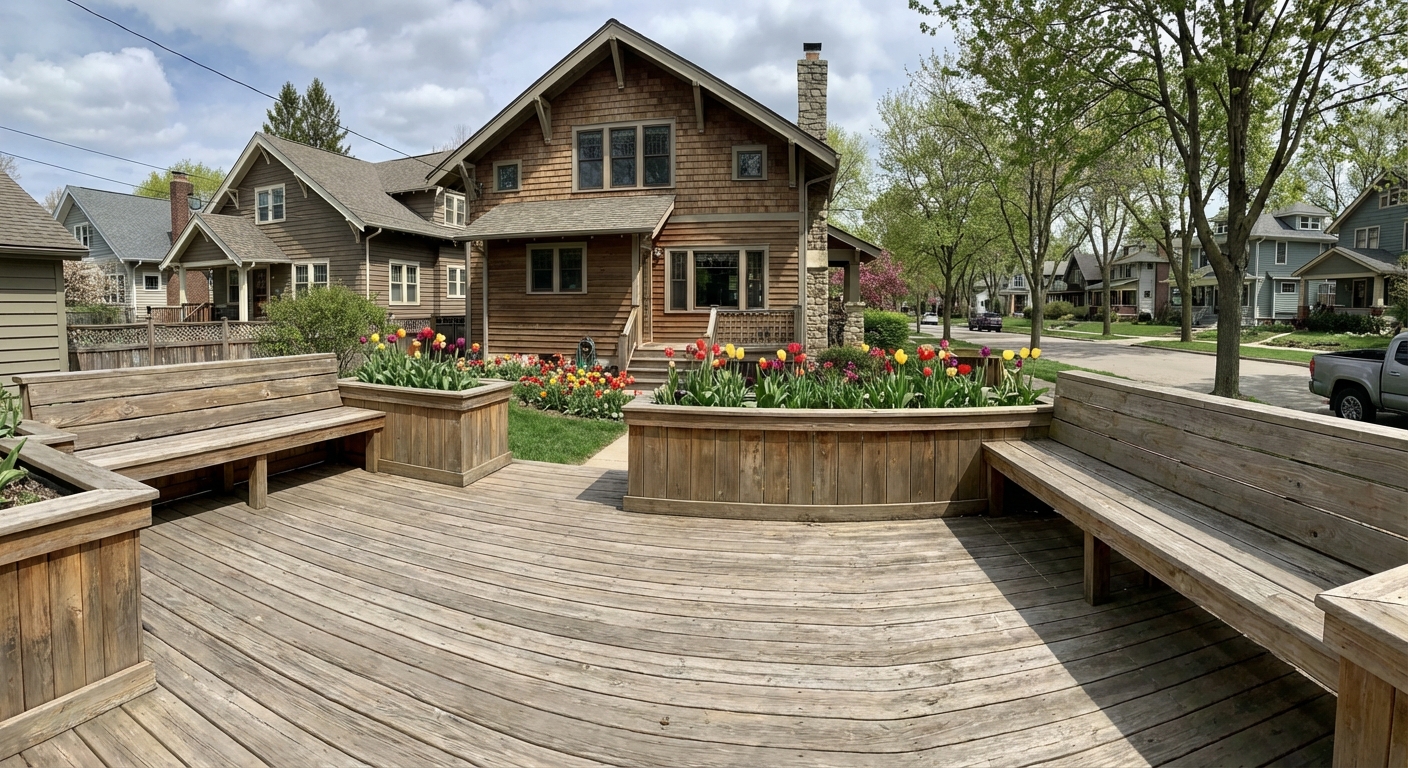
Are you looking to build a new deck in Grand Rapids or upgrade an existing one? Finding the right deck builder is crucial for a successful project that will withstand Michigan's weather and meet local building codes. This guide provides information on deck costs, permits, materials, and tips for choosing the best contractor in the Grand Rapids area.
Understanding Deck Costs in Grand Rapids
Deck costs in Grand Rapids vary depending on the materials used, the size of the deck, and the complexity of the design. Michigan generally has moderate construction costs compared to coastal states, but Grand Rapids, with its growing housing market, can see slightly higher prices than more rural areas.
🏗️ Planning a deck project?
Get a free manual project review, or visualize your dream deck with AI before requesting quotes.
Here's a general cost breakdown you can expect:
- Pressure-treated wood: $22-$40 per square foot installed
- Cedar: $30-$50 per square foot installed
- Composite (Trex, etc.): $45-$75 per square foot installed
| Material | Cost per sq ft (Installed) | Pros | Cons |
| ----------------- | --------------------------- | -------------------------------------------------------------- | -------------------------------------------------------------------- |
| Pressure-Treated | $22 - $40 | Most affordable, readily available | Requires regular staining/sealing, prone to warping/splintering |
| Cedar | $30 - $50 | Naturally beautiful, insect-resistant | More expensive than pressure-treated, requires maintenance |
| Composite | $45 - $75 | Low-maintenance, durable, resists fading/staining | Higher upfront cost, can get hot in direct sunlight |
Keep in mind that these are average costs. Factors that can increase the price include:
- Size: Larger decks cost more overall, but the price per square foot may decrease slightly.
- Design complexity: Multi-level decks, custom railings, and built-in features increase labor costs.
- Permits: Permit costs in Grand Rapids typically range from $75-$400.
- Site preparation: If your yard requires significant leveling or clearing, this will add to the cost.
Use PaperPlan (paperplan.app) to visualize your deck with PaperPlan design with different materials and layouts before committing to a contractor. Experiment with different railing styles, deck board colors, and sizes to find the perfect look for your Grand Rapids home.
<!-- slot:after-intro -->
Navigating Grand Rapids Deck Permits and Building Codes
Before starting your deck project, you'll need to obtain the necessary permits from the City of Grand Rapids. Decks over 30 inches above grade or attached to the house typically require a permit. The Michigan Residential Code (MRC) governs deck construction, and the city's building department enforces these regulations.
Here's what you need to know about permits in Grand Rapids:
- Permit application: Obtain the application from the City of Grand Rapids Development Center. You'll need to submit detailed plans, including dimensions, materials, and footing details.
- Inspections: The city will conduct inspections during construction to ensure compliance with building codes. This typically includes footing inspections, framing inspections, and a final inspection.
- Frost line: In southern Michigan, including Grand Rapids, the frost line is around 42 inches. Your deck footings must extend below this depth to prevent frost heave.
- Snow load: Grand Rapids is in a lake-effect snow zone, so your deck must be designed to withstand significant snow loads, especially if you're planning a covered deck or pergola.
- Residential Code Compliance: Ensure your deck design complies with the Michigan Residential Code (MRC). This includes proper railing heights, stair construction, and structural requirements. See Michigan Deck Building Codes: Key Requirements for 2026 for more information.
Failing to obtain the proper permits can result in fines and delays. A reputable deck builder will be familiar with the local permit process and can handle the application on your behalf.
Choosing the Right Decking Material for West Michigan's Climate
Grand Rapids experiences warm, humid summers and cold, snowy winters. This climate can be tough on decks, so choosing the right materials is essential.
- Pressure-treated lumber: This is the most affordable option, but it requires regular maintenance to prevent rot and insect damage.
- Cedar: Cedar is a naturally beautiful and insect-resistant wood, but it's more expensive than pressure-treated lumber and still requires some maintenance. Cedar is often preferred in areas like Traverse City for its natural look.
- Composite decking: Composite decking is a low-maintenance option that resists fading, staining, and warping. It's more expensive than wood, but it can save you time and money in the long run. Composite decking handles the moisture and freeze-thaw cycles of Michigan well.
- Trex Decking: Trex is a popular brand of composite decking known for its durability and wide range of colors and styles. Expect to pay in the range of $45-$75 per square foot installed.
Here's a breakdown of material considerations for the Grand Rapids area:
- Moisture: High humidity and freeze-thaw cycles can cause wood to expand and contract, leading to cracks and warping. Composite decking is more resistant to these effects.
- Snow load: Grand Rapids receives significant snowfall, so your deck must be able to withstand the weight of the snow.
- Insects: Carpenter ants and termites are present in southern Michigan. Ground-contact lumber should be treated to prevent infestation.
Consider the pros and cons of each material before making a decision. For a more detailed look, check out Composite Deck Cost in Michigan: What to Expect in 2026.
<!-- slot:mid-content -->
Finding the Best Deck Builders in Grand Rapids
Finding a qualified and experienced deck builder is crucial for a successful project. Here are some tips for finding the best deck builders in Grand Rapids:
1. Get referrals: Ask friends, family, and neighbors for recommendations.
2. Check online reviews: Look for deck builders with positive reviews on sites like Google, Yelp, and the Better Business Bureau.
3. Verify licenses and insurance: Ensure the deck builder is licensed and insured in Michigan. This protects you in case of accidents or damages.
4. Get multiple bids: Obtain bids from at least three different deck builders. This will allow you to compare prices and services.
5. Review their portfolio: Ask to see examples of their previous work. This will give you an idea of their quality and style.
6. Ask about experience: Choose a deck builder with experience building decks in the Grand Rapids area. They should be familiar with local building codes and climate considerations.
7. Check references: Contact previous clients to ask about their experience with the deck builder.
When comparing bids, be sure to consider the following:
- Materials: What type of materials will be used? Are they high-quality and durable?
- Warranty: What type of warranty is offered on the materials and labor?
- Timeline: How long will the project take to complete?
- Payment schedule: What is the payment schedule? Avoid paying a large upfront deposit.
Consider deck builders who are familiar with the architectural styles common in Grand Rapids, such as Craftsman, to ensure the deck complements your home. If you are in Detroit, you may be interested in Best Deck Builders in Detroit: How to Find the Right Contractor, as some companies may service both areas.
Grand Rapids Neighborhood Considerations
Your neighborhood can influence your deck design and material choices. Here are a few examples:
- East Grand Rapids: Known for its upscale homes, you might consider high-end composite decking or cedar with custom railings.
- Heritage Hill: This historic district has strict architectural guidelines. Your deck design will need to be approved by the Heritage Hill Association.
- Eastown: A vibrant and eclectic neighborhood. You might consider a unique and modern deck design.
- Belknap Lookout: Many homes have views of the city. Consider a multi-level deck to maximize the views.
Understanding your neighborhood's style and regulations will help you choose the right deck builder and design.
<!-- slot:before-faq -->
Maintaining Your Deck in Grand Rapids
Proper maintenance is essential for extending the life of your deck. Here are some tips for maintaining your deck in Grand Rapids:
- Clean your deck regularly: Sweep your deck regularly to remove dirt and debris. Wash it with a deck cleaner at least once a year.
- Seal or stain your deck: If you have a wood deck, seal or stain it every one to two years to protect it from the elements.
- Inspect your deck regularly: Look for signs of rot, insect damage, or loose fasteners. Repair any damage promptly.
- Clear snow and ice: Remove snow and ice from your deck during the winter to prevent damage.
- Trim vegetation: Keep trees and shrubs trimmed back to prevent them from rubbing against your deck.
Following these tips will help you keep your deck in good condition for years to come. Remember to also check Do You Need a Deck Permit in Michigan? Local Rules Explained to ensure any major repairs still comply with local regulations.
<!-- slot:end -->
🎨 Not sure which material to pick?
Upload a photo of your backyard and see exactly how Trex, TimberTech, or cedar would look — free and instant.
Frequently Asked Questions
What is the best time of year to build a deck in Grand Rapids?
The best time to build a deck in Grand Rapids is from May to October. The ground is typically frozen from November to April, making it difficult to dig footings.
How much does it cost to remove an old deck in Grand Rapids?
The cost to remove an old deck typically ranges from $500 to $2,000, depending on the size and complexity of the deck.
Do I need a permit to rebuild my existing deck?
In most cases, yes. If you are replacing more than a certain percentage (check with the city), or altering the size/shape, you'll likely need a permit. Contact the City of Grand Rapids Development Center to confirm.
How can I prevent my wood deck from rotting?
To prevent your wood deck from rotting, use pressure-treated lumber, seal or stain it regularly, and ensure proper drainage.
What are the benefits of composite decking?
Composite decking is low-maintenance, durable, and resists fading, staining, and warping. It's a great option for homeowners who want a deck that will last for years with minimal upkeep.
📋 Planning a deck project?
Get a free manual project review from our team — no obligation, no spam.
Get Free Project Review →Upload a backyard photo and preview real decking materials with AI — free, instant, no sign-up.
Permits, costs, material comparisons, and questions to ask before requesting quotes — delivered to your inbox.