
Deck Cost Per Square Foot in Michigan: 2026 Pricing Breakdown
Planning a new deck in Michigan? Get a detailed breakdown of 2026 deck costs per square foot, including materials, labor, permits, and regional differences.
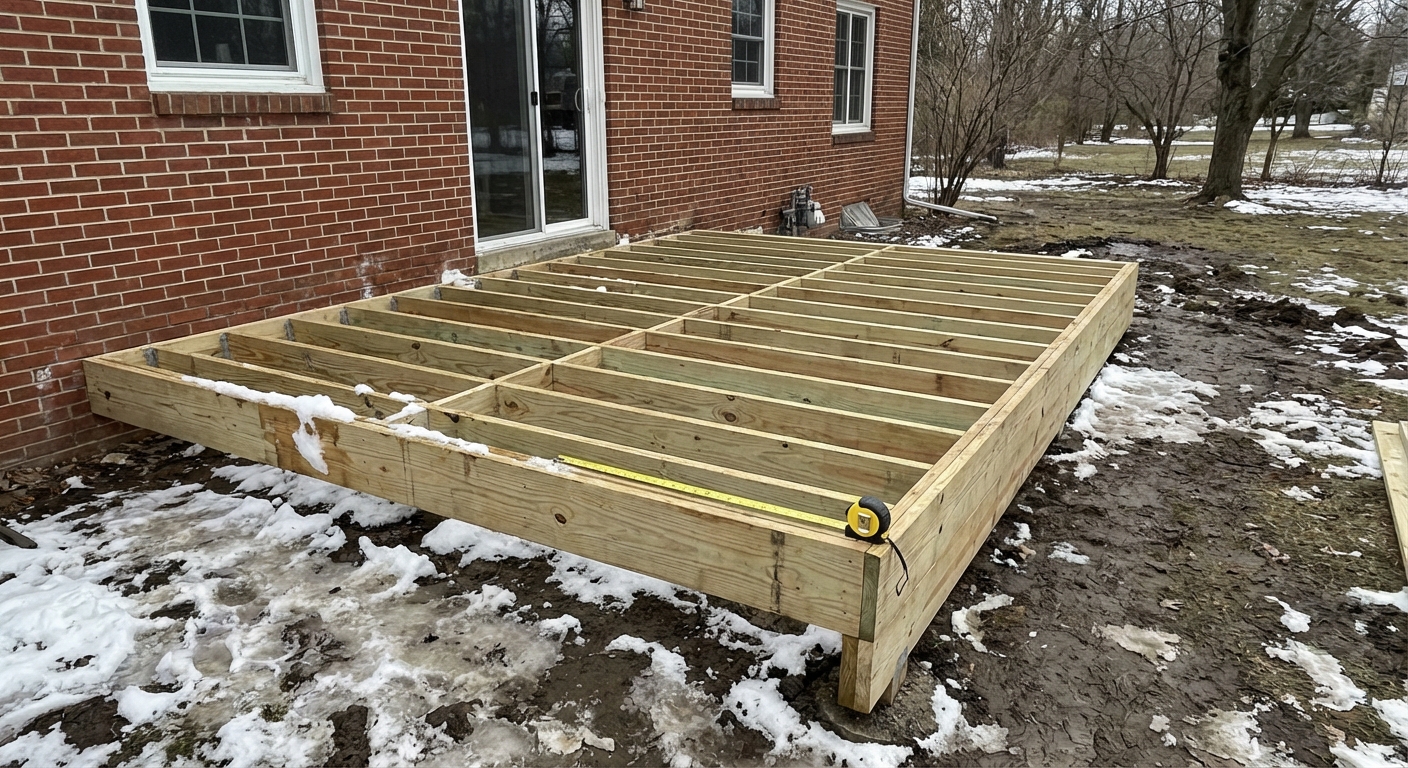
Dreaming of a new deck in your Michigan backyard? Understanding the cost per square foot is crucial for budgeting and planning. This guide breaks down the average deck cost per square foot in Michigan for 2026, covering different materials, labor, permits, and regional factors that influence pricing. While Michigan boasts relatively moderate construction costs compared to coastal states, prices can vary significantly depending on where you live and the specific materials you choose.
🧮 Tool Alert: Deck Cost Calculator
Estimate your project costs in seconds based on local pricing bands for your area.
Calculate My Cost →Average Deck Cost Per Square Foot in Michigan (2026)
The cost of your deck will depend heavily on the materials you select. Here's a general overview of what you can expect to pay per square foot, *installed*, in Michigan:
🏗️ Planning a deck project?
Get a free manual project review, or visualize your dream deck with AI before requesting quotes.
- Pressure-Treated Lumber: $22 - $40 per square foot
- Cedar: $30 - $50 per square foot
- Composite Decking: $40 - $70 per square foot
- Trex (a popular composite brand): $45 - $75 per square foot
These are just averages. Complex designs, elevated decks, and premium features will increase the price. Location also matters – Metro Detroit and Ann Arbor tend to have higher labor costs than more rural areas of the state.
<!-- slot:after-intro -->
Factors Influencing Deck Cost in Michigan
Several factors contribute to the overall cost of your deck project. Let's explore them in detail:
1. Material Selection
As shown above, the material you choose is the biggest cost driver.
- Pressure-Treated Lumber: The most affordable option, pressure-treated lumber is durable and readily available. However, it requires regular maintenance (staining or sealing) to prevent warping, cracking, and rot.
- Cedar: Cedar offers natural beauty and resistance to insects and decay. It's a mid-range option in terms of cost, but still requires some maintenance to preserve its appearance. Traverse City and other areas of Northern Michigan, with their focus on natural aesthetics, often favor cedar decks.
- Composite Decking: Composite decking is a low-maintenance alternative to wood. It's made from a blend of wood fibers and recycled plastic, making it resistant to fading, staining, and scratching. While more expensive upfront, it can save you money on maintenance in the long run.
- Trex: Trex is a leading brand of composite decking known for its durability and wide range of colors and styles. It's generally one of the more expensive composite options.
2. Deck Size and Design
The larger and more complex your deck, the more it will cost. Multi-level decks, custom railings, built-in seating, and intricate patterns all add to the price. Use PaperPlan (paperplan.app) to visualize your deck with PaperPlan design with different materials and layouts before committing to a contractor, helping you optimize your design for cost and aesthetics.
3. Labor Costs
Labor costs vary depending on the contractor's experience, location, and the complexity of the project. Metro Detroit and Ann Arbor generally have higher labor rates than other parts of Michigan. Expect to pay a significant portion of your total budget on labor.
4. Permits and Inspections
In Michigan, decks over 30 inches above grade or attached to the house typically require a building permit. The Michigan Residential Code (MRC) governs deck construction, and local municipalities enforce it through their building departments. Permit costs can range from $75 to $400, depending on the municipality. Detroit's BSEED (Buildings, Safety Engineering and Environmental Department) tends to have higher permit fees than suburban areas. Ann Arbor's historic districts may have additional review requirements that can add to the cost and timeline.
5. Site Preparation
Preparing the site for your deck can also add to the cost. This may include removing existing structures, grading the land, and installing proper drainage. Lakefront properties in Michigan often have additional setback requirements and environmental regulations from the DEQ/EGLE (Department of Environment, Great Lakes, and Energy), potentially adding to site preparation costs.
6. Footings and Foundation
Michigan's harsh winters necessitate deep footings to prevent frost heave. The frost line is typically 42 inches in southern Michigan and can exceed 48 inches in northern Michigan and the Upper Peninsula. Deeper footings require more labor and materials, increasing the overall cost.
7. Railings and Stairs
The type of railing you choose will impact the cost. Simple wood railings are the most affordable, while composite, metal, or glass railings will be more expensive. Stairs also add to the cost, especially if they require multiple landings or custom designs.
8. Additional Features
Adding features like lighting, built-in benches, pergolas, or covered areas will increase the cost of your deck. Lake-effect snow zones like Grand Rapids, Muskegon, and Traverse City need to consider extra snow load when designing covered decks and pergolas.
<!-- slot:mid-content -->
Regional Cost Variations in Michigan
Deck costs can vary across Michigan due to differences in labor rates, material availability, and local regulations.
- Metro Detroit: Expect higher labor costs and permit fees compared to other regions. Older homes may require additional structural verification from BSEED.
- Grand Rapids: A growing housing market with a strong contractor base. Look for craftsman-style deck designs that complement the area's architecture.
- Ann Arbor: Higher-end market with seasonal demand spikes due to the university population. Historic districts may have stricter design guidelines.
- Traverse City: A resort and vacation home market with a preference for cedar decks that blend with the natural surroundings. Elevated decks with lake views are common.
- Northern Michigan/Upper Peninsula: Longer winters and deeper frost lines can increase foundation costs.
Deck Material Cost Comparison Table
| Material | Average Cost Per Sq Ft (Installed) | Pros | Cons | Maintenance |
| ------------------- | ----------------------------------- | ------------------------------------------------------------------------------ | ---------------------------------------------------------------------------- | --------------------------------------------------------------------------- |
| Pressure-Treated | $22 - $40 | Affordable, durable | Requires regular maintenance, prone to warping/cracking | Staining or sealing every 1-2 years |
| Cedar | $30 - $50 | Natural beauty, insect and decay resistant | Requires some maintenance, can be more expensive than pressure-treated lumber | Staining or sealing every 3-5 years |
| Composite | $40 - $70 | Low maintenance, durable, resistant to fading/staining | Higher upfront cost | Occasional cleaning with soap and water |
| Trex | $45 - $75 | Premium composite, wide range of colors/styles, excellent durability | Most expensive option | Occasional cleaning with soap and water |
Michigan Climate Considerations
Michigan's climate presents unique challenges for deck construction.
- Warm, Humid Summers: Expect temperatures in the 80-90°F range during the summer months. High humidity can promote mold and mildew growth.
- Brutal Winters: Heavy snow and freezing temperatures are common. Northern Michigan and the UP can receive over 120 inches of snow annually.
- Lake-Effect Snow: Areas near the Great Lakes, like Grand Rapids and Traverse City, experience significant lake-effect snow, which can increase the load on decks and covered structures.
- Freeze-Thaw Cycles: Michigan's frequent freeze-thaw cycles can cause deck boards to expand and contract, leading to cracking and warping. Composite decking handles this better than wood.
- Pests: Carpenter ants and termites are present in southern Michigan. Ground-contact lumber needs to be treated to prevent infestation.
The best months to build a deck in Michigan are typically May through October, as the ground is usually frozen from November to April.
Obtaining Permits in Michigan
Securing the proper permits is essential for a legal and safe deck. Here's what you need to know:
1. Check Local Requirements: Contact your local building department to determine the specific permit requirements in your area.
2. Submit Plans: You'll typically need to submit detailed deck plans that show the dimensions, materials, and construction methods.
3. Schedule Inspections: After the deck is built, you'll need to schedule inspections to ensure it complies with the Michigan Residential Code.
<!-- slot:before-faq -->
Building a deck in Michigan requires careful planning and attention to detail. By understanding the factors that influence cost and the specific requirements of your local area, you can create a beautiful and functional outdoor space that you'll enjoy for years to come. Remember to factor in the unique challenges posed by Michigan's climate and choose materials that can withstand the elements. How Much Does a Deck Cost in Michigan? Complete 2026 Guide can provide a broader cost overview, while Do You Need a Deck Permit in Michigan? Local Rules Explained details the permit process. If you're in Detroit, Detroit Deck Permit: BSEED Requirements, Costs & Process is a must-read.
<!-- slot:end -->
🎨 Not sure which material to pick?
Upload a photo of your backyard and see exactly how Trex, TimberTech, or cedar would look — free and instant.
Frequently Asked Questions
How much does it cost to remove an old deck in Michigan?
The cost to remove an old deck in Michigan typically ranges from $3 to $8 per square foot. This includes the cost of labor, disposal fees, and any necessary permits. Factors that can affect the price include the size and complexity of the deck, its location, and the accessibility of the site.
Is composite decking worth the extra cost in Michigan?
While composite decking has a higher upfront cost, it offers several advantages over wood in Michigan's climate. It's more resistant to moisture, fading, and staining, and requires less maintenance. Over the long term, the reduced maintenance costs can offset the higher initial investment. For more details, check out Composite Deck Cost in Michigan: What to Expect in 2026.
How do I find a reliable deck builder in Michigan?
Finding a reputable deck builder is crucial for a successful project. Start by getting recommendations from friends, family, or neighbors. Check online reviews and ratings on sites like Google, Yelp, and the Better Business Bureau. Be sure to verify that the contractor is licensed and insured. For specific recommendations, see Best Deck Builders in Detroit: How to Find the Right Contractor, Best Deck Builders in Grand Rapids: West Michigan Guide for 2026, Best Deck Builders in Ann Arbor, MI: Local Guide, and Best Deck Builders in Traverse City, MI: Northern Michigan Guide.
What building codes do I need to follow when building a deck in Michigan?
Deck construction in Michigan is governed by the Michigan Residential Code (MRC). This code covers various aspects of deck building, including foundation requirements, framing, railing heights, and stair construction. Your local building department can provide you with a copy of the MRC and answer any questions you have about specific code requirements. See also: Michigan Deck Building Codes: Key Requirements for 2026.
How much does a permit cost to build a deck in Michigan?
Permit costs vary widely depending on the city or township. Expect to pay between $75 and $400 for a permit in most areas. Detroit's BSEED tends to charge higher permit fees compared to surrounding suburbs. Always check with your local building department for precise figures.
📋 Planning a deck project?
Get a free manual project review from our team — no obligation, no spam.
Get Free Project Review →Upload a backyard photo and preview real decking materials with AI — free, instant, no sign-up.
Permits, costs, material comparisons, and questions to ask before requesting quotes — delivered to your inbox.