
Best Deck Builders in Nashville (2026)
Find the best deck builders in Nashville! This guide covers costs, permits, materials, and tips for hiring the perfect contractor for your dream deck.
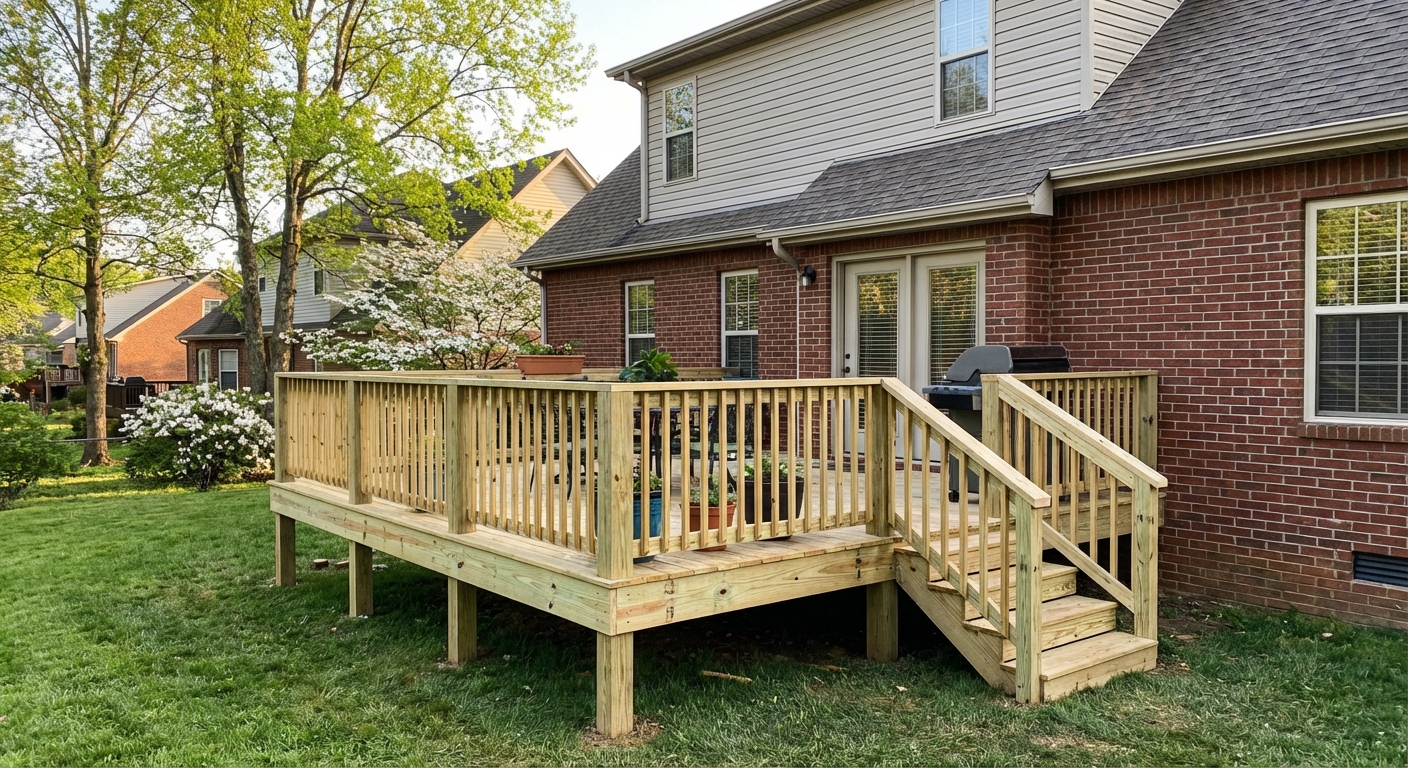
Adding a deck to your Nashville home is a fantastic way to enjoy the beautiful Tennessee outdoors. But finding the right deck builder can feel overwhelming. This guide will walk you through everything you need to know, from understanding local costs and permit requirements to identifying qualified contractors who can bring your vision to life.
Understanding Deck Costs in Nashville
Looking for more regional information? Check out our Tennessee State Decking Hub.
🏗️ Planning a deck project?
Get a free manual project review, or visualize your dream deck with AI before requesting quotes.
Building a deck in Nashville involves several cost factors, including materials, labor, size, and design complexity. Since Tennessee has no state income tax on wages, homeowners often reinvest those savings into home improvements like decks. Here's a breakdown of typical material costs installed:
| Material | Cost per SqFt (Installed) | Notes |
|-------------------|---------------------------|------------------------------------------------------------------------------------------------------|
| Pressure-Treated | $22 - $40 | Most affordable option, requires regular maintenance. |
| Composite | $40 - $70 | Low-maintenance, durable, and comes in various colors and styles. |
| Cedar | $30 - $50 | Naturally beautiful and insect-resistant, but requires staining and sealing. |
| Trex | $45 - $75 | A popular composite brand known for its durability and wide range of options. |
These prices are estimates and can vary based on the specific project requirements. A simple, ground-level deck will be less expensive than a multi-level deck with custom features. Remember to factor in the cost of railings, stairs, and any additional features like pergolas or built-in seating.
<!-- slot:after-intro -->
Navigating Nashville Deck Permits
Before you start building, it's crucial to understand the permit requirements in Nashville. The Metro Nashville Codes Department oversees building permits, and you'll likely need one if your deck is over 200 sqft or more than 30 inches above grade.
Failing to obtain the necessary permits can result in fines and delays, so it's best to be proactive. The permit process typically takes 4-6 weeks and costs between $150 and $400, depending on the scope of the project. Your contractor should be familiar with the Nashville permitting process and able to assist you with the application. For a more in-depth look at the permit process, check out our article on Nashville Deck Permit: Requirements, Costs & How to Apply.
Factors to Consider for Your Nashville Deck
Nashville's climate and landscape present unique considerations for deck building:
- Climate: Nashville experiences hot, humid summers (temperatures can reach 85-95°F) and mild winters with occasional frost. This means your deck needs to be built with materials that can withstand temperature fluctuations and high humidity.
- Rainfall: With over 50 inches of rain annually, proper drainage is essential to prevent water damage and rot. Ensure your deck design incorporates adequate spacing between boards and a well-sloped surface.
- Termites: Tennessee has significant termite pressure. Your contractor should use pressure-treated lumber and apply ground contact treatment to protect your deck from these pests.
- Lot Size & Terrain: Nashville neighborhoods range from densely packed urban lots to sprawling suburban properties. Some areas, especially those closer to the Cumberland River, may have unique soil conditions requiring specialized foundation work.
- Popular Features: Screened porches are popular in Nashville to combat mosquitoes and other insects. Covered decks and multi-level decks are also common, especially on sloped lots.
Finding Qualified Deck Builders in Nashville
Finding the right contractor is the most critical step in building your dream deck. Here's how to identify qualified professionals:
1. Check Licensing and Insurance: Verify that the contractor is licensed in Tennessee and carries adequate liability insurance and worker's compensation. You can check their license status through the Tennessee Department of Commerce and Insurance website.
2. Read Reviews and Testimonials: Look for online reviews on platforms like Google, Yelp, and the Better Business Bureau. Pay attention to both positive and negative feedback.
3. Ask for References: Request a list of previous clients and contact them to inquire about their experience with the contractor.
4. Get Multiple Bids: Obtain quotes from at least three different contractors to compare pricing and services. Be wary of bids that are significantly lower than the average, as this could indicate substandard work or hidden costs.
5. Review Their Portfolio: Ask to see examples of their previous deck building projects. This will give you a sense of their workmanship and design capabilities.
6. Verify Knowledge of Local Codes: Your contractor should be intimately familiar with Nashville's building codes and permit requirements.
7. Clear Communication: Choose a contractor who communicates clearly and responds promptly to your questions.
8. Use PaperPlan: Use PaperPlan (paperplan.app) to visualize your deck with PaperPlan design with different materials and layouts before committing to a contractor. This can help you communicate your vision more effectively and ensure that everyone is on the same page.
<!-- slot:mid-content -->
Questions to Ask Potential Contractors
When interviewing potential deck builders, be sure to ask these important questions:
- Are you licensed and insured?
- How long have you been in business?
- Do you have experience building decks similar to what I'm looking for?
- Can you provide references from previous clients?
- What is your process for obtaining permits?
- What type of materials do you recommend for my deck, and why?
- What is your estimated timeline for the project?
- What is your payment schedule?
- Do you offer a warranty on your work?
- How do you handle unexpected issues or changes during the project?
Choosing the Right Decking Material
The material you choose for your deck will significantly impact its appearance, durability, and maintenance requirements. Here's a closer look at the most common options:
- Pressure-Treated Lumber: This is the most affordable option and is readily available. However, it requires regular cleaning, staining, and sealing to prevent rot and decay.
- Composite Decking: Composite decking is made from a blend of wood fibers and recycled plastic. It's low-maintenance, durable, and resistant to fading, staining, and scratching. While more expensive upfront, it can save you money in the long run due to reduced maintenance costs.
- Cedar Decking: Cedar is a naturally beautiful and insect-resistant wood. It requires less maintenance than pressure-treated lumber but still needs to be stained and sealed periodically to protect it from the elements.
| Feature | Pressure-Treated | Composite | Cedar |
|--------------------|-------------------|--------------------|-------------------|
| Cost | Lowest | Higher | Moderate |
| Maintenance | High | Low | Moderate |
| Durability | Moderate | High | Moderate |
| Appearance | Natural (can be stained) | Varies (mimics wood) | Natural (reddish hue) |
| Insect Resistance | Low (requires treatment) | High | Moderate |
Planning Your Deck Project Timeline
The best time to build a deck in Nashville is during the spring (March-May) or fall (September-November) months. The weather is more moderate, and you'll avoid the extreme heat of summer and the potential for winter frost. The entire project timeline, from initial consultation to final inspection, can take anywhere from a few weeks to several months, depending on the complexity of the design and the availability of materials and contractors. Remember to factor in the 4-6 week permit processing time.
<!-- slot:before-faq -->
Finding the Perfect Deck Builder
Building a deck is a significant investment, so it's essential to choose a contractor you can trust. By following the steps outlined in this guide, you can find a qualified deck builder in Nashville who can bring your vision to life. Remember to do your research, ask the right questions, and get everything in writing before you start the project.
<!-- slot:end -->
🎨 Not sure which material to pick?
Upload a photo of your backyard and see exactly how Trex, TimberTech, or cedar would look — free and instant.
Frequently Asked Questions
What are the most common deck sizes in Nashville?
Most residential decks in Nashville range from 12x12 (144 sqft) to 16x20 (320 sqft). The ideal size will depend on the size of your yard, your budget, and how you plan to use the deck.
How long does it take to build a deck in Nashville?
A simple deck can be built in 1-2 weeks, while more complex projects can take 4-6 weeks or longer. The timeline will depend on the size and design of the deck, the availability of materials, and the weather.
What are the common deck building code requirements in Tennessee?
Key code requirements include proper footings below the frost line (typically 12-18 inches in Tennessee), adequate railing height (36 inches minimum), and proper stair construction. See Tennessee Deck Building Codes: Key Requirements for 2026 for more details.
What should I look for in a deck building contract?
Your contract should include a detailed scope of work, a fixed price (or a clear explanation of how costs will be calculated), a payment schedule, a timeline for completion, and a warranty on the workmanship.
Can I build a deck myself in Nashville?
While it's possible to build a deck yourself, it's generally recommended to hire a professional contractor, especially if you're not experienced in carpentry and construction. A professional can ensure that your deck is built safely, correctly, and in compliance with local building codes. You'll also still need to obtain the necessary permits.
Related Articles:
- How Much Does a Deck Cost in Tennessee? Complete 2026 Guide
- Deck Cost Per Square Foot in Tennessee: 2026 Pricing Breakdown
- Do You Need a Deck Permit in Tennessee? State & City Rules Explained
📋 Planning a deck project?
Get a free manual project review from our team — no obligation, no spam.
Get Free Project Review →Upload a backyard photo and preview real decking materials with AI — free, instant, no sign-up.
Permits, costs, material comparisons, and questions to ask before requesting quotes — delivered to your inbox.