
Deck Permits in Tennessee: 2026 Rules
Planning a new deck in Tennessee? Navigating deck permits can be tricky. Learn Tennessee's deck permit requirements, costs, and city-specific rules.
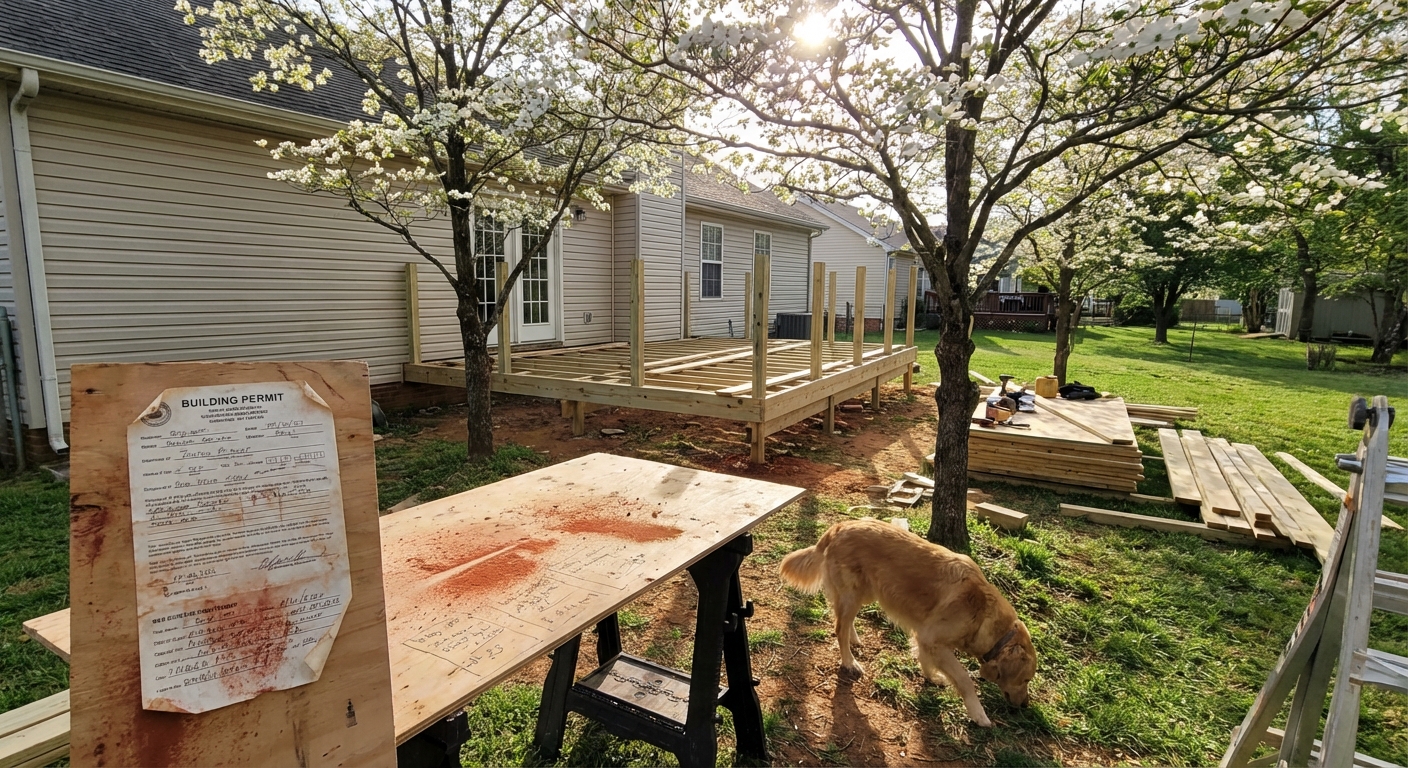
Building a deck in Tennessee to enjoy the beautiful outdoors? Before you start hammering, it's crucial to understand whether you need a deck permit. Ignoring permit requirements can lead to costly fines, project delays, and even having to tear down your new deck. This guide breaks down Tennessee's deck permit rules, covering state guidelines and specific regulations for cities like Nashville, Memphis, Knoxville, and Chattanooga, ensuring your deck project goes smoothly.
📋 Tool Alert: Permit Checker
Do you really need a permit? Check the exact rules for your city or township.
Check Permits →Understanding Tennessee Deck Permit Requirements
Looking for more regional information? Check out our Tennessee State Decking Hub.
🏗️ Planning a deck project?
Get a free manual project review, or visualize your dream deck with AI before requesting quotes.
Tennessee doesn't have a statewide building code that universally dictates deck permit requirements. Instead, each city and county sets its own rules based on the International Residential Code (IRC), which they often amend. Generally, you'll likely need a permit if your deck meets either of these criteria:
- Size: Exceeds 200 square feet.
- Height: Is more than 30 inches above grade (ground level).
Even if your deck is smaller or lower than these thresholds, it's *always* best to check with your local building department to confirm. Some jurisdictions have stricter rules or may require permits for any structure attached to your house, regardless of size.
Keep in mind that these regulations are in place to ensure your deck is safe and structurally sound, protecting you and your family. Tennessee's climate, with its hot, humid summers (averaging 85-95°F) and over 50 inches of annual rainfall, necessitates proper construction techniques to prevent rot and structural issues. The risk of termites is also high, meaning ground contact treatments and proper construction are extremely important.
<!-- slot:after-intro -->
City-Specific Deck Permit Information
While the general guidelines above apply across much of Tennessee, here's a look at specific requirements in some of the state's major cities:
Nashville Deck Permits
In Nashville, the Metro Nashville Codes Department handles deck permits. Expect the permit process to take 4-6 weeks, and costs typically range from $150 to $400, depending on the size and complexity of your deck. They will review your plans to ensure they meet all building codes and safety standards. Nashville Deck Permit: Requirements, Costs & How to Apply goes into this in more detail.
Memphis Deck Permits
Memphis deck permits are managed by the Memphis & Shelby County Office of Construction Code Enforcement. Similar to Nashville, they enforce the International Residential Code with local amendments. Contact them directly for specific permit fees and processing times. West Tennessee, including Memphis, features flat terrain with clay soil, making drainage an important consideration in your deck design.
Knoxville Deck Permits
Knoxville requires deck permits through the City of Knoxville Plans Review & Inspections department. Their website provides detailed information about the application process, required documents, and inspection schedules.
Chattanooga Deck Permits
In Chattanooga, the Chattanooga-Hamilton County Regional Planning Agency oversees deck permits. Given the hilly and sometimes mountainous terrain of East Tennessee, including Chattanooga, many decks are elevated or multi-level, requiring careful attention to structural integrity and adherence to building codes.
Why Are Deck Permits Necessary in Tennessee?
Obtaining a deck permit might seem like a hassle, but it's a crucial step for several reasons:
- Safety: Permits ensure your deck is built to code, minimizing the risk of collapse or other structural failures.
- Compliance: Building without a permit can result in fines, stop-work orders, and even forced demolition of your deck.
- Home Value: A permitted deck adds value to your home and provides peace of mind for potential buyers.
- Insurance: Insurance companies may deny claims if your deck was built without proper permits and inspections.
The Deck Permit Application Process in Tennessee
The exact process varies by city and county, but generally, you'll need to:
1. Prepare Plans: Create detailed deck plans showing dimensions, materials, and structural details. These plans often need to be drawn to scale and may require the stamp of a licensed architect or engineer, especially for larger or more complex decks. Use PaperPlan (paperplan.app) to visualize your deck with PaperPlan design with different materials and layouts before committing to a contractor.
2. Gather Documentation: Collect necessary documents, such as property surveys, site plans, and contractor licenses (if applicable).
3. Submit Application: Submit your application and supporting documents to your local building department.
4. Pay Fees: Pay the required permit fees.
5. Schedule Inspections: Once your permit is approved, schedule inspections at various stages of construction to ensure compliance with building codes. Typical inspections include footing inspections, framing inspections, and a final inspection.
Deck Building Costs in Tennessee
Building a deck is a significant investment, and the cost can vary widely depending on the size, materials, and complexity of the design. Here's a general cost breakdown for different decking materials in Tennessee, including installation:
| Material | Cost per Square Foot (Installed) |
|-------------------|---------------------------------|
| Pressure-Treated | $22 - $40 |
| Composite | $40 - $70 |
| Cedar | $30 - $50 |
| Trex | $45 - $75 |
Tennessee's lack of state income tax on wages often means homeowners have more disposable income to invest in home improvements like decks. Consider this when budgeting for your project. Don't forget to factor in the cost of the permit itself! For a more in-depth look at costs, see How Much Does a Deck Cost in Tennessee? Complete 2026 Guide and Deck Cost Per Square Foot in Tennessee: 2026 Pricing Breakdown.
<!-- slot:mid-content -->
Factors That Affect Permit Requirements
Several factors can influence whether you need a permit and the specific requirements you'll face:
- Deck Size: Larger decks are more likely to require permits due to increased structural complexity and potential impact on property lines.
- Deck Height: Decks higher than 30 inches above grade require railings and stricter safety measures, necessitating a permit.
- Attachment to House: Decks attached to your house are typically subject to stricter regulations than freestanding decks.
- Location: Some cities and counties have specific zoning regulations or environmental restrictions that may affect deck construction.
- Design Complexity: Decks with complex designs, such as multi-level decks, curved railings, or built-in features, may require more detailed plans and permits.
Tips for a Smooth Deck Permit Process in Tennessee
- Start Early: Begin the permit process well in advance of your planned construction start date, as processing times can vary.
- Contact Your Local Building Department: Reach out to your local building department early to clarify any questions and obtain the necessary forms and information.
- Hire a Qualified Contractor: A reputable deck builder will be familiar with local permit requirements and can assist you with the application process. Consider looking at Best Deck Builders in Nashville: How to Find the Right Contractor, Best Deck Builders in Memphis: Local Guide for 2026, Best Deck Builders in Knoxville: Trusted Local Contractors, or Best Deck Builders in Chattanooga: Finding Quality & Value to find a local expert.
- Provide Accurate Information: Ensure all information on your application and plans is accurate and complete to avoid delays.
- Be Patient: The permit process can sometimes be lengthy, so be patient and responsive to any requests from the building department.
Common Deck Features in Tennessee and Their Permit Implications
Tennessee homeowners often incorporate specific features into their decks to enhance their enjoyment of the outdoors. Here's how some popular features might affect permit requirements:
- Screened Porches: Adding a roof and screens to your deck transforms it into a screened porch, which typically requires a permit due to the increased structural load and enclosure. Tennessee's notorious bug population makes screened porches a highly desirable feature.
- Covered Decks: Similar to screened porches, covered decks require permits due to the added roof structure.
- Multi-Level Decks: Multi-level decks, common in East Tennessee's hilly terrain, require careful planning and permits to ensure structural stability and safety.
- Built-in Seating and Planters: While small built-in features may not always trigger a permit, larger or structurally integrated elements might. Check with your local building department.
Tennessee's best months for deck building are typically March-May and September-November, allowing you to avoid the intense summer heat and potential winter frost.
<!-- slot:before-faq -->
Navigating deck permits in Tennessee doesn't have to be daunting. By understanding the general guidelines and city-specific rules, you can ensure your deck project is compliant, safe, and adds lasting value to your home.
<!-- slot:end -->
🎨 Not sure which material to pick?
Upload a photo of your backyard and see exactly how Trex, TimberTech, or cedar would look — free and instant.
Frequently Asked Questions
Do I need a permit to replace existing deck boards in Tennessee?
Generally, replacing existing deck boards doesn't require a permit *if* you're not altering the size, height, or structural components of the deck. However, it's always wise to check with your local building department to confirm, especially if you're unsure about the scope of the replacement.
What happens if I build a deck without a permit in Tennessee?
Building a deck without a required permit can lead to several consequences, including fines, stop-work orders, and even being forced to remove the deck. It can also create problems when you try to sell your home.
How long is a deck permit valid in Tennessee?
The validity period of a deck permit varies by city and county. Typically, permits are valid for 6 months to 1 year. Check with your local building department for specific information.
Can I apply for a deck permit myself, or do I need to hire a contractor?
You can typically apply for a deck permit yourself as a homeowner. However, if you're not familiar with building codes and construction practices, hiring a qualified contractor is recommended. They can handle the permit process and ensure your deck is built to code.
What is the frost line in Tennessee, and why is it important for deck footings?
The frost line in Tennessee typically ranges from 12 to 18 inches. It's the depth to which the ground freezes in winter. Deck footings must extend below the frost line to prevent heaving and settling due to freeze-thaw cycles.
📋 Planning a deck project?
Get a free manual project review from our team — no obligation, no spam.
Get Free Project Review →Upload a backyard photo and preview real decking materials with AI — free, instant, no sign-up.
Permits, costs, material comparisons, and questions to ask before requesting quotes — delivered to your inbox.