
Best Deck Builders in Memphis (2026)
Find the best deck builders in Memphis, TN. Local guide to pricing, permits, materials, and trusted contractors for your dream deck project.
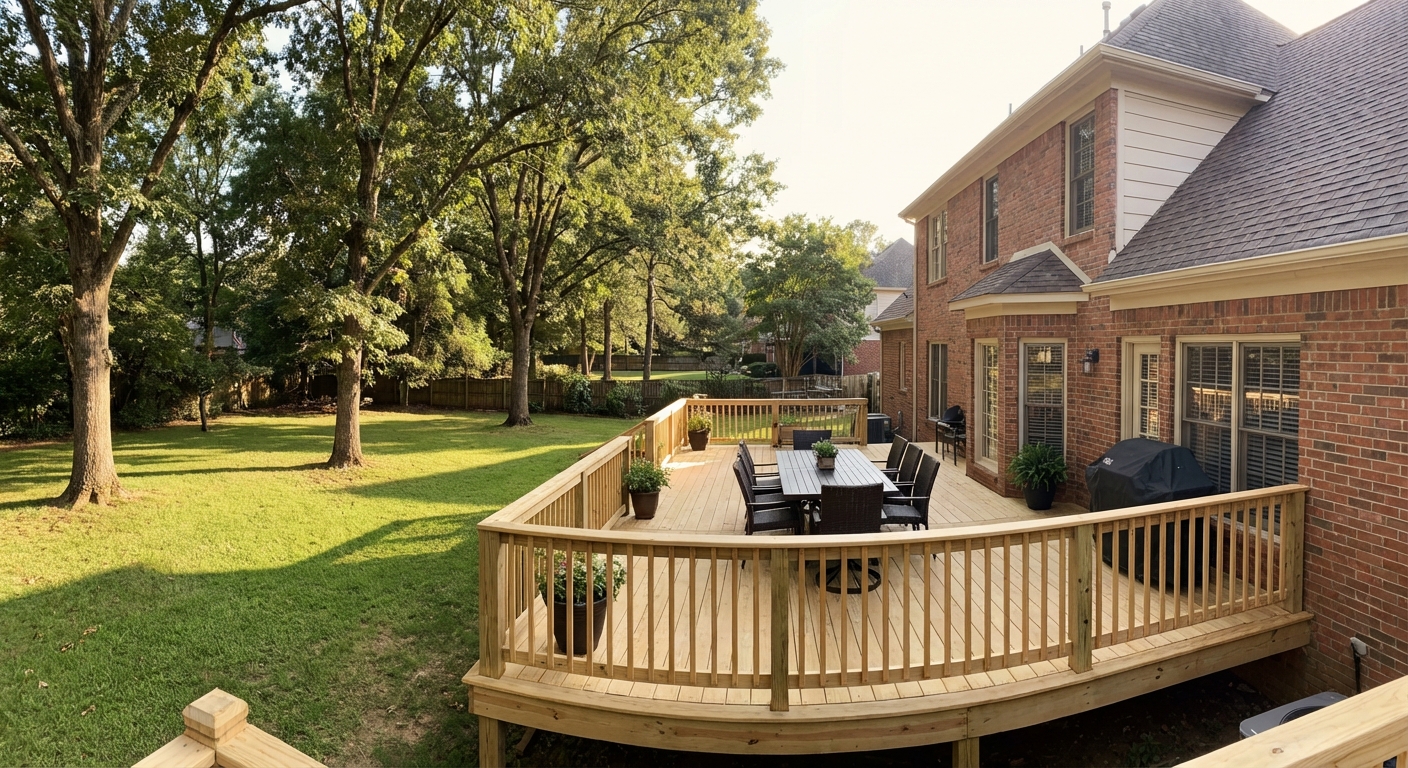
Are you dreaming of a new deck in your Memphis backyard but overwhelmed by the thought of finding a reliable builder? You're not alone. Finding a qualified and trustworthy deck contractor in Memphis requires careful research. This guide helps you navigate the process, covering everything from local pricing to permits and top contractors ready to bring your vision to life.
Understanding Deck Costs in Memphis
Looking for more regional information? Check out our Tennessee State Decking Hub.
🏗️ Planning a deck project?
Get a free manual project review, or visualize your dream deck with AI before requesting quotes.
Building a deck is a significant investment, and knowing the cost upfront is crucial. In Memphis, you'll find that deck prices vary depending on the materials you choose. Since Tennessee has no state income tax on wages, homeowners often invest more in home improvements, so it's important to factor that into your budget.
Here's a general idea of what you can expect to pay per square foot, installed:
| Material | Cost per SqFt (Installed) |
|-------------------|---------------------------|
| Pressure-Treated | $22 - $40 |
| Composite | $40 - $70 |
| Cedar | $30 - $50 |
| Trex | $45 - $75 |
Keep in mind that these are just averages. Your actual cost will depend on the complexity of your design, the size of your deck, and any additional features you add, such as railings, stairs, or built-in seating. Consider the long-term cost; composite decking, while more expensive initially, requires less maintenance than wood. Use PaperPlan (paperplan.app) to visualize your deck with PaperPlan design with different materials and layouts before committing to a contractor.
<!-- slot:after-intro -->
Memphis Climate and Deck Building Considerations
Memphis experiences hot, humid summers, mild winters, and significant rainfall. These conditions impact deck design and material choices. The average high temperature in July is around 90°F, and humidity is consistently high. Memphis also gets over 50 inches of rain annually.
Here's what you need to consider:
- Moisture: The high humidity and rainfall mean you need to prioritize proper drainage. Ensure your deck is properly sloped to avoid water pooling, which can lead to rot and decay, especially with wood decks. West Tennessee, including Memphis, has flat terrain with clay soil, exacerbating drainage issues.
- Termites: Termite pressure is high in Tennessee. Ensure your deck builder uses pressure-treated lumber for the substructure and applies ground contact treatment to prevent infestations.
- Sun Exposure: The intense Memphis sun can fade and damage deck surfaces. Consider using UV-resistant materials or applying a protective stain or sealant regularly.
- Best Build Months: Aim to build your deck during the shoulder seasons: March-May or September-November. These months offer more moderate temperatures and less chance of extreme weather.
Navigating Memphis Deck Permits
Before starting your deck project, you'll likely need a permit. In Memphis, deck permits are handled by the Memphis & Shelby County Office of Construction Code Enforcement.
While specific permit costs can vary, expect to pay somewhere between $100-$500 depending on the scope of your project. Decks exceeding 200 square feet or more than 30 inches above grade typically require a permit.
Failure to obtain a permit can result in fines and delays, so it's best to handle this step upfront. Your chosen deck builder should be familiar with the local permit process and can often assist you with the application.
Finding Reputable Deck Builders in Memphis
Finding the right deck builder is key to a successful project. Here's how to find a reputable contractor in Memphis:
1. Get Referrals: Ask friends, family, or neighbors for recommendations. Personal referrals are often the most reliable.
2. Check Online Reviews: Look for builders with positive reviews on sites like Google, Yelp, and the Better Business Bureau.
3. Verify Licensing and Insurance: Ensure the builder is licensed to operate in Tennessee and carries adequate liability insurance and worker's compensation. Ask for proof of insurance.
4. Get Multiple Quotes: Obtain quotes from at least three different builders. Compare their prices, materials, and timelines.
5. Review Their Portfolio: Ask to see examples of their previous work. Look for quality craftsmanship and attention to detail.
6. Check References: Contact previous clients to ask about their experience with the builder.
7. Read the Contract Carefully: Before signing anything, review the contract thoroughly. Make sure it includes a detailed scope of work, payment schedule, and warranty information.
<!-- slot:mid-content -->
Popular Deck Features in Tennessee (and Memphis!)
Memphis homeowners often incorporate features that enhance their outdoor living space and combat the local climate. Some popular options include:
- Screened Porches: A must-have for keeping out mosquitoes and other insects, especially during the humid summer months.
- Covered Decks: Provide shade and protection from the rain, allowing you to enjoy your deck year-round.
- Multi-Level Decks: Ideal for properties with sloping yards, creating distinct zones for dining, lounging, and entertaining.
- Built-in Seating: Maximizes space and provides comfortable seating for guests.
- Outdoor Kitchens: Take your grilling game to the next level with a fully equipped outdoor kitchen.
- Fire Pits: Extend the use of your deck into the cooler months with a cozy fire pit.
Deck Material Options for Memphis Homes
Choosing the right decking material is crucial for durability, aesthetics, and maintenance. Here's a breakdown of common options for Memphis homes:
| Material | Pros | Cons | Best For |
|--------------------|----------------------------------------------------------------------------------------------------------------------------------------------------------------------|----------------------------------------------------------------------------------------------------------------------------------------|-----------------------------------------------------------------------------------------------------------------------------------|
| Pressure-Treated Lumber | Affordable, readily available, can be stained or painted. | Susceptible to rot and insect damage if not properly maintained, requires regular staining or sealing. | Budget-conscious homeowners looking for a traditional wood deck. |
| Cedar | Naturally resistant to rot and insects, beautiful reddish-brown color, less prone to warping and cracking than pressure-treated lumber. | More expensive than pressure-treated lumber, requires regular sealing to maintain its color and prevent weathering. | Homeowners who want a natural wood look with better durability. |
| Composite | Low maintenance, resistant to rot, insects, and fading, available in a wide range of colors and styles, made from recycled materials. | More expensive than wood, can get hot in direct sunlight, some brands may look less natural. | Homeowners who prioritize low maintenance and long-term durability. |
| Trex (Composite) | Highly durable, low maintenance, made from recycled materials, excellent resistance to fading, staining, scratching and mold, long warranties. | Higher cost than other materials, can be susceptible to minor surface scratches. | Homeowners seeking premium durability and low maintenance with eco-friendly material. |
Consider your budget, maintenance preferences, and aesthetic goals when choosing a decking material.
Memphis Neighborhood Considerations
Deck building trends and considerations can vary slightly by neighborhood. Here are some things to keep in mind based on location:
- Midtown: Smaller lot sizes often favor compact, multi-level decks or rooftop decks. Permitting can be stricter due to historical preservation guidelines.
- East Memphis: Larger lots allow for more expansive decks with features like outdoor kitchens and pools. HOA restrictions may apply.
- Germantown/Collierville: Upscale neighborhoods often opt for premium materials like composite or exotic hardwoods. Design aesthetics are typically more formal.
- Downtown/South Main: Urban environments may require specialized deck designs, such as rooftop decks or decks integrated with existing structures. Noise ordinances may be a concern.
<!-- slot:before-faq -->
Local Deck Builders: A Starting Point
While we can't endorse specific contractors, here are some deck builders operating in the Memphis area that you can research:
- [Insert Generic Company Name 1 Here] - Search for reviews and verify licensing.
- [Insert Generic Company Name 2 Here] - Check their portfolio and insurance.
- [Insert Generic Company Name 3 Here] - Get a quote and compare their materials.
- [Insert Generic Company Name 4 Here] - Ask for references from previous clients.
Always do your due diligence before hiring any contractor.
<!-- slot:end -->
🎨 Not sure which material to pick?
Upload a photo of your backyard and see exactly how Trex, TimberTech, or cedar would look — free and instant.
Frequently Asked Questions
What is the typical turnaround time for a deck build in Memphis?
The construction timeline varies depending on the complexity of the project and the builder's schedule. A simple deck can take 1-2 weeks, while a more elaborate design with custom features can take 4-6 weeks or longer. Factor in potential delays due to weather or permit approvals.
How do I maintain my deck in Memphis's humid climate?
Regular cleaning is essential. Sweep your deck regularly to remove debris. Wash it with a deck cleaner at least twice a year. Apply a sealant or stain every 1-3 years, depending on the material and product recommendations. Inspect for signs of rot or insect damage and address them promptly.
What are some common deck building code requirements in Tennessee?
Tennessee's deck building codes are based on the International Residential Code (IRC). Key requirements include proper footing depth (12-18 inches below the frost line), proper joist spacing, secure railing systems, and adherence to load-bearing requirements. The Tennessee Deck Building Codes: Key Requirements for 2026 guide provides more details.
Can I build a deck myself in Memphis?
Yes, you can build a deck yourself, but it's crucial to have the necessary skills and knowledge. Ensure you obtain the required permits and follow all building codes. If you're not comfortable with any aspect of the project, it's best to hire a professional. Also, consider Do You Need a Deck Permit in Tennessee? State & City Rules Explained for more clarity.
How can I finance my deck project in Memphis?
Several financing options are available, including home equity loans, personal loans, and credit cards. Some deck builders also offer financing options. Shop around for the best interest rates and terms.
📋 Planning a deck project?
Get a free manual project review from our team — no obligation, no spam.
Get Free Project Review →Upload a backyard photo and preview real decking materials with AI — free, instant, no sign-up.
Permits, costs, material comparisons, and questions to ask before requesting quotes — delivered to your inbox.