
Tennessee Deck Codes: 2026 Requirements
Navigating Tennessee deck building codes can be tricky. This guide covers permits, frost lines, materials, and crucial requirements for 2026.
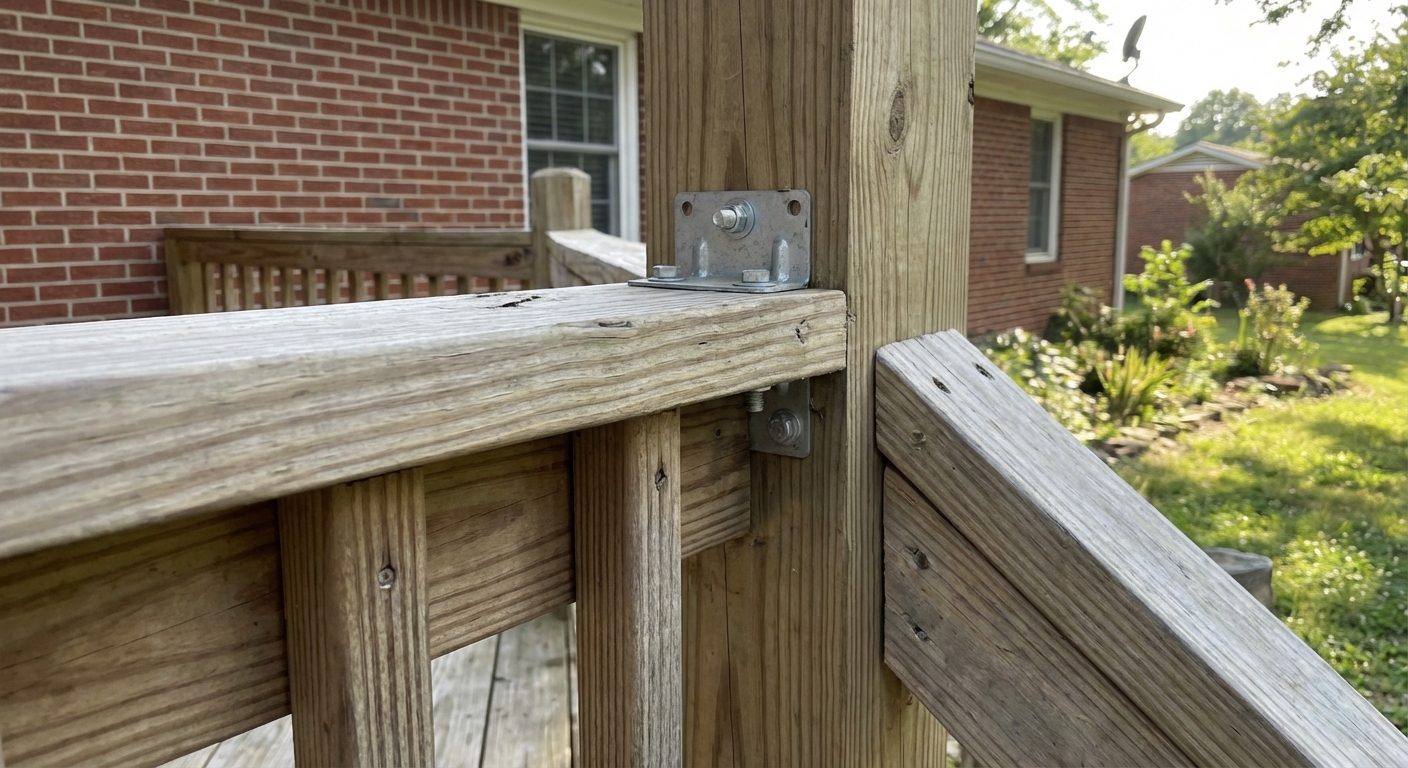
Building a deck in Tennessee? You’re likely wondering what building codes apply to your project. This guide breaks down the key requirements you need to know to ensure your deck is safe, compliant, and built to last in the Tennessee climate. Because Tennessee has no state income tax on wages, many homeowners choose to invest in projects like decks!
📋 Tool Alert: Permit Checker
Do you really need a permit? Check the exact rules for your city or township.
Check Permits →Understanding Tennessee Deck Permit Requirements
Looking for more regional information? Check out our Tennessee State Decking Hub.
🏗️ Planning a deck project?
Get a free manual project review, or visualize your dream deck with AI before requesting quotes.
Most Tennessee cities require a permit for decks that exceed a certain size or height. Generally, if your deck is larger than 200 square feet or more than 30 inches above grade (ground level), you'll need a permit. However, it's always best to check with your local municipality, as specific regulations can vary.
Here's a brief overview of permit requirements in some of Tennessee’s major cities:
- Nashville: Permits are obtained through the Metro Nashville Codes Department. Expect permit costs to range from $150 to $400, with processing times typically taking 4-6 weeks. See our guide on Nashville Deck Permit: Requirements, Costs & How to Apply for more details.
- Memphis: Permits are handled by the Memphis & Shelby County Office of Construction Code Enforcement.
- Knoxville: Contact the City of Knoxville Plans Review & Inspections for permit information.
- Chattanooga: The Chattanooga-Hamilton County Regional Planning Agency handles deck permits.
<!-- slot:after-intro -->
Failing to obtain the necessary permits can result in fines, project delays, and even the requirement to dismantle your deck.
Key Aspects of Tennessee Deck Building Codes
Several factors influence deck building codes in Tennessee. Here's what you need to consider:
1. Frost Line Depth
Tennessee's frost line, which is the depth to which the ground freezes in winter, ranges from 12 to 18 inches in most areas. This is crucial for determining the depth of your deck's footings. Footings must extend below the frost line to prevent movement and damage caused by freezing and thawing cycles.
2. Structural Requirements
- Footings: Footings must be properly sized to support the weight of the deck, including live loads (people and furniture) and dead loads (the deck structure itself). Local codes specify minimum footing sizes based on soil conditions and deck dimensions.
- Posts: Posts should be pressure-treated lumber and properly connected to the footings and beams. Post spacing is determined by the deck's design and load requirements.
- Beams: Beams support the joists and carry the load to the posts. They must be sized appropriately to prevent sagging or failure.
- Joists: Joists are the horizontal framing members that support the decking. Joist spacing depends on the type of decking material used and the expected load.
- Decking: Decking material must be securely fastened to the joists. Proper spacing between decking boards is essential for drainage and to prevent water accumulation.
- Railings: Decks exceeding 30 inches above grade require railings that are at least 36 inches high. Railings must be strong enough to withstand a specified lateral load.
- Stairways: Stairways must have a minimum width of 36 inches and a maximum riser height of 7.75 inches. Handrails are required for stairways with four or more risers.
3. Material Considerations
Tennessee's hot, humid summers and mild winters with occasional frost create unique challenges for deck construction. Selecting durable, weather-resistant materials is essential.
Here's a breakdown of common decking materials and their average installed costs in Tennessee:
| Material | Average Installed Cost per SqFt | Pros | Cons |
| ----------------- | ------------------------------- | ---------------------------------------------------------------------------------------------------------------------------------------------------------------------------------------------- | ---------------------------------------------------------------------------------------------------------------------------------------------------- |
| Pressure-Treated | $22 - $40 | Most affordable option, readily available, resists rot and decay. | Requires regular maintenance (staining or sealing), prone to warping and cracking. |
| Composite | $40 - $70 | Low maintenance, resists rot and insects, available in a variety of colors and styles. | More expensive than pressure-treated lumber, can get hot in direct sunlight. |
| Cedar | $30 - $50 | Naturally resistant to rot and insects, beautiful appearance, less prone to warping than pressure-treated lumber. | Requires regular maintenance (staining or sealing), more expensive than pressure-treated lumber. |
| Trex (Composite) | $45 - $75 | Very low maintenance, highly durable, resists fading and staining, made from recycled materials. Use PaperPlan (paperplan.app) to visualize your deck with PaperPlan design with different materials and layouts before committing to a contractor. | Most expensive option, can get hot in direct sunlight, may not have the same natural look as wood. |
4. Drainage and Moisture Control
With Tennessee receiving over 50 inches of rain annually, proper drainage is critical. Ensure your deck is designed to allow water to flow away from your home's foundation. Adequate spacing between decking boards and proper grading around the deck can help prevent water accumulation and potential damage. Consider the clay soil common in West Tennessee (Memphis area) when planning drainage.
5. Termite Protection
Termites are a significant concern in Tennessee. Use pressure-treated lumber that is specifically treated for ground contact. Consider applying a soil treatment around the perimeter of your deck to deter termites. Regular inspections are also recommended to identify and address any potential termite infestations.
6. Specific Regional Considerations
- East Tennessee (Knoxville, Chattanooga): The hilly and mountainous terrain often requires elevated decks and multi-level designs. Ensure your deck's foundation is properly engineered to accommodate the slope.
- West Tennessee (Memphis): The flat terrain and clay soil necessitate careful attention to drainage. Consider using gravel or other permeable materials to improve drainage around the deck.
<!-- slot:mid-content -->
Building Code Adherence and Inspections
Adhering to Tennessee deck building codes is essential for safety and compliance. Here are some key points:
- Local Codes: Always consult your local building department for specific code requirements in your area.
- Inspections: Schedule inspections at various stages of the construction process, including footing inspection, framing inspection, and final inspection.
- Professional Help: Consider hiring a qualified deck builder who is familiar with local building codes and can ensure your deck is built to code. We can help you find the Best Deck Builders in Nashville: How to Find the Right Contractor, Best Deck Builders in Memphis: Local Guide for 2026, Best Deck Builders in Knoxville: Trusted Local Contractors, or Best Deck Builders in Chattanooga: Finding Quality & Value.
- Popular Features: Many Tennessee homeowners opt for screened porches to combat insects or covered decks for shade. Multi-level decks are also common, especially in areas with sloped lots.
Timing Your Deck Build
The best months to build a deck in Tennessee are typically March-May and September-November. These months offer milder temperatures and avoid the intense summer heat and potential winter frost.
<!-- slot:before-faq -->
Building a deck is a significant investment, and understanding Tennessee's building codes is crucial for a successful project. By following these guidelines and working with qualified professionals, you can create a beautiful and safe outdoor space that you and your family will enjoy for years to come. Don't forget to check out our guides on How Much Does a Deck Cost in Tennessee? Complete 2026 Guide and Deck Cost Per Square Foot in Tennessee: 2026 Pricing Breakdown to help you budget for your project.
<!-- slot:end -->
🎨 Not sure which material to pick?
Upload a photo of your backyard and see exactly how Trex, TimberTech, or cedar would look — free and instant.
Frequently Asked Questions
What happens if I build a deck without a permit in Tennessee?
Building a deck without a permit can result in fines, stop-work orders, and even the requirement to remove the deck. It's always best to obtain the necessary permits before starting construction.
How long does it take to get a deck permit in Nashville?
Permit processing times in Nashville typically range from 4-6 weeks. However, this can vary depending on the complexity of your project and the current workload of the Metro Nashville Codes Department.
What is the minimum height for a deck railing in Tennessee?
Decks exceeding 30 inches above grade require railings that are at least 36 inches high.
Do I need to use pressure-treated lumber for my entire deck in Tennessee?
While not always required for the entire deck, pressure-treated lumber is essential for all components that come into contact with the ground, such as footings, posts, and beams. This helps prevent rot and insect damage.
How can I find a qualified deck builder in my area?
Look for licensed and insured contractors with experience building decks in Tennessee. Check online reviews, ask for references, and obtain multiple bids before making a decision. Platforms like local.click can also help you connect with reputable deck builders in your area.
📋 Planning a deck project?
Get a free manual project review from our team — no obligation, no spam.
Get Free Project Review →Upload a backyard photo and preview real decking materials with AI — free, instant, no sign-up.
Permits, costs, material comparisons, and questions to ask before requesting quotes — delivered to your inbox.