
Nashville Deck Permit: Costs & Rules (2026)
Navigating Nashville's deck permit process: Learn about requirements, costs, applications, and crucial local tips for a smooth building experience.
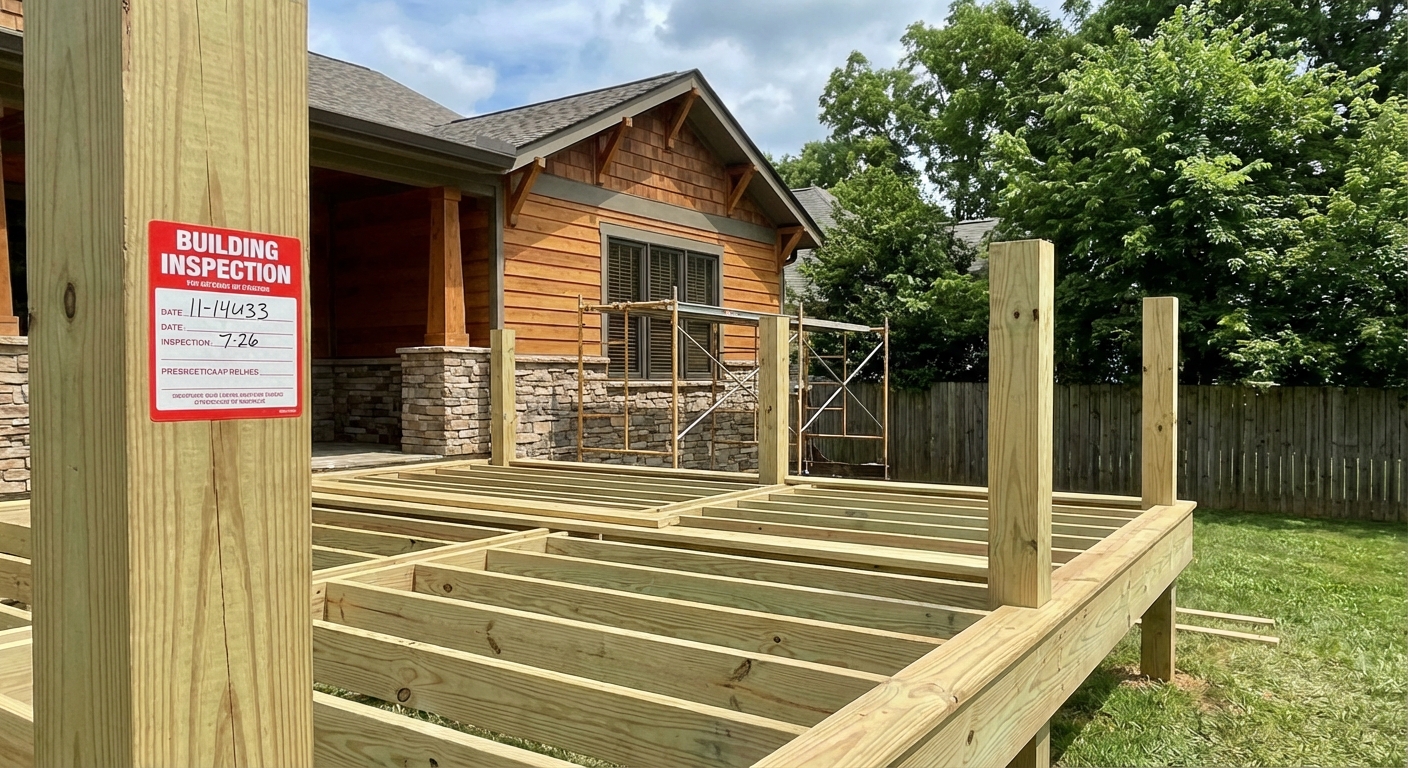
Building a deck in Nashville can significantly enhance your outdoor living space and boost your property value. But before you start hammering and sawing, you need to understand the local permitting process. This guide walks you through everything you need to know about Nashville deck permits, from requirements and costs to application procedures, ensuring your project stays compliant and stress-free.
📋 Tool Alert: Permit Checker
Do you really need a permit? Check the exact rules for your city or township.
Check Permits →Do You Need a Deck Permit in Nashville?
Looking for more regional information? Check out our Tennessee State Decking Hub.
🏗️ Planning a deck project?
Get a free manual project review, or visualize your dream deck with AI before requesting quotes.
The short answer is: likely, yes. Metro Nashville requires permits for most deck projects. Specifically, you'll need a permit if your deck is:
- Larger than 200 square feet.
- More than 30 inches above grade (ground level).
Even if your deck falls below these thresholds, it's always best to check with the Metro Nashville Codes Department to confirm. It’s better to be safe than sorry and risk fines or having to tear down your unpermitted structure. Remember that these rules are in place to ensure safety and structural integrity, protecting you and your property in the long run.
<!-- slot:after-intro -->
Nashville Deck Permit Requirements: What You'll Need
Applying for a deck permit in Nashville involves gathering specific documents and meeting certain criteria. Here's a breakdown of what you typically need:
- Site Plan: A detailed drawing of your property showing the location of your house, property lines, and the proposed deck. This must be to scale and accurately reflect existing conditions.
- Construction Drawings (Blueprints): These plans should illustrate the deck's design, dimensions, materials, and construction methods. They need to include details like post sizes, beam spans, joist spacing, and railing specifications.
- Building Permit Application: You can obtain this from the Metro Nashville Codes Department. The application will require information about you, your property, and the scope of the project.
- Proof of Ownership: A copy of your property deed or other official document demonstrating ownership.
- Soil Test (Potentially): Depending on the complexity of your deck and soil conditions, the city might require a soil test to assess load-bearing capacity.
- Homeowners Association (HOA) Approval (If Applicable): If your property is governed by an HOA, you'll need their written approval before submitting your permit application.
- Floodplain Information (If Applicable): If your property lies within a floodplain, you'll need to provide documentation showing how your deck complies with floodplain regulations. Nashville sees its fair share of heavy rainfall, so this is important.
Important Considerations for Nashville:
- Termite Treatment: Given Tennessee's high termite pressure, your plans should clearly indicate how you'll be treating the soil and wood for termite protection. This is often a requirement for permit approval.
- Drainage: Nashville receives over 50 inches of rain annually. Your deck design should incorporate proper drainage to prevent water from pooling and causing damage. This is especially critical in areas with clay soil.
- Frost Line: The frost line in Nashville is typically between 12 and 18 inches. Your deck footings must extend below this line to prevent heaving during freeze-thaw cycles.
Nashville Deck Permit Costs
The cost of a deck permit in Nashville typically ranges from $150 to $400, but this can vary depending on the size and complexity of your project. The Metro Nashville Codes Department assesses permit fees based on the estimated value of the construction.
Here's a general idea of deck material costs in Tennessee:
| Material | Cost per Square Foot (Installed) |
|-------------------|------------------------------------|
| Pressure-Treated | $22 - $40 |
| Composite | $40 - $70 |
| Cedar | $30 - $50 |
| Trex | $45 - $75 |
Remember that these are just material costs. Labor and other expenses can significantly increase the overall project price. Tennessee homeowners often invest in home improvements like decks because Tennessee has no state income tax on wages, leaving more disposable income.
How to Apply for a Nashville Deck Permit
1. Prepare Your Documents: Gather all the necessary documents outlined in the "Nashville Deck Permit Requirements" section above. Accuracy and completeness are crucial to avoid delays. Use PaperPlan (paperplan.app) to visualize your deck with PaperPlan design with different materials and layouts before committing to a contractor. This will help you create accurate construction drawings.
2. Submit Your Application: You can submit your application online through the Metro Nashville Codes Department website or in person at their office.
3. Pay the Permit Fee: You'll need to pay the permit fee at the time of application. The exact amount will be determined based on the estimated value of your project.
4. Review Process: The Codes Department will review your application and plans to ensure they comply with all applicable codes and regulations. This process can take 4-6 weeks, so be patient.
5. Corrections (If Necessary): If the reviewers find any discrepancies or require additional information, they'll notify you. Address these issues promptly and resubmit your revised plans.
6. Permit Issuance: Once your application is approved, you'll receive your deck permit. Keep this permit on-site during construction.
7. Inspections: Schedule inspections at various stages of construction, as required by the Codes Department. These inspections ensure that the work is being done according to the approved plans and codes.
Navigating Local Considerations in Nashville
Nashville's unique characteristics can impact your deck building project. Here are a few things to keep in mind:
- Neighborhood Regulations: Some neighborhoods in Nashville, such as Belle Meade or Green Hills, may have stricter HOA regulations than others. Be sure to check with your HOA before starting any work.
- Lot Sizes: Many Nashville homes have smaller lot sizes, especially in urban areas like East Nashville or The Gulch. This may limit the size and design of your deck.
- Sloped Lots: East Nashville and other areas closer to the Cumberland River often feature sloped lots. This can make deck construction more complex and require specialized designs, such as multi-level decks.
- Historic Districts: If your property is located in a historic district, such as Germantown or Downtown, you'll need to comply with additional preservation guidelines. This may restrict the materials and design of your deck.
<!-- slot:mid-content -->
Common Nashville Deck Building Mistakes to Avoid
- Failing to Obtain a Permit: Building a deck without a permit can result in hefty fines and even require you to tear down the structure.
- Ignoring HOA Regulations: Ignoring your HOA's rules can lead to disputes and costly modifications.
- Improper Drainage: Poor drainage can cause water damage and shorten the lifespan of your deck.
- Inadequate Termite Protection: Failing to protect your deck from termites can lead to significant structural damage.
- Incorrect Footing Depth: Footings that are not deep enough can cause the deck to heave and settle.
- Using Non-Compliant Materials: Using materials that don't meet building code requirements can compromise the safety and durability of your deck.
Tips for a Smooth Deck Building Process in Nashville
- Hire a Qualified Contractor: Choose a licensed and insured contractor with experience building decks in Nashville. See Best Deck Builders in Nashville: How to Find the Right Contractor for tips.
- Communicate Clearly: Maintain open communication with your contractor and the Metro Nashville Codes Department throughout the project.
- Be Patient: The permit process can take time, so be prepared to wait.
- Plan Ahead: Start planning your deck project well in advance of when you want to start building. The best build months in Nashville are March-May and September-November to avoid the summer heat and occasional winter frost.
- Consider a Screened Porch: Given Tennessee's bug population, consider a screened porch to enjoy your deck comfortably. This is a popular feature in the area.
<!-- slot:before-faq -->
Building a deck in Nashville can be a rewarding experience that enhances your home and lifestyle. By understanding the local permit requirements, costs, and considerations, you can ensure a smooth and successful project. Remember to plan ahead, work with qualified professionals, and prioritize safety and compliance.
<!-- slot:end -->
🎨 Not sure which material to pick?
Upload a photo of your backyard and see exactly how Trex, TimberTech, or cedar would look — free and instant.
Frequently Asked Questions
Do I need a permit to replace decking boards on an existing deck?
Generally, if you are only replacing the decking boards and not altering the structure of the deck, you may not need a permit. However, it's always best to check with the Metro Nashville Codes Department to confirm, especially if you are changing materials or making any other modifications.
How long does it take to get a deck permit in Nashville?
The review process for a deck permit in Nashville typically takes 4-6 weeks. However, this can vary depending on the complexity of your project and the workload of the Codes Department.
What happens if I build a deck without a permit in Nashville?
Building a deck without a permit can result in fines, stop-work orders, and even require you to tear down the structure. It's always best to obtain the necessary permits before starting any construction.
How close to my property line can I build a deck in Nashville?
The setback requirements for decks in Nashville vary depending on the zoning district and the specific property. Consult the Metro Nashville Zoning Code or contact the Codes Department for detailed information about setback requirements.
What are the common deck inspection points in Nashville?
Common inspection points include:
- Footing Inspection: Before pouring concrete for the footings.
- Framing Inspection: After the deck framing is complete but before decking is installed.
- Final Inspection: After the deck is fully completed, including railings and stairs.
Be sure to schedule these inspections with the Metro Nashville Codes Department.
How Much Does a Deck Cost in Tennessee? Complete 2026 Guide
Do You Need a Deck Permit in Tennessee? State & City Rules Explained
Best Deck Builders in Nashville: How to Find the Right Contractor
📋 Planning a deck project?
Get a free manual project review from our team — no obligation, no spam.
Get Free Project Review →Upload a backyard photo and preview real decking materials with AI — free, instant, no sign-up.
Permits, costs, material comparisons, and questions to ask before requesting quotes — delivered to your inbox.