
Deck Maintenance in Tennessee Humidity (2026)
Tennessee's humidity destroys decks. Learn essential maintenance tips: cleaning, sealing, repairs, & choosing the right materials to protect your investment.
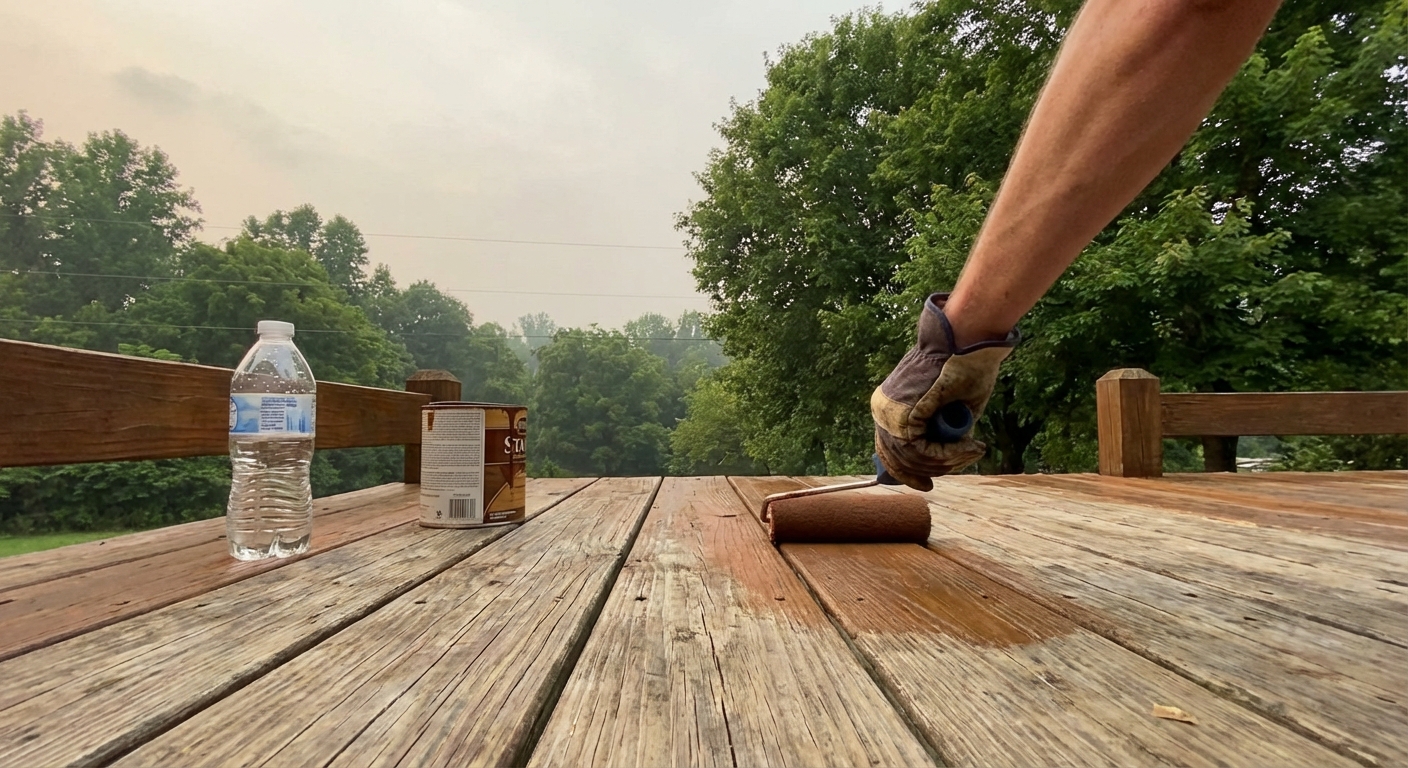
Are you noticing your deck looking worse for wear after a hot, humid Tennessee summer? The combination of heat, moisture, and occasional freezing temperatures can wreak havoc on your outdoor living space. Because Tennessee has no state income tax on wages, many homeowners choose to invest those savings into home improvements like decks. Protecting that investment requires consistent maintenance tailored to our unique climate.
📅 Tool Alert: Maintenance Planner
Get a custom seasonal maintenance schedule to protect your investment for decades.
Plan Maintenance →This guide provides actionable steps to maintain your deck, prevent costly repairs, and ensure it lasts for years to come, whether you're in Nashville, Memphis, Knoxville, or anywhere in between.
Looking for more regional information? Check out our Tennessee State Decking Hub.
Understanding Tennessee's Deck-Damaging Climate
Tennessee's climate is a double-edged sword. We enjoy mild winters, but summers are notoriously hot and humid. This constant cycle of moisture and temperature fluctuations is tough on decks. Here's a breakdown:
🏗️ Planning a deck project?
Get a free manual project review, or visualize your dream deck with AI before requesting quotes.
- High Humidity: Tennessee's humidity often exceeds 60%, creating a breeding ground for mold, mildew, and wood rot. This is especially problematic in shaded areas.
- Significant Rainfall: With over 50 inches of rain annually, proper drainage is crucial. Standing water accelerates wood decay and can damage your deck's foundation.
- Temperature Swings: Hot summers (averaging 85-95°F) cause wood to expand, while occasional winter freezes cause it to contract. This constant movement weakens joints and can lead to cracks and splinters.
- Pest Pressure: Tennessee is termite territory. Ground contact treatment and proper construction are vital for preventing infestations that can compromise your deck's structural integrity.
<!-- slot:after-intro -->
Essential Deck Maintenance Tasks
Regular maintenance is the key to extending the life of your deck in Tennessee. Here's a schedule you can follow:
Spring Cleaning & Inspection (March-April)
After winter, thoroughly inspect your deck for any signs of damage. This is the ideal time to address minor issues before they escalate.
- Cleaning: Use a deck cleaner specifically designed for your deck material (wood or composite). Power washing can be effective, but be cautious with pressure settings to avoid damaging the wood. For wood decks, use a cleaner with mildewcide.
- Inspection: Check for:
* Loose or popped nails/screws: Replace or re-secure them.
* Cracks or splinters: Sand down rough areas and apply wood filler if necessary.
* Rotting wood: Probe suspicious areas with a screwdriver. If the wood is soft and easily penetrated, it's rotting and needs replacement.
* Loose railings or stairs: Tighten connections and replace any damaged components.
* Foundation issues: Look for signs of settling or shifting, especially in East Tennessee's hilly terrain. The limestone bedrock common in Middle Tennessee (Nashville, Franklin, Murfreesboro) can also present footing challenges.
* Termite activity: Look for mud tubes or damaged wood. If you suspect termites, call a professional pest control service immediately.
- Drainage: Ensure that water drains properly away from your deck and foundation. Clear any debris from gutters and downspouts.
Summer Maintenance (June-August)
Focus on preventing moisture damage and protecting your deck from the intense sun.
- Regular Sweeping: Remove leaves, dirt, and debris that can trap moisture.
- Spot Cleaning: Address spills and stains immediately to prevent them from setting in.
- UV Protection: Consider applying a UV-resistant sealant or stain to protect your deck from fading and cracking. The best deck stain for Tennessee weather will contain UV inhibitors and mildewcides. See our guide on Best Deck Stain for Tennessee Weather: Durability & Tips for recommendations.
- Inspect for Bugs: Check for carpenter bees drilling holes and take action to deter them.
Fall Preparations (September-October)
Prepare your deck for the upcoming winter months. The best build months in Tennessee are March-May and September-November, so you can take advantage of the pleasant weather for these tasks.
- Deep Cleaning: Give your deck a thorough cleaning to remove any accumulated dirt and grime.
- Sealing/Staining: Apply a fresh coat of sealant or stain to protect the wood from moisture and freezing temperatures. This is particularly important before winter.
- Leaf Removal: Keep your deck clear of leaves to prevent moisture buildup and potential mold growth.
- Winterization: If you have outdoor furniture, cover it or store it in a shed or garage.
Winter Monitoring (November-February)
While maintenance is minimal during winter, keep an eye out for any potential problems.
- Snow Removal: Gently remove snow from your deck to prevent excessive weight and potential damage. Avoid using salt, as it can damage wood and concrete.
- Ice Removal: Use sand or kitty litter for traction on icy surfaces.
- Inspect After Storms: Check for any damage after severe weather events.
Choosing the Right Materials for Tennessee Decks
The type of material you choose for your deck significantly impacts its longevity and maintenance requirements. Here's a comparison of common decking materials and their suitability for Tennessee's climate:
| Material | Cost (Installed per sq ft) | Pros | Cons | Maintenance Needs |
| ----------------- | ---------------------------- | ------------------------------------------------------------------------------------------------------------------------------------------------------------------------------------------------------------------- | ------------------------------------------------------------------------------------------------------------------------------------------------------------------------------------------------ | ------------------------------------------------------------------------------------------------------------------------------------------------------------ |
| Pressure-Treated | $22-40 | Affordable, readily available, resistant to rot and insects (when properly treated). | Can warp, crack, and splinter over time. Requires regular sealing and staining. | Annual cleaning and sealing/staining every 2-3 years. |
| Composite | $40-70 | Low-maintenance, durable, resistant to rot, insects, and fading. Available in various colors and styles. | More expensive than pressure-treated wood. Can get hot in direct sunlight. Some composite materials are prone to staining. | Regular cleaning with soap and water. Occasional power washing may be needed. |
| Cedar | $30-50 | Naturally resistant to rot and insects, beautiful appearance, dimensionally stable. | More expensive than pressure-treated wood. Requires regular sealing to prevent weathering and graying. Softer wood can dent and scratch more easily. | Annual cleaning and sealing/staining every 2-3 years. |
| Trex (Composite) | $45-75 | Very low maintenance, highly durable, resistant to fading, scratching, and staining. Made from recycled materials. | One of the most expensive decking options. Can get very hot in direct sunlight. | Regular cleaning with soap and water. |
When choosing decking materials, consider your budget, maintenance preferences, and aesthetic goals. If you're looking for low-maintenance options, composite decking like Trex is a good choice, despite the higher upfront cost. For a more budget-friendly option, pressure-treated wood is a viable option, but be prepared for more frequent maintenance.
Use PaperPlan (paperplan.app) to visualize your deck with PaperPlan design with different materials and layouts before committing to a contractor. This can help you make an informed decision based on aesthetics, budget, and maintenance considerations.
<!-- slot:mid-content -->
Addressing Common Deck Problems in Tennessee
Tennessee's climate can cause specific problems for decks. Here's how to address them:
Mold and Mildew Growth
- Prevention: Ensure proper ventilation around your deck. Trim back any shrubs or trees that are blocking airflow. Use a deck cleaner with mildewcide regularly.
- Treatment: Scrub affected areas with a mixture of water and bleach (1 part bleach to 3 parts water). Rinse thoroughly and allow to dry completely. Apply a mildew-resistant sealant or stain.
Wood Rot
- Prevention: Proper drainage is crucial. Ensure that water doesn't pool on your deck or around the foundation. Regularly inspect for signs of rot and address them promptly.
- Treatment: Remove the rotted wood and replace it with new, treated lumber. Treat the surrounding wood with a wood preservative to prevent further rot.
Termite Infestation
- Prevention: Use treated lumber for all deck components, especially those in contact with the ground. Ensure proper drainage to prevent moisture buildup, which attracts termites. Metal post bases are essential to prevent ground contact.
- Treatment: If you suspect termites, call a professional pest control service immediately. They can assess the extent of the infestation and recommend the appropriate treatment.
Cracking and Splintering
- Prevention: Regularly seal or stain your deck to protect the wood from moisture and UV damage.
- Treatment: Sand down rough areas and apply wood filler to repair cracks and splinters. Apply a fresh coat of sealant or stain.
Building Codes and Permits in Tennessee
Before building or significantly altering your deck, it's essential to check with your local building department to ensure you comply with all applicable codes and regulations. Most Tennessee cities require permits for decks over 200 sqft or 30 inches above grade.
Here are some specific permit offices in major Tennessee cities:
- Franklin: City of Franklin Building & Codes Dept
- Murfreesboro: Murfreesboro Planning & Codes
- Clarksville: Clarksville Building & Codes
- Johnson City: Johnson City Building Division
Failure to obtain the necessary permits can result in fines and delays.
<!-- slot:before-faq -->
Deck Design Considerations for Tennessee Homes
Tennessee's diverse landscape and climate influence deck design. Here are some popular features:
- Screened Porches: These are highly desirable due to Tennessee's bug population. A screened porch allows you to enjoy your outdoor space without being bothered by insects. Read more in our guide: Screened Porch vs. Open Deck in Tennessee: Which Is Better?
- Covered Decks: These provide shade and protection from the rain, extending your deck's usability. Explore Covered Deck Ideas for Tennessee: Beat the Heat & Rain for inspiration.
- Multi-Level Decks: Common in East Tennessee's hilly terrain, these decks create distinct outdoor living areas and maximize space on sloped lots.
- Low-Maintenance Materials: Composite decking and metal railings are popular choices for homeowners who want to minimize upkeep.
Remember that termite pressure is significant in Tennessee. Always ensure ground contact treatment and use metal post bases to protect your deck's structure. For inspiration, see Tennessee Deck Design Ideas: Inspiration for Every Budget.
<!-- slot:end -->
🎨 Not sure which material to pick?
Upload a photo of your backyard and see exactly how Trex, TimberTech, or cedar would look — free and instant.
Frequently Asked Questions
How often should I seal my wood deck in Tennessee?
You should seal your wood deck every 2-3 years, depending on the type of sealant used and the level of exposure to the elements. Check the sealant manufacturer's recommendations for specific guidance.
What's the best way to clean mold and mildew off my deck?
Scrub the affected areas with a mixture of water and bleach (1 part bleach to 3 parts water). Rinse thoroughly and allow to dry completely. Apply a mildew-resistant sealant or stain to prevent future growth. Consider using a deck cleaner with mildewcide for regular cleaning.
How can I prevent my composite deck from getting too hot in the summer?
Choose lighter colors for your composite decking, as they absorb less heat. Consider adding shade structures like pergolas or awnings. You can also use outdoor rugs or mats to provide a cooler surface for your feet.
What should I do if I find termites in my deck?
Contact a professional pest control service immediately. They can assess the extent of the infestation and recommend the appropriate treatment. Early detection is crucial to prevent significant damage.
How deep should my deck footings be in Tennessee?
Deck footings in Tennessee should extend below the frost line, which is typically 12-18 inches in most areas. Check with your local building department for specific requirements in your area.
📋 Planning a deck project?
Get a free manual project review from our team — no obligation, no spam.
Get Free Project Review →Upload a backyard photo and preview real decking materials with AI — free, instant, no sign-up.
Permits, costs, material comparisons, and questions to ask before requesting quotes — delivered to your inbox.