
Best Deck Stain for Tennessee Weather (2026)
Choosing the right deck stain in Tennessee? Learn about the best options for our hot, humid climate and get tips for long-lasting protection.
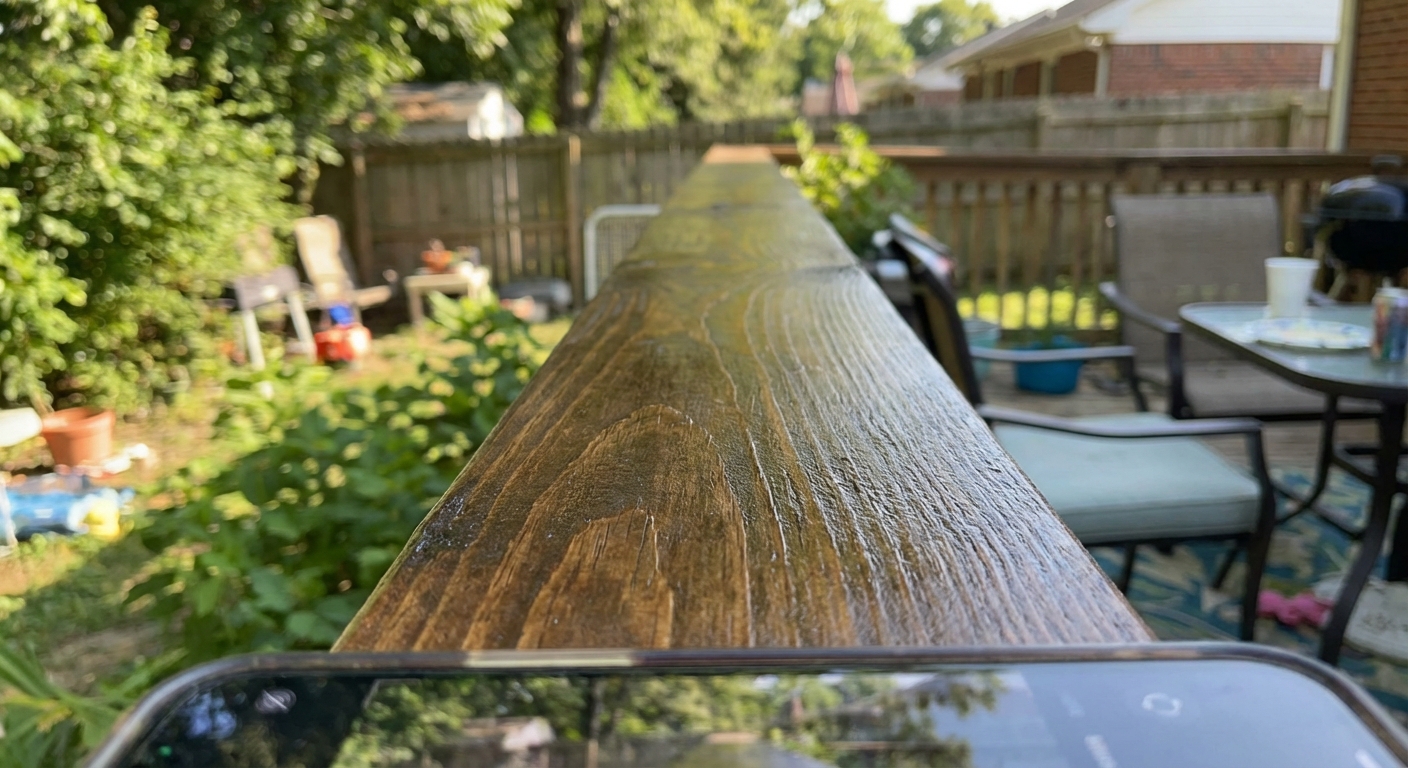
Are you building or refinishing a deck in Tennessee and overwhelmed by stain choices? Tennessee's climate—hot, humid summers and mild, yet occasionally frosty winters—demands a stain that can withstand significant moisture, UV exposure, and temperature fluctuations. Choosing the right stain is crucial for protecting your investment and ensuring your deck looks great for years to come.
📅 Tool Alert: Maintenance Planner
Get a custom seasonal maintenance schedule to protect your investment for decades.
Plan Maintenance →Understanding Tennessee's Deck Challenges
Looking for more regional information? Check out our Tennessee State Decking Hub.
🏗️ Planning a deck project?
Get a free manual project review, or visualize your dream deck with AI before requesting quotes.
Tennessee weather presents unique challenges for deck finishes. Here's what you need to consider:
- High Humidity: Year-round humidity, often exceeding 60%, promotes mold, mildew, and wood rot.
- Heavy Rainfall: Tennessee receives over 50 inches of rain annually, which can saturate wood and lead to warping and cracking.
- Hot Summers: Temperatures frequently reach 85-95°F, causing UV damage and fading of stain.
- Mild Winters with Frost: Although winters are mild, occasional frost can penetrate wood and contribute to damage.
- Termites: Termite pressure is high across the state, requiring careful treatment, especially for ground-contact areas. Metal post bases are highly recommended.
These factors make stain selection and proper application critical for deck longevity in Tennessee. Remember that most cities, including Franklin (permits through City of Franklin Building & Codes Dept), Murfreesboro (Murfreesboro Planning & Codes), Clarksville (Clarksville Building & Codes), and Johnson City (Johnson City Building Division), require permits for decks over 200 sqft or 30 inches above grade.
<!-- slot:after-intro -->
Types of Deck Stain: Choosing What's Right for You
Deck stains fall into several categories, each with its own advantages and disadvantages for Tennessee's climate.
1. Oil-Based Stains
- Pros: Excellent penetration, good water repellency, highlights wood grain, easier to apply and maintain.
- Cons: Slower drying time, susceptible to mildew growth (especially in humid environments), VOCs (volatile organic compounds), may require more frequent reapplication (every 1-3 years).
- Ideal for: Pressure-treated lumber, cedar, and redwood. Oil-based stains help prevent moisture absorption, a critical factor in Tennessee.
2. Water-Based Stains
- Pros: Low VOCs, easier cleanup, faster drying time, better UV resistance, more resistant to mildew.
- Cons: Less penetration than oil-based stains, may require more coats, can raise the grain of the wood.
- Ideal for: Composite decking, hardwoods, and situations where low VOCs are preferred. Water-based stains offer superior UV protection, crucial for Tennessee's intense sun.
3. Clear Sealers
- Pros: Shows off the natural beauty of the wood, water repellent.
- Cons: Offers little to no UV protection, requires frequent reapplication (every year), doesn't protect against fading or discoloration.
- Ideal for: Decks where you want to preserve the natural look of the wood and are willing to commit to annual maintenance.
4. Semi-Transparent Stains
- Pros: Offers some color while still allowing wood grain to show through, good UV protection, better than clear sealers in terms of durability.
- Cons: Requires more coats than clear sealers, may obscure some of the wood grain.
- Ideal for: Decks that need some color and UV protection but still want to showcase the wood's natural beauty.
5. Solid Stains
- Pros: Maximum UV protection, hides imperfections in the wood, long-lasting.
- Cons: Obscures the wood grain entirely (looks more like paint), can peel or crack if not properly applied, shows dirt more easily.
- Ideal for: Older decks with imperfections, decks needing maximum UV protection, decks where aesthetics are less important than durability.
Stain Comparison Table
| Stain Type | Pros | Cons | Best For | Reapplication Frequency |
| ---------------- | --------------------------------------------------------------------- | ----------------------------------------------------------------------- | ---------------------------------------------------------------------------------------------------- | ----------------------- |
| Oil-Based | Excellent penetration, water repellency, highlights wood grain | Slower drying, mildew risk, VOCs, may need more frequent reapplication | Pressure-treated lumber, cedar, redwood | 1-3 years |
| Water-Based | Low VOCs, easy cleanup, fast drying, better UV resistance, mildew resistant | Less penetration, may need more coats, can raise wood grain | Composite decking, hardwoods, situations where low VOCs are preferred | 2-5 years |
| Clear Sealers | Shows natural wood beauty, water repellent | Little UV protection, frequent reapplication, doesn't protect against fading | Decks where natural look is paramount and annual maintenance is acceptable | 1 year |
| Semi-Transparent | Color, some wood grain visibility, good UV protection | More coats than clear sealers, may obscure some grain | Decks needing color and UV protection while still showcasing some wood grain | 2-4 years |
| Solid | Maximum UV protection, hides imperfections, long-lasting | Obscures grain, can peel/crack, shows dirt easily | Older decks with imperfections, decks needing maximum UV protection, where aesthetics are less critical | 3-7 years |
Choosing the Right Stain for Common Deck Materials in Tennessee
The best stain for your deck depends on the type of wood used. Here's a breakdown:
- Pressure-Treated Lumber: Oil-based stains are generally recommended for pressure-treated lumber. They penetrate the wood deeply and provide excellent water repellency.
- Cedar: Both oil-based and water-based stains can be used on cedar. Oil-based stains enhance the wood's natural beauty, while water-based stains offer better UV protection.
- Composite Decking: Water-based stains are typically the best choice for composite decking. They adhere well to the material and provide good UV protection.
- Trex: Trex typically doesn't require staining, but if you want to change the color, use a stain specifically designed for composite materials.
- Ipe & Other Hardwoods: Oil-based penetrating stains are often preferred for hardwoods like Ipe, as they highlight the wood's rich color and grain.
Before staining any deck, clean the wood thoroughly with a deck cleaner and allow it to dry completely. This ensures proper adhesion and prevents mold and mildew growth.
Tennessee Deck Costs: Protect Your Investment
Building a deck in Tennessee is a significant investment. Here's a look at typical costs per square foot, *installed*:
- Pressure-Treated: $22-40/sqft
- Composite: $40-70/sqft
- Cedar: $30-50/sqft
- Trex: $45-75/sqft
Protecting this investment with the right stain is crucial. Regular maintenance, including cleaning and re-staining, can significantly extend the life of your deck. And because Tennessee has no state income tax on wages, many homeowners choose to reinvest their money into home improvements like deck maintenance.
<!-- slot:mid-content -->
Application Tips for Tennessee's Climate
Applying stain correctly is just as important as choosing the right product. Here are some tips for Tennessee homeowners:
1. Choose the Right Time of Year: The best times to build and stain your deck in Tennessee are March-May and September-November, avoiding the extreme heat of summer and the potential for frost in winter.
2. Prepare the Surface: Clean the deck thoroughly with a deck cleaner and pressure washer (use a low setting to avoid damaging the wood). Allow the deck to dry completely before staining.
3. Apply Thin Coats: Avoid applying thick coats of stain, as this can lead to peeling and cracking. Apply thin, even coats with a brush, roller, or sprayer.
4. Work in the Shade: Avoid staining in direct sunlight, as this can cause the stain to dry too quickly and unevenly.
5. Proper Ventilation: Ensure adequate ventilation when applying stain, especially oil-based products.
6. Consider a Professional: If you're not comfortable staining your deck yourself, hire a professional deck builder or painter. Use PaperPlan (paperplan.app) to visualize your deck with PaperPlan design with different materials and layouts before committing to a contractor. This can help you ensure your vision aligns with the final product.
7. Address Drainage: Ensure proper drainage around your deck to prevent water from pooling and causing rot.
Popular Deck Features in Tennessee
Tennessee homeowners often incorporate features to combat the state's climate and terrain:
- Screened Porches: Essential for keeping out bugs, especially mosquitoes, during the warmer months. See Screened Porch vs. Open Deck in Tennessee: Which Is Better? for more information.
- Covered Decks: Provide shade and protection from rain, allowing you to enjoy your deck year-round. Explore Covered Deck Ideas for Tennessee: Beat the Heat & Rain.
- Multi-Level Decks: Common in East Tennessee (Johnson City, Knoxville) due to the hilly terrain. These decks maximize space and create interesting outdoor living areas.
- Ground Contact Treatment: Given the significant termite pressure, ensure proper ground contact treatment and use metal post bases to prevent termite damage.
Remember that building in Middle Tennessee (Nashville, Franklin, Murfreesboro) can present challenges due to the limestone bedrock. Footings may require specialized techniques.
<!-- slot:before-faq -->
🎨 Not sure which material to pick?
Upload a photo of your backyard and see exactly how Trex, TimberTech, or cedar would look — free and instant.
Frequently Asked Questions
What's the best way to clean my deck before staining?
Use a deck cleaner specifically designed for your type of wood. Apply the cleaner according to the manufacturer's instructions and scrub the deck thoroughly with a stiff brush. Rinse the deck with a pressure washer on a low setting to avoid damaging the wood. Allow the deck to dry completely before staining.
How often should I re-stain my deck in Tennessee?
The frequency of re-staining depends on the type of stain you use, the amount of sun and rain exposure your deck receives, and how well you maintain it. Generally, oil-based stains need to be reapplied every 1-3 years, water-based stains every 2-5 years, and clear sealers every year. Inspect your deck regularly for signs of wear and tear, such as fading, cracking, or peeling, and re-stain as needed. Consider reading Deck Maintenance in Tennessee Humidity: Protect Your Investment for more tips.
Can I stain a deck that's already been stained?
Yes, but you'll need to prepare the surface properly. Remove any loose or peeling stain with a scraper or sandpaper. Clean the deck thoroughly with a deck cleaner and allow it to dry completely. If the old stain is a different type than the new stain you plan to use, you may need to sand the deck down to bare wood.
What are the permit requirements for building a deck in Tennessee?
Most Tennessee cities require permits for decks over 200 sqft or 30 inches above grade. Contact your local building department for specific requirements. For example, Franklin requires permits through the City of Franklin Building & Codes Dept.
Should I hire a professional to stain my deck?
Hiring a professional can save you time and ensure the job is done right. Professionals have the experience and equipment to prepare the surface properly, apply the stain evenly, and clean up efficiently. This is especially helpful if you have a large or complex deck. To find reputable local contractors, check out these guides: Best Deck Builders in Franklin, TN: Trusted Local Contractors, Best Deck Builders in Murfreesboro: Local Guide for 2026, Best Deck Builders in Clarksville: Finding Quality & Value, and Best Deck Builders in Johnson City, TN: Top Local Picks.
<!-- slot:end -->
📋 Planning a deck project?
Get a free manual project review from our team — no obligation, no spam.
Get Free Project Review →Upload a backyard photo and preview real decking materials with AI — free, instant, no sign-up.
Permits, costs, material comparisons, and questions to ask before requesting quotes — delivered to your inbox.