
Best Time to Build a Deck in Texas (2026)
Find the best time to build a deck in Texas! Our season-by-season guide covers weather, costs, permits, and materials to help you plan your perfect outdoor space.
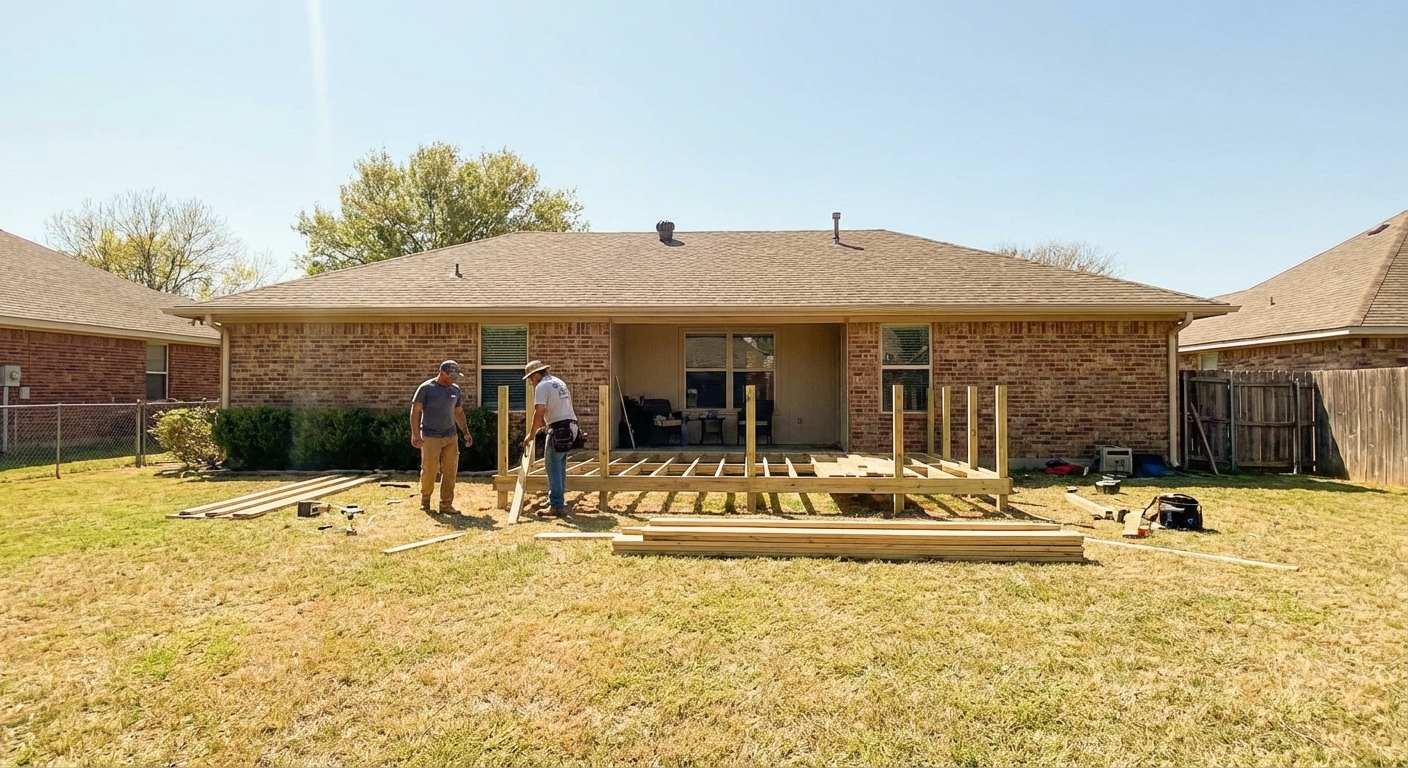
Are you dreaming of a new deck to enjoy those Texas sunsets? Figuring out the right time to build is crucial for both your comfort and your budget. Texas weather can be extreme, impacting everything from material costs to contractor availability. This guide breaks down the best and worst times to build a deck in Texas, season by season, so you can make an informed decision.
Spring (March - May): A Popular, But Potentially Rainy, Choice
Looking for more regional information? Check out our Texas State Decking Hub.
🏗️ Planning a deck project?
Get a free manual project review, or visualize your dream deck with AI before requesting quotes.
Spring in Texas is generally pleasant, with temperatures rising and flowers blooming. This makes it a popular time for outdoor projects like deck building. However, spring also brings its fair share of rain, which can delay construction.
- Pros:
* Moderate temperatures make working outdoors more comfortable for contractors, potentially leading to faster completion times.
* Ideal weather for staining and sealing your new deck.
* You'll have your deck ready to enjoy for the summer months.
- Cons:
* Increased demand for contractors can lead to higher prices and longer wait times.
* Rainy weather can cause delays and extend the project timeline.
* Lumber prices may be slightly higher due to increased demand.
Permit Considerations: If you're in Austin, be aware that permit processing through Austin Development Services can be notoriously slow, potentially taking 8-12 weeks. Applying early in the spring is crucial to avoid delays. In Dallas, expect to pay between $200-500 for a deck permit through Dallas Development Services.
<!-- slot:after-intro -->
Summer (June - August): Avoid the Peak Heat
Texas summers are known for their scorching heat, with temperatures often soaring between 95-105°F. Building a deck during this time can be challenging for both you and your construction crew. The intense UV exposure can also be hard on certain decking materials.
- Pros:
* Potentially lower contractor prices due to decreased demand.
* Long daylight hours can allow for quicker project completion (if the heat isn't too oppressive).
- Cons:
* Extreme heat makes working outdoors uncomfortable and potentially dangerous.
* Composite decking can become extremely hot to the touch. Surface temperatures can exceed 150°F in direct sunlight, making it unusable during the day. Consider lighter colors to mitigate this.
* Intense sun can fade or damage certain decking materials, especially wood.
* Contractors may be less willing to work long hours due to the heat.
Material Considerations: Choosing the right decking material is critical in the Texas heat. While composite decking is popular for its low maintenance, remember its high surface temperature potential. Lighter-colored composite options are advisable. Also, use PaperPlan (paperplan.app) to visualize your deck with PaperPlan design with different materials and layouts before committing to a contractor, helping you make the best choice for the Texas climate. Consider the pros and cons of composite vs. wood in our article: Trex vs TimberTech in Texas: Which Composite Deck Is Better?.
Fall (September - November): The Sweet Spot for Deck Building
Fall is arguably the best time to build a deck in Texas. The weather is cooler and more comfortable, and contractors are typically less busy than in the spring.
- Pros:
* Pleasant temperatures for working outdoors.
* Lower contractor prices and shorter wait times.
* Ideal weather for staining and sealing wood decks.
* Plenty of time to enjoy your new deck before winter arrives.
- Cons:
* Occasional rain showers can cause minor delays.
* You might need to compete with other homeowners rushing to complete outdoor projects before the holidays.
Cost Savings: With no state income tax in Texas, homeowners often have more disposable income to invest in home improvements. However, managing your budget is still important. Fall can offer some cost advantages.
Here's a general cost breakdown for different decking materials in Texas (installed):
| Material | Cost per Square Foot (Installed) |
|---------------------|------------------------------------|
| Pressure-Treated | $25-45 |
| Cedar | $35-55 |
| Composite | $45-75 |
| Trex | $50-80 |
| Ipe (Brazilian Walnut) | $60-100 |
These prices can fluctuate depending on your location (e.g., Houston vs. San Antonio), the complexity of the design, and contractor rates. Consult our detailed guide: How Much Does a Deck Cost in Texas? Complete 2026 Guide.
Winter (December - February): Budget-Friendly, But Watch the Weather
Winter in Texas is generally mild, but occasional cold snaps and freezing temperatures can occur. While it's not the most popular time for deck building, it can offer some advantages.
- Pros:
* Lowest contractor prices due to decreased demand.
* Quickest project completion times.
* Excellent opportunity to get your deck ready for the spring.
- Cons:
* Potential for weather-related delays (ice, snow, or heavy rain).
* Some materials may be more difficult to work with in cold temperatures.
* Less daylight hours can slow down the construction process.
Foundation Considerations: The frost line in most of Texas is relatively shallow, typically only 6-12 inches. This means your deck footings don't need to be as deep as in colder climates, potentially saving you money.
<!-- slot:mid-content -->
Location-Specific Considerations in Texas
Texas is a large state with diverse climates. Here's how different regions might affect your deck-building timeline:
- Houston/Gulf Coast: High humidity and the risk of hurricanes require extra attention to moisture protection and structural integrity. Termites are also a major concern. Consider pressure-treated lumber specifically treated for ground contact or termite-resistant composite decking. Remember that Houston has no zoning laws, but you still need permits from the City of Houston Permitting Center.
- Dallas/Fort Worth: Expect temperature extremes, with hot summers and occasional freezing winters. Choose durable materials that can withstand these fluctuations. Check out our local guide: Deck Cost in Dallas: What Homeowners Are Paying in 2026.
- Austin/Central Texas: Similar to Dallas, but with potentially longer permit processing times. Plan accordingly, as the Austin Development Services can take 8-12 weeks. More details are in our Austin-specific permit guide: Austin Deck Permit: Everything Homeowners Need to Know.
- San Antonio/South Texas: Hot and dry summers, with mild winters. Focus on UV-resistant materials and water conservation. San Antonio permits are generally processed relatively quickly through the Development Services Dept.
Popular Deck Features in Texas
Texans love to customize their outdoor spaces. Here are some popular deck features to consider:
- Covered Decks: Provide shade and protection from the elements, extending the usability of your deck throughout the year.
- Outdoor Kitchens: Perfect for grilling and entertaining, especially during those pleasant fall evenings.
- Pool Decks: Create a seamless transition between your pool and your outdoor living area.
- Shade Structures: Pergolas, arbors, and retractable awnings can provide much-needed relief from the Texas sun.
Permits and Regulations
Most Texas cities require permits for decks exceeding 200 square feet or 30 inches above grade. Check with your local building department for specific requirements.
- Houston: City of Houston Permitting Center.
- Dallas: Dallas Development Services.
- Austin: Austin Development Services.
- San Antonio: Development Services Department.
Failing to obtain the necessary permits can result in fines and delays. See our comprehensive guide: Do You Need a Deck Permit in Texas? State & City Rules Explained.
<!-- slot:before-faq -->
Choosing the Right Contractor
Finding a reputable and experienced contractor is crucial for a successful deck-building project.
- Get multiple bids: Compare prices and services from at least three different contractors.
- Check references: Ask for references from previous clients and follow up with them.
- Verify licenses and insurance: Ensure the contractor is licensed and insured to work in your area.
- Read reviews: Check online reviews on sites like Google, Yelp, and the Better Business Bureau.
- Get a written contract: The contract should clearly outline the scope of work, materials, payment schedule, and warranty information.
<!-- slot:end -->
🎨 Not sure which material to pick?
Upload a photo of your backyard and see exactly how Trex, TimberTech, or cedar would look — free and instant.
Frequently Asked Questions
What is the cheapest time of year to build a deck in Texas?
The cheapest time to build a deck in Texas is typically during the winter months (December-February) when demand for contractors is lower. You might also find better deals on materials during this time.
How long does it take to build a deck in Texas?
The timeframe for building a deck in Texas depends on the size and complexity of the project, as well as weather conditions and permit processing times. A simple deck can be completed in a week or two, while a larger, more complex deck with custom features could take several weeks.
What decking material is best for the Texas climate?
The best decking material for the Texas climate depends on your budget and preferences. Pressure-treated lumber is a cost-effective option, while composite decking offers low maintenance and durability. Cedar is a beautiful natural wood option, but requires more maintenance. Consider the heat resistance of composite options.
Do I need a permit to build a deck in Texas?
Most Texas cities require permits for decks over 200 sqft or 30 inches above grade. Contact your local building department to determine the specific requirements in your area.
What are some popular deck design trends in Texas?
Popular deck design trends in Texas include covered decks, outdoor kitchens, pool decks, shade structures, and multi-level decks. Many homeowners are also incorporating features like built-in seating, fire pits, and outdoor lighting to create inviting and functional outdoor spaces.
📋 Planning a deck project?
Get a free manual project review from our team — no obligation, no spam.
Get Free Project Review →Upload a backyard photo and preview real decking materials with AI — free, instant, no sign-up.
Permits, costs, material comparisons, and questions to ask before requesting quotes — delivered to your inbox.