
Texas Deck Permit Guide 2026: Costs, Rules & City Requirements
Do you need a deck permit in Texas? Complete 2026 guide covering permit costs ($75–$500), height rules, setbacks, and requirements for Houston, Dallas, Austin, San Antonio & 20+ cities.
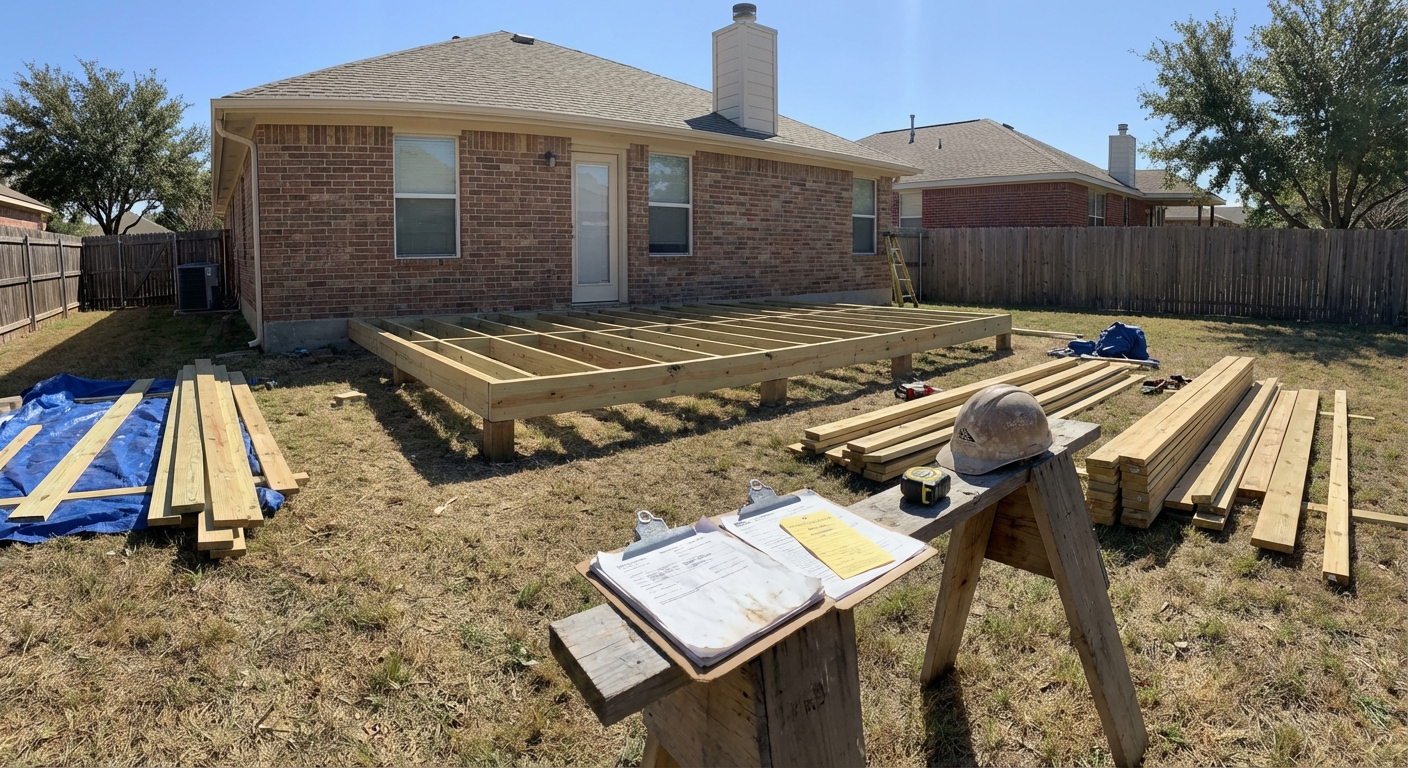
Thinking about building a new deck or upgrading an existing one on your Texas property? Before you start hammering and sawing, it's crucial to understand the rules around deck permits. Building without the proper permits can lead to hefty fines, project delays, and even forced demolition. This guide will walk you through the essential information you need to navigate deck permit requirements in the Lone Star State, focusing on major cities like Houston, Dallas, Austin, and San Antonio.
📋 Tool Alert: Permit Checker
Do you really need a permit? Check the exact rules for your city or township.
Check Permits →Texas Deck Permit Basics: When Do You Need One?
Looking for more regional information? Check out our Texas State Decking Hub.
🏗️ Planning a deck project?
Get a free manual project review, or visualize your dream deck with AI before requesting quotes.
Texas doesn't have a statewide building code governing deck construction. Instead, permit requirements are determined at the city and county level. This means the rules can vary significantly depending on where you live.
Generally, you'll need a permit if your deck meets certain criteria. The most common triggers are:
- Size: Decks exceeding a certain square footage. Many cities use 200 sqft as a threshold.
- Height: Decks built a certain distance above the ground. Often, if the deck surface is more than 30 inches above grade, a permit is required.
- Structural Elements: Decks that are attached to your house, have a roof or other covering, or require significant excavation and foundation work.
Even if your deck falls below these thresholds, it's *always* best to check with your local permitting office. They can provide the most accurate and up-to-date information for your specific location.
<!-- slot:after-intro -->
Navigating Deck Permit Requirements in Major Texas Cities
Let's take a closer look at the specific permit requirements in some of Texas's largest cities:
Houston Deck Permits
Houston is unique because it doesn't have traditional zoning regulations. However, you *absolutely* need to obtain the necessary permits from the City of Houston Permitting Center before building your deck. The city will review your plans to ensure they comply with building codes and safety standards. Contact the permitting center directly or visit their website for the most current requirements.
Dallas Deck Permits
In Dallas, you'll need to go through Dallas Development Services to obtain a deck permit. Expect to pay fees, which typically range from $200 to $500, depending on the size and complexity of your project. Make sure your deck plans are detailed and accurate to avoid delays in the approval process.
Austin Deck Permits
Austin is known for its vibrant culture and… its notoriously slow permitting process. Applying for a deck permit through Austin Development Services can take 8-12 weeks or even longer. Be prepared to be patient and submit all required documentation accurately the first time. The city has specific requirements for deck construction, especially regarding environmental protection and tree preservation.
San Antonio Deck Permits
San Antonio's Development Services Department handles deck permits. Compared to Austin, the permitting process in San Antonio is generally considered to be faster and more efficient. However, you still need to ensure your plans comply with all local building codes and regulations.
Cost of Building a Deck in Texas
Texas homeowners often invest in outdoor living spaces, partly because the state has no state income tax, leaving more disposable income for home improvements. Deck costs vary widely depending on the materials you choose and the complexity of the design. Here's a general cost breakdown:
| Material | Cost per sqft (installed) |
| -------------------- | ------------------------- |
| Pressure-Treated Wood | $25 - $45 |
| Composite Decking | $45 - $75 |
| Cedar | $35 - $55 |
| Trex Decking | $50 - $80 |
| Ipe (Brazilian Walnut) | $60 - $100 |
Keep in mind that these are just average costs. Your actual costs may be higher or lower depending on your specific project. Don't forget to factor in permit fees, which can add to the overall expense.
Designing Your Texas Deck: Key Considerations
When designing your deck in Texas, there are several factors to keep in mind, beyond just permit requirements:
- Texas Heat: Texas summers are brutal, with temperatures often reaching 95-105°F. This extreme heat, combined with intense UV exposure, can damage decking materials. Choose materials that are durable and resistant to fading and warping. Also, be aware that composite decking can get extremely hot under direct sunlight, sometimes exceeding 150°F.
- Popular Features: Texans love outdoor living! Common deck features include covered decks for shade, outdoor kitchens, pool decks, and shade structures like pergolas.
- Termites and Moisture: If you live near the Gulf Coast, you need to be extra vigilant about termite and moisture damage. Select pressure-treated lumber specifically designed for ground contact and consider using termite-resistant materials.
- Frost Line: The frost line in most of Texas is relatively shallow, typically between 6-12 inches. This means your deck footings don't need to be as deep as they would in colder climates, potentially saving you money on construction.
Consider using PaperPlan (paperplan.app) to visualize your deck with PaperPlan design with different materials and layouts before committing to a contractor. Experiment with different deck sizes, materials, and features to find the perfect design for your Texas home.
<!-- slot:mid-content -->
Best Time to Build a Deck in Texas
The best time to build a deck in Texas is during the cooler months, from October to April. Avoid the peak summer heat if possible, as working outdoors in those conditions can be challenging and even dangerous.
Steps to Obtain a Deck Permit in Texas
While the specifics vary by city, here's a general outline of the steps involved in obtaining a deck permit in Texas:
1. Research Local Requirements: Contact your city's permitting office or visit their website to learn about specific regulations, required documents, and fees.
2. Create Detailed Plans: Prepare detailed deck plans that show dimensions, materials, structural details, and compliance with building codes. You may need to hire a qualified architect or engineer to create these plans.
3. Submit Your Application: Submit your completed application and plans to the permitting office.
4. Pay Fees: Pay the required permit fees.
5. Wait for Approval: Be patient! The permitting process can take several weeks or even months, depending on the city.
6. Schedule Inspections: Once your permit is approved, you'll need to schedule inspections at various stages of construction to ensure compliance with building codes.
Avoiding Common Deck Permit Mistakes
Here are some common mistakes to avoid when applying for a deck permit in Texas:
- Starting Construction Without a Permit: This is a big no-no and can result in fines, delays, and even forced demolition.
- Inaccurate Plans: Make sure your deck plans are accurate and detailed. Errors can lead to delays and rejection of your application.
- Ignoring Setback Requirements: Setback requirements dictate how far your deck must be from property lines. Failing to comply with these requirements can result in legal issues. (See also: Deck Setback Requirements in Texas: How Close to the Property Line?)
- Not Scheduling Inspections: Skipping required inspections can lead to code violations and safety hazards.
- Using Non-Compliant Materials: Ensure the materials you use meet local building codes and are appropriate for the Texas climate. (See also: Best Decking Material for Texas Heat: What Won't Warp or Fade)
By avoiding these common mistakes, you can increase your chances of a smooth and successful deck-building project.
<!-- slot:before-faq -->
🎨 Not sure which material to pick?
Upload a photo of your backyard and see exactly how Trex, TimberTech, or cedar would look — free and instant.
Frequently Asked Questions
Do I need a permit to replace decking boards on an existing deck?
Generally, if you're simply replacing the surface boards on an existing deck and not altering the structure, you likely won't need a permit. However, it's always best to check with your local permitting office to confirm. If you are altering the structure, you may require a permit.
What happens if I build a deck without a permit in Texas?
Building a deck without a permit can result in fines, stop-work orders, and even forced demolition. You may also have difficulty selling your home in the future if the deck is not properly permitted.
How long is a deck permit valid in Texas?
The validity period of a deck permit varies by city. Typically, permits are valid for a certain period (e.g., 6 months or 1 year) from the date of issuance. If your project is not completed within that timeframe, you may need to renew the permit.
Can I build a deck myself, or do I need to hire a contractor?
You can build a deck yourself in Texas, but you'll still need to obtain the necessary permits and follow all building codes. If you're not experienced in construction, it's generally recommended to hire a licensed and insured contractor to ensure the job is done safely and correctly. How Much Does a Deck Cost in Texas? Complete 2026 Guide can help you understand the budget implications of hiring a pro.
What are the deck railing requirements in Texas?
Texas follows the International Residential Code (IRC) for deck railing requirements. Typically, railings are required for decks that are 30 inches or more above the adjacent grade. Railings must be at least 36 inches high, and the spacing between balusters cannot exceed 4 inches. Deck Height Regulations in Texas: When Permits & Railings Are Required
<!-- slot:end -->
📋 Planning a deck project?
Get a free manual project review from our team — no obligation, no spam.
Get Free Project Review →Upload a backyard photo and preview real decking materials with AI — free, instant, no sign-up.
Permits, costs, material comparisons, and questions to ask before requesting quotes — delivered to your inbox.