
Deck Setback Requirements in Texas (2026)
Building a deck in Texas? Learn about deck setback requirements, permit rules, and how close you can build to your property line in major TX cities.
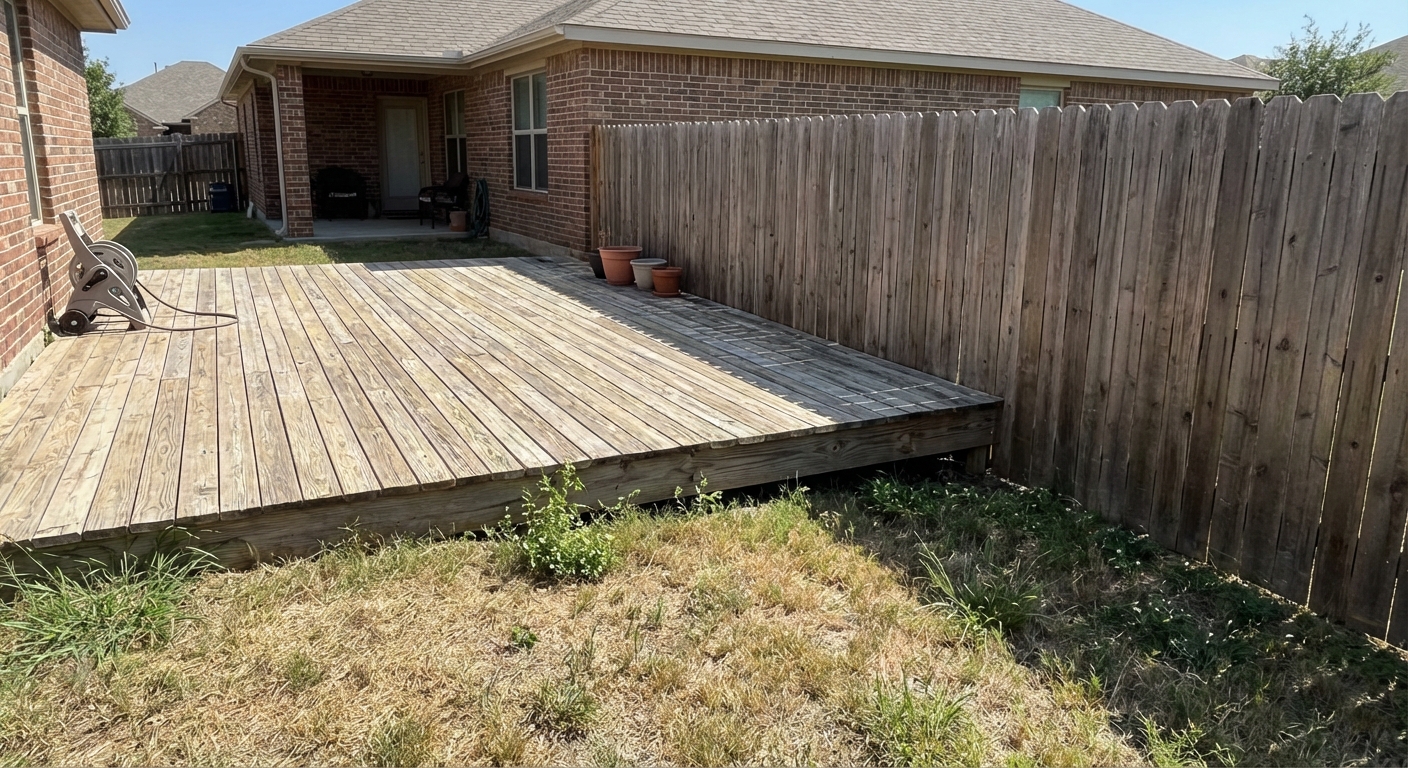
Building a deck in Texas and wondering how close you can build to your property line? You're right to be concerned – setback requirements dictate the minimum distance your deck must be from property lines, easements, and other structures. Violating these rules can lead to costly rework or even legal issues. This guide breaks down Texas deck setback rules, permit necessities, and key considerations to ensure your deck project goes smoothly.
📋 Tool Alert: Permit Checker
Do you really need a permit? Check the exact rules for your city or township.
Check Permits →Understanding Deck Setback Requirements in Texas
Looking for more regional information? Check out our Texas State Decking Hub.
🏗️ Planning a deck project?
Get a free manual project review, or visualize your dream deck with AI before requesting quotes.
Setback requirements are local ordinances, meaning they vary considerably from city to city and even within different neighborhoods in the same city. These regulations are typically enforced by your local municipality's planning or building department. They exist to:
- Ensure adequate space for utilities and infrastructure.
- Maintain property values and neighborhood aesthetics.
- Prevent fire hazards by providing sufficient space between structures.
- Guarantee access for emergency services.
Ignoring these rules can result in fines, legal action, or even forced removal of your deck.
<!-- slot:after-intro -->
Navigating Texas Cities: Setback Examples
While a statewide standard doesn't exist, here's a look at setback rules in major Texas cities:
- Houston: Houston has no zoning regulations, but you'll still need permits from the City of Houston Permitting Center. Setback requirements are often determined by deed restrictions or specific plat requirements filed with the county. Contact the city or your HOA to confirm.
- Dallas: Dallas requires permits through Dallas Development Services, costing between $200-500. Setbacks vary by zoning district. Expect to find specific setback requirements for front, side, and rear yards depending on your property's classification. Check with the city's Development Services Department.
- Austin: Austin permits are notoriously slow, often taking 8-12 weeks through Austin Development Services. Like Dallas, Austin's setbacks depend on zoning. Expect stricter setbacks in residential areas compared to commercial zones. Check the city's zoning map and regulations.
- San Antonio: San Antonio handles permits through the Development Services Department. The process is often quicker than in Austin. Setbacks depend on the zoning district and may also be affected by specific neighborhood covenants. Contact the city or your HOA for specifics.
Key takeaway: Always contact your local city or county planning and zoning department to confirm the specific setback requirements for your property. Don't rely on general information; get the official details.
Deck Permit Requirements in Texas
Most Texas cities require permits for decks exceeding a certain size or height. Generally, if your deck is larger than 200 square feet or more than 30 inches above grade (ground level), you'll need a permit.
Remember, a permit ensures your deck meets local building codes, guaranteeing structural integrity and safety. Skipping this step can lead to fines, legal issues, and potential safety hazards. See our article on Do You Need a Deck Permit in Texas? State & City Rules Explained for a complete overview.
Here's a quick look at permitting in major cities:
- Houston: Permits required; contact the City of Houston Permitting Center. See Houston Deck Permit: Requirements, Costs & How to Apply for details.
- Dallas: Permits required; apply through Dallas Development Services. Read our Dallas Deck Permit Guide: What You Need Before Building.
- Austin: Permits required; apply through Austin Development Services. Check out Austin Deck Permit: Everything Homeowners Need to Know.
- San Antonio: Permits required; apply through the Development Services Department. Refer to San Antonio Deck Permit: Rules, Fees & Process for guidance.
Factors Affecting Deck Setbacks
Several factors can influence the specific setback requirements for your deck:
- Zoning District: Residential, commercial, and industrial zones have different setback rules.
- Property Lines: Accurately identifying your property lines is crucial. Hire a surveyor if you're unsure.
- Easements: Easements grant access to utilities or other parties. Building within an easement is typically prohibited.
- Deed Restrictions/HOA Rules: Homeowners Associations (HOAs) can impose stricter setback rules than the city. Always check your HOA guidelines.
- Existing Structures: The location of your house, garage, or other structures on your property can influence setback requirements for new construction.
- Water Features: Pools, ponds, and other water features may have their own setback requirements.
Deck Design Considerations in Texas
Texas homeowners often include these popular features in their deck designs:
- Covered Decks: Providing shade from the intense Texas sun.
- Outdoor Kitchens: Creating a functional outdoor cooking and dining space.
- Pool Decks: Designing a safe and attractive area around a swimming pool.
- Shade Structures: Pergolas, arbors, and other structures to offer relief from the heat.
When designing your deck, consider the Texas climate. Summers are hot, with temperatures often reaching 95-105°F. UV exposure is intense, so choose materials that can withstand the elements. Composite decking surfaces can get extremely hot in direct sunlight, exceeding 150°F.
Use PaperPlan (paperplan.app) to visualize your deck with PaperPlan design with different materials and layouts before committing to a contractor. Experiment with covered areas, shade structures, and different decking materials to find the perfect design for your needs and budget.
Choosing the Right Decking Material for Texas
Selecting the right decking material is crucial for longevity and comfort in the Texas climate. Here's a cost comparison of popular options:
| Material | Cost per Square Foot (Installed) | Pros | Cons |
| ----------------- | ---------------------------------- | ------------------------------------------------------------------------------------------ | ----------------------------------------------------------------------------------------------------------------------------------- |
| Pressure-Treated | $25-45 | Most affordable, readily available | Requires regular maintenance (staining/sealing), prone to warping/splitting, susceptible to termites |
| Composite | $45-75 | Low maintenance, durable, resists fading and staining, various colors and styles | More expensive than pressure-treated, can get very hot in direct sunlight, initial investment higher |
| Cedar | $35-55 | Naturally beautiful, resists insects and rot, less prone to warping than pressure-treated | Requires regular sealing, more expensive than pressure-treated |
| Trex (Composite) | $50-80 | Leading composite brand, excellent durability and warranty, wide range of colors and styles | Higher cost than other composites, can still get hot in direct sunlight |
| Ipe (Hardwood) | $60-100 | Extremely durable and long-lasting, naturally resistant to insects and rot, beautiful look | Most expensive option, requires specialized installation, can be difficult to work with |
Texas's lack of state income tax often allows homeowners to invest more in home improvements, making higher-quality decking materials like composite or hardwood more accessible.
Consider the specific conditions in your area. If you're near the Gulf Coast, termite and moisture resistance are crucial.
<!-- slot:mid-content -->
The Importance of Professional Deck Builders
Building a deck that meets code requirements and lasts for years requires expertise. Hiring a qualified and experienced deck builder is essential. Look for contractors who:
- Are licensed and insured.
- Have a proven track record of successful deck projects.
- Are familiar with local building codes and setback requirements.
- Provide detailed quotes and contracts.
- Offer warranties on their work.
A professional deck builder can navigate the permitting process, ensure your deck meets all safety standards, and help you choose the best materials for your budget and needs.
Texas-Specific Building Considerations
Beyond setbacks, consider these Texas-specific factors:
- Frost Line: Texas has a shallow frost line, typically only 6-12 inches deep in most areas. This means your deck footings don't need to be as deep as in colder climates, potentially saving on construction costs.
- Extreme Heat: Choose decking materials that can withstand extreme heat and UV exposure. Light-colored composites tend to stay cooler than dark colors.
- Termites: In Gulf Coast regions, termite protection is essential. Consider pressure-treated lumber or termite-resistant composite decking.
- Best Build Months: Aim to build your deck between October and April to avoid the peak summer heat.
Resources for Texas Homeowners
- Your local city or county planning and zoning department.
- Your Homeowners Association (HOA).
- Licensed and insured deck builders in your area.
- Online permit portals for cities like Houston, Dallas, Austin, and San Antonio.
By understanding setback requirements, obtaining the necessary permits, and choosing the right materials, you can create a beautiful and functional deck that enhances your Texas home for years to come.
<!-- slot:before-faq -->
Internal Links
Here are some related articles to help you plan your Texas deck project:
- How Much Does a Deck Cost in Texas? Complete 2026 Guide
- Deck Cost Per Square Foot in Texas: 2026 Pricing Breakdown
- Best Decking Material for Texas Heat: What Won't Warp or Fade
- Texas Deck Building Codes: Key Requirements for 2026
- Do You Need a Deck Permit in Texas? State & City Rules Explained
<!-- slot:end -->
🎨 Not sure which material to pick?
Upload a photo of your backyard and see exactly how Trex, TimberTech, or cedar would look — free and instant.
Frequently Asked Questions
How do I find the setback requirements for my property in Texas?
Contact your local city or county planning and zoning department. You can usually find contact information on your city or county's website. You may also want to check with your Homeowners Association (HOA) for any additional restrictions.
What happens if I build my deck too close to the property line?
You could face fines, legal action, or be required to remove or modify your deck to comply with setback requirements. It's always best to confirm the setback requirements before starting construction.
Are setback requirements the same for all types of decks in Texas?
Generally, yes. However, specific features like covered decks or attached structures might have additional requirements. Check with your local building department for clarification.
Do I need a permit to build a deck in Texas?
Most Texas cities require a permit for decks larger than 200 square feet or more than 30 inches above grade. Check with your local building department for specific requirements in your area.
📋 Planning a deck project?
Get a free manual project review from our team — no obligation, no spam.
Get Free Project Review →Upload a backyard photo and preview real decking materials with AI — free, instant, no sign-up.
Permits, costs, material comparisons, and questions to ask before requesting quotes — delivered to your inbox.