
Texas Deck Codes: 2026 Requirements
Planning a new deck in Texas? Understand the key building codes and permit requirements for 2026 in cities like Houston, Dallas, Austin, and San Antonio.
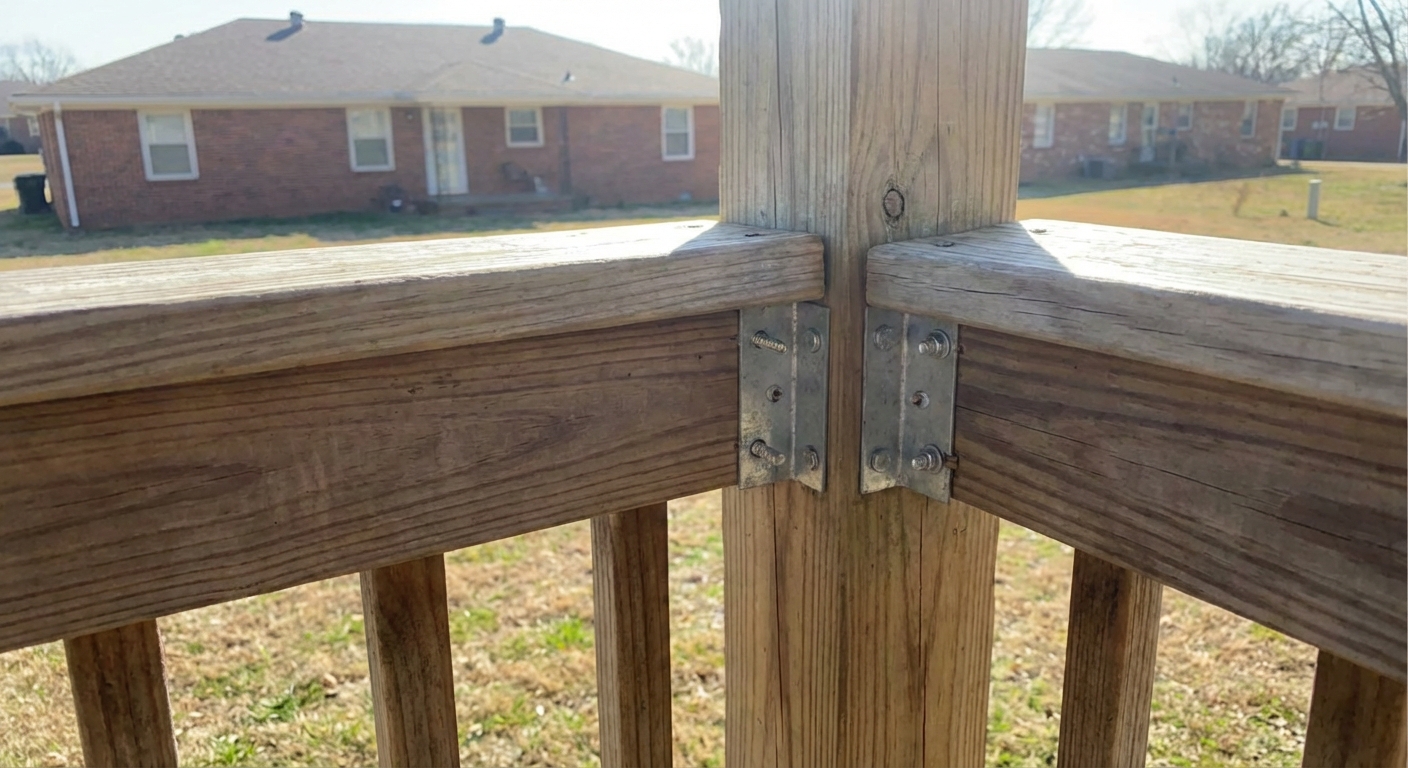
Building a deck in Texas? It's an exciting project, especially with the beautiful weather (most of the year!) and the fact that Texas has no state income tax, meaning you might have a bit more budget for home improvements. But before you start dreaming of barbecues and outdoor relaxation, you need to understand the Texas deck building codes. This guide will walk you through the key requirements, permit processes, and important considerations to ensure your deck is safe, compliant, and built to last in the Texas climate.
📋 Tool Alert: Permit Checker
Do you really need a permit? Check the exact rules for your city or township.
Check Permits →Understanding Texas Deck Building Codes
Looking for more regional information? Check out our Texas State Decking Hub.
🏗️ Planning a deck project?
Get a free manual project review, or visualize your dream deck with AI before requesting quotes.
Texas doesn't have a statewide building code. Instead, cities and counties adopt and enforce their own regulations, often based on the International Residential Code (IRC). This means the specific rules can vary depending on where you live, whether it's Houston, Dallas, Austin, San Antonio, or a smaller town. Generally, these codes cover aspects like:
- Permits: When you need a permit and how to obtain one.
- Structural Requirements: Foundation depth, beam sizing, joist spacing, and railing heights.
- Material Specifications: Approved types of wood, composite decking, and fasteners.
- Safety Standards: Stair construction, lighting, and fire resistance.
- Setback Requirements: How far your deck must be from property lines.
<!-- slot:after-intro -->
Key Considerations for Texas Decks
Beyond the basic building codes, here are some Texas-specific factors to keep in mind:
Texas Heat and UV Exposure
Texas summers are brutal, with temperatures often soaring between 95-105°F. This extreme heat, combined with intense UV radiation, can wreak havoc on decking materials. Composite decking, while low-maintenance, can get extremely hot – surface temperatures can reach over 150°F in direct sunlight. Choosing materials that are UV-resistant and designed to withstand high temperatures is crucial.
Frost Line Depth
The frost line, which is the depth to which groundwater in soil is expected to freeze, is relatively shallow in Texas compared to northern states. This means your deck footings don't need to be as deep. In most of Texas, the frost line ranges from only 6-12 inches, which translates to lower costs for your foundation.
Termites and Moisture
If you live near the Gulf Coast, especially around Houston, you need to be extra vigilant about termites and moisture. Pressure-treated lumber is essential for resisting rot and insect damage. Proper drainage and ventilation under your deck are also critical to prevent moisture buildup.
Popular Deck Features
Texans love to maximize their outdoor living space. Popular deck features include:
- Covered decks: Provide shade and protection from the elements.
- Outdoor kitchens: Perfect for grilling and entertaining.
- Pool decks: Create a seamless transition from your pool to your relaxation area.
- Shade structures: Pergolas, gazebos, and awnings offer relief from the sun.
Deck Permit Requirements in Texas
Most Texas cities require permits for decks that exceed a certain size or height. A general rule of thumb is that you'll need a permit if your deck is larger than 200 square feet or more than 30 inches above grade (ground level). However, it's always best to check with your local building department to confirm the specific requirements in your area. See our guide: Do You Need a Deck Permit in Texas? State & City Rules Explained
Here's a brief overview of permit requirements in some major Texas cities:
- Houston: Houston has no zoning regulations, but you still need permits for deck construction. Apply through the City of Houston Permitting Center. Houston Deck Permit: Requirements, Costs & How to Apply
- Dallas: Obtain permits through Dallas Development Services. Permit fees typically range from $200-500. Dallas Deck Permit Guide: What You Need Before Building
- Austin: Permits are issued by Austin Development Services. Be prepared for a potentially lengthy review process, which can take 8-12 weeks. Austin Deck Permit: Everything Homeowners Need to Know
- San Antonio: Apply for permits through the Development Services Department. The process is generally faster compared to Austin. San Antonio Deck Permit: Rules, Fees & Process
Deck Material Options and Costs in Texas
Choosing the right decking material is crucial for both aesthetics and longevity. Here's a breakdown of popular options and their approximate installed costs in Texas:
| Material | Cost per SqFt (Installed) | Pros | Cons |
| ------------------ | ------------------------- | ----------------------------------------------------------------------------------------------------------------------------------------------------------------- | ----------------------------------------------------------------------------------------------------------------------------------- |
| Pressure-Treated | $25-45 | Most affordable, readily available, resists rot and insects. Pressure-Treated Deck Cost in Texas: Budget-Friendly Guide | Can warp, crack, and splinter over time, requires regular staining or sealing. |
| Composite | $45-75 | Low-maintenance, durable, resists fading and staining, available in various colors and styles. Composite Deck Cost in Texas: What to Expect in 2026 | More expensive than pressure-treated, can get very hot in direct sunlight. See: Best Composite Decking for Texas Heat: Top Brands Compared |
| Cedar | $35-55 | Naturally beautiful, resists rot and insects, dimensionally stable. Cedar Deck Cost in Texas: Is It Worth the Premium? | Requires regular sealing to maintain its appearance, can be more expensive than pressure-treated. |
| Trex (Composite) | $50-80 | A popular brand of composite decking known for its durability and aesthetics. See: Trex Deck Cost in Texas: Pricing, Options & Real Examples. Also Trex vs TimberTech in Texas: Which Composite Deck Is Better? | Higher initial cost compared to some other options. |
| Ipe (Brazilian Hardwood) | $60-100 | Extremely durable, naturally resistant to rot, insects, and fire, beautiful grain. | Most expensive option, requires specialized tools and fasteners, can be difficult to work with. |
*Note: These are average installed costs. Actual prices may vary depending on your location, the complexity of the project, and the contractor you choose.* Refer to our main deck cost guide for more details: How Much Does a Deck Cost in Texas? Complete 2026 Guide and our per-square-foot breakdown: Deck Cost Per Square Foot in Texas: 2026 Pricing Breakdown
When selecting your materials, consider the Texas climate. If you are set on composite, research the best brands for heat resistance.
Deck Design and Visualization
Before you even start thinking about materials, it's important to have a clear vision for your deck. Consider the size, shape, and layout that best suits your needs and complements your home. Use PaperPlan (paperplan.app) to visualize your deck with PaperPlan design with different materials and layouts before committing to a contractor. This allows you to experiment with various options and ensure you're happy with the final result.
<!-- slot:mid-content -->
Building Code Requirements: A Closer Look
While specific requirements vary by city, here's a general overview of common deck building code requirements in Texas:
Footings and Foundations
- Footings must extend below the frost line (typically 6-12 inches in Texas).
- Footing size depends on the deck's size and load. Consult local codes for specific dimensions.
- Use concrete piers or posts to support the deck frame.
Framing
- Use pressure-treated lumber for all framing components that are in contact with the ground.
- Properly size beams and joists based on span and load requirements.
- Use appropriate fasteners (screws or nails) designed for outdoor use.
Decking
- Install decking with proper spacing to allow for expansion and contraction.
- Use screws or hidden fasteners to secure decking to the frame.
- Consider using a moisture barrier between the joists and decking to extend the deck's lifespan.
Railings
- Decks more than 30 inches above grade typically require railings. See: Deck Height Regulations in Texas: When Permits & Railings Are Required
- Railings must be at least 36 inches high for residential decks.
- Balusters (vertical posts) must be spaced no more than 4 inches apart.
Stairs
- Stair treads must be at least 10 inches deep.
- Stair risers (vertical height between treads) must be between 4 and 7.75 inches.
- Stairs with more than three risers require a handrail.
Setback Requirements
- Decks must be set back a certain distance from property lines. Setback requirements vary by city and lot size. Check your local ordinances for specific details. Deck Setback Requirements in Texas: How Close to the Property Line?
Hiring a Deck Contractor in Texas
Building a deck involves complex carpentry and structural considerations. Unless you have significant experience, it's best to hire a qualified and licensed deck contractor. Here are some tips for finding the right contractor:
- Get multiple bids: Compare prices and services from at least three contractors.
- Check references: Ask for references from previous clients and follow up with them.
- Verify insurance and licensing: Ensure the contractor has liability insurance and any required local licenses.
- Review the contract carefully: Make sure the contract includes a detailed scope of work, payment schedule, and warranty information.
- Consider local expertise: Contractors familiar with Houston, Dallas, Austin or San Antonio's specific building codes and climate challenges are a plus. For example, a Houston contractor will know about moisture issues, whereas an Austin contractor may have experience navigating the city's notoriously slow permitting process.
Best Time to Build a Deck in Texas
The best time to build a deck in Texas is during the cooler months, from October to April. This allows you to avoid the extreme summer heat and humidity, which can make working outdoors uncomfortable and challenging.
<!-- slot:before-faq -->
Building a deck in Texas can significantly enhance your outdoor living space and increase your home's value. By understanding the local building codes, choosing the right materials, and working with a qualified contractor, you can create a beautiful and functional deck that you'll enjoy for years to come.
<!-- slot:end -->
🎨 Not sure which material to pick?
Upload a photo of your backyard and see exactly how Trex, TimberTech, or cedar would look — free and instant.
Frequently Asked Questions
Do I need a permit to build a deck in Texas?
Generally, yes, if your deck is over 200 square feet or more than 30 inches above grade. However, specific requirements vary by city and county, so it's essential to check with your local building department.
How deep do deck footings need to be in Texas?
The frost line in most of Texas is between 6 and 12 inches, so your footings should extend below that depth. Consult local codes for specific requirements.
What's the best decking material for Texas heat?
Composite decking is a popular choice for its durability and low maintenance. However, it can get very hot in direct sunlight. Consider choosing a lighter color or a brand specifically designed for heat resistance. Cedar is another good option, as it's naturally resistant to rot and insects.
How much does it cost to build a deck in Texas?
The cost of building a deck in Texas varies depending on the materials you choose and the size of the deck. Expect to pay between $25 and $100 per square foot installed. See: How Much Does a Deck Cost in Texas? Complete 2026 Guide
What are the railing requirements for decks in Texas?
Decks more than 30 inches above grade require railings that are at least 36 inches high. Balusters must be spaced no more than 4 inches apart.
📋 Planning a deck project?
Get a free manual project review from our team — no obligation, no spam.
Get Free Project Review →Upload a backyard photo and preview real decking materials with AI — free, instant, no sign-up.
Permits, costs, material comparisons, and questions to ask before requesting quotes — delivered to your inbox.