
Deck Height Regulations in Texas (2026)
Learn Texas deck height rules, permit requirements, and railing codes. Avoid fines and build a safe, compliant deck in TX.
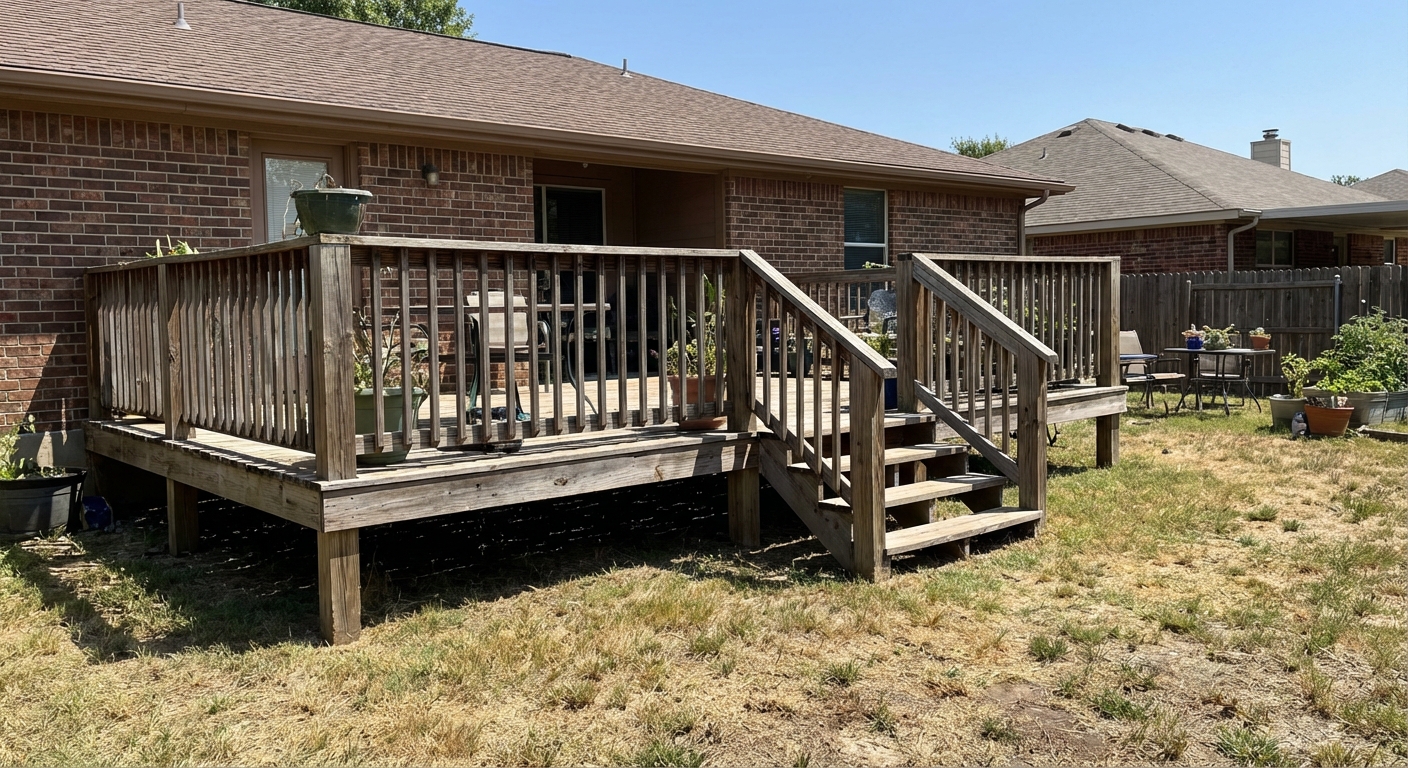
Are you planning to build a deck in Texas and wondering about the height restrictions? It's crucial to understand the regulations regarding deck height, permits, and railings to ensure your project is safe, legal, and enjoyable. This guide breaks down everything you need to know about deck height regulations across Texas.
📋 Tool Alert: Permit Checker
Do you really need a permit? Check the exact rules for your city or township.
Check Permits →Understanding Deck Height and Why It Matters
Looking for more regional information? Check out our Texas State Decking Hub.
🏗️ Planning a deck project?
Get a free manual project review, or visualize your dream deck with AI before requesting quotes.
Deck height, measured from the ground to the top of the decking surface, is a primary factor determining whether you need a permit and railings. Local municipalities in Texas use height to assess the potential safety risks associated with a deck. Higher decks pose a greater fall risk, necessitating stricter regulations.
In Texas, where homeowners often reinvest their savings due to the lack of state income tax, home improvements like decks are popular. Understanding the specific rules in your area is key to avoiding costly mistakes and ensuring a smooth building process.
<!-- slot:after-intro -->
General Texas Deck Permit Requirements Based on Height
While specific rules vary by city, a common threshold in Texas is 30 inches. If your deck's surface will be 30 inches or higher above the adjacent grade (ground level), you'll likely need a permit. Decks exceeding this height often require railings for safety. Most cities also require permits for decks exceeding 200 square feet, regardless of height.
Here's a simplified breakdown:
- Deck Height ≤ 30 inches AND Area ≤ 200 sq ft: Generally, no permit required (but always verify with your local authorities). Railings may not be required.
- Deck Height > 30 inches OR Area > 200 sq ft: Permit likely required. Railings usually required.
Always contact your local permitting office to confirm the exact requirements for your property. Ignoring these rules can lead to fines, project delays, and even forced removal of the deck.
City-Specific Deck Height and Permit Regulations
While the above provides a general overview, Texas is a large state, and each city has its own nuances. Here's a look at some major Texas cities:
Houston Deck Regulations
Houston, known for its lack of zoning regulations, still requires permits for deck construction. You'll need to obtain permits from the City of Houston Permitting Center. A deck higher than 30 inches or larger than 200 square feet will almost certainly require a permit. Specific railing requirements will be detailed during the permitting process.
Dallas Deck Regulations
In Dallas, deck permits are handled through Dallas Development Services. Expect to pay between $200 and $500 for a permit. As in most Texas cities, a deck exceeding 30 inches in height typically triggers the need for a permit and railings. Contact Dallas Development Services for specifics related to your project.
Austin Deck Regulations
Austin's permitting process is notoriously slow, often taking 8-12 weeks. You'll need to go through Austin Development Services. Like other cities, decks over 30 inches or exceeding 200 square feet generally require a permit. Be prepared for potential delays and ensure all documentation is accurate and complete.
San Antonio Deck Regulations
San Antonio's permit process, managed by the Development Services Department, is generally considered faster than Austin's. The same height and size thresholds apply: decks over 30 inches or 200 square feet require a permit. Contact the Development Services Department for details specific to your location.
Railing Requirements for Elevated Decks
Railing requirements are primarily dictated by the International Residential Code (IRC), which most Texas cities adopt with some local amendments. The IRC generally requires railings on decks exceeding 30 inches above grade.
Key railing specifications typically include:
- Minimum Railing Height: 36 inches for residential decks.
- Maximum Opening Size: A 4-inch sphere cannot pass through any opening in the railing system. This is to prevent children from falling through.
- Guardrail Infill: Must be designed to withstand a lateral load of 200 pounds.
These requirements ensure that railings provide adequate protection against falls.
Choosing the Right Decking Material for Texas Weather
Texas's extreme heat, with summers reaching 95-105°F, and intense UV exposure demand durable decking materials. Consider these options:
- Pressure-Treated Wood: A budget-friendly option, costing around $25-45 per square foot installed. Requires regular maintenance to prevent warping and rot.
- Cedar: A naturally beautiful and weather-resistant option, but more expensive at $35-55 per square foot installed.
- Composite Decking: Low-maintenance and durable, but can get very hot in direct sunlight. Surface temperatures can exceed 150°F. Costs range from $45-75 per square foot installed.
- Trex: A popular composite brand, known for its durability and variety of colors. Expect to pay $50-80 per square foot installed. Read more about Trex [Deck Cost in Texas: Pricing, Options & Real Examples](/decks/blog/trex-deck-cost-texas).
- Ipe: A premium hardwood known for its exceptional durability and resistance to rot and insects. The most expensive option, costing $60-100 per square foot installed.
Here's a quick cost comparison table:
| Material | Cost per sq ft (Installed) | Pros | Cons |
| -------------------- | -------------------------- | ---------------------------------------- | ------------------------------------------ |
| Pressure-Treated | $25-45 | Affordable, readily available | Requires maintenance, prone to warping |
| Cedar | $35-55 | Natural beauty, weather-resistant | More expensive than pressure-treated |
| Composite | $45-75 | Low-maintenance, durable | Can get very hot in direct sun |
| Trex | $50-80 | Durable, variety of colors, low-maintenance | Higher upfront cost |
| Ipe | $60-100 | Extremely durable, rot & insect resistant | Most expensive option |
Consider the pros and cons of each material, factoring in your budget, aesthetic preferences, and maintenance willingness.
<!-- slot:mid-content -->
Designing Your Deck: Considerations for Texas Homes
When designing your deck, consider how you'll use the space and how it will integrate with your home and landscape. Popular Texas deck features include:
- Covered Decks: Providing shade from the intense Texas sun.
- Outdoor Kitchens: Creating a functional outdoor cooking and dining area.
- Pool Decks: Enhancing your pool area with a comfortable and attractive surface.
- Shade Structures: Pergolas, arbors, or retractable awnings to provide relief from the sun.
Use PaperPlan (paperplan.app) to visualize your deck with PaperPlan design with different materials and layouts before committing to a contractor. This can help you make informed decisions about size, features, and material choices.
The Importance of Permits
Building a deck without a permit when one is required can lead to significant problems. Fines, legal action, and even forced removal of the deck are all possibilities. Obtaining a permit ensures that your deck meets all safety and building code requirements. It also protects you from potential liability issues down the road. Read more about Do You Need a Deck Permit in Texas? State & City Rules Explained.
Other Key Considerations for Texas Deck Building
Beyond height and permits, keep these factors in mind:
- Frost Line: While the frost line is shallow in most of Texas (6-12 inches), proper footings are still crucial for stability.
- Termites: In Gulf Coast areas, termite infestations are a major concern. Use treated lumber and consider professional pest control measures.
- Moisture: High humidity can promote mold and rot. Ensure proper ventilation and drainage under the deck.
- Best Time to Build: The best months for deck building in Texas are typically October through April, avoiding the extreme summer heat.
<!-- slot:before-faq -->
By carefully considering these factors and adhering to local regulations, you can build a beautiful and functional deck that enhances your Texas home for years to come. Remember to consult with local professionals to ensure your deck is built to code and meets your specific needs.
🎨 Not sure which material to pick?
Upload a photo of your backyard and see exactly how Trex, TimberTech, or cedar would look — free and instant.
Frequently Asked Questions
What is considered the "grade" when measuring deck height?
The "grade" refers to the finished ground level adjacent to your deck. This is the level from which you measure the deck's height. If the ground slopes, the average height is usually taken.
How do I find out the specific deck permit requirements for my city in Texas?
The best way to find out the specific deck permit requirements for your city is to contact your local permitting office or building department directly. You can usually find contact information on your city's official website. Links to specific city permit guides include: Houston Deck Permit: Requirements, Costs & How to Apply, Dallas Deck Permit Guide: What You Need Before Building, San Antonio Deck Permit: Rules, Fees & Process, and Austin Deck Permit: Everything Homeowners Need to Know.
Are there any exceptions to the railing requirements for decks over 30 inches?
Some exceptions may exist depending on your local building codes. For example, if the deck only has one step down to the yard, railings might not be required. However, it's essential to confirm this with your local building official.
What happens if I build a deck without a permit in Texas?
Building a deck without a required permit can result in fines, stop-work orders, and even legal action. You may be required to remove the deck or bring it into compliance with current building codes, which can be costly and time-consuming.
What are the typical setback requirements for decks in Texas?
Setback requirements dictate how far your deck must be from property lines. These vary by city and even by neighborhood. Contact your local planning department to determine the specific setback requirements for your property. You can also read more about Deck Setback Requirements in Texas: How Close to the Property Line?.
<!-- slot:end -->
📋 Planning a deck project?
Get a free manual project review from our team — no obligation, no spam.
Get Free Project Review →Upload a backyard photo and preview real decking materials with AI — free, instant, no sign-up.
Permits, costs, material comparisons, and questions to ask before requesting quotes — delivered to your inbox.