
Cedar Deck Cost in Texas (2026)
Considering a cedar deck in Texas? This guide breaks down the costs, pros, cons, and maintenance to help you decide if it's the right choice for your home.
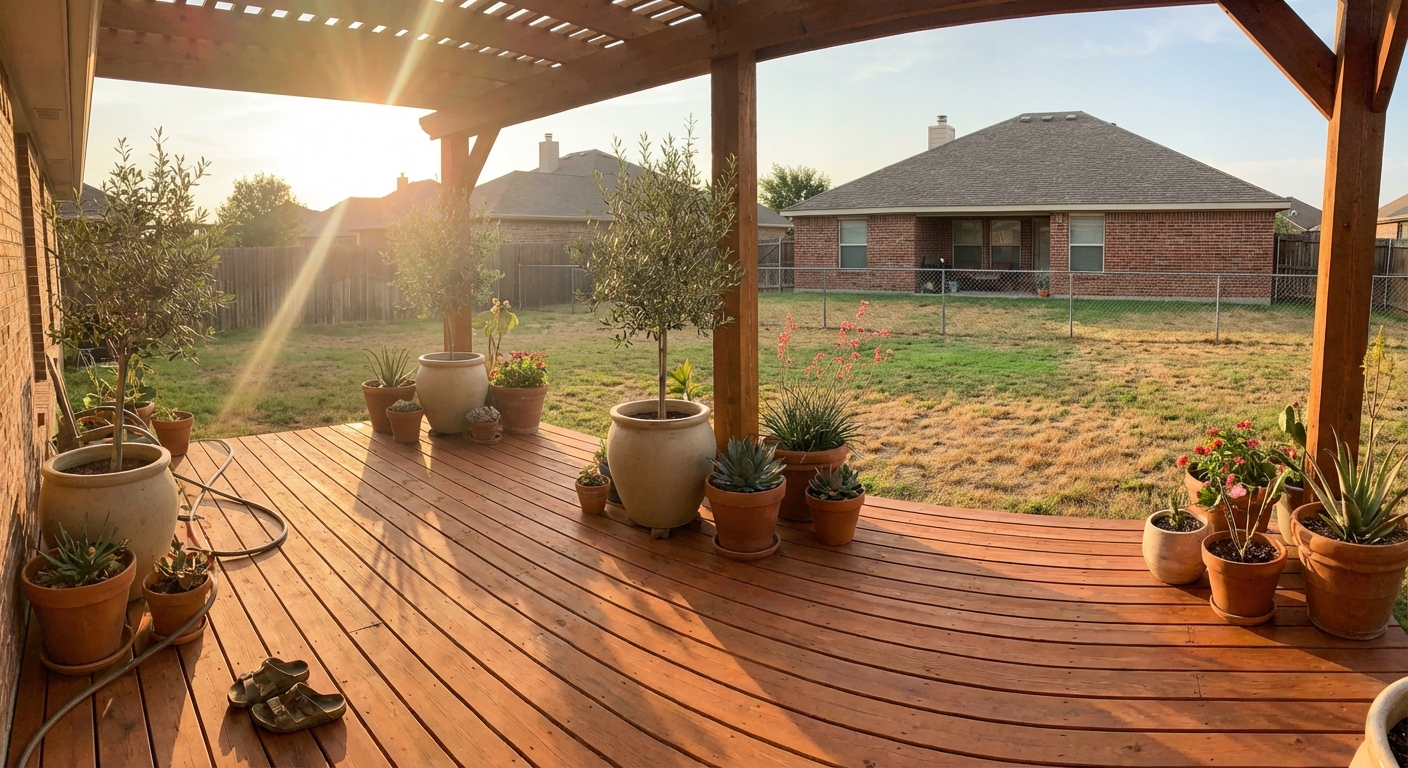
Are you dreaming of a beautiful, natural-looking deck for your Texas home? Cedar is a popular choice, known for its beauty and durability. But with the Texas sun and unique climate, is a cedar deck really worth the investment? This guide breaks down the costs, advantages, disadvantages, and maintenance requirements of cedar decks in Texas, helping you make an informed decision.
🧮 Tool Alert: Deck Cost Calculator
Estimate your project costs in seconds based on local pricing bands for your area.
Calculate My Cost →Cedar Deck Costs in Texas: What to Expect
Looking for more regional information? Check out our Texas State Decking Hub.
🏗️ Planning a deck project?
Get a free manual project review, or visualize your dream deck with AI before requesting quotes.
Building a cedar deck in Texas typically costs between $35 and $55 per square foot, installed. This puts it in the mid-range compared to other decking materials. For example, pressure-treated lumber is usually cheaper ($25-$45/sqft), while composite decking like Trex can be more expensive ($50-$80/sqft). Exotic hardwoods like Ipe are the priciest, often ranging from $60 to $100/sqft.
Here’s a cost comparison table to give you a clearer picture:
| Material | Cost per SqFt (Installed) |
|-------------------|---------------------------|
| Pressure-Treated | $25 - $45 |
| Cedar | $35 - $55 |
| Composite | $45 - $75 |
| Trex | $50 - $80 |
| Ipe | $60 - $100 |
Keep in mind these are average costs. Your actual cost will depend on several factors, including:
- Deck size and complexity: Larger and more intricate designs require more materials and labor.
- Cedar grade: Higher grades of cedar (like clear, all-heart) will cost more than lower grades (like knotty cedar).
- Labor costs: Labor rates vary depending on your location in Texas (Houston, Dallas, Austin, San Antonio) and the contractor you choose.
- Permitting fees: Most Texas cities require permits for decks over 200 sqft or 30 inches above grade.
- Additional features: Adding features like railings, stairs, lighting, or built-in seating will increase the overall cost.
Texas homeowners often invest more in home improvements because the state has no state income tax, leaving more disposable income for projects like decks.
<!-- slot:after-intro -->
For a broader look at deck pricing across different materials and regions, see our complete deck cost guide for Texas. Timing your build right can also save thousands — check our guide on the best time to build a deck.
The Allure of Cedar: Why Choose It for Your Texas Deck?
Cedar boasts several advantages that make it a compelling choice for Texas homeowners:
- Natural Beauty: Cedar has a rich, warm color and attractive grain pattern that adds a touch of elegance to any outdoor space.
- Natural Resistance to Decay and Insects: Cedar contains natural oils that make it resistant to rot, decay, and insect infestation, including termites. This is particularly important in Gulf Coast areas like Houston where moisture and termites are prevalent.
- Dimensional Stability: Cedar is less prone to warping, twisting, and cracking than some other types of wood, making it a more stable decking material.
- Workability: Cedar is relatively easy to cut, drill, and fasten, which can help reduce labor costs.
- Lower Surface Temperature: Compared to composite decking, cedar stays cooler under the scorching Texas sun. Composite deck surfaces can reach temperatures of 150°F+ in direct sunlight, making them uncomfortable to walk on barefoot.
Drawbacks of Cedar Decking in Texas: What to Consider
Despite its advantages, cedar also has some drawbacks that you should be aware of:
- Higher Upfront Cost: While not the most expensive option, cedar is more expensive than pressure-treated lumber.
- Maintenance Requirements: Cedar requires regular maintenance to keep it looking its best and protect it from the elements. This includes cleaning, staining, and sealing. Neglecting maintenance can lead to fading, weathering, and eventually, rot.
- Susceptibility to UV Damage: The Texas sun is brutal, and its intense UV radiation can damage cedar over time, causing it to fade and gray. Regular sealing with a UV-resistant finish is essential.
- Softness: Cedar is a relatively soft wood, which means it's more susceptible to scratches and dents than harder decking materials.
- Availability: Depending on your location in Texas, finding high-quality cedar may require some effort.
Design Ideas for Your Texas Cedar Deck
Cedar's natural beauty makes it a versatile material for various deck designs. Here are a few popular ideas for Texas homeowners:
- Covered Decks: A covered cedar deck provides shade and protection from the elements, making it a perfect outdoor living space for year-round enjoyment.
- Outdoor Kitchens: Integrate an outdoor kitchen into your cedar deck for a seamless transition between indoor and outdoor cooking and entertaining.
- Pool Decks: Cedar's natural resistance to moisture makes it a good choice for pool decks.
- Shade Structures: Add a pergola or other shade structure to your cedar deck to create a cool and comfortable retreat from the Texas sun.
- Multi-Level Decks: Create a visually stunning and functional outdoor space with a multi-level cedar deck.
Use PaperPlan (paperplan.app) to visualize your deck with PaperPlan design with different materials and layouts before committing to a contractor. Experiment with different cedar grades, railing styles, and features to create the perfect outdoor space for your needs.
Maintenance Tips for Texas Cedar Decks
Proper maintenance is crucial for extending the life and beauty of your cedar deck in Texas. Here are some essential tips:
- Clean Regularly: Clean your deck at least twice a year, or more often if needed, to remove dirt, debris, and mildew. Use a mild detergent and a soft-bristled brush. Avoid using a pressure washer, as it can damage the wood.
- Apply a Protective Finish: Apply a high-quality stain or sealant with UV inhibitors to protect your deck from the sun's harmful rays and moisture. Reapply every 1-3 years, depending on the product and the level of exposure.
- Inspect Regularly: Inspect your deck regularly for signs of damage, such as cracks, splinters, or rot. Address any issues promptly to prevent them from worsening.
- Clear Debris: Keep your deck clear of leaves, pine needles, and other debris, as they can trap moisture and promote rot.
- Protect from Furniture: Use mats or pads under your furniture to prevent scratches and dents.
Permitting Requirements in Texas Cities
Before building your cedar deck, it's essential to check with your local city or county to determine if you need a permit. Most Texas cities require permits for decks over 200 sqft or 30 inches above grade. Here's a quick overview of permitting in some major Texas cities:
- Houston: Houston has no zoning but requires permits from the City of Houston Permitting Center.
- Dallas: Permits are required and processed through Dallas Development Services. Expect to pay between $200 and $500 for a permit.
- Austin: Permits are required and processed through Austin Development Services, which is known for being slow (expect 8-12 weeks).
- San Antonio: Permits are required and processed through the Development Services Dept, and the process is generally faster than in Austin.
Always check with your local authorities for the most up-to-date permitting requirements. See our guide on Do You Need a Deck Permit in Texas? State & City Rules Explained for more information.
<!-- slot:mid-content -->
Finding a Qualified Deck Builder in Texas
Building a cedar deck is a significant investment, so it's essential to hire a qualified and experienced deck builder. Here are some tips for finding the right contractor:
- Get Multiple Quotes: Get quotes from at least three different contractors to compare prices and services.
- Check References: Ask for references from previous clients and contact them to inquire about their experience.
- Review Portfolios: Look at the contractor's portfolio to see examples of their previous work.
- Verify Licensing and Insurance: Make sure the contractor is licensed and insured.
- Read Reviews: Check online reviews to see what other customers have to say about the contractor.
- Get a Written Contract: Before work begins, get a written contract that outlines the scope of work, payment schedule, and warranty information.
Is Cedar Worth the Premium in Texas?
Ultimately, whether a cedar deck is worth the premium in Texas depends on your individual needs, budget, and preferences. If you value natural beauty, durability, and resistance to decay and insects, and you're willing to invest in regular maintenance, then cedar can be an excellent choice. However, if you're on a tight budget or prefer a low-maintenance option, then pressure-treated lumber or composite decking may be a better fit.
Consider the extreme Texas heat. While cedar stays cooler than composite, it still requires UV protection. Also, remember the relatively shallow frost line in Texas (6-12 inches in most areas) can reduce footing costs compared to states with deeper frost lines.
<!-- slot:before-faq -->
Consider these related articles for more information: How Much Does a Deck Cost in Texas? Complete 2026 Guide, Deck Cost Per Square Foot in Texas: 2026 Pricing Breakdown, and Best Decking Material for Texas Heat: What Won't Warp or Fade.
🎨 Not sure which material to pick?
Upload a photo of your backyard and see exactly how Trex, TimberTech, or cedar would look — free and instant.
Frequently Asked Questions
How long will a cedar deck last in Texas?
With proper maintenance, a cedar deck in Texas can last for 15-20 years or even longer. Regular cleaning, sealing, and repairs are essential for extending its lifespan.
Does cedar decking need to be sealed?
Yes, sealing cedar decking is crucial in Texas to protect it from the sun's UV rays and moisture. Use a high-quality sealant with UV inhibitors and reapply every 1-3 years.
Is cedar naturally termite resistant?
Yes, cedar contains natural oils that make it resistant to termites and other insects. However, it's still important to take preventative measures, such as keeping the deck clean and dry.
What is the best time of year to build a deck in Texas?
The best time to build a deck in Texas is during the cooler months, from October to April. This avoids the extreme summer heat and humidity, making the project more comfortable for both you and your contractor.
How does cedar compare to composite decking in terms of heat retention?
Cedar stays significantly cooler than composite decking in direct sunlight. Composite surfaces can reach temperatures of 150°F+, making them uncomfortable to walk on barefoot. Cedar, while still getting warm, remains cooler to the touch.
<!-- slot:end -->
📋 Planning a deck project?
Get a free manual project review from our team — no obligation, no spam.
Get Free Project Review →Upload a backyard photo and preview real decking materials with AI — free, instant, no sign-up.
Permits, costs, material comparisons, and questions to ask before requesting quotes — delivered to your inbox.