
Pressure-Treated Deck Cost in Texas (2026)
Planning a new deck? Learn the costs for pressure-treated decks in Texas, including materials, labor, permits, and tips for saving money. Get a budget-friendly quote!
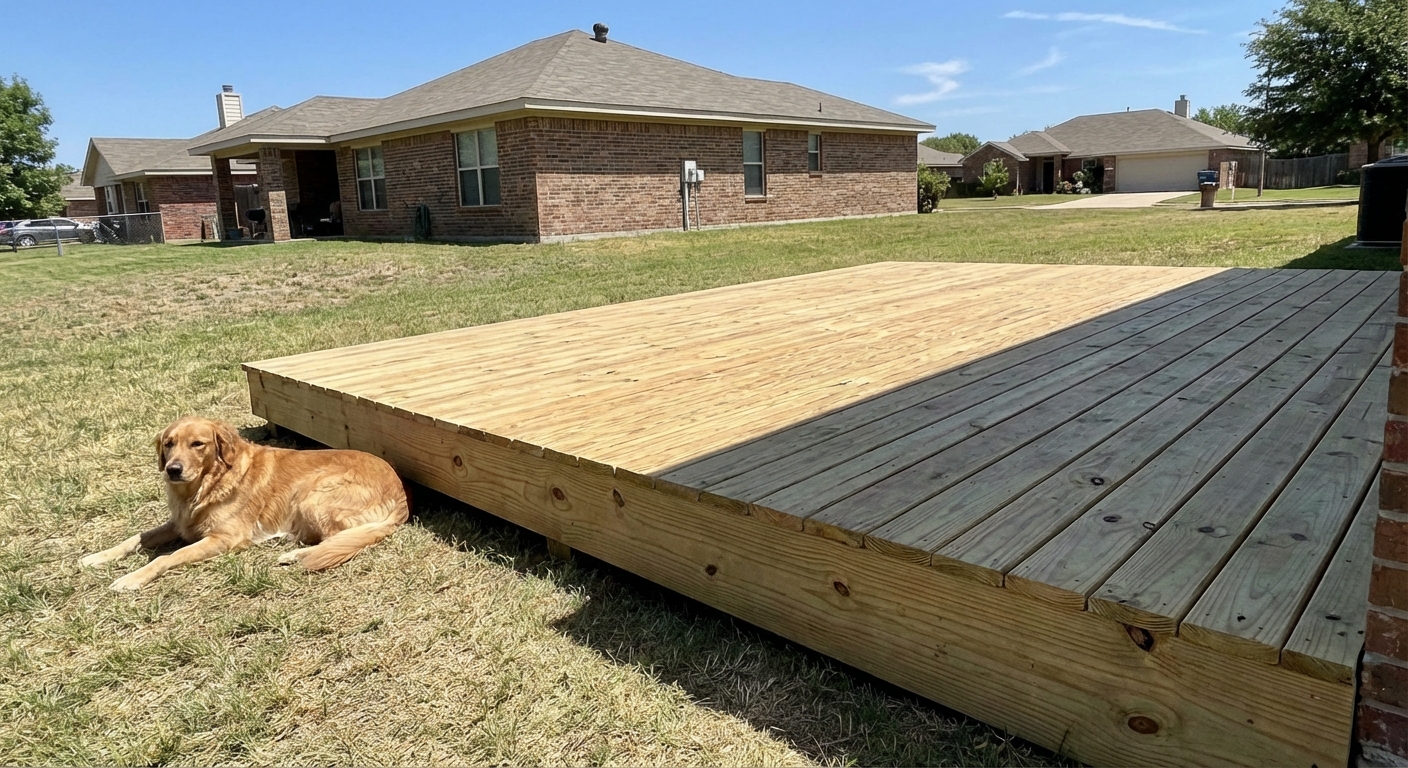
Wondering how much a pressure-treated deck will cost you in Texas? You're in the right place. This guide breaks down the expenses involved in building a pressure-treated deck in the Lone Star State, from material costs to labor and permits, helping you budget effectively. We'll cover the factors that influence pricing, Texas-specific considerations, and ways to save money on your deck project.
🧮 Tool Alert: Deck Cost Calculator
Estimate your project costs in seconds based on local pricing bands for your area.
Calculate My Cost →Pressure-Treated Deck Cost in Texas: An Overview
Looking for more regional information? Check out our Texas State Decking Hub.
🏗️ Planning a deck project?
Get a free manual project review, or visualize your dream deck with AI before requesting quotes.
Pressure-treated lumber remains a popular choice for decks in Texas due to its affordability and resistance to rot and insects. However, the final cost of your deck depends on several factors, including size, design complexity, and location.
On average, you can expect to pay between $25 and $45 per square foot for a professionally installed pressure-treated deck in Texas. This range includes the cost of materials, labor, and basic permitting.
Here's a general cost comparison of different decking materials in Texas:
| Material | Cost per Square Foot (Installed) |
|-------------------|-----------------------------------|
| Pressure-Treated | $25 - $45 |
| Cedar | $35 - $55 |
| Composite | $45 - $75 |
| Trex | $50 - $80 |
| Ipe | $60 - $100 |
Keep in mind that these are just averages. Your actual cost may vary. Let's delve into the specific factors that impact the price.
<!-- slot:after-intro -->
For a broader look at deck pricing across different materials and regions, see our complete deck cost guide for Texas. Timing your build right can also save thousands — check our guide on the best time to build a deck.
Factors Influencing Pressure-Treated Deck Costs
Several elements contribute to the overall cost of your pressure-treated deck project in Texas:
Deck Size and Complexity
The larger your deck, the more materials and labor will be required, directly increasing the cost. Multi-level decks, curved designs, and built-in features like benches or planters also add to the complexity and expense.
Material Costs
Pressure-treated lumber prices fluctuate based on market demand and lumber grades. Choosing higher grades of lumber with fewer knots and imperfections will increase the material cost. Other material costs include:
- Fasteners (screws, nails, bolts)
- Decking screws (stainless steel recommended)
- Railing (pressure-treated, composite, or metal)
- Stair components (if applicable)
- Concrete for footings
Labor Costs
Labor typically accounts for a significant portion of the overall deck cost. Experienced deck builders charge more for their expertise and craftsmanship. Get quotes from multiple contractors to compare pricing and ensure you're getting a fair deal.
Permits and Inspections
Most Texas cities require permits for decks exceeding 200 square feet or 30 inches above grade. Permit fees vary by location:
- Houston: Requires permits from the City of Houston Permitting Center. No zoning restrictions, but permits are essential.
- Dallas: Permits through Dallas Development Services, with fees ranging from $200 to $500.
- Austin: Permits through Austin Development Services, known for their lengthy processing times (expect 8-12 weeks).
- San Antonio: Permits through the Development Services Dept, generally faster than Austin.
Failing to obtain the necessary permits can result in fines and delays. Also, be aware of Deck Setback Requirements in Texas: How Close to the Property Line? and Deck Height Regulations in Texas: When Permits & Railings Are Required.
Site Preparation
If your building site requires extensive clearing, leveling, or demolition of an existing structure, these costs will be added to your project.
Add-ons and Features
Popular deck features in Texas, like covered decks, outdoor kitchens, and shade structures, will increase the overall cost. Consider your budget and prioritize the features that are most important to you.
Location
Labor and material costs can vary depending on your location within Texas. Major metropolitan areas like Houston, Dallas, Austin, and San Antonio may have higher labor rates than smaller towns.
Pressure-Treated Deck Design Considerations for Texas
Texas presents unique challenges for deck building due to its extreme climate. Here are some design considerations to keep in mind:
Heat Resistance
Texas summers are brutal, with temperatures often exceeding 95-105°F. While pressure-treated lumber holds up relatively well, you'll still want to consider stain or sealant options that offer UV protection. Consider lighter-colored stains to minimize heat absorption. Composite decking can become extremely hot (150°F+) in direct sunlight, so pressure-treated wood may be a more comfortable choice for walking barefoot.
UV Exposure
The intense Texas sun can fade and degrade decking materials over time. Choose a high-quality stain or sealant with UV inhibitors to protect your pressure-treated deck.
Moisture and Termites
In Gulf Coast areas like Houston, moisture and termites are significant concerns. Ensure your pressure-treated lumber is properly treated to resist rot and insect infestation. Proper drainage and ventilation under the deck are also crucial.
Footings
Texas has a relatively shallow frost line, typically only 6-12 inches deep in most areas. This means you won't need to dig as deep for footings compared to northern states, which can save on labor costs.
Use PaperPlan (paperplan.app) to visualize your deck with PaperPlan design with different layouts before committing to a contractor. Seeing the design in 3D can help you make informed decisions about size, features, and materials.
<!-- slot:mid-content -->
Cost-Saving Tips for Your Pressure-Treated Deck
Building a deck can be a significant investment, but there are ways to save money without sacrificing quality:
- Keep it simple: Opt for a straightforward rectangular design rather than complex shapes or multiple levels.
- DIY some tasks: If you're handy, you can save on labor costs by handling tasks like demolition, site preparation, or staining yourself. But leave structural work to the professionals.
- Shop around for materials: Get quotes from multiple lumberyards and compare prices. Look for sales and discounts.
- Build during the off-season: Deck builders may offer lower rates during the slower months (October-April) to keep their crews busy. This also avoids the peak summer heat for construction.
- Consider alternative railing options: Pressure-treated lumber is the most cost-effective railing choice. Composite or metal railings will add to the expense.
- Obtain multiple quotes: Get at least three quotes from different contractors to ensure you're getting a competitive price.
- Factor in long-term maintenance: While pressure-treated lumber is affordable upfront, it requires regular maintenance (cleaning, staining, sealing) to prevent rot and decay. Consider the long-term costs when comparing it to more expensive but lower-maintenance materials like composite decking. See Best Decking Material for Texas Heat: What Won't Warp or Fade for more information.
Finding a Reputable Deck Builder in Texas
Choosing the right deck builder is crucial for a successful project. Look for contractors with:
- Experience: Hire a builder with a proven track record of building decks in Texas.
- License and insurance: Ensure the contractor is properly licensed and insured to protect yourself from liability.
- References: Ask for references from previous clients and check online reviews.
- Detailed proposal: Get a written proposal that clearly outlines the scope of work, materials, and costs.
- Permitting knowledge: The contractor should be familiar with local permitting requirements and handle the process for you.
Building a deck without proper permits can lead to fines, stop-work orders, and even the removal of your deck. Make sure your contractor understands Texas Deck Building Codes: Key Requirements for 2026 and obtains all necessary permits.
<!-- slot:before-faq -->
Other Decking Options in Texas
While this article focuses on pressure-treated decks, consider these alternatives:
- Cedar: A naturally beautiful and durable wood that is resistant to rot and insects. Cedar Deck Cost in Texas: Is It Worth the Premium? explores this option in more detail.
- Composite: A low-maintenance material made from recycled plastic and wood fibers. Composite Deck Cost in Texas: What to Expect in 2026 provides a comprehensive overview. Be sure to consider Best Composite Decking for Texas Heat: Top Brands Compared.
- Trex: A popular brand of composite decking known for its durability and wide range of colors and styles. Learn more in Trex Deck Cost in Texas: Pricing, Options & Real Examples and Trex vs TimberTech in Texas: Which Composite Deck Is Better?.
- Ipe: A dense, exotic hardwood that is incredibly durable and resistant to rot, insects, and fire.
Remember that Texas has no state income tax. This means you might have more disposable income to invest in higher-quality decking materials.
<!-- slot:end -->
🎨 Not sure which material to pick?
Upload a photo of your backyard and see exactly how Trex, TimberTech, or cedar would look — free and instant.
Frequently Asked Questions
How long will a pressure-treated deck last in Texas?
A properly built and maintained pressure-treated deck can last 15-20 years in Texas. Regular cleaning, staining, and sealing are essential to protect the wood from the elements and prevent rot and decay.
Is it cheaper to build a deck myself in Texas?
Building a deck yourself can save on labor costs, but it requires time, skill, and knowledge. If you're not experienced in carpentry and construction, it's best to hire a professional. Mistakes can be costly and compromise the safety of your deck.
Do I need a permit to build a deck in my backyard in Texas?
Most Texas cities require permits for decks exceeding 200 square feet or 30 inches above grade. Check with your local permitting office for specific requirements. See Do You Need a Deck Permit in Texas? State & City Rules Explained for an overview.
What is the best time of year to build a deck in Texas?
The best time to build a deck in Texas is during the cooler months, from October to April. This avoids the extreme heat of summer and the potential for weather delays.
📋 Planning a deck project?
Get a free manual project review from our team — no obligation, no spam.
Get Free Project Review →Upload a backyard photo and preview real decking materials with AI — free, instant, no sign-up.
Permits, costs, material comparisons, and questions to ask before requesting quotes — delivered to your inbox.