
Deck Permits in Georgetown (2026)
Need a deck permit in Georgetown, TX? Learn requirements, fees, setback rules, and how to apply. Avoid fines and delays with this 2026 guide.
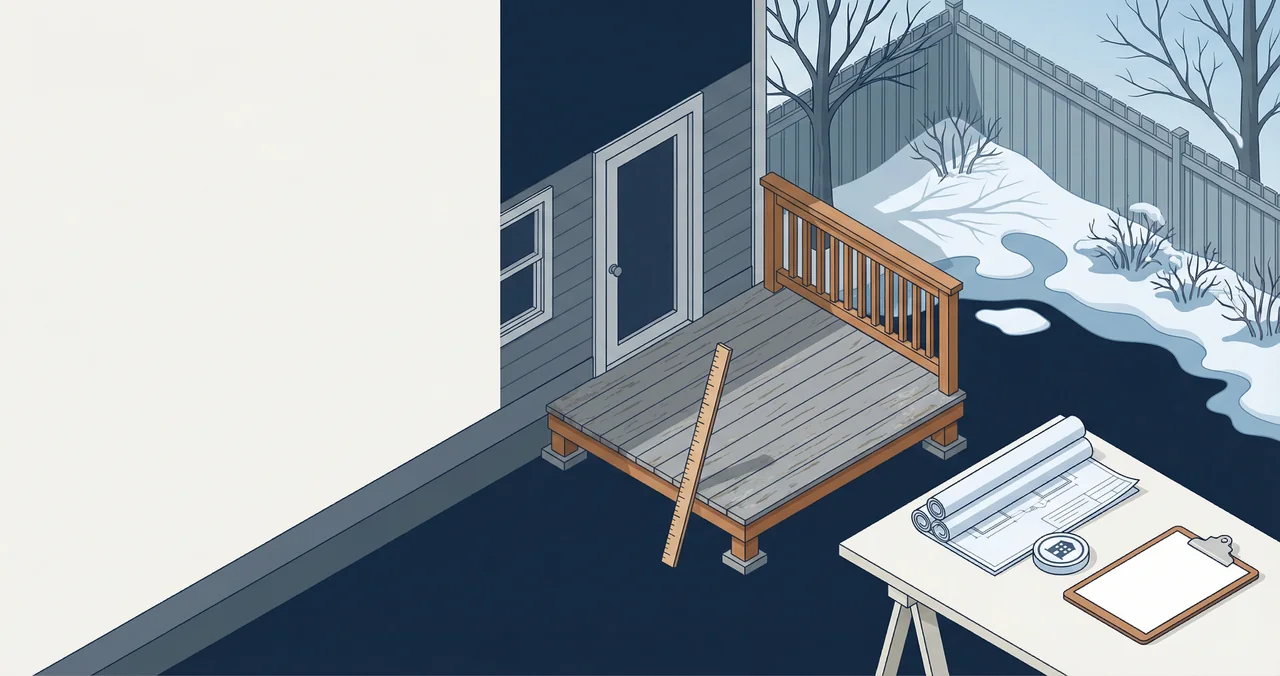
Deck Permits in Georgetown: Requirements, Costs & How to Apply in 2026
Planning a new deck in Georgetown and wondering if you actually need a permit? The short answer: yes, most likely. Georgetown's Building and Development Services department requires permits for most deck projects, and skipping this step can cost you far more than the permit itself — in fines, forced removal, and complications when you sell your home.
🏗️ Planning a deck project?
Get a free manual project review, or visualize your dream deck with AI before requesting quotes.
📋 Tool Alert: Permit Checker
Do you really need a permit? Check the exact rules for your city or township.
Check Permits →Looking for more regional information? Check out our Texas State Decking Hub.
Here's exactly what you need to know before breaking ground.
<!-- slot:after-intro -->
Do You Need a Deck Permit in Georgetown?
Georgetown follows the International Residential Code (IRC) as adopted by the State of Texas, with local amendments. The city's Development Services department handles all residential building permits.
You need a permit if your deck meets any of these criteria:
- Over 200 square feet in total area
- More than 30 inches above grade at any point
- Attached to your home's structure
- Includes electrical wiring (for lighting, outlets, or fans)
- Will support a roof, pergola, or other overhead structure
You may not need a permit if:
- The deck is 200 square feet or smaller AND 30 inches or less above grade AND freestanding (not attached to the house)
- You're building a ground-level platform with no railings required
Even if your project falls below the permit threshold, it still needs to comply with Georgetown's zoning setback requirements. A deck that's technically permit-exempt but encroaches into a setback can still trigger code enforcement action.
Bottom line: Call Georgetown's Development Services at (512) 930-3575 before starting. A five-minute phone call can save you months of headaches.
When a Permit Is Required
Let's get specific about the situations Georgetown homeowners typically encounter:
Standard Backyard Deck
Most decks in Georgetown neighborhoods like Sun City, Cimarron Hills, Berry Creek, and Westlake Woods are 12×16 feet or larger — well over 200 square feet. These require a full building permit. If you're adding stairs, the stairway must also meet code for riser height, tread depth, and railing.
Elevated Decks
If your lot has any slope — common in areas west of I-35 near the San Gabriel River — your deck may sit well above 30 inches at certain points. Elevated decks require engineered plans showing footing depths, beam sizing, and load calculations. Georgetown may require a registered engineer's stamp on the drawings for decks over a certain height.
Attached vs. Freestanding Decks
An attached deck ties into your home's structure through a ledger board, which means it affects your home's structural integrity and weather envelope. Georgetown treats these more seriously from a permitting standpoint. Freestanding decks under 200 square feet and under 30 inches high are the most likely candidates for permit exemption.
For a deeper look at how attached and freestanding decks differ from a permitting perspective, see our guide on attached vs. freestanding deck permits.
Decks with Electrical or Plumbing
Adding outdoor outlets, low-voltage lighting hardwired to your panel, ceiling fans, or even an outdoor kitchen with plumbing? Each of these triggers a separate trade permit (electrical, plumbing, or mechanical) on top of your building permit.
Permit Fees & Processing Time
Georgetown's permit fees are based on the project valuation — essentially the estimated cost of your deck build.
Typical Fee Ranges (2026)
| Project Scope | Estimated Valuation | Approximate Permit Fee |
|---|---|---|
| Small deck (under 200 sqft, PT wood) | $5,000–$9,000 | $75–$150 |
| Mid-size deck (200–400 sqft, composite) | $15,000–$30,000 | $200–$500 |
| Large deck (400+ sqft, premium materials) | $30,000–$60,000 | $400–$800 |
| Electrical sub-permit | Varies | $50–$100 |
Fees change periodically. Check Georgetown's current fee schedule on their Development Services page or call for a quote based on your specific project.
Processing Timeline
- Over-the-counter permits (simple projects with complete documentation): Same day to 3–5 business days
- Plan review required (larger or more complex decks): 2–4 weeks
- Resubmission after corrections: Add another 1–2 weeks
Pro tip: Submit your application with complete, accurate drawings the first time. Incomplete submissions are the #1 cause of delays in Georgetown. Include a site plan showing your property lines, the deck's location, and distances to all property boundaries.
<!-- slot:mid-content -->
Building Codes & Setback Rules
Georgetown enforces both building codes (how your deck is constructed) and zoning regulations (where it can be placed). You need to satisfy both.
Structural Requirements
Under the IRC as adopted in Georgetown:
- Footings must extend below the frost line. In Georgetown, that's relatively shallow — 6 to 12 inches — but footings for load-bearing posts typically go 18 to 24 inches deep to reach stable soil, especially in Georgetown's expansive clay soils
- Railings are required on any deck surface 30 inches or more above grade. Minimum railing height: 36 inches (42 inches for commercial)
- Baluster spacing must not allow a 4-inch sphere to pass through
- Stair risers must be uniform, with a maximum rise of 7¾ inches and minimum tread depth of 10 inches
- Ledger board connections (for attached decks) require lag bolts or through-bolts — nails alone are never acceptable
- Joist spans depend on lumber species and size. Your plans should include a framing layout with member sizes
Georgetown's Clay Soil Factor
This matters more than most homeowners realize. Georgetown sits on Blackland Prairie clay that expands significantly when wet and contracts in drought. This soil movement can shift footings over time. Many local contractors use bell-shaped pier footings or drilled piers for larger decks rather than standard square footings. Ask your contractor how they handle soil movement.
Zoning Setbacks
Setback requirements vary by zoning district, but typical residential setbacks in Georgetown are:
- Front yard: 25 feet from property line (decks rarely go here, but covered porches count)
- Side yard: 5–7.5 feet minimum
- Rear yard: 10–20 feet depending on the district
- Corner lots: May have additional street-side setback requirements
If your home is in a Planned Unit Development (PUD) like Sun City or certain sections of Wolf Ranch, the community may impose additional restrictions beyond city code. Check your HOA's architectural guidelines before designing your deck.
Climate-Specific Code Considerations
Georgetown's climate hammers outdoor structures. When planning your deck, keep these factors in mind:
- Extreme UV exposure degrades wood finishes fast. Pressure-treated wood needs resealing every 1–2 years here. Composite decking resists UV fade far better — see our guide to low-maintenance decking options for material comparisons
- Heat absorption is real. Dark-colored composite boards can reach 150°F+ in direct Georgetown sun. Choose lighter colors or consider composite decking brands with cool-touch technology
- Termites are aggressive in Central Texas. If you're using wood, make sure all lumber in ground contact is rated for ground contact and treated to 0.40 pcf retention minimum. Composite materials naturally resist termites
- Mold and mildew thrive in Georgetown's humid summers. Proper ventilation under your deck and adequate joist spacing help prevent moisture buildup
Use PaperPlan to visualize different decking materials on your own home before committing — it's especially useful for comparing how light versus dark boards will look against your home's exterior.
How to Apply for a Deck Permit in Georgetown
Step 1: Gather Your Documents
Before visiting or submitting online, prepare:
- Site plan showing your lot, home footprint, proposed deck location, and distances to all property lines
- Construction drawings including framing plan, footing details, railing design, and connection details
- Material specifications — what decking, framing lumber, and fasteners you'll use
- Engineering calculations (if required for elevated or large decks)
- HOA approval letter (if applicable)
Step 2: Submit Your Application
Georgetown offers permit applications through their online permitting portal or in person at:
Georgetown Development Services
100 Stadium Drive
Georgetown, TX 78626
Online submissions are faster and let you track your permit status in real time.
Step 3: Plan Review
A plan reviewer checks your drawings against the building code and zoning requirements. If everything checks out, you'll receive approval. If there are issues, you'll get a correction notice detailing exactly what needs to change.
Step 4: Pay Fees and Receive Your Permit
Once approved, pay the permit fee and you'll receive your building permit. Post it visibly at the job site — this is required.
Step 5: Schedule Inspections
Georgetown typically requires inspections at these stages:
1. Footing inspection — before pouring concrete
2. Framing inspection — after the structure is built but before decking boards go down
3. Final inspection — completed deck with railings, stairs, and all finishes
Don't skip inspections. Your contractor should know to call for each one. An inspection that's not requested and passed means the work isn't officially approved.
What Happens If You Build Without a Permit
Some homeowners try to skip the permit process to save time and money. Here's what that actually looks like in Georgetown:
- Stop-work order: Code enforcement can shut down your project immediately
- Double or triple fees: Georgetown can charge penalty fees — often 2x the original permit cost — for retroactive permits
- Required demolition: If the deck doesn't meet code, you may be forced to tear it down and start over
- Home sale complications: Title companies and buyers' inspectors flag unpermitted structures. This can delay or kill a sale, or require you to obtain a retroactive permit under current code (which may be stricter than when you built)
- Insurance issues: If someone is injured on an unpermitted deck, your homeowner's insurance may deny the claim
- Liens and fines: Ongoing code violations can result in daily fines and ultimately a lien on your property
The permit for a typical Georgetown deck costs a few hundred dollars. The risk of building without one isn't worth it.
For a detailed look at the real consequences, read our article on building a deck without a permit and the risks involved.
How Much Does a Deck Cost in Georgetown? (Quick Reference)
Since you're already thinking about permits, here's what the actual deck build will run you in 2026:
| Material | Installed Cost (per sqft) | Best For |
|---|---|---|
| Pressure-treated wood | $25–$45 | Budget-friendly builds; needs regular maintenance |
| Cedar | $35–$55 | Natural look; moderate maintenance |
| Composite | $45–$75 | Low maintenance; resists moisture, insects, and UV |
| Trex (brand-name composite) | $50–$80 | Premium composite with strong warranty |
| Ipe (hardwood) | $60–$100 | Maximum durability; heavy and requires specialized installation |
For a typical 16×20 deck (320 sqft), that means:
- Pressure-treated: $8,000–$14,400
- Composite: $14,400–$24,000
- Trex: $16,000–$25,600
These prices include materials, labor, and basic railings. Permits, site prep, and design upgrades (stairs, built-in benches, lighting) add to the total.
Georgetown's year-round building season actually works in your favor — contractor availability stays relatively steady, giving you more negotiating room compared to seasonal markets where everyone rushes to build in a short window. That said, October through April is the sweet spot for outdoor construction. Avoiding peak summer heat (regularly 100°F+) keeps crews productive and timelines predictable.
For more on how much a deck costs by size, check our Georgetown-specific pricing breakdown.
<!-- slot:before-faq -->
🎨 Not sure which material to pick?
Upload a photo of your backyard and see exactly how Trex, TimberTech, or cedar would look — free and instant.
Frequently Asked Questions
How much does a deck permit cost in Georgetown, TX?
Permit fees in Georgetown are based on project valuation. For most residential decks, expect $75–$500 depending on size and complexity. Electrical sub-permits add $50–$100. The exact fee is calculated when you submit your application. Call Development Services at (512) 930-3575 for a specific estimate based on your project.
Can I build a small deck without a permit in Georgetown?
Possibly. A freestanding deck that is 200 square feet or less and 30 inches or less above grade may be exempt from a building permit. However, it must still comply with zoning setback rules. Always confirm with Georgetown's Development Services before starting — requirements can change, and interpretations vary based on your specific lot and zoning district.
How long does it take to get a deck permit approved in Georgetown?
Simple projects with complete documentation can be processed in 3–5 business days. More complex projects requiring full plan review take 2–4 weeks. Incomplete applications or required corrections add 1–2 additional weeks. Submit thorough, accurate plans to minimize delays.
Do I need an engineer's stamp for my deck plans in Georgetown?
For standard residential decks using conventional construction methods (prescriptive code), engineered plans typically aren't required. However, Georgetown may require a registered professional engineer's stamp for elevated decks, unusual designs, heavy loads (like hot tubs), or structures that don't fit standard span tables. Ask the plan reviewer during your pre-application consultation.
What inspections are required for a deck permit in Georgetown?
Georgetown generally requires three inspections: a footing inspection (before pouring concrete), a framing inspection (structure complete, before decking is installed), and a final inspection (everything finished including railings, stairs, and any electrical work). Your contractor should schedule each inspection — work shouldn't proceed to the next phase until the current inspection passes. Failed inspections require corrections and re-inspection before you can continue.
<!-- slot:end -->
📋 Planning a deck project?
Get a free manual project review from our team — no obligation, no spam.
Get Free Project Review →Upload a backyard photo and preview real decking materials with AI — free, instant, no sign-up.
Permits, costs, material comparisons, and questions to ask before requesting quotes — delivered to your inbox.