
Winter-Ready Deck Ideas for Minnesota: Extreme Cold Solutions
Discover winter-ready deck ideas for Minnesota homes. Explore materials, design, and construction tips to withstand extreme cold and heavy snow.
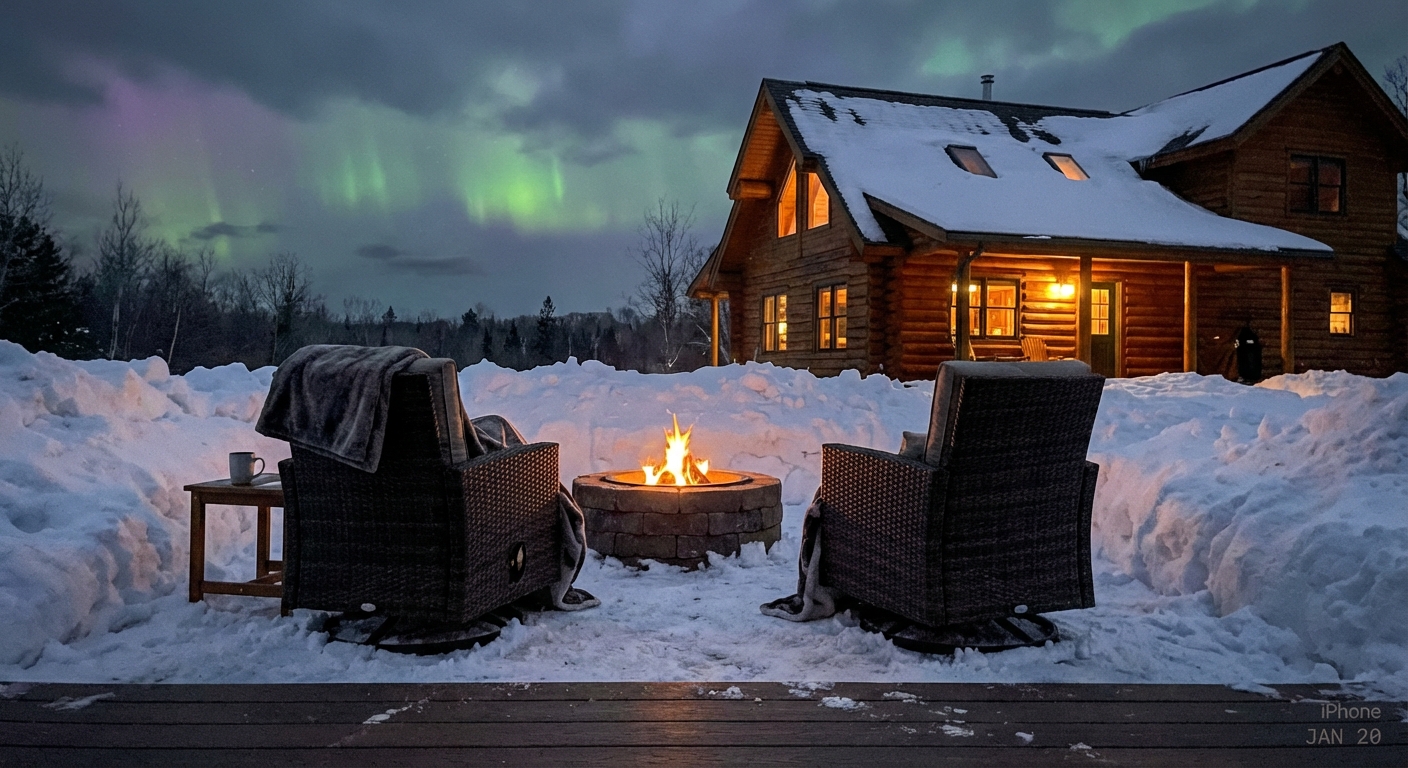
Are you dreaming of a deck in Minnesota but worried about how it will hold up against the harsh winters? You're right to be concerned. The extreme cold, heavy snow, and massive temperature swings – sometimes exceeding 130°F annually – demand careful planning and resilient materials. This guide provides practical solutions to ensure your deck survives and thrives in Minnesota's challenging climate.
Designing for Minnesota’s Extreme Weather
Minnesota's climate is unforgiving. Temperatures can plummet to -30°F or lower in winter and soar to 80-90°F in summer. This freeze-thaw cycle, combined with heavy snow loads ranging from 35-60 psf, puts immense stress on decks. Proper design and material selection are crucial.
🏗️ Planning a deck project?
Get a free manual project review, or visualize your dream deck with AI before requesting quotes.
The Critical Importance of Deep Footings
The single most important factor in Minnesota deck construction is the depth of your footings. The frost line in Minnesota ranges from 42 inches in the south to 60 inches in the north (especially around Duluth and the North Shore). Your footings *must* extend below this line. Failure to do so will result in the ground freezing and heaving, causing your deck to shift, crack, and potentially collapse. This is non-negotiable.
Material Selection: Composite is King
While wood decks are possible, composite decking is strongly preferred in Minnesota due to its superior resistance to moisture, rot, and insect damage. The freeze-thaw cycle wreaks havoc on wood, causing it to warp, crack, and splinter. While more expensive upfront, composite decking requires far less maintenance and will last significantly longer in Minnesota's climate. Cedar is a more weather-resistant wood option, but still requires regular staining and sealing.
Consider these typical installed deck costs in Minnesota:
| Material | Cost per Square Foot |
|----------------|-----------------------|
| Pressure-Treated | $24-42 |
| Cedar | $32-52 |
| Composite | $42-75 |
| Trex | $48-80 |
Accounting for Snow Loads
Minnesota decks must be structurally sound enough to withstand heavy snow loads. This means using appropriately sized joists, beams, and posts, spaced according to the local building code. The Minnesota Residential Code, based on the IRC with state amendments, is enforced by local building officials. Consult a qualified deck builder or structural engineer to ensure your deck meets these requirements. Snow loads vary across the state, with northern areas generally experiencing higher loads.
Preventing Ice Dams
When attaching a deck to your house, proper flashing is absolutely critical to prevent ice dams. Ice dams form when melting snow refreezes at the edge of the roof, blocking further drainage and causing water to back up under the shingles. This water can then leak into your home, causing significant damage. Ensure your deck builder uses high-quality flashing and follows best practices for ice dam prevention.
<!-- slot:after-intro -->
Minnesota Deck Design Ideas for Winter Resilience
Beyond structural considerations, thoughtful design can enhance your deck's winter performance and overall enjoyment.
Low-Maintenance Railings
Choose railings that are durable and require minimal maintenance. Aluminum, composite, and vinyl railings are all excellent options. Avoid wood railings, as they will require regular painting or staining to prevent rot and decay. Cable railings offer unobstructed views and are relatively low-maintenance.
Maximize Sunlight
In the winter, sunlight is a precious commodity. Design your deck to maximize sun exposure. Consider the orientation of your house and the surrounding trees. If possible, position your deck on the south or west side of your house to capture the most sunlight.
Built-In Seating
Built-in seating can create a cozy and inviting outdoor space, even in the winter. Consider adding a built-in bench with storage underneath for cushions and blankets. This can help protect these items from the elements and keep them readily accessible.
Fire Features
Adding a fire pit or outdoor fireplace can extend your deck's usability into the colder months. A fire feature provides warmth and ambiance, making your deck a more inviting place to gather with friends and family. Ensure you follow local regulations regarding fire pits and outdoor fireplaces.
Winter Deck Decor
Adding winter-themed decor can make your deck feel festive and inviting. Consider adding string lights, lanterns, and evergreen plants. You can also add outdoor rugs and throw pillows to create a cozy atmosphere. Choose weather-resistant materials that can withstand the elements.
Use PaperPlan (paperplan.app) to visualize your deck with PaperPlan design with different materials and layouts before committing to a contractor. See how different railing styles, seating arrangements, and fire features will look in your space.
Region-Specific Considerations
- Twin Cities Metro (Minneapolis, St. Paul, Suburbs): Expect moderate construction costs but higher labor costs. Many HOAs in suburbs like Eden Prairie, Plymouth, and Maple Grove require deck design approval. Mature lots in Minneapolis neighborhoods (Uptown, Linden Hills) offer unique deck-building opportunities. St. Paul's historic neighborhoods (Summit Avenue, Highland Park) often require designs that complement the existing architecture.
- Rochester/Southeast Minnesota: Slightly milder winters compared to the rest of the state. Fast-growing area with newer construction.
- Duluth/North Shore: Extreme weather conditions (lake-effect snow, fog, wind). Steep hillside lots offer spectacular lake views but require specialized construction techniques. Deeper frost lines (60 inches).
- St. Cloud/Central Minnesota: More affordable construction costs compared to the Twin Cities.
- Mankato/Southern Minnesota: Frost line is shallower (42 inches) compared to northern regions.
<!-- slot:mid-content -->
Permits, Codes, and Regulations
Navigating Minnesota's building codes and permit requirements can be tricky. Here's what you need to know:
When is a Permit Required?
In most Minnesota cities, you'll need a permit for decks that are:
- More than 30 inches above grade (ground level).
- Attached to your dwelling.
It's always best to check with your local building official to confirm the specific requirements in your area.
Typical Permit Costs
Permit costs vary depending on the municipality, but you can typically expect to pay between $75 and $450.
Working with Your HOA
If you live in a neighborhood with a homeowners association (HOA), you'll likely need to get their approval before building a deck. HOAs often have specific rules and guidelines regarding deck design, materials, and size. Make sure to review these guidelines carefully before starting your project. This is especially common in Twin Cities suburbs like Woodbury and Eagan.
Consider checking out these helpful related articles:
- How to Build a Deck in Minnesota: DIY Guide with Local Rules
- Protecting Your Minnesota Deck from Snow Loads & Ice Dams
Finding the Right Deck Builder in Minnesota
Building a deck that can withstand Minnesota's harsh winters requires expertise and experience. It's essential to hire a qualified deck builder who understands the local building codes, frost line depths, and snow load requirements.
Questions to Ask Potential Deck Builders
- Are you licensed and insured?
- How many years of experience do you have building decks in Minnesota?
- Are you familiar with the local building codes and permit requirements?
- Can you provide references from past clients?
- Do you offer a warranty on your work?
The Short Minnesota Build Season
Keep in mind that the deck-building season in Minnesota is relatively short, typically running from May to October. The ground is usually frozen from November to April, making it difficult to dig footings and pour concrete. Plan accordingly and book your deck builder well in advance to ensure your project can be completed during the build season.
For specific regional recommendations, check out these guides:
- Best Deck Builders in Plymouth, MN: West Metro Guide for 2026
- Best Deck Builders in Bloomington, MN: South Metro Guide for 2026
- Best Deck Builders in Eden Prairie, MN: SW Suburb Guide for 2026
<!-- slot:before-faq -->
Building a winter-ready deck in Minnesota is an investment that will enhance your outdoor living space for years to come. By carefully considering the design, materials, and construction techniques, you can create a deck that will withstand the harsh winters and provide a beautiful and functional space for your family to enjoy. Remember the Land of 10,000 Lakes offers incredible opportunities for lakefront deck builds!
<!-- slot:end -->
🎨 Not sure which material to pick?
Upload a photo of your backyard and see exactly how Trex, TimberTech, or cedar would look — free and instant.
Frequently Asked Questions
What is the best material for a deck in Minnesota?
Composite decking is generally the best choice for Minnesota due to its durability and resistance to moisture, rot, and insect damage. While more expensive upfront, it requires less maintenance than wood and will last longer in the state's harsh climate. Cedar is a good wood alternative but needs regular upkeep.
How deep should deck footings be in Minnesota?
Deck footings in Minnesota must extend below the frost line, which ranges from 42 inches in southern Minnesota to 60 inches in northern Minnesota (Duluth area). Contact your local building official for specific requirements in your area.
How do I prevent ice dams on my deck?
Proper flashing where the deck attaches to your house is crucial for preventing ice dams. Ensure your deck builder uses high-quality flashing and follows best practices for ice dam prevention.
Do I need a permit to build a deck in Minnesota?
In most Minnesota cities, you need a permit for decks that are more than 30 inches above grade or attached to your dwelling. Check with your local building official for specific requirements.
📋 Planning a deck project?
Get a free manual project review from our team — no obligation, no spam.
Get Free Project Review →Upload a backyard photo and preview real decking materials with AI — free, instant, no sign-up.
Permits, costs, material comparisons, and questions to ask before requesting quotes — delivered to your inbox.