
Protecting Your Minnesota Deck from Snow Loads & Ice Dams
Minnesota decks face brutal winters. Learn how to protect your deck from snow loads, ice dams, and extreme temperatures. Expert tips & maintenance guide.
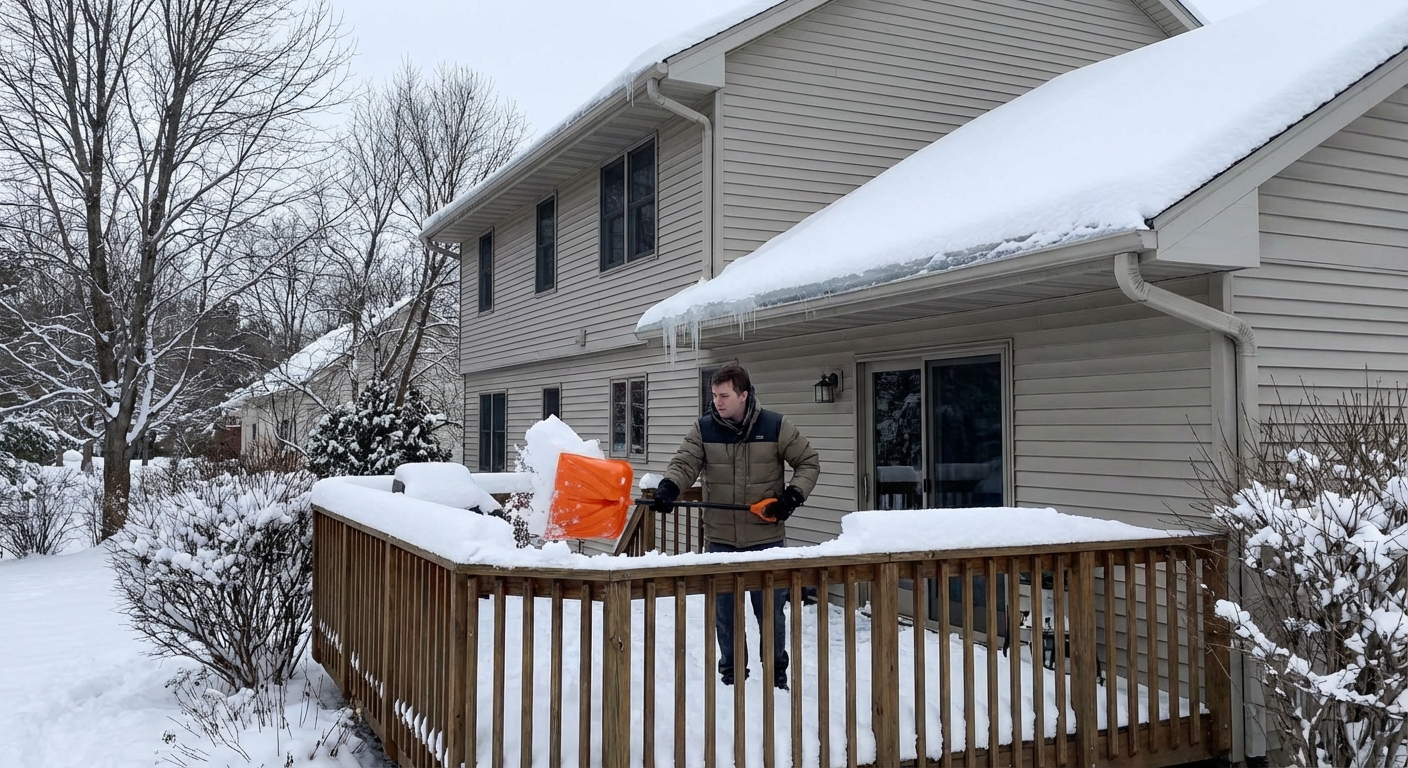
If you own a deck in Minnesota, you know winter can be brutal. Heavy snow, freezing temperatures, and the dreaded ice dams pose significant threats to your deck's structural integrity and longevity. This guide provides practical advice on protecting your deck from Minnesota's harsh winter conditions.
📅 Tool Alert: Maintenance Planner
Get a custom seasonal maintenance schedule to protect your investment for decades.
Plan Maintenance →Understanding Minnesota's Winter Challenges for Decks
Minnesota's climate is characterized by extreme cold winters and warm, humid summers. Temperatures can plummet to -30°F or colder, and the annual temperature range can exceed 130°F. This constant freeze-thaw cycle puts immense stress on deck materials. Adding to the challenge, Minnesota's frost line ranges from 42 inches in southern MN to 60 inches in northern MN/Duluth. This deep frost penetration requires robust foundation design.
🏗️ Planning a deck project?
Get a free manual project review, or visualize your dream deck with AI before requesting quotes.
Snow loads are another critical consideration. Ground snow loads in Minnesota range from 35-60 psf (pounds per square foot), depending on location. Your deck must be structurally designed to withstand this weight. Failing to account for snow loads can lead to deck collapse.
Finally, ice dams can form where your deck attaches to your house. Melting snow refreezes at the eaves, creating a dam that forces water under shingles and potentially into your home. Proper flashing is essential to prevent this.
<!-- slot:after-intro -->
Key Considerations for Deck Design and Construction in Minnesota
Building a deck that can withstand Minnesota's winters requires careful planning and execution. Here are the key factors to consider:
Frost Footings: The Foundation of a Stable Deck
In Minnesota, your deck's footings *must* extend below the frost line. This is non-negotiable. If your footings are above the frost line, the ground will freeze and thaw, causing the footings to heave and lift, ultimately damaging your deck. The frost line depth varies across the state:
- Southern Minnesota (Mankato area): 42 inches
- Twin Cities Metro Area: 48 inches
- Central Minnesota (St. Cloud area): 52 inches
- Northern Minnesota/Duluth: 60 inches
Consult with your local building official to confirm the exact frost line depth in your area.
Structural Design for Snow Loads
Your deck's framing must be strong enough to support the expected snow load. This requires proper joist sizing, beam spacing, and post support. The ground snow load varies across Minnesota, with higher values in the north:
- Southern Minnesota: 35-40 psf
- Twin Cities Metro Area: 40-45 psf
- Northern Minnesota: 50-60 psf
A qualified structural engineer or experienced deck builder can calculate the required load capacity and design your deck accordingly.
Material Selection: Choosing Durable Options
Minnesota's extreme weather demands durable, weather-resistant materials. While pressure-treated lumber is a common choice, composite decking is often preferred due to its superior resistance to moisture, rot, and insect damage.
Here's a comparison of common decking materials and their approximate installed costs in Minnesota:
| Material | Cost per Square Foot (Installed) | Pros | Cons |
| ----------------- | -------------------------------- | ------------------------------------------------------------------- | ----------------------------------------------------------------------- |
| Pressure-Treated | $24-42 | Affordable, readily available | Susceptible to rot and insect damage, requires regular maintenance |
| Composite | $42-75 | Low maintenance, durable, resists rot and insects | Higher upfront cost |
| Cedar | $32-52 | Naturally resistant to rot and insects, beautiful appearance | Requires regular staining and sealing, can be more expensive than PT |
| Trex (Composite) | $48-80 | Very durable, low maintenance, wide range of colors and styles | Higher upfront cost, can get hot in direct sunlight |
Preventing Ice Dams: Proper Flashing is Crucial
When attaching your deck to your house, proper flashing is paramount. Flashing is a metal or plastic barrier that prevents water from penetrating the connection point. Without proper flashing, melting snow can seep under your shingles, refreeze, and create an ice dam. This can lead to costly water damage inside your home. Ensure your deck builder uses high-quality flashing and installs it correctly.
Minnesota Building Codes and Permits
Decks in Minnesota are subject to the Minnesota State Building Code (Minnesota Residential Code based on the IRC with state amendments), which is enforced by local building officials. Decks over 30 inches above grade or attached to a dwelling typically require permits. Permit costs vary by municipality but generally range from $75-450.
Before starting your deck project, contact your local building department to determine the specific requirements in your area. This will ensure your deck is safe, code-compliant, and avoids potential fines or removal orders.
Deck Maintenance for Minnesota Winters
Even with proper design and construction, your deck requires regular maintenance to withstand Minnesota's harsh winters.
Snow Removal: Keeping Your Deck Clear
Removing snow from your deck is essential to prevent excessive snow loads. Use a plastic shovel to avoid damaging the deck surface. Be careful not to gouge or scrape the decking material. For composite decks, consider using a snow rake or a broom with soft bristles. Avoid using metal shovels or ice melt products containing harsh chemicals, as they can damage the decking.
Inspecting for Ice Dams: Early Detection is Key
Regularly inspect the area where your deck attaches to your house for signs of ice dam formation. Look for ice buildup along the eaves and any water stains on your interior walls. If you spot an ice dam forming, take action immediately. You can use a roof rake to remove snow from the eaves or hire a professional ice dam removal service.
Protecting Your Deck Surface: Preventing Damage
Minnesota's freeze-thaw cycles can cause significant damage to your deck surface. To protect your deck:
- Seal wood decks regularly: Apply a high-quality deck sealant every 1-2 years to prevent moisture penetration. See our guide on Deck Staining Tips for Minnesota Weather: Timing & Products for product recommendations.
- Clean your deck regularly: Remove dirt, leaves, and debris to prevent mold and mildew growth.
- Use mats and rugs: Place mats and rugs in high-traffic areas to protect the deck surface from wear and tear.
- Avoid using de-icing salts: Salts can damage wood and composite decking. Consider using sand or kitty litter for traction.
Spring Inspection: Assessing Winter Damage
After the snow melts, thoroughly inspect your deck for any signs of winter damage. Look for:
- Cracked or splintered boards
- Loose railings or posts
- Heaved or shifted footings
- Water stains or rot
- Damaged flashing
Address any issues promptly to prevent further damage and ensure your deck is safe for the upcoming summer season.
<!-- slot:mid-content -->
Region-Specific Considerations in Minnesota
Minnesota's diverse geography and microclimates require tailored approaches to deck building and maintenance.
Twin Cities Metro Area (Minneapolis & St. Paul)
The Twin Cities metro area has a high concentration of older homes, particularly in neighborhoods like Uptown, Linden Hills, Summit Avenue, and Highland Park. These areas often have mature lots that are well-suited for decks. However, many suburban HOAs (Eden Prairie, Plymouth, Maple Grove, Woodbury, Eagan) require approval for deck designs. Labor costs in the Twin Cities are generally higher than in other parts of the state. Use PaperPlan (paperplan.app) to visualize your deck with PaperPlan design with different materials and layouts before committing to a contractor, and ensure it meets HOA guidelines.
Rochester/Southeast Minnesota
Rochester is a rapidly growing city with a significant amount of new construction. Southeastern Minnesota generally experiences slightly milder winters than the rest of the state.
Duluth/North Shore
Duluth's location on Lake Superior exposes it to extreme weather conditions, including lake-effect snow, fog, and high winds. Many properties in Duluth have steep hillside lots, which require specialized deck designs and construction techniques. The spectacular lake views often drive premium deck builds. The deep frost line in this region (60 inches) is a critical consideration.
St. Cloud/Central Minnesota
Central Minnesota experiences cold winters and warm summers. Deck designs in this area should prioritize durability and weather resistance.
Mankato/Southern Minnesota
Southern Minnesota has the shallowest frost line in the state (42 inches), but still requires careful attention to footing depth.
<!-- slot:before-faq -->
Winter-Ready Deck Ideas for Minnesota
Consider these features to improve your deck's winter performance:
- Composite Decking: Reduces maintenance and resists moisture damage.
- Heated Deck Boards: Melt snow and ice for safe passage. See our guide on Winter-Ready Deck Ideas for Minnesota: Extreme Cold Solutions for more inspiration.
- Covered or Screened Decks: Provide protection from snow and wind. Learn more about Screened Porch and Deck Combos in Minnesota: Extended Season Living.
- Strategic Lighting: Enhances safety and visibility during dark winter months.
Protecting your Minnesota deck from snow loads and ice dams requires a proactive approach. By understanding the unique challenges of Minnesota's climate, choosing the right materials, and performing regular maintenance, you can ensure your deck remains safe, functional, and beautiful for years to come. Remember to consult with local building professionals and adhere to all applicable building codes. And if you are considering building it yourself, read our How to Build a Deck in Minnesota: DIY Guide with Local Rules.
<!-- slot:end -->
> 📘 Planning a deck in Minnesota? Read our Complete Guide to Deck Costs in Minnesota for detailed pricing, permits, and material comparisons.
🎨 Not sure which material to pick?
Upload a photo of your backyard and see exactly how Trex, TimberTech, or cedar would look — free and instant.
Frequently Asked Questions
What happens if my deck footings aren't deep enough?
If your deck footings don't extend below the frost line, the ground will freeze and thaw, causing the footings to heave and lift. This can lead to structural damage, including cracked boards, loose railings, and an unstable deck surface. In severe cases, the deck may become unusable or even collapse.
How often should I seal my wood deck in Minnesota?
You should seal your wood deck every 1-2 years, depending on the type of sealant used and the level of exposure to the elements. Check out Minnesota Deck Maintenance by Season: Year-Round Care Guide for more tips!
Can I use rock salt to melt ice on my composite deck?
No, you should avoid using rock salt or other de-icing salts containing harsh chemicals on your composite deck. These salts can damage the decking material and cause discoloration. Instead, use sand or kitty litter for traction.
How do I find a qualified deck builder in Minnesota?
Finding a qualified deck builder requires research and due diligence. Start by asking for recommendations from friends, family, or neighbors. Check online review sites like Google, Yelp, and Angie's List. Verify that the builder is licensed and insured. Get multiple quotes and compare them carefully. Ask for references and check them thoroughly. Ensure the builder is familiar with Minnesota building codes and has experience building decks in your specific region. If you are in the west metro, our guide to the Best Deck Builders in Plymouth, MN: West Metro Guide for 2026 can help.
Is composite decking really worth the extra cost in Minnesota?
While composite decking has a higher upfront cost than pressure-treated lumber, it offers significant long-term benefits in Minnesota's harsh climate. Composite decking is highly resistant to moisture, rot, and insect damage, which means it requires less maintenance and lasts longer than wood. Over time, the reduced maintenance costs and extended lifespan can offset the higher initial investment, making composite decking a worthwhile choice for many Minnesota homeowners.
📋 Planning a deck project?
Get a free manual project review from our team — no obligation, no spam.
Get Free Project Review →Upload a backyard photo and preview real decking materials with AI — free, instant, no sign-up.
Permits, costs, material comparisons, and questions to ask before requesting quotes — delivered to your inbox.