
Best Deck Builders in Minneapolis: Twin Cities Guide for 2026
Find the best Minneapolis deck builders for your dream outdoor space! Expert guide to costs, permits, materials & top contractors in 2026.
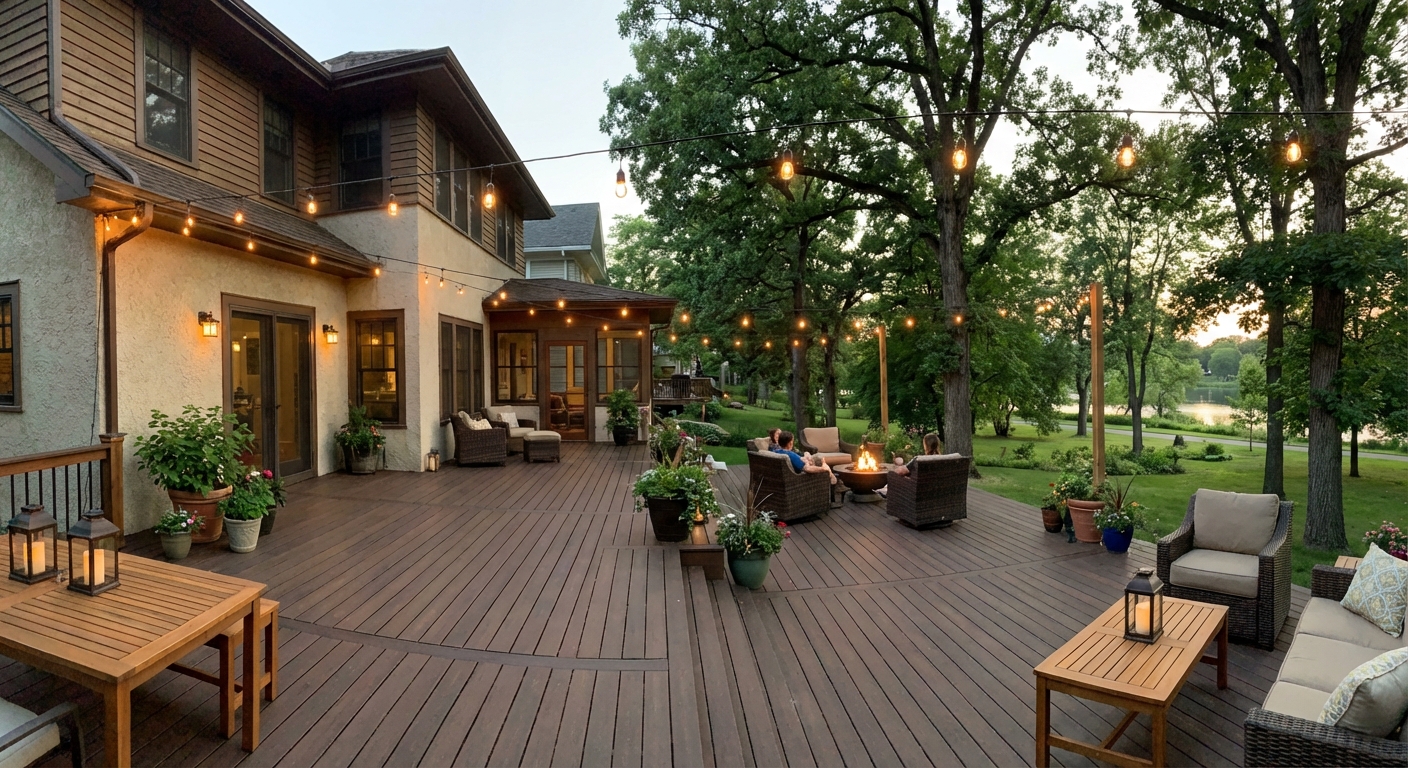
Building a new deck in Minneapolis requires careful planning and the right contractor. The extreme Minnesota climate demands expertise to ensure your deck withstands harsh winters and lasts for years to come. This guide will help you find the best deck builders in Minneapolis, understand local costs, navigate permits, and choose the perfect materials for your project.
Finding the Right Deck Builder in Minneapolis
Choosing a qualified deck builder is crucial for a successful project. Here's how to find the best fit for your needs:
🏗️ Planning a deck project?
Get a free manual project review, or visualize your dream deck with AI before requesting quotes.
- Check Licensing and Insurance: Verify that the contractor is licensed in Minnesota and carries adequate liability insurance and workers' compensation. Unlicensed contractors can leave you liable for accidents or shoddy workmanship.
- Review Portfolios and References: Ask for photos of completed projects and contact previous clients to gauge satisfaction with the builder's quality, communication, and adherence to timelines.
- Get Multiple Bids: Obtain quotes from at least three contractors to compare pricing, materials, and project timelines. Don't automatically choose the lowest bid; consider the overall value and the contractor's reputation.
- Read Online Reviews: Check reputable review sites like Google, Yelp, and the Better Business Bureau for unbiased feedback. Pay attention to both positive and negative reviews, looking for patterns in customer experiences.
- Understand the Contract: Carefully review the contract, ensuring it includes a detailed scope of work, payment schedule, materials specifications, warranty information, and a clear process for handling change orders.
<!-- slot:after-intro -->
Remember, a well-built deck adds value and enjoyment to your home. Taking the time to find the right contractor is an investment in the long-term quality and durability of your outdoor space.
Minneapolis Deck Building Costs: What to Expect in 2026
Deck costs in Minneapolis vary depending on the size, materials, design complexity, and contractor chosen. Here's a breakdown of typical costs:
| Material | Cost per Square Foot (Installed) |
|-------------------|-----------------------------------|
| Pressure-Treated | $24 - $42 |
| Cedar | $32 - $52 |
| Composite | $42 - $75 |
| Trex | $48 - $80 |
Keep in mind these are average prices. Decks with intricate designs, multiple levels, or custom features will cost more. Labor costs in the Twin Cities metro area are generally higher than in other parts of Minnesota, which can impact overall project expenses. For a comprehensive breakdown, see How Much Does a Deck Cost in Minnesota? Complete 2026 Guide and Deck Cost Per Square Foot in Minnesota: 2026 Pricing Breakdown.
Navigating Minneapolis Deck Permits and Building Codes
Most decks in Minneapolis require a permit. Decks over 30 inches above grade or attached to a dwelling typically trigger permit requirements. Contact the Minneapolis Development Review at (612) 673-3000 or visit their website for specific requirements.
Here's what you need to know:
- Permit Costs: Expect to pay between $75 and $450 for a deck permit in Minneapolis, depending on the project's scope.
- Minnesota State Building Code: Minneapolis enforces the Minnesota Residential Code, which is based on the International Residential Code (IRC) with state amendments.
- Frost Line: The frost line in southern Minnesota is typically around 42 inches. Your deck's footings MUST extend below this depth to prevent heaving during freeze-thaw cycles. This is THE most critical factor in Minnesota deck building.
- Snow Loads: Minneapolis has a ground snow load of 35-60 psf, so your deck's structural design must account for heavy snow accumulation.
- Ice Dam Prevention: Proper flashing where the deck attaches to your house is essential to prevent ice dams and water damage.
It's crucial to familiarize yourself with these requirements to ensure your deck is safe, code-compliant, and built to last. See Do You Need a Deck Permit in Minnesota? City & County Rules and Minneapolis Deck Permit: Requirements, Costs & How to Apply in 2026 for more details.
Choosing the Right Materials for Your Minneapolis Deck
Minnesota's climate presents unique challenges for deck building. The extreme temperature swings, heavy snow, and freeze-thaw cycles can wreak havoc on materials.
- Composite Decking: Composite decking is a popular choice due to its durability, low maintenance, and resistance to rot and insects. Brands like Trex are widely used in Minnesota. While initially more expensive, composite decking can save you money in the long run by eliminating the need for staining, sealing, and repairs. See Composite Deck Cost in Minnesota: What to Expect in 2026 for more information.
- Cedar Decking: Cedar is a naturally beautiful and durable wood that resists rot and insects. It requires regular staining or sealing to maintain its appearance and prevent weathering.
- Pressure-Treated Lumber: Pressure-treated lumber is the most affordable option but requires more maintenance than composite or cedar. It's susceptible to warping, cracking, and splintering over time.
Given the Minnesota climate, composite decking is often the preferred choice for its longevity and low maintenance. Use PaperPlan (paperplan.app) to visualize your deck with PaperPlan design with different materials and layouts before committing to a contractor. This will help you see how each material looks on *your* home.
<!-- slot:mid-content -->
Minneapolis Neighborhood Considerations
Different Minneapolis neighborhoods have unique characteristics that can influence your deck project:
- Uptown, Linden Hills, Southwest Minneapolis: These older neighborhoods often have mature trees and smaller lot sizes. Deck designs may need to be more creative to maximize space and work around existing landscaping.
- North Loop, Downtown: Condos and townhomes in these areas may have specific HOA restrictions or limited outdoor space.
- Newer Developments (e.g., in some parts of Northeast Minneapolis): These areas may have larger lots but also stricter HOA rules regarding deck size, materials, and design.
Always check with your homeowner's association (HOA) before starting any deck project to ensure compliance with their guidelines.
Finding Deck Builders in Specific Minneapolis Neighborhoods
Here are some areas within Minneapolis to consider when looking for deck builders:
- South Minneapolis: High demand for decks in neighborhoods like Fulton, Kenny, and Linden Hills.
- North Minneapolis: Growing interest in outdoor living spaces in areas like Victory and Webber-Camden.
- Northeast Minneapolis: Popular for its arts scene and breweries, with many homeowners seeking stylish and functional decks.
Timing Your Minneapolis Deck Project
The deck building season in Minnesota is short, typically running from May to October. The ground is usually frozen from November to April, making it difficult to dig footings. It's best to start planning your project in the winter or early spring to secure a contractor and materials before the busy season begins.
Key Considerations for Lakefront Decks
Minneapolis, being in the "Land of 10,000 Lakes," has a significant market for lakefront decks. These projects require special attention to:
- Erosion Control: Implement measures to prevent soil erosion and protect the shoreline.
- Permits: Obtain any necessary permits from the Department of Natural Resources (DNR) and local authorities.
- Materials: Choose materials that are resistant to moisture and UV damage.
Beyond Minneapolis: Twin Cities Considerations
If you are outside of Minneapolis proper but still in the Twin Cities metro area, consider these location-specific factors:
- St. Paul: Historic homes in areas like Summit Avenue and Highland Park may require specialized deck designs to complement the architecture. See Best Deck Builders in St. Paul, MN: Capital City Guide for 2026
- Suburbs (Eden Prairie, Plymouth, Maple Grove, Woodbury, Eagan): Many of these suburbs have strict HOA rules that can impact deck design and materials.
<!-- slot:before-faq -->
Ultimately, finding the best deck builder in Minneapolis involves careful research, planning, and communication. By understanding local costs, permit requirements, material options, and neighborhood considerations, you can create a beautiful and functional outdoor space that you'll enjoy for years to come.
<!-- slot:end -->
🎨 Not sure which material to pick?
Upload a photo of your backyard and see exactly how Trex, TimberTech, or cedar would look — free and instant.
Frequently Asked Questions
What are the most common deck problems in Minneapolis?
The most common problems include:
- Heaving: Caused by inadequate footings that don't extend below the frost line.
- Rot and Decay: Due to moisture and lack of maintenance, especially in wood decks.
- Ice Dams: Resulting from improper flashing where the deck attaches to the house.
- Warping and Cracking: Caused by extreme temperature swings and UV exposure.
How can I prevent ice dams from forming on my deck?
Ensure that your deck builder properly flashes the connection between the deck and your house. This will create a barrier that prevents water from seeping under the shingles and freezing.
Is it better to build a deck in the spring or fall in Minneapolis?
Spring is generally the best time to build a deck in Minneapolis. This allows you to enjoy your deck throughout the summer and fall. However, be aware that contractors may be busier in the spring, so it's essential to book your project in advance.
How long will my deck last in Minneapolis?
The lifespan of your deck depends on the materials used and how well it's maintained. A pressure-treated deck may last 10-15 years, while a cedar deck can last 15-20 years with proper care. A composite deck can last 25 years or more with minimal maintenance.
What should I look for in a deck building contract?
Your contract should include:
- A detailed scope of work
- Payment schedule
- Materials specifications
- Warranty information
- A clear process for handling change orders
- The contractor's license and insurance information
- Start and end dates for the project
📋 Planning a deck project?
Get a free manual project review from our team — no obligation, no spam.
Get Free Project Review →Upload a backyard photo and preview real decking materials with AI — free, instant, no sign-up.
Permits, costs, material comparisons, and questions to ask before requesting quotes — delivered to your inbox.