
Minneapolis Deck Permit: Requirements, Costs & How to Apply in 2026
Navigating Minneapolis deck permits in 2026. Learn requirements, costs, and how to apply. Avoid fines & build your dream deck legally!
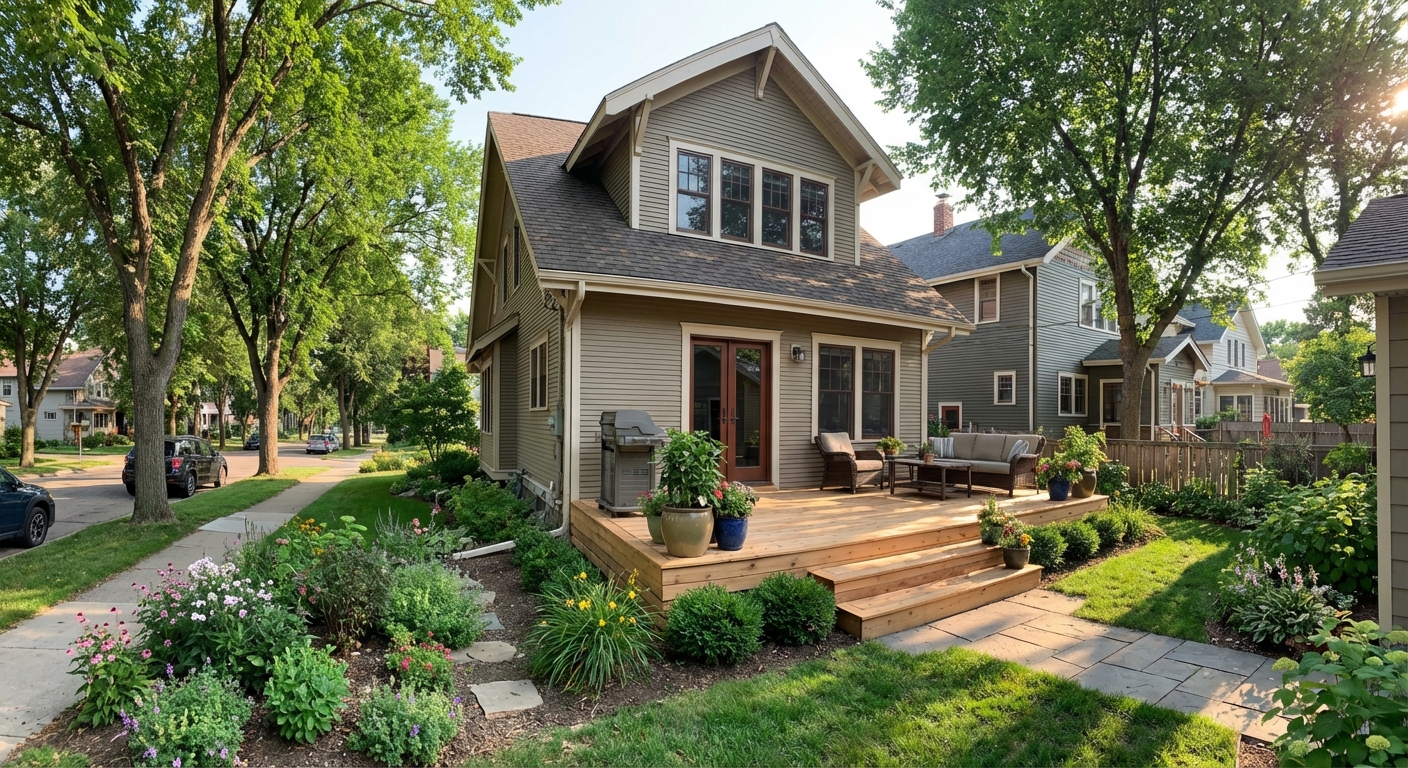
Building a new deck, or even significantly altering an existing one, in Minneapolis requires a permit. Ignoring this step can lead to costly fines, project delays, and even forced demolition. This guide provides a clear understanding of Minneapolis deck permit requirements, costs, and the application process, so you can build your deck legally and with confidence.
📋 Tool Alert: Permit Checker
Do you really need a permit? Check the exact rules for your city or township.
Check Permits →Do You Need a Deck Permit in Minneapolis?
In Minneapolis, like most cities in Minnesota, you’ll need a permit if your deck meets either of these criteria:
🏗️ Planning a deck project?
Get a free manual project review, or visualize your dream deck with AI before requesting quotes.
- It's more than 30 inches above grade (ground level).
- It's attached to your house.
Even if your deck is *not* attached and *less than* 30 inches high, it’s always a good idea to check with the City of Minneapolis Zoning Department to ensure you aren't violating any local ordinances or setback requirements. Many older neighborhoods like Uptown, Linden Hills, and Southwest Minneapolis have unique zoning regulations due to their mature lot sizes.
<!-- slot:after-intro -->
Minneapolis Deck Permit Requirements: Key Considerations
Before you start the permit application, you need to gather specific information and documents. Here's a checklist to help you prepare:
- Site Plan: A drawing showing your property lines, the location of your house, and the proposed location of the deck. This needs to include distances to property lines and any easements. Minneapolis lot sizes vary greatly, so accurate measurements are crucial.
- Construction Drawings: Detailed plans showing the dimensions of the deck, the size and spacing of the posts, beams, and joists, and the type of materials you’ll be using. These drawings must comply with the Minnesota State Building Code (Minnesota Residential Code based on the IRC with state amendments).
- Footing Details: Given Minnesota's extreme climate and deep frost line, your footing design is critical. Your plans must show the depth and diameter of the footings, ensuring they extend below the frost line (typically 42 inches in Minneapolis). Using helical piles can be a viable alternative in certain soil conditions.
- Material Specifications: A list of all materials used, including lumber type and grade, decking material, and fasteners. Many homeowners in the Twin Cities prefer composite decking due to its durability in our freeze-thaw cycles.
- Snow Load Calculations: Minneapolis experiences significant snowfall. Your structural design needs to account for a ground snow load of approximately 35-60 psf, depending on the specific location within the city.
- Details on Attachment to House: If the deck is attached, provide details on how it will be connected, including flashing details to prevent ice dams and water infiltration. This is extremely important to prevent water damage to your home.
- Homeowner's Association (HOA) Approval (if applicable): If you live in a neighborhood with an HOA, you'll likely need their approval before applying for a city permit. This is common in many Twin Cities suburbs.
Use PaperPlan (paperplan.app) to visualize your deck with PaperPlan design with different materials and layouts before committing to a contractor and finalizing your construction drawings. This can help you avoid costly changes later.
Applying for a Minneapolis Deck Permit: Step-by-Step
Minneapolis uses an online permitting system. Here's a step-by-step guide:
1. Gather Your Documents: Ensure you have all the required documents listed above in digital format (PDFs are usually preferred).
2. Visit the City of Minneapolis Development Services Website: Navigate to the online permitting portal.
3. Create an Account or Log In: If you don't have an account, you'll need to create one.
4. Start a New Application: Select the appropriate permit type (likely "Residential Building Permit - Deck").
5. Fill Out the Application Form: Provide all the required information about your project, including your address, contact information, and project details.
6. Upload Your Documents: Upload all the required documents in the specified format.
7. Pay the Permit Fee: The fee will depend on the size and complexity of your deck. See the next section for cost estimates.
8. Submit Your Application: Review your application carefully before submitting it.
9. Track Your Application: You can track the status of your application online.
Minneapolis Deck Permit Costs: What to Expect
The cost of a Minneapolis deck permit varies depending on the size and complexity of your project. Generally, you can expect to pay between $75 and $450. The city assesses fees based on the valuation of the project, which includes the cost of materials and labor.
Here's a table illustrating estimated deck costs in Minnesota, which will affect the overall valuation used to calculate permit fees:
| Material | Cost per Square Foot (Installed) |
|-------------------|-----------------------------------|
| Pressure-Treated | $24 - $42 |
| Composite | $42 - $75 |
| Cedar | $32 - $52 |
| Trex | $48 - $80 |
Keep in mind that these are just estimates. Get quotes from local Minneapolis deck builders for a more accurate assessment of your project costs. The Twin Cities metro generally has higher labor costs than other parts of Minnesota.
<!-- slot:mid-content -->
Navigating Inspections: What Happens After You Get Your Permit
Once your permit is approved, you can start building your deck. However, you'll need to schedule inspections at various stages of the construction process. Common inspections include:
- Footing Inspection: This is done *before* pouring concrete, to ensure the footings are the correct depth and size and meet code requirements. Given the importance of frost depth in Minnesota, this is a critical inspection.
- Framing Inspection: This is done after the deck framing is complete but before the decking is installed. The inspector will check the joist spacing, beam sizes, and overall structural integrity of the frame.
- Final Inspection: This is done after the deck is fully completed. The inspector will ensure that all work meets code requirements and that the deck is safe to use.
To schedule an inspection, contact the City of Minneapolis Inspection Services. It's best to schedule inspections in advance, as they can sometimes be booked out several days. Remember that Minnesota's build season is short (May-October), so delays can be costly.
Common Minneapolis Deck Permit Pitfalls & How to Avoid Them
- Inaccurate Site Plans: Failing to accurately depict property lines and setbacks can lead to permit rejection or costly rework.
- Incorrect Footing Depth: Not accounting for the 42-inch frost line in Minneapolis is a major issue that will result in a failed inspection.
- Improper Attachment to House: Incorrect flashing and attachment methods can lead to water damage and ice damming, especially with Minnesota's extreme temperature swings (up to 130°F annual range).
- Using Non-Compliant Materials: Ensure all materials meet the Minnesota State Building Code requirements.
- Starting Work Without a Permit: This can result in significant fines and delays.
To avoid these pitfalls, work with a qualified Minneapolis deck builder who is familiar with local codes and permitting requirements. They can help you navigate the process and ensure your deck is built to code.
<!-- slot:before-faq -->
Minneapolis vs. Surrounding Cities: Permit Differences
While the Minnesota State Building Code provides a baseline, specific requirements and costs can vary slightly between Minneapolis and surrounding cities like St. Paul, Rochester, and Duluth.
- St. Paul: Similar permit requirements to Minneapolis, but may have different fees and slightly different interpretations of the code. St. Paul's historic neighborhoods often have additional design review requirements.
- Rochester: A rapidly growing city with a slightly different climate than the Twin Cities (milder winters). Permit processes are generally streamlined to accommodate the growth.
- Duluth: Due to its location on Lake Superior, Duluth experiences extreme weather conditions and has unique challenges related to steep hillside lots. This can impact deck design and permitting requirements. Footing depths may need to exceed 60 inches due to the deeper frost line.
If you're considering building a deck near a lake in Minnesota ("Land of 10,000 Lakes"), be sure to investigate any additional shoreline regulations that may apply.
🎨 Not sure which material to pick?
Upload a photo of your backyard and see exactly how Trex, TimberTech, or cedar would look — free and instant.
Frequently Asked Questions
Do I need a permit to replace decking boards on an existing deck?
Generally, replacing decking boards *alone* doesn't require a permit, as long as you're not altering the structural components of the deck. However, it's always best to check with the City of Minneapolis to confirm. If you're upgrading to a different type of decking (e.g., from wood to composite), it's definitely worth checking.
How long does it take to get a deck permit in Minneapolis?
The processing time for a deck permit in Minneapolis can vary depending on the complexity of the project and the current workload of the building department. Typically, it takes between 2 to 6 weeks to receive a permit. Plan accordingly, especially given Minnesota's short build season.
What happens if I build a deck without a permit in Minneapolis?
Building a deck without a permit can result in fines, stop-work orders, and even forced removal of the deck. It's always best to obtain the necessary permits before starting any construction work.
Can I apply for a deck permit myself, or do I need a contractor?
You can apply for a deck permit yourself as a homeowner. However, it's often easier and more efficient to have a qualified contractor handle the permitting process, as they are familiar with the requirements and can ensure all necessary documents are submitted correctly. Hiring one of the Best Deck Builders in Minneapolis: Twin Cities Guide for 2026 can streamline the process.
<!-- slot:end -->
📋 Planning a deck project?
Get a free manual project review from our team — no obligation, no spam.
Get Free Project Review →Upload a backyard photo and preview real decking materials with AI — free, instant, no sign-up.
Permits, costs, material comparisons, and questions to ask before requesting quotes — delivered to your inbox.