
Minnesota Deck Maintenance by Season: Year-Round Care Guide
Keep your Minnesota deck strong through extreme weather. This year-round guide covers cleaning, repairs, snow removal, and seasonal prep for lasting beauty.
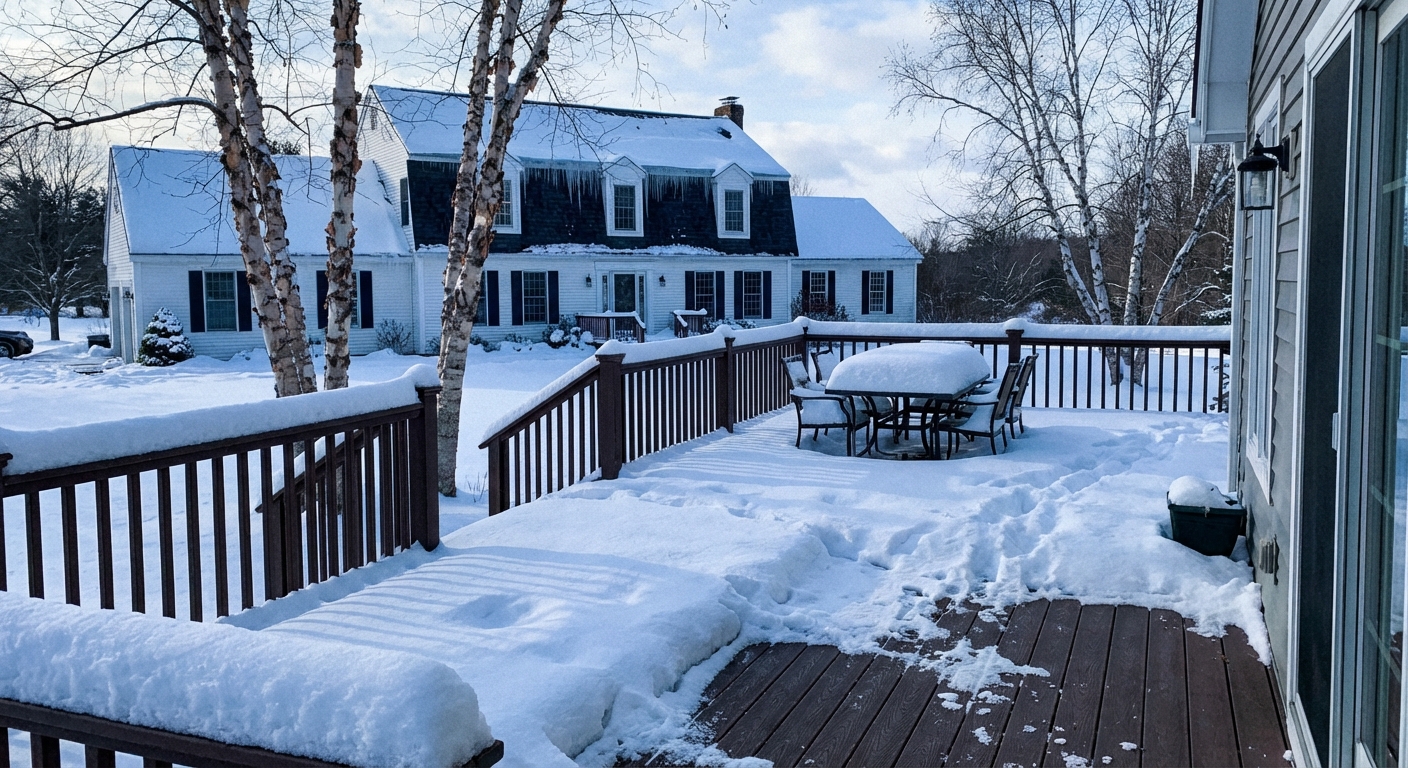
Are you struggling to keep your Minnesota deck in top shape through brutal winters and humid summers? Maintaining a deck in the Land of 10,000 Lakes requires a proactive approach, tailored to each season. This guide provides a comprehensive maintenance schedule to protect your investment and ensure your outdoor space remains beautiful and functional for years to come. We'll cover everything from cleaning and staining to snow removal and structural inspections, with Minnesota-specific considerations in mind.
📅 Tool Alert: Maintenance Planner
Get a custom seasonal maintenance schedule to protect your investment for decades.
Plan Maintenance →Spring: Assessment, Cleaning, and Repair
Spring in Minnesota is a welcome relief, but it's also the time to assess the damage winter has wrought on your deck. The freeze-thaw cycle can be particularly harsh, leading to cracks, splinters, and loose boards.
🏗️ Planning a deck project?
Get a free manual project review, or visualize your dream deck with AI before requesting quotes.
Inspection After Winter
Carefully inspect your deck for the following:
- Loose or popped nails/screws: Replace or tighten them immediately.
- Cracked or splintered boards: Small cracks can be filled; larger ones may require board replacement.
- Rotting wood: Probe suspect areas with a screwdriver. Soft or spongy wood indicates rot, requiring immediate attention. Pay special attention to areas near the ground and where water tends to pool.
- Loose railings or posts: These are safety hazards and should be repaired promptly.
- Damaged flashing: Check the flashing where the deck attaches to your house. Damaged flashing can lead to ice dams and water damage inside your home. This is especially critical to prevent costly repairs.
- Footings: Examine the concrete footings for any signs of heaving or cracking. Remember, Minnesota's frost line ranges from 42 inches in the south to 60 inches in the Duluth area. If footings are compromised, the deck's structural integrity is at risk.
Deep Cleaning for Summer
Once the inspection is complete, it's time to clean your deck.
1. Sweep away debris: Remove leaves, dirt, and other accumulated debris with a stiff broom.
2. Wash the deck: Use a deck cleaner specifically designed for your deck material (wood or composite). Follow the manufacturer's instructions carefully. For wood decks, a pressure washer can be effective, but use a low setting to avoid damaging the wood fibers. For composite decks, gentler cleaning methods are preferred.
3. Rinse thoroughly: Rinse the deck thoroughly with clean water to remove all traces of the cleaner.
Staining or Sealing (If Needed)
After cleaning, allow the deck to dry completely (at least 48 hours of dry weather). Then, assess whether it needs to be stained or sealed. Water should bead up on a properly sealed deck. If water soaks in, it's time to reapply a sealant or stain. Be sure to consult Deck Staining Tips for Minnesota Weather: Timing & Products before beginning.
- Wood Decks: Apply a high-quality stain or sealant designed for exterior use. Choose a product with UV protection to prevent fading and graying.
- Composite Decks: Most composite decks don't require staining or sealing, but some may benefit from a protectant to enhance color and resistance to stains. Check the manufacturer's recommendations.
<!-- slot:after-intro -->
Summer: Enjoyment and Ongoing Monitoring
Summer is the time to enjoy your deck! However, it's also important to perform regular maintenance to keep it in good condition.
Regular Cleaning
Sweep your deck regularly to remove dirt and debris. Spills should be cleaned up immediately to prevent staining.
Inspect for Pests
Check for signs of insect infestation, such as carpenter bees or termites. Address any issues promptly to prevent further damage.
Monitor for Wear and Tear
Continue to monitor your deck for any signs of wear and tear, such as loose boards or cracked railings. Address these issues as soon as possible to prevent them from becoming bigger problems.
Landscaping Considerations
Keep vegetation trimmed away from your deck to improve airflow and prevent moisture buildup. This is particularly important in areas like Duluth and the North Shore where humidity can be high. Consider incorporating native Minnesota plants into your landscaping for a low-maintenance and environmentally friendly approach.
Fall: Preparation for Winter
Fall is the critical time to prepare your deck for the harsh Minnesota winter. This is when you need to take steps to protect it from snow, ice, and extreme temperatures.
Thorough Cleaning
Give your deck one final thorough cleaning before winter sets in. Remove all leaves, dirt, and debris. Pay special attention to areas where debris tends to accumulate, such as between deck boards and around posts.
Inspect and Repair (Again)
Perform another inspection of your deck, focusing on any potential weaknesses that could be exacerbated by winter weather. Repair any loose boards, railings, or steps.
Apply a Water Repellent (Wood Decks)
If you have a wood deck, apply a water repellent to protect it from moisture damage. Choose a product specifically designed for exterior use and follow the manufacturer's instructions carefully.
Snow Removal Plan
Develop a plan for snow removal. Purchase a plastic shovel to avoid damaging your deck surface. Avoid using metal shovels or ice melt products containing salt, as these can damage wood and concrete. Learn more in Protecting Your Minnesota Deck from Snow Loads & Ice Dams.
Furniture Storage
Store your deck furniture in a shed, garage, or other protected area. If you must leave furniture outside, cover it with waterproof tarps.
Consider a Professional Inspection
If you're unsure about the condition of your deck, consider hiring a professional deck inspector. They can identify potential problems and recommend solutions before winter arrives. This is especially important if you live in an older home in areas like Minneapolis or St. Paul.
<!-- slot:mid-content -->
Winter: Snow Removal and Monitoring
Winter in Minnesota can be brutal, but with proper preparation, you can minimize the risk of damage to your deck.
Regular Snow Removal
Remove snow from your deck regularly to prevent excessive snow buildup. Heavy snow loads can put a strain on your deck's structure, potentially leading to damage. Remember that Minnesota decks must be designed to withstand snow loads of 35-60 psf depending on location.
Avoid Ice Melt Products with Salt
As mentioned earlier, avoid using ice melt products containing salt, as these can damage wood and concrete. If you must use an ice melt product, choose one that is specifically designed for decks.
Monitor for Ice Dams
Keep an eye out for ice dams forming where your deck attaches to your house. Ice dams can cause water to back up under your shingles, leading to leaks and water damage inside your home. Ensure proper flashing is in place to prevent this.
Limit Deck Use
While it might be tempting to use your deck during the winter, it's best to limit its use to avoid putting unnecessary stress on the structure. Consider Winter-Ready Deck Ideas for Minnesota: Extreme Cold Solutions for making your deck more accessible during the winter months.
Material Matters: Choosing the Right Decking for Minnesota
Your choice of decking material significantly impacts the maintenance required. Given Minnesota's extreme climate, certain materials perform better than others.
| Material | Cost (Installed per sq ft) | Maintenance Level | Pros | Cons |
|--------------------|-----------------------------|-------------------|---------------------------------------------------------------------|--------------------------------------------------------------------|
| Pressure-Treated Wood | $24-42 | High | Affordable, readily available | Prone to rot and insect damage, requires regular staining/sealing |
| Cedar | $32-52 | Medium | Naturally rot-resistant, aesthetically pleasing | More expensive than pressure-treated wood, requires some maintenance |
| Composite | $42-75 | Low | Durable, low-maintenance, resistant to rot and insects | More expensive than wood, can get hot in direct sunlight |
| Trex | $48-80 | Low | Highly durable, fade-resistant, wide range of colors and styles | Most expensive option, can be slippery when wet |
Composite decking is often preferred in Minnesota due to its low maintenance requirements and resistance to the elements. While the initial cost is higher, the long-term savings on maintenance can make it a worthwhile investment. Use PaperPlan (paperplan.app) to visualize your deck with PaperPlan design with different materials and layouts before committing to a contractor.
Permits and Regulations
Before building or making significant changes to your deck, it's crucial to understand Minnesota's building codes and permit requirements. The Minnesota Residential Code, based on the International Residential Code (IRC) with state amendments, is enforced by local building officials.
- Permits: Decks over 30 inches above grade or attached to a dwelling typically require permits in most Minnesota cities.
- Permit Costs: Typical permit costs range from $75-450 depending on the municipality.
- Footings: Ensure your deck footings extend below the frost line (42-60 inches) to prevent heaving.
- HOA Approval: If you live in a Twin Cities suburb like Eden Prairie, Plymouth, or Maple Grove, check with your homeowner's association (HOA) for any specific requirements or restrictions.
<!-- slot:before-faq -->
Maintaining a deck in Minnesota requires a year-round commitment. By following this guide and adapting it to your specific location (Twin Cities metro, Rochester/SE Minnesota, Duluth/North Shore, St. Cloud/Central MN, Mankato/Southern MN) and deck material, you can ensure that your outdoor space remains a beautiful and functional part of your home for many years to come.
<!-- slot:end -->
> 📘 Planning a deck in Minnesota? Read our Complete Guide to Deck Costs in Minnesota for detailed pricing, permits, and material comparisons.
🎨 Not sure which material to pick?
Upload a photo of your backyard and see exactly how Trex, TimberTech, or cedar would look — free and instant.
Frequently Asked Questions
How often should I stain or seal my wood deck in Minnesota?
It depends on the product you use and the amount of sun and weather exposure your deck receives. A good rule of thumb is to reapply stain or sealant every 1-3 years. Test the deck by pouring water on it. If the water beads up, the sealant is still effective. If the water soaks in, it's time to reapply.
Can I use rock salt to melt ice on my deck?
No, avoid using rock salt or other ice melt products containing salt. Salt can damage wood and concrete. Choose an ice melt product specifically designed for decks or use sand for traction.
How do I prevent ice dams from forming where my deck attaches to my house?
Ensure proper flashing is installed where the deck attaches to the house. This will prevent water from backing up under your shingles and causing leaks. Regularly remove snow from the deck near the house to minimize the risk of ice dam formation.
What are the key considerations for building a deck in Duluth, MN, due to the lake effect?
Duluth experiences extreme weather, including heavy lake-effect snow, strong winds, and fog. When building a deck in Duluth, ensure it's designed to withstand heavy snow loads. Use durable, weather-resistant materials like composite decking. Consider a design that minimizes wind exposure and allows for proper drainage. Due to steep hillsides, foundation design is even more critical.
How much does it cost to hire a professional deck builder in Minnesota?
Minnesota has moderate construction costs, but labor can be higher in the Twin Cities metro area. Expect to pay between $24-80 per square foot for deck installation, depending on the material you choose. Get quotes from multiple contractors to compare prices. Consider contacting deck builders in Best Deck Builders in Plymouth, MN: West Metro Guide for 2026 or Best Deck Builders in Bloomington, MN: South Metro Guide for 2026 if you are located in those areas.
📋 Planning a deck project?
Get a free manual project review from our team — no obligation, no spam.
Get Free Project Review →Upload a backyard photo and preview real decking materials with AI — free, instant, no sign-up.
Permits, costs, material comparisons, and questions to ask before requesting quotes — delivered to your inbox.