
How Much Does a Deck Cost in Minnesota? Complete 2026 Guide
Planning a new deck in Minnesota? Get 2026 cost estimates for pressure-treated, composite, cedar & Trex decks. Includes permit info, snow load factors & regional pricing.
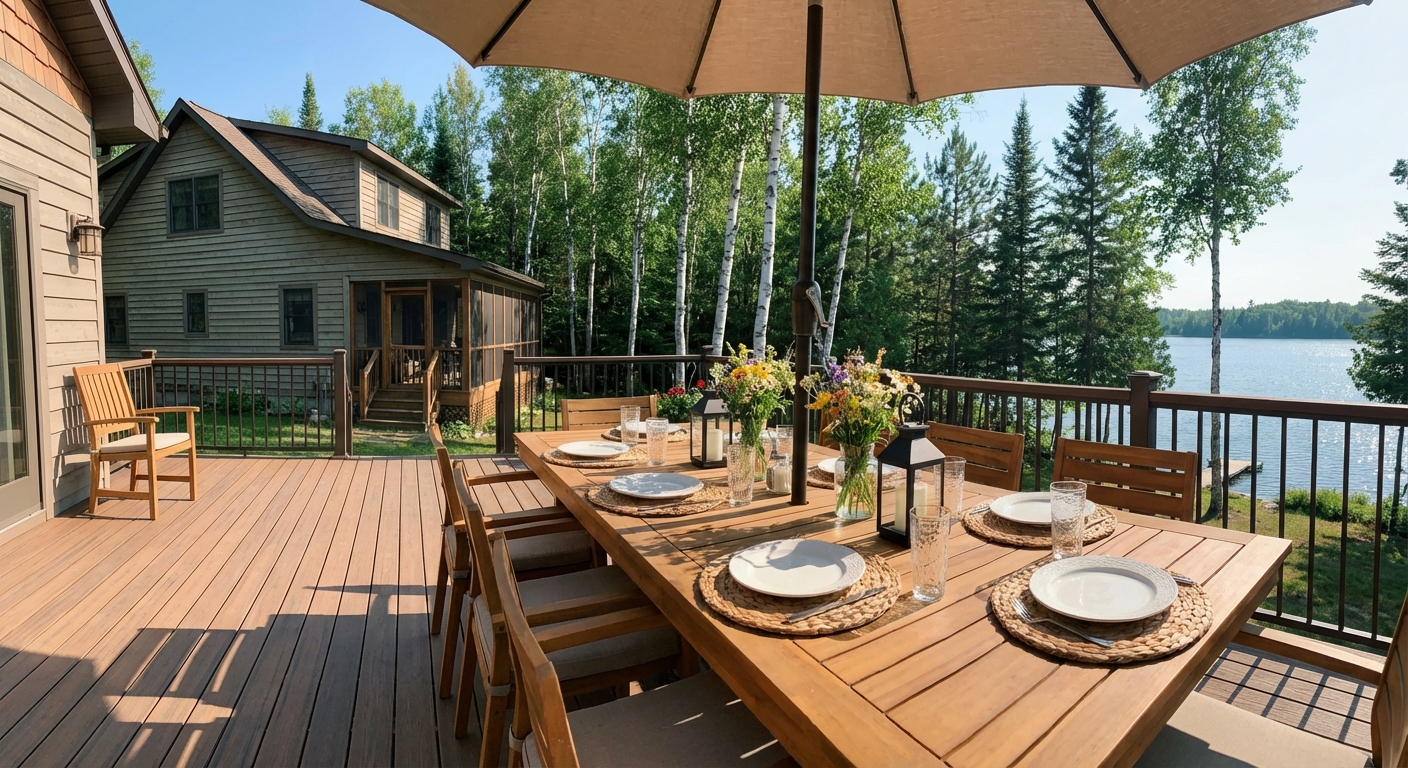
If you're dreaming of a new deck in Minnesota, you're probably wondering about the cost. Building a deck in the Land of 10,000 Lakes presents unique challenges and opportunities, and understanding the factors that influence pricing is essential for budgeting and planning. This guide breaks down deck costs in Minnesota for 2026, covering materials, labor, permits, and regional considerations.
🧮 Tool Alert: Deck Cost Calculator
Estimate your project costs in seconds based on local pricing bands for your area.
Calculate My Cost →Deck Cost Overview in Minnesota
Minnesota has moderate construction costs compared to the national average. While material prices are competitive with other Midwestern states, labor costs, especially in the Twin Cities metro area, can be higher. Expect to pay more for specialized features, complex designs, and lakefront properties. The short building season (May-October) also impacts project timelines and potentially increases costs due to contractor availability.
🏗️ Planning a deck project?
Get a free manual project review, or visualize your dream deck with AI before requesting quotes.
Here's a general overview of deck costs per square foot in Minnesota, installed:
- Pressure-Treated Lumber: $24-$42/sqft
- Cedar: $32-$52/sqft
- Composite: $42-$75/sqft
- Trex: $48-$80/sqft
These prices are estimates. Actual costs will vary based on your specific project details.
<!-- slot:after-intro -->
Factors Affecting Deck Costs in Minnesota
Several factors influence the overall cost of your deck project. Understanding these will help you make informed decisions and get accurate quotes.
Materials
The type of decking material you choose is a primary cost driver.
- Pressure-Treated Lumber: The most affordable option, but requires regular maintenance (staining, sealing) to withstand Minnesota's harsh winters and humid summers.
- Cedar: A naturally beautiful and durable wood, but more expensive than pressure-treated lumber. Also requires regular maintenance, though less frequent than pressure-treated.
- Composite: A low-maintenance option made from recycled plastic and wood fibers. Resistant to rot, fading, and insect damage, making it a popular choice in Minnesota's climate. Brands like TimberTech and Fiberon are popular. See our guide on Composite Deck Cost in Minnesota: What to Expect in 2026.
- Trex: A leading brand of composite decking, known for its durability, aesthetics, and wide range of colors and styles. Often the most expensive option upfront, but can save money in the long run due to its low maintenance requirements.
Here's a table summarizing material costs and characteristics:
| Material | Cost per SqFt (Installed) | Maintenance | Pros | Cons |
| ----------------- | ------------------------- | ------------------ | -------------------------------------------------------------------- | --------------------------------------------------------------------- |
| Pressure-Treated | $24-$42 | High | Affordable, readily available | Requires frequent staining/sealing, prone to rot/splintering |
| Cedar | $32-$52 | Medium | Naturally beautiful, durable | More expensive than pressure-treated, requires staining/sealing |
| Composite | $42-$75 | Low | Low maintenance, durable, resists rot and insects | More expensive upfront than wood, can get hot in direct sunlight |
| Trex | $48-$80 | Very Low | Extremely durable, low maintenance, wide range of styles and colors | Most expensive option, can also get hot in direct sunlight |
Size and Complexity
The size of your deck directly impacts material costs and labor hours. Complex designs, multiple levels, built-in seating, and custom railings will all increase the price. Steep slopes, common in Duluth and along the North Shore, also add complexity and cost.
Labor Costs
Labor rates vary depending on the region and the contractor's experience. Expect to pay more per hour in the Twin Cities metro area than in Greater Minnesota. Complex projects requiring specialized skills (e.g., custom railings, intricate designs) will also increase labor costs.
Permits and Inspections
Most Minnesota cities require permits for decks over 30 inches above grade or attached to a dwelling. Permit costs typically range from $75-$450, depending on the municipality. Failing to obtain a permit can result in fines and delays. The permit process ensures your deck meets safety standards and complies with the MN State Building Code (Minnesota Residential Code based on IRC with state amendments). See our guide on Do You Need a Deck Permit in Minnesota? City & County Rules.
Footings and Foundation
This is arguably THE most critical factor in Minnesota deck construction. Minnesota's deep frost line (42 inches in southern MN to 60 inches in northern MN/Duluth area) means footings must extend below the frost line to prevent the deck from heaving during freeze-thaw cycles. Deeper footings require more labor and materials, increasing the overall cost. Helical piles are also used in certain situations.
Railings and Stairs
Railing material (wood, composite, metal) and design (cable railing, glass panels) significantly impact cost. Stairs also add to the overall price, especially if you require multiple sets or custom designs.
Location
Your location within Minnesota impacts several cost factors:
- Twin Cities Metro: Higher labor costs, strict building codes, and potential HOA restrictions.
- Rochester/SE Minnesota: Slightly milder winters than the rest of the state, potentially reducing frost depth requirements in some areas.
- Duluth/North Shore: Extreme weather (lake-effect snow, fog, wind), steep hillside lots, and challenging soil conditions can increase construction costs. Lakefront properties command a premium.
- St. Cloud/Central MN: More affordable labor costs than the Twin Cities.
- Mankato/Southern MN: Deep frost line, but generally flatter terrain than northern Minnesota.
Additional Features
Adding features like lighting, outdoor kitchens, pergolas, or fire pits will increase the overall cost.
<!-- slot:mid-content -->
Regional Cost Considerations
Here's a breakdown of regional cost considerations throughout Minnesota:
- Minneapolis: Expect higher labor costs and stricter enforcement of building codes. Older neighborhoods like Uptown and Linden Hills often have mature lots that may require careful planning and excavation. Consider consulting our guide on Minneapolis Deck Permit: Requirements, Costs & How to Apply in 2026
- St. Paul: Similar to Minneapolis, but with unique challenges related to historic neighborhoods like Summit Avenue and Highland Park. Many Victorian and craftsman homes require decks that blend seamlessly with the existing architecture.
- Rochester: A rapidly growing city with newer construction. Building codes are generally less stringent than in the Twin Cities.
- Duluth: The most expensive region due to extreme weather, steep lots, and high demand for lakefront decks.
- Twin Cities Suburbs (Eden Prairie, Plymouth, Maple Grove, Woodbury, Eagan): Many HOAs have strict design guidelines and require approval before construction can begin.
Minnesota-Specific Considerations
- Snow Loads: Minnesota decks must be designed to withstand significant snow loads. Ground snow loads range from 35-60 psf depending on location (higher in northern MN). This requires robust structural design and proper support. See our guide on Minnesota Deck Building Codes: Key Requirements for 2026.
- Ice Dam Prevention: Proper flashing where the deck attaches to the house is crucial to prevent ice dams and water infiltration, which can cause significant damage.
- Freeze-Thaw Cycles: Minnesota's extreme freeze-thaw cycles can wreak havoc on decks. Composite decking is strongly preferred over wood due to its superior resistance to moisture and temperature changes.
- Short Building Season: Plan your project well in advance, as the building season is limited to May-October. Book your contractor early to avoid delays.
Cost-Saving Tips
- Choose a simple design: A basic rectangular deck will be less expensive than a multi-level or custom-designed deck.
- Use pressure-treated lumber: If budget is a major concern, pressure-treated lumber is the most affordable option.
- DIY some of the work: If you're comfortable with basic carpentry, you can save money by doing some of the work yourself, such as demolition or painting. However, ensure you obtain proper permits and follow building codes.
- Get multiple quotes: Obtain quotes from at least three different contractors to compare pricing and services.
- Consider building in the off-season: You might be able to negotiate a better price if you build your deck during the off-season (late fall or early spring).
- Explore financing options: Many contractors offer financing options to help you pay for your deck project.
Use PaperPlan (paperplan.app) to visualize your deck with PaperPlan design with different materials and layouts before committing to a contractor. Experimenting with different options virtually can help you optimize your design for both aesthetics and budget.
<!-- slot:before-faq -->
Finding a Qualified Deck Builder in Minnesota
Choosing the right contractor is crucial for a successful deck project. Look for a licensed and insured contractor with experience building decks in Minnesota's climate. Check references, read online reviews, and ask for examples of their previous work. Consider exploring our regional guides to find top-rated professionals: Best Deck Builders in Minneapolis: Twin Cities Guide for 2026, Best Deck Builders in St. Paul, MN: Capital City Guide for 2026, Best Deck Builders in Rochester, MN: Southeast Minnesota Guide for 2026, Best Deck Builders in Duluth, MN: Lake Superior Guide for 2026.
<!-- slot:end -->
🎨 Not sure which material to pick?
Upload a photo of your backyard and see exactly how Trex, TimberTech, or cedar would look — free and instant.
Frequently Asked Questions
How much does it cost to rebuild an existing deck in Minnesota?
The cost to rebuild an existing deck is similar to building a new deck, but may be slightly lower if the existing foundation and footings are in good condition and can be reused. Expect to pay between $20-$80 per square foot depending on the materials and complexity of the project.
What are the common deck sizes in Minnesota, and how do they affect cost?
Common deck sizes range from 12x12 (144 sq ft) to 16x20 (320 sq ft) or larger. A smaller deck will obviously cost less overall. A 12x12 pressure-treated deck might cost $3,456-$6,048, while a 16x20 composite deck could range from $13,440-$25,600.
Is it cheaper to build a deck myself in Minnesota?
Potentially, yes. DIY deck construction can save on labor costs. However, you'll need to purchase all the necessary tools and materials, obtain the required permits, and ensure the deck meets all building codes. Mistakes can be costly to fix, and improper construction can lead to safety hazards. It's also important to factor in your time and skill level.
How can I get an accurate deck cost estimate in Minnesota?
The best way to get an accurate cost estimate is to contact several local deck builders and request a detailed quote. Be prepared to provide them with information about the size, design, and materials you want. The more information you provide, the more accurate the estimate will be.
What are the HOA rules for deck construction in Minnesota?
Many HOAs in Minnesota, especially in Twin Cities suburbs, have specific rules and regulations regarding deck construction. These rules may cover design, materials, size, and color. It's essential to review your HOA's guidelines and obtain approval before starting any construction.
📋 Planning a deck project?
Get a free manual project review from our team — no obligation, no spam.
Get Free Project Review →Upload a backyard photo and preview real decking materials with AI — free, instant, no sign-up.
Permits, costs, material comparisons, and questions to ask before requesting quotes — delivered to your inbox.