
Composite Deck Cost in Georgia (2026)
Planning a composite deck in Georgia? Get accurate 2026 cost estimates, factoring in climate, permits, and popular features like screened porches.
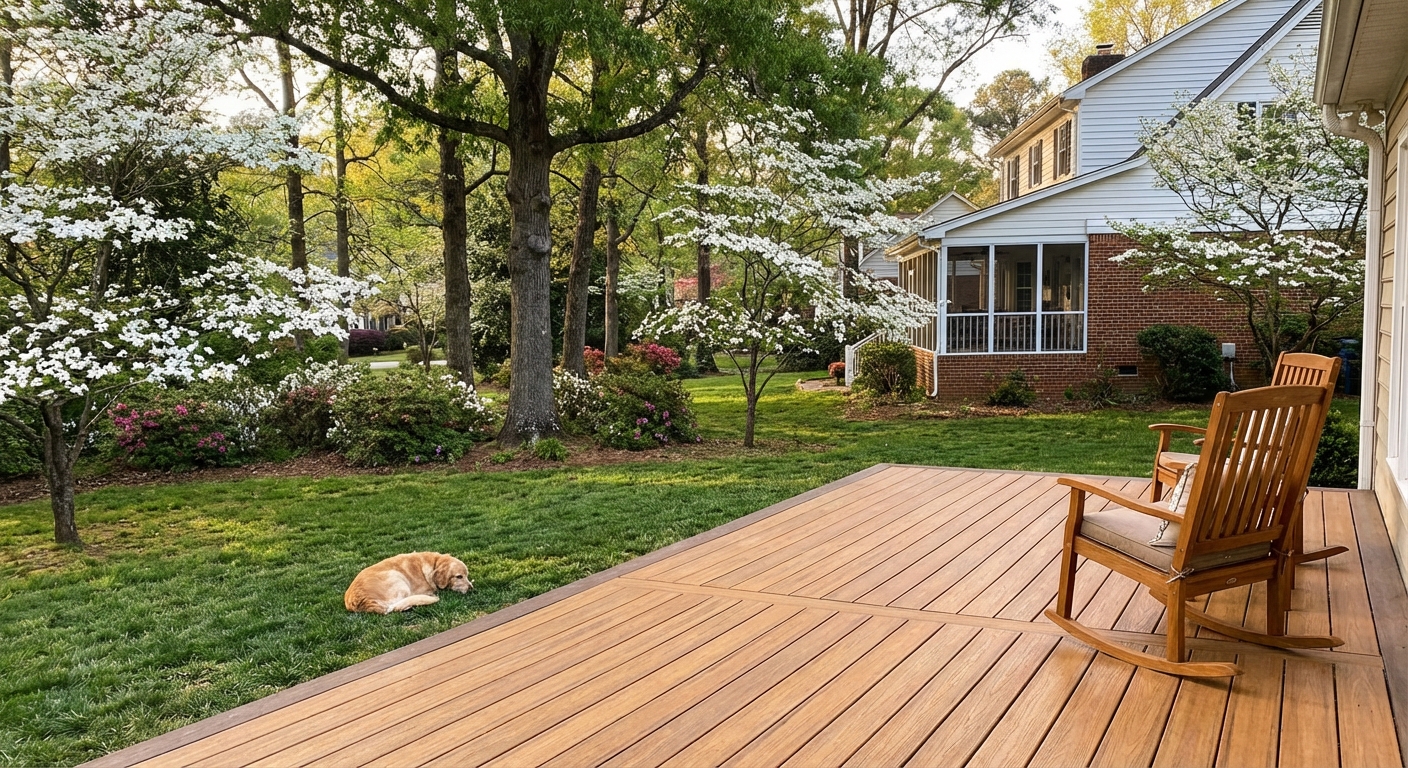
Are you dreaming of a low-maintenance deck in your Georgia backyard? Composite decking is a popular choice, but understanding the costs involved is crucial for budgeting. This guide breaks down what you can expect to pay for a composite deck in Georgia in 2026, considering factors specific to our state like humidity, termites, and local building codes.
🧮 Tool Alert: Deck Cost Calculator
Estimate your project costs in seconds based on local pricing bands for your area.
Calculate My Cost →What Drives the Cost of a Composite Deck in Georgia?
Looking for more regional information? Check out our Georgia State Decking Hub.
🏗️ Planning a deck project?
Get a free manual project review, or visualize your dream deck with AI before requesting quotes.
Several factors influence the final price of your composite deck project. Here's a breakdown of the key elements:
- Deck Size: This is the most obvious factor. Larger decks require more materials and labor, increasing the overall cost.
- Composite Decking Material: Different brands and grades of composite decking have varying price points. Premium brands like Trex typically cost more than entry-level options.
- Deck Design Complexity: Simple rectangular decks are cheaper to build than multi-level decks, decks with curves, or decks with built-in features like benches or planters.
- Railing Options: Composite railings are the most common pairing with composite decking. Other options include aluminum, steel, or even cable railings, each with different costs.
- Permitting Fees: Most Georgia counties require permits for decks exceeding a certain size or height. Permit fees vary depending on your location.
- Labor Costs: Labor rates vary depending on the contractor's experience, location, and the complexity of the project.
- Site Preparation: If your yard requires significant grading, leveling, or removal of existing structures, this will add to the cost.
- Additional Features: Adding features like stairs, lighting, built-in seating, or a screened porch will increase the total project cost.
- Geographic Location: Material and labor costs can fluctuate slightly depending on where you are in Georgia. Expect potentially higher costs in metro areas like Atlanta compared to more rural areas.
<!-- slot:after-intro -->
Composite Decking Costs in Georgia: A Detailed Look
Here's a breakdown of typical composite decking costs in Georgia, as of 2026:
- Average Installed Cost: $40 to $70 per square foot. This is a general estimate and can vary based on the factors mentioned above.
- Low-End Composite Decking: Expect to pay around $40 to $50 per square foot installed for basic composite decking options.
- Mid-Range Composite Decking: For more durable and aesthetically pleasing composite decking, budget around $50 to $60 per square foot installed.
- High-End Composite Decking (e.g., Trex): Premium composite decking like Trex can cost $45 to $75 per square foot installed or even higher, depending on the specific line and any upgrades.
To put these numbers in perspective, here's a comparison table including other popular decking materials in Georgia:
| Material | Average Installed Cost per Square Foot | Pros | Cons |
| ------------------------ | --------------------------------------- | ------------------------------------------------------------------------------------------------------------------------ | ---------------------------------------------------------------------------------------------------------------------------------------------- |
| Pressure-Treated Pine | $22 - $40 | Most affordable option, readily available, can be stained or painted. | Requires regular maintenance (staining/sealing), susceptible to rot and termites, splinters. |
| Composite Decking | $40 - $70 | Low maintenance, durable, resistant to rot and insects, available in various colors and styles. | Higher upfront cost than pressure-treated pine, can get hot in direct sunlight, may not look as natural as wood. |
| Cedar | $30 - $50 | Naturally beautiful, resistant to rot and insects (to a degree), aromatic. | Requires regular maintenance (sealing), can be more expensive than pressure-treated pine, can be softer than other wood options. |
| Trex (Composite) | $45 - $75 | Premium composite, excellent durability, fade and stain resistant, wide range of colors and textures. | Higher upfront cost, can be hotter than some other composites, some lines can be more prone to scratching. |
| Ipe (Brazilian Hardwood) | $55 - $95 | Extremely durable and long-lasting, naturally resistant to rot and insects, beautiful exotic look. | Most expensive option, requires specialized installation techniques, can be difficult to work with, needs oiling to maintain color and prevent cracking. |
Georgia-Specific Considerations That Impact Deck Costs
Georgia's climate and environment present unique challenges and opportunities that can affect the cost of your composite deck project:
- Humidity: Georgia's high humidity is brutal on wood decks, leading to rot, mold, and mildew. Composite decking is a great choice because it's highly resistant to moisture damage, saving you money on long-term maintenance and repairs.
- Termites: Termites are a major concern throughout Georgia. While composite decking is termite-resistant, the substructure (the framing underneath the deck) typically uses wood. Pressure-treated lumber is essential for the substructure to prevent termite damage. Consider professional termite treatment for the soil around your deck.
- Red Clay Soil: Georgia's red clay soil can affect drainage and footing placement. Proper drainage is crucial to prevent water from pooling under your deck and damaging the structure.
- Shallow Frost Line: The frost line in most of Georgia is only around 12 inches, meaning footings don't need to be as deep as in colder climates. This can save you money on excavation and concrete.
- Permitting: Most Georgia counties require permits for decks over 200 square feet or 30 inches above grade.
* In Atlanta, permits are obtained through the Atlanta Department of City Planning, with fees ranging from $150 to $400.
* In Savannah, permits are handled through Chatham County/City of Savannah, and the historic district has extra design review requirements.
* In Augusta, permits are obtained through Augusta-Richmond County Planning & Development.
* Familiarize yourself with local regulations to avoid costly fines and delays. Refer to our guide on Do You Need a Deck Permit in Georgia? State & County Rules Explained for more information.
- Popular Features: Georgians love outdoor living! Popular deck features like screened porches (to combat mosquitoes!), ceiling fans, and covered decks (for protection from rain) can significantly increase the cost.
- Best Build Months: The best time to build a deck in Georgia is typically from September to May, avoiding the peak summer heat and frequent afternoon thunderstorms. Building during the off-season might also lead to better deals from contractors.
- Local Lumber Availability: Southern Yellow Pine is abundant and cheap in Georgia. While you're opting for composite decking, this affects the cost of the substructure.
Cost-Saving Tips for Your Composite Deck Project
- Keep it Simple: A basic rectangular deck will be cheaper than a complex design.
- Choose an Off-Season Time: Contractors may offer lower rates during slower periods.
- Obtain Multiple Quotes: Get quotes from at least three different contractors to compare pricing.
- Consider a Smaller Deck: Reduce the square footage of your deck to save on materials and labor.
- DIY Some of the Work (If Qualified): If you're handy, you can save money by handling tasks like demolition of an old deck or painting the substructure.
- Explore Financing Options: Some contractors offer financing plans to help you spread out the cost of your deck project.
- Choose a Less Expensive Composite Brand: While Trex is a great option, explore other reputable composite brands that might offer similar performance at a lower price point.
<!-- slot:mid-content -->
Finding the Right Deck Builder in Georgia
Choosing the right contractor is crucial for a successful deck project. Here are some tips for finding a reputable deck builder in Georgia:
- Get Referrals: Ask friends, family, or neighbors for recommendations.
- Check Online Reviews: Look for contractors with positive reviews on sites like Google, Yelp, and the Better Business Bureau.
- Verify Licensing and Insurance: Ensure the contractor is licensed and insured to protect yourself from liability.
- Review Their Portfolio: Ask to see examples of their previous work to assess their quality and style.
- Get a Detailed Contract: The contract should clearly outline the scope of work, materials, payment schedule, and warranty information.
- Trust Your Gut: Choose a contractor you feel comfortable communicating with and who understands your vision.
For specific recommendations, check out our guides on Best Deck Builders in Atlanta: How to Find the Right Contractor, Best Deck Builders in Savannah: Local Guide for 2026, and Best Deck Builders in Augusta, GA: Trusted Local Contractors.
Visualizing Your Dream Deck
Before you start getting quotes, it's helpful to visualize your deck with PaperPlan design. Use PaperPlan (paperplan.app) to visualize your deck design with different materials and layouts before committing to a contractor. This allows you to experiment with different sizes, shapes, and features to find the perfect design for your needs and budget.
<!-- slot:before-faq -->
Composite Decking: A Smart Investment for Georgia Homeowners
While the upfront cost of composite decking is higher than pressure-treated wood, its durability, low maintenance, and resistance to Georgia's harsh climate make it a smart long-term investment. By understanding the factors that influence the cost and following the tips outlined in this guide, you can create a beautiful and functional outdoor living space that you'll enjoy for years to come.
<!-- slot:end -->
🎨 Not sure which material to pick?
Upload a photo of your backyard and see exactly how Trex, TimberTech, or cedar would look — free and instant.
Frequently Asked Questions
How long will a composite deck last in Georgia?
A well-built composite deck in Georgia can last for 25 to 50 years or even longer, depending on the quality of the materials and the installation. Proper maintenance, such as regular cleaning, can extend its lifespan.
Does composite decking get hot in the Georgia sun?
Yes, composite decking can get hot in direct sunlight, especially darker colors. Consider choosing lighter colors or adding shade structures like a pergola or awning to mitigate this issue. Some newer composite decking products are designed to be cooler to the touch.
Do I need to seal or stain composite decking?
No, one of the main benefits of composite decking is that it doesn't require sealing or staining. It's designed to be low-maintenance and resist fading, staining, and scratching.
Will termites eat composite decking?
No, composite decking is not a food source for termites. However, it's essential to protect the wood substructure (the framing underneath the deck) from termites by using pressure-treated lumber and considering professional termite treatment.
What building codes apply to decks in Georgia?
Georgia building codes follow the IRC 2018 (International Residential Code) with state amendments. Be sure your contractor is familiar with these codes and obtains the necessary permits for your project. Our article on Atlanta Deck Permit: Requirements, Costs & How to Apply may also be useful.
📋 Planning a deck project?
Get a free manual project review from our team — no obligation, no spam.
Get Free Project Review →Upload a backyard photo and preview real decking materials with AI — free, instant, no sign-up.
Permits, costs, material comparisons, and questions to ask before requesting quotes — delivered to your inbox.