
Best Decking Material for Georgia Humid (2026)
Building a deck in Georgia? Learn which decking materials withstand humidity, resist rot & termites, and last for years. Compare costs & options.
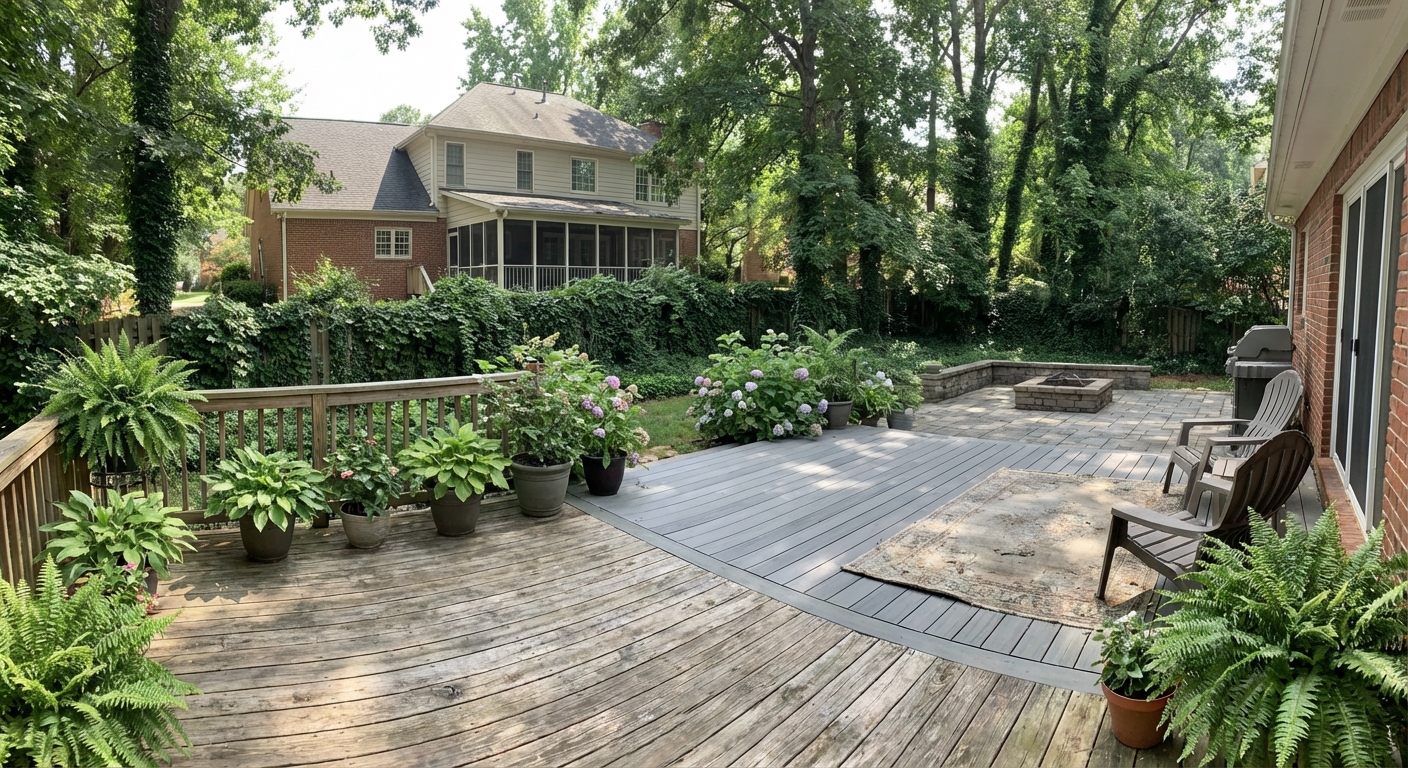
Are you planning a new deck or replacing an old one in Georgia? The Peach State's humid subtropical climate – think hot, muggy summers and mild winters – demands a decking material that can stand up to moisture, pests, and temperature fluctuations. Choosing the wrong material can lead to warping, rotting, and costly repairs down the road. This guide will walk you through the best decking options for Georgia, considering durability, cost, and aesthetics, so you can build a deck that lasts.
🌳 Tool Alert: Material Comparison
PT vs Composite vs Cedar. Compare 25-year total cost of ownership including maintenance.
Compare Materials →Understanding Georgia's Decking Challenges
Looking for more regional information? Check out our Georgia State Decking Hub.
🏗️ Planning a deck project?
Get a free manual project review, or visualize your dream deck with AI before requesting quotes.
Georgia's climate presents unique challenges for outdoor structures. Here's what you need to consider:
- High Humidity: Year-round humidity promotes mold, mildew, and wood rot. This is especially problematic in coastal areas like Savannah, where saltwater air adds another layer of corrosion.
- Hot Summers: Temperatures often soar between 85-95°F during the summer months, causing expansion and contraction in decking materials.
- Termites: Termites are a constant threat throughout Georgia, particularly subterranean termites. These pests can quickly destroy wooden decks if they're not properly protected.
- Red Clay Soil: Georgia's prevalent red clay soil can affect drainage around your deck footings. Proper drainage is crucial to prevent moisture damage.
- Building Codes: Most Georgia counties require permits for decks exceeding 200 sqft or 30 inches above grade. Cities like Atlanta require permits through the Atlanta Department of City Planning with fees ranging from $150-400. Savannah's historic district has even stricter design guidelines. Augusta requires permits through Augusta-Richmond County Planning & Development. Georgia follows the IRC 2018 building code with state amendments.
<!-- slot:after-intro -->
Top Decking Materials for Georgia's Climate
Let's explore the best decking materials for Georgia, weighing their pros, cons, and costs.
1. Pressure-Treated Lumber (Southern Yellow Pine)
Pressure-treated lumber, particularly Southern Yellow Pine (SYP), is the most common and budget-friendly decking option in Georgia. It's readily available and relatively easy to work with.
- Pros:
* Affordable: The least expensive option, averaging $22-40 per square foot installed.
* Readily Available: Found at any lumberyard in Georgia.
* Termite Resistant: Pressure treatment protects against termite damage.
* Easy to Install: Familiar to most contractors.
- Cons:
* Susceptible to Warping & Cracking: Even with treatment, it can warp, crack, and split over time due to humidity.
* Requires Regular Maintenance: Needs annual cleaning, staining, and sealing to prevent rot and maintain its appearance.
* Chemical Concerns: Contains chemicals that some homeowners may prefer to avoid.
* Lifespan: Shorter lifespan compared to other options (10-15 years with proper maintenance).
- Georgia Considerations: Choose lumber treated for ground contact, especially if your deck is close to the ground. Ensure proper drainage to minimize moisture exposure.
2. Composite Decking
Composite decking is made from a blend of wood fibers and recycled plastic. It's a popular choice for its durability and low maintenance. See also: Best Composite Decking for Georgia's Climate: Top Brands Compared
- Pros:
* Low Maintenance: Requires minimal upkeep – just occasional cleaning.
* Resistant to Rot & Insects: Won't rot, warp, or attract termites.
* Long Lifespan: Can last 25-30 years or more.
* Variety of Colors & Styles: Available in a wide range of colors and textures.
- Cons:
* Higher Cost: More expensive than pressure-treated lumber, averaging $40-70 per square foot installed.
* Can Get Hot: Some composite decking can get very hot in direct sunlight, especially darker colors.
* Fading: Colors can fade over time, although newer generations are more fade-resistant.
* Expansion & Contraction: Still experiences some expansion and contraction, requiring careful installation.
- Georgia Considerations: Choose a composite decking with a UV inhibitor to minimize fading. Opt for lighter colors to reduce heat absorption. Proper ventilation is crucial to prevent moisture buildup underneath the deck.
3. Cedar Decking
Cedar is a naturally beautiful and durable wood that's a good choice for decks, offering natural resistance to decay and insects.
- Pros:
* Natural Beauty: Offers a rich, warm appearance.
* Naturally Rot & Insect Resistant: Contains oils that repel insects and resist decay.
* Dimensional Stability: Less prone to warping and cracking than pressure-treated lumber.
- Cons:
* Moderate Cost: More expensive than pressure-treated lumber but less than composite, averaging $30-50 per square foot installed.
* Requires Maintenance: Still needs regular cleaning, staining, and sealing to maintain its appearance and prevent weathering.
* Softer Wood: More susceptible to scratches and dents than hardwoods or composite.
- Georgia Considerations: Choose Western Red Cedar for its superior rot resistance. Apply a water-repellent sealant to protect against moisture damage. Be sure to use stainless steel fasteners to prevent staining from tannins in the wood.
4. Trex Decking
Trex is a well-known brand of composite decking, offering a range of products with varying features and price points.
- Pros:
* Low Maintenance: Like other composite decking, Trex requires minimal upkeep.
* Durable: Resistant to rot, insects, and fading.
* Sustainable: Made from recycled materials.
* Variety of Options: Offers different collections with varying aesthetics and performance characteristics.
- Cons:
* Higher Cost: Trex is generally more expensive than pressure-treated lumber, averaging $45-75 per square foot installed.
* Can Get Hot: Similar to other composite decking, some Trex products can get hot in direct sunlight.
* Initial Investment: Higher upfront cost can be a deterrent for some homeowners.
- Georgia Considerations: Choose a Trex product with a good warranty and UV protection. Consider the heat-resistance of different Trex lines.
5. Ipe Decking (Brazilian Walnut)
Ipe is a tropical hardwood known for its exceptional strength, durability, and natural beauty.
- Pros:
* Extremely Durable: Exceptionally resistant to rot, insects, and wear.
* Long Lifespan: Can last 50+ years with minimal maintenance.
* Beautiful Appearance: Rich, dark brown color with a fine grain.
* Fire Resistant: Naturally fire-resistant.
- Cons:
* Highest Cost: The most expensive decking option, averaging $55-95 per square foot installed.
* Difficult to Work With: Very dense and hard, requiring specialized tools and techniques.
* Sourcing Concerns: Sustainable sourcing can be a concern, so choose a supplier that practices responsible forestry.
* Fading: While incredibly durable, Ipe will fade to a silver-gray color if not oiled regularly.
- Georgia Considerations: Use a reputable contractor experienced in working with Ipe. Pre-drill all holes to prevent splitting. Apply a UV-inhibiting oil finish to maintain its color and protect it from the elements.
Cost Comparison Table
| Material | Average Installed Cost per Sq Ft | Lifespan | Maintenance Level |
| :------------------------ | :------------------------------- | :-------------- | :---------------- |
| Pressure-Treated Lumber | $22-40 | 10-15 years | High |
| Composite Decking | $40-70 | 25-30+ years | Low |
| Cedar Decking | $30-50 | 15-20 years | Medium |
| Trex Decking | $45-75 | 25-30+ years | Low |
| Ipe Decking (Brazilian Walnut) | $55-95 | 50+ years | Low-Medium |
<!-- slot:mid-content -->
Deck Design Considerations for Georgia
Beyond the material itself, consider these design elements to maximize your deck's enjoyment and longevity in Georgia:
- Covered Decks & Screened Porches: Combat mosquitoes and afternoon thunderstorms with a covered deck or screened porch. These are extremely popular in Georgia.
- Ceiling Fans: Install ceiling fans to circulate air and provide relief from the summer heat.
- Proper Drainage: Ensure proper drainage around your deck footings to prevent moisture buildup. Red clay soil can exacerbate drainage issues, so consider adding gravel or drainage pipes.
- Ventilation: Adequate ventilation under the deck is crucial to prevent moisture and mold growth.
- Permits: Obtain the necessary permits before starting construction. Deck permits are generally required for decks over 200 sqft or 30" above grade. See: Do You Need a Deck Permit in Georgia? State & County Rules Explained and Atlanta Deck Permit: Requirements, Costs & How to Apply
- Footings: Due to Georgia's shallow frost line (around 12 inches), you won't need to dig extremely deep footings.
- Termite Protection: Even with termite-resistant decking materials, take precautions to protect your deck from termites. This includes proper soil treatment and regular inspections.
- Best Build Months: Plan your deck build between September and May to avoid the peak summer heat and frequent afternoon thunderstorms.
Use PaperPlan (paperplan.app) to visualize your deck with PaperPlan design with different materials and layouts before committing to a contractor. Experiment with different decking options, railing styles, and features like screened porches and covered areas. This can help you make informed decisions and ensure your deck meets your specific needs and preferences.
Working with a Georgia Deck Builder
Choosing the right contractor is just as important as selecting the right decking material. Look for a deck builder with experience in Georgia's climate and local building codes. Check their references, review their portfolio, and make sure they are licensed and insured. See also: Best Deck Builders in Atlanta: How to Find the Right Contractor, Best Deck Builders in Savannah: Local Guide for 2026, and Best Deck Builders in Augusta, GA: Trusted Local Contractors.
<!-- slot:before-faq -->
🎨 Not sure which material to pick?
Upload a photo of your backyard and see exactly how Trex, TimberTech, or cedar would look — free and instant.
Frequently Asked Questions
What is the cheapest decking material for Georgia?
Pressure-treated Southern Yellow Pine is the most affordable decking option in Georgia, typically costing between $22-40 per square foot installed. However, keep in mind that it requires more maintenance and has a shorter lifespan compared to other materials.
How can I prevent my deck from rotting in Georgia's humidity?
Choose a rot-resistant decking material like composite, cedar, or Ipe. Ensure proper drainage and ventilation under the deck. Apply a sealant or stain regularly to protect wood decking from moisture damage. Regular cleaning to remove mold and mildew is also crucial.
Does composite decking get too hot in the Georgia sun?
Some composite decking can get hot in direct sunlight, especially darker colors. Choose lighter colors or composite decking with heat-reflective technology to minimize heat absorption.
Do I need a permit to build a deck in Atlanta?
Yes, you typically need a permit to build a deck in Atlanta if it's over 200 sqft or more than 30 inches above grade. Contact the Atlanta Department of City Planning for specific requirements and fees.
<!-- slot:end -->
📋 Planning a deck project?
Get a free manual project review from our team — no obligation, no spam.
Get Free Project Review →Upload a backyard photo and preview real decking materials with AI — free, instant, no sign-up.
Permits, costs, material comparisons, and questions to ask before requesting quotes — delivered to your inbox.