
Contractor Lien in Ontario: What Homeowners Need to Know
How contractor liens work in Ontario, how to protect your home from holdbacks and claims, and what to do if a lien is filed on your property.
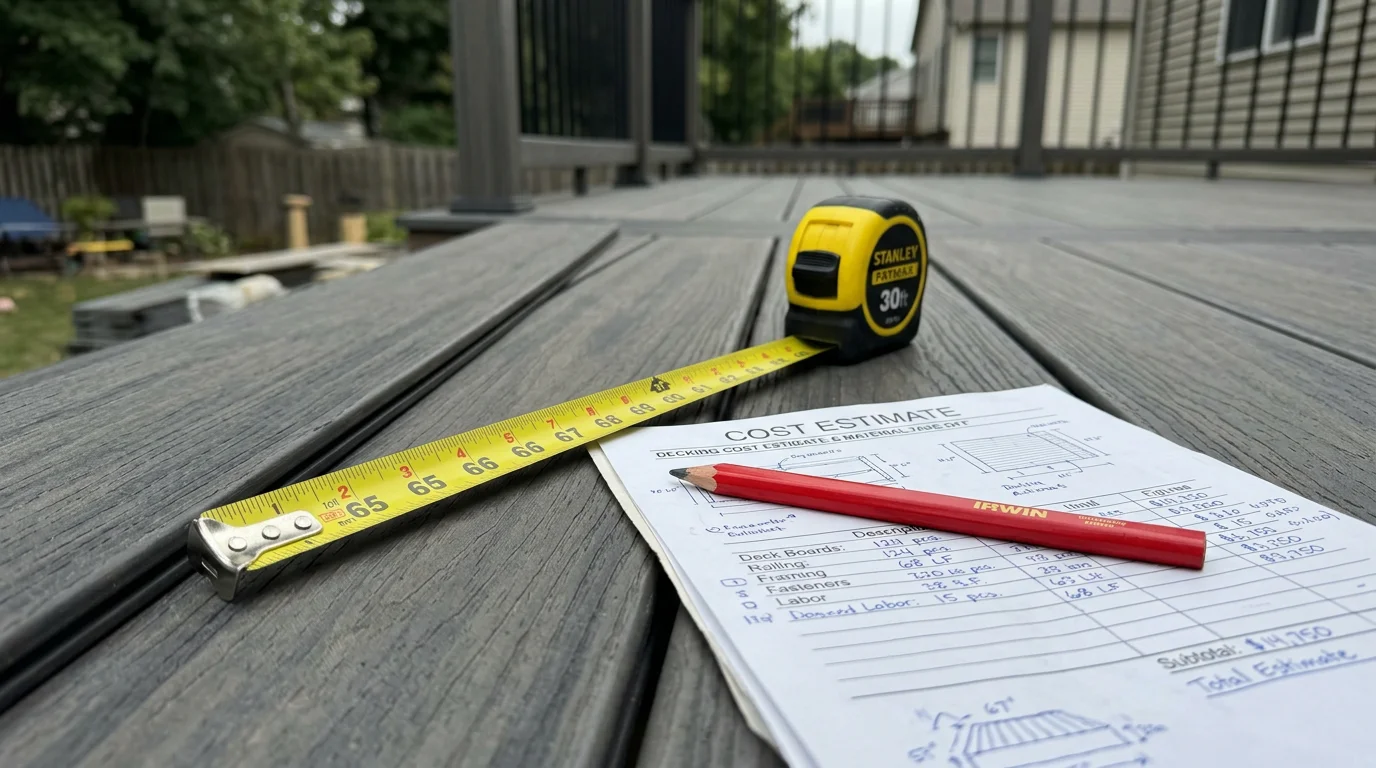
You hired a contractor to build your deck. The work's done, you paid the bill—but now a supplier is threatening to register a lien against your home because the contractor never paid them. Can they actually do that?
Yes. And it happens more often than you'd think.
What Is a Construction Lien in Ontario?
A construction lien (formerly called a "mechanic's lien") gives contractors, subcontractors, suppliers, and tradespeople the legal right to claim an interest in your property if they're not paid for work or materials they provided.
🏗️ Planning a deck project?
Get a free manual project review, or visualize your dream deck with AI before requesting quotes.
Under Ontario's Construction Act, anyone who supplies services or materials for an improvement to your property can file a lien—even if you've already paid the general contractor in full.
Who can file a lien:
- General contractors
- Subcontractors (electricians, framers, roofers)
- Material suppliers (lumber yards, hardware stores)
- Equipment rental companies
- Engineers or architects
The lien attaches to your property title, not just the contractor. That means you can lose your home if the lien isn't resolved and the claimant pursues legal action.
How Construction Liens Work in Ontario
Here's the basic timeline:
1. Work Begins
The contractor starts your deck project. They hire a framing crew, order lumber, rent equipment.
2. Payment Dispute
The contractor doesn't pay the lumber supplier or the framing subcontractor—maybe they're having cash flow problems, maybe there's a disagreement, maybe they've disappeared.
3. Lien Registration (45 Days)
The unpaid party has 45 days from the last day they supplied labour or materials to register a lien with the Ontario Land Registry Office.
Once registered, the lien appears on your property title.
4. Lien Expiry (60 Days)
The lien claimant must take legal action to preserve or perfect the lien within 60 days of registering it. If they don't, the lien expires and can be removed.
5. Legal Action
If the claimant perfects the lien, they can pursue a court judgment and potentially force the sale of your home to recover what they're owed.
Why You're at Risk Even If You Paid
This is the part that catches homeowners off guard.
You write a cheque to ABC Decks Inc. for $35,000. The deck is finished. You assume everything's fine.
But ABC Decks never paid:
- The lumber supplier ($8,500)
- The helical pile installer ($3,200)
- The railing subcontractor ($4,800)
All three can file liens against your property—even though you paid ABC Decks in full.
Ontario law protects these parties because they improved your property. If the general contractor pockets the money and runs, they shouldn't be left holding the bag. The theory is that you benefited from the improvement, so you bear some responsibility for ensuring everyone gets paid.
The Holdback Rule: Your Main Protection
Ontario's Construction Act requires homeowners to hold back 10% of the value of the work for 45 days after substantial completion.
This is called the statutory holdback.
How It Works
If your deck costs $50,000 installed:
- You pay $45,000 to the contractor
- You hold back $5,000 for 45 days
During those 45 days, any unpaid subcontractors or suppliers can register liens. After 45 days, if no liens have been filed, you release the holdback to the contractor.
If liens are filed, you use the holdback to pay the claimants directly.
Payment Schedule Example
| Milestone | Amount Due | Holdback |
|-----------|------------|----------|
| Deposit | $10,000 | — |
| Framing inspection pass | $18,000 | $2,000 |
| Substantial completion | $18,000 | $2,000 |
| 45 days after completion | $5,000 | Released if no liens |
"Substantial completion" means the deck is ready to use, even if small deficiencies remain (touch-up paint, minor trim work).
The 45-day clock starts from substantial completion, not final completion.
What Happens If You Don't Hold Back 10%?
If you pay the contractor in full without holding back 10%, you're personally liable for any liens filed—up to the amount you should have held back.
Example:
- Deck cost: $40,000
- You paid the contractor $40,000 (no holdback)
- Lumber supplier files a $6,000 lien
You're on the hook for $4,000 (the 10% you should have held back). The remaining $2,000 is the contractor's problem—but good luck collecting from a contractor who's already not paying their bills.
Worse: if multiple liens are filed and they total more than 10%, you could be liable for the full 10%, and the claimants fight over how to split it.
How to Protect Yourself from Liens
1. Always Use a Written Contract
Your deck builder contract should include:
- Payment schedule tied to milestones
- Clear statement that 10% holdback applies
- Requirement for statutory declarations and lien waivers
2. Request Statutory Declarations
Before releasing any payment, ask the contractor for a statutory declaration stating:
- All subcontractors and suppliers have been paid to date
- No liens or potential liens exist
This is a sworn statement. If it's false, the contractor can be charged with perjury.
3. Get Lien Waivers
When releasing the holdback, get signed lien waivers from:
- The general contractor
- All subcontractors
- All material suppliers
A lien waiver is a legal document confirming they've been paid in full and waive their right to file a lien.
4. Pay by Cheque or Electronic Transfer
Keep a clear paper trail. Write cheques to the contractor's business name, not personal accounts. Save all receipts, invoices, and bank statements.
5. Do a Title Search Before Final Payment
Before releasing the holdback, do a title search with the Ontario Land Registry Office to confirm no liens have been registered.
Cost: $10-15 online through Ontario's OnLand system.
6. Use a Lawyer for Large Projects
For projects over $50,000, consider having a real estate lawyer hold the funds in trust and manage the holdback release. Cost: $500-1,200 but provides strong protection.
What to Do If a Lien Is Filed Against Your Property
Step 1: Don't Panic (But Act Fast)
You have 60 days from the lien registration date to respond. After that, the lien can be perfected and legal action begins.
Step 2: Review the Lien
Get a copy from the Land Registry Office. Check:
- Who filed it
- The amount claimed
- The date registered
- Description of work or materials supplied
Step 3: Verify the Claim
Contact the lien claimant. Ask for:
- Invoices showing what they supplied
- Proof they weren't paid
- Timeline of when they worked on your property
Sometimes liens are filed in error or include inflated amounts.
Step 4: Contact Your Contractor
If you've already paid the contractor, demand they resolve the lien immediately. If they don't, you may need to pay the claimant directly and sue the contractor to recover the funds.
Step 5: Pay Into Court (If Necessary)
If you're holding the 10% holdback, you can pay it into court. This removes the lien from your property title while the dispute is resolved.
The claimant and contractor then fight over the money in court—your property is no longer at risk.
Step 6: Hire a Construction Lawyer
For liens over $5,000, get legal advice. Construction lien law is complex. A lawyer can:
- Negotiate with the claimant
- Challenge invalid liens
- Represent you in court if needed
Expect to pay $250-400/hour for a construction lawyer in KWC.
Common Lien Scenarios for Deck Projects
Scenario 1: Contractor Abandons the Job
You paid a $15,000 deposit for a new deck. The contractor starts, then disappears. The framing crew files a lien for $8,000.
Your options:
- If you held back 10%, use it to pay the crew and hire a new contractor
- If you didn't hold back, you may need to pay the crew out of pocket
- Sue the original contractor (good luck collecting)
Scenario 2: Supplier Claims Non-Payment
Your contractor ordered $12,000 in composite decking from a local supplier. You paid the contractor. The supplier says they were never paid and files a lien.
Your options:
- Request proof from the supplier (invoices, delivery records)
- Check your contract—did the contractor quote "materials included"?
- If you held back 10%, pay the supplier from the holdback
- Sue the contractor for breach of contract
Scenario 3: Subcontractor Payment Dispute
The deck is done. The contractor says the railing subcontractor did substandard work and refuses to pay the final $3,500. The sub files a lien.
Your options:
- Stay out of it if you held back 10%—let them resolve it
- If forced to pay the sub from the holdback, get a legal waiver
- Document any deficiencies with photos in case you need to defend against the contractor's lawsuit
Does Homeowners Insurance Cover Liens?
No. Standard homeowners insurance does not cover construction liens.
Some policies include legal expense coverage that might help with lawyer fees, but you're responsible for the lien amount itself.
How Long Does a Lien Stay on Your Property?
If the claimant doesn't take legal action within 60 days of registering the lien, it expires. You can apply to have it removed from your title.
If they do take action and win a court judgment, the lien can remain until:
- You pay the judgment
- The property is sold to satisfy the debt
- The claimant agrees to remove it
Can You Sell Your Home With a Lien on It?
Technically, yes—but practically, no.
A construction lien must be disclosed to buyers and will show up on a title search. No buyer will close on a property with an active lien.
You'll need to:
- Pay the lien in full before closing
- Negotiate a settlement with the claimant
- Have the lien removed through court action
Real estate lawyers typically require all liens to be cleared before transferring title.
Lien vs. Lawsuit: What's the Difference?
A lien is a claim registered against your property. It prevents you from selling or refinancing easily.
A lawsuit is legal action to enforce the lien. If the claimant wins, they get a court judgment that can:
- Force you to pay the debt
- Seize and sell your property to recover the amount owed
The lien is the warning. The lawsuit is the enforcement.
Final Checklist: Avoiding Lien Problems
Before you hire a contractor for your deck:
- ✓ Check if they're incorporated (check Ontario business registry)
- ✓ Ask for proof of WSIB coverage
- ✓ Request references from recent projects
- ✓ Use a detailed written contract
During construction:
- ✓ Hold back 10% at every payment milestone
- ✓ Request statutory declarations before each payment
- ✓ Keep records of all payments (cheques, e-transfers, receipts)
- ✓ Take photos of work progress
Before final payment:
- ✓ Do a title search 45 days after substantial completion
- ✓ Get signed lien waivers from contractor, subs, and suppliers
- ✓ Release holdback only after 45-day period expires with no liens
🎨 Not sure which material to pick?
Upload a photo of your backyard and see exactly how Trex, TimberTech, or cedar would look — free and instant.
Common Questions
Can a contractor file a lien if I refused to pay because the work is defective?
Yes. The lien secures their claim that they're owed money—it doesn't prove the work was done correctly. You'll need to defend against the lien in court by proving the deficiencies justify withholding payment. Document everything with photos and written notices.
What if the contractor is a sole proprietor with no business name?
They can still file a lien. The Construction Act applies to anyone who improves your property, regardless of whether they're incorporated. Always use written contracts and holdbacks, even with smaller operators.
Do I need to hold back 10% on the deposit?
No. The holdback applies to payments made after work begins. A deposit paid before construction starts is not subject to the holdback rule. However, never pay more than 10-15% as a deposit—if the contractor disappears, you'll have no leverage.
Can I be sued if I pay the contractor after they file a lien?
If the contractor files a lien, you should not pay them until the lien is resolved. If you pay the contractor and ignore the lien, you may still be liable to the lien claimant. Consult a lawyer before making any payments once a lien is registered.
How much does it cost to remove a lien from my property title?
If the lien expires (60 days, no legal action taken), you can apply to remove it yourself through the Land Registry Office for about $75-100 in fees. If the lien is contested, expect $2,000-5,000+ in legal fees to resolve it through court or settlement.
Upload a backyard photo and preview real decking materials with AI — free, instant, no sign-up.
Permits, costs, material comparisons, and questions to ask before requesting quotes — delivered to your inbox.