
Pennsylvania Deck Codes 2026: What Passes Inspection (and What Fails)
PA deck building codes by county: permit costs ($75-$500), frost line depths, railing heights, and the 4 code violations inspectors catch most. Updated for 2026 IRC changes.
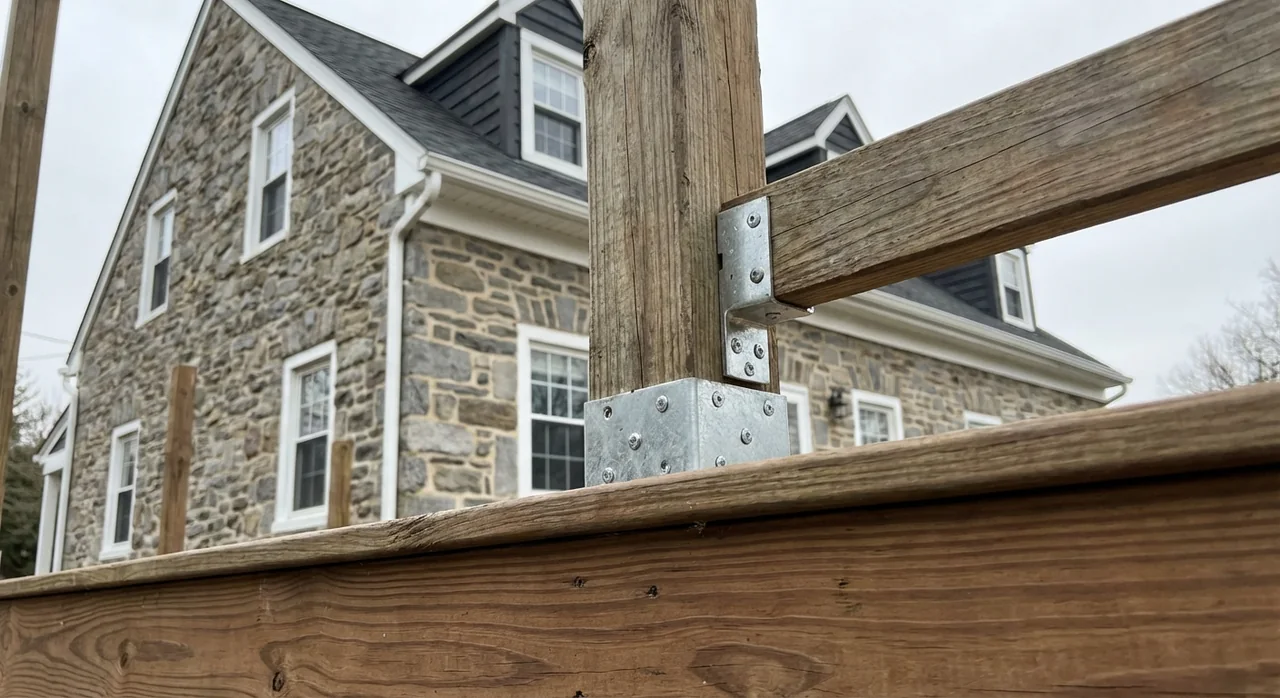
Are you planning to build a new deck, or renovate an existing one, in Pennsylvania? Understanding Pennsylvania's deck building codes is crucial to ensure your project is safe, compliant, and avoids costly rework. This guide breaks down the key requirements, permit processes, and regional differences you need to know for 2026.
📋 Tool Alert: Permit Checker
Do you really need a permit? Check the exact rules for your city or township.
Check Permits →Understanding Pennsylvania's Uniform Construction Code (UCC)
Pennsylvania operates under the Uniform Construction Code (UCC), which adopts the International Residential Code (IRC) with some state-specific amendments. The UCC is enforced at the local level by individual townships and boroughs. This means while the core principles are consistent, specific interpretations and enforcement can vary significantly from Philadelphia to Pittsburgh, or even between neighboring towns in the Lehigh Valley. Your first step should always be to contact your local building code official.
🏗️ Planning a deck project?
Get a free manual project review, or visualize your dream deck with AI before requesting quotes.
<!-- slot:after-intro -->
When Do You Need a Deck Permit in Pennsylvania?
Generally, you'll need a permit for any deck that:
- Is more than 30 inches above grade (ground level).
- Has a surface area exceeding 200 square feet.
However, these thresholds can vary slightly by municipality. Smaller municipalities may have stricter rules than the state minimums. Always confirm with your local building department. Remember that even if your deck is *under* these limits, you still need to build it safely and according to code.
Keep in mind that decks attached to historic properties in areas like Lancaster County may also require review and approval from a historic preservation board *before* you can even apply for a building permit.
Key Deck Building Code Requirements in Pennsylvania
Here's a breakdown of crucial code aspects you need to consider:
1. Footings and Foundations
- Frost Line: The frost line in most of Pennsylvania is 36 inches. In the northern counties, it can extend to 42 inches. Your footings must extend below this depth to prevent movement due to freezing and thawing cycles. Proper footing size depends on soil conditions and deck load.
- Footing Size: Footings must be sized appropriately for the load they will bear. Your local building inspector can provide guidance based on your specific deck design.
- Soil Bearing Capacity: Pennsylvania soils vary. If you're building in an area with known soil issues, like certain parts of Pittsburgh with hillside lots, you may need a soil test to determine the bearing capacity and ensure adequate foundation support.
2. Deck Framing
- Lumber: Use pressure-treated lumber for all framing components in contact with the ground or exposed to the elements. Proper lumber grading is also essential.
- Joist Spacing: Joist spacing depends on the joist size, lumber grade, and deck board material. Common spacings are 12 inches, 16 inches, or 24 inches on center. Consult span tables to determine the correct spacing for your specific design.
- Beams: Beam size and spacing are critical for supporting the deck load. Consider snow loads, which can be significant in western Pennsylvania. Use PaperPlan (paperplan.app) to visualize your deck with PaperPlan design with different materials and layouts before committing to a contractor, and see how different beam sizes impact the overall look and structural integrity.
- Ledger Board Attachment: If attaching the deck to your house, the ledger board attachment is paramount. Use approved lag screws or bolts, properly spaced, to ensure a secure connection. Incorrect ledger board attachment is a common cause of deck failures. Flashing is also critical to prevent water damage to your home.
3. Decking Materials
- Acceptable Materials: Pressure-treated lumber, composite decking, cedar, and other approved materials are all acceptable, provided they meet code requirements for fire resistance and structural integrity.
- Fasteners: Use appropriate fasteners for your chosen decking material. Composite decking, for example, requires specialized fasteners to prevent mushrooming or gapping.
4. Railings and Guards
- Height Requirement: Decks exceeding 30 inches above grade require railings.
- Railing Height: The minimum railing height is 36 inches above the deck surface.
- Guard Openings: Guard openings (the space between balusters or other guard components) cannot exceed 4 inches. This prevents small children from squeezing through.
- Stair Railings: Stair railings must be graspable and between 34 inches and 38 inches high.
5. Stairs
- Rise and Run: Stair rise (the vertical distance between steps) and run (the horizontal distance) must be consistent. Maximum rise is typically 7 3/4 inches, and minimum run is typically 10 inches.
- Handrails: Stairs with four or more risers require a handrail on at least one side.
- Lighting: Consider adding lighting to stairs for safety, especially if the deck will be used at night.
6. Pennsylvania Climate Considerations
- Hot, Humid Summers: Pennsylvania's hot, humid summers (especially in the Philadelphia metro area, where temperatures can reach 85-95°F) can accelerate wood decay if proper maintenance isn't performed.
- Cold, Snowy Winters: Western PA experiences heavy snow loads, which must be factored into the deck's structural design. Consider using composite decking to minimize maintenance associated with snow and ice.
- Rainfall: Pennsylvania receives an average of 38-50 inches of rain per year. Proper drainage is crucial to prevent water damage.
- Termites: Termite pressure is moderate to high in southeastern Pennsylvania. Consider pre-treating the soil and using pressure-treated lumber with termite resistance.
<!-- slot:mid-content -->
Pennsylvania Deck Costs and Regional Differences
Construction costs in Pennsylvania are moderate compared to neighboring states like New Jersey and New York. However, costs vary significantly by region. The Philadelphia metro area tends to have higher labor and material costs than more rural areas.
Here's a general cost breakdown per square foot for different decking materials, installed:
| Material | Cost per Square Foot (Installed) |
|-------------------|---------------------------------|
| Pressure-Treated | $25 - $45 |
| Composite | $45 - $75 |
| Cedar | $35 - $55 |
| Trex | $50 - $80 |
Remember these are just averages. Your actual costs will depend on the size and complexity of your deck, the specific materials you choose, and the contractor you hire.
Regional Considerations:
- Philadelphia: Expect stricter permit processes and longer wait times with the city's L&I (Licenses & Inspections) department. Row house construction also presents unique challenges for deck attachments. See Philadelphia Deck Permit: L&I Requirements, Costs & How to Apply.
- Pittsburgh: Hillside lots are common, requiring retaining walls, multi-level decks, and potentially structural engineering services.
- Lehigh Valley (Allentown, Bethlehem, Easton): This area is experiencing rapid suburban growth, offering a balance of moderate costs and good contractor availability. Find reputable professionals with Best Deck Builders in Allentown, PA: Lehigh Valley Guide.
- Lancaster County: Many historic properties require approval from the historic review board before any construction can begin.
- Poconos: Vacation homes drive demand for decks with features like elevated platforms, hot tub supports, and designs that maximize scenic views.
Navigating the Permit Process in Pennsylvania
1. Contact Your Local Building Code Official: This is the most important step. They can provide specific requirements for your municipality.
2. Develop Detailed Plans: Your plans should include site plans, framing details, footing dimensions, and material specifications.
3. Submit Your Application: Complete the permit application and submit it with your plans.
4. Pay Permit Fees: Typical permit costs range from $100 to $500, depending on the municipality and the scope of the project. Philadelphia and its suburbs tend to have higher permit fees.
5. Schedule Inspections: You'll need to schedule inspections at various stages of construction, including footing inspection, framing inspection, and final inspection.
Homeowners Association (HOA) Considerations
Pennsylvania has no statewide HOA regulations. However, many suburban developments have HOA covenants that require approval for any exterior modifications, including deck construction. Before you start planning your deck, review your HOA documents and obtain the necessary approvals.
<!-- slot:before-faq -->
Best Time to Build a Deck in Pennsylvania
The best months to build a deck in Pennsylvania are April-June and September-October. These months offer milder weather and avoid the extreme heat of summer and the freezing temperatures of winter. Building in the shoulder seasons also gives contractors more availability.
🎨 Not sure which material to pick?
Upload a photo of your backyard and see exactly how Trex, TimberTech, or cedar would look — free and instant.
Frequently Asked Questions
### How long does it take to get a deck permit in Pennsylvania?
The time it takes to get a deck permit varies by municipality. In smaller townships, it might take a week or two. In larger cities like Philadelphia, it can take several weeks or even months due to higher application volume and stricter review processes. Do You Need a Deck Permit in Pennsylvania? Township & Borough Rules offers more information.
### What happens if I build a deck without a permit in Pennsylvania?
Building a deck without a required permit can result in fines, stop-work orders, and even forced demolition of the deck. It's always best to obtain the necessary permits before starting construction.
### Can I build a deck myself in Pennsylvania, or do I need to hire a contractor?
You can build a deck yourself in Pennsylvania, but you'll still need to obtain the necessary permits and adhere to all building codes. Unless you have extensive experience in construction, it's generally recommended to hire a licensed and insured contractor.
### What are some common deck building code violations in Pennsylvania?
Common deck building code violations include improper footing depth, inadequate ledger board attachment, insufficient railing height, and incorrect stair rise and run.
### How much does a typical deck cost in Pennsylvania?
A typical deck in Pennsylvania can cost anywhere from $25 to $80 per square foot, installed, depending on the materials you choose. See How Much Does a Deck Cost in Pennsylvania? Complete 2026 Guide for a more detailed breakdown.
<!-- slot:end -->
📋 Planning a deck project?
Get a free manual project review from our team — no obligation, no spam.
Get Free Project Review →Upload a backyard photo and preview real decking materials with AI — free, instant, no sign-up.
Permits, costs, material comparisons, and questions to ask before requesting quotes — delivered to your inbox.