
Composite Deck Cost in Pennsylvania (2026)
Understand 2026 composite deck costs in PA! Get pricing for Trex, TimberTech, & more. Plus, permit info, regional variations, and expert tips.
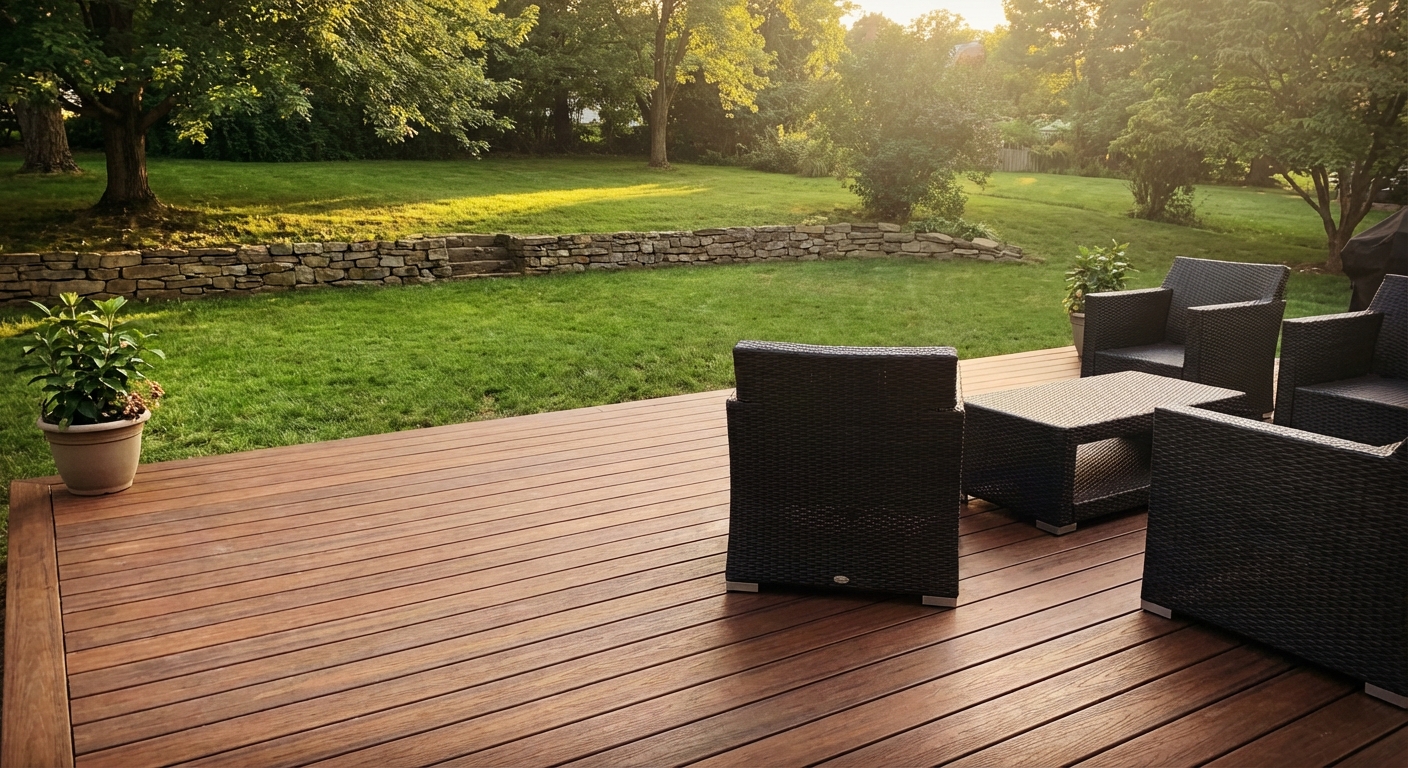
Are you dreaming of a beautiful, low-maintenance composite deck for your Pennsylvania home, but unsure about the cost? You're not alone. Many PA homeowners are turning to composite decking for its durability and longevity, but understanding the investment involved is crucial. This guide breaks down the factors influencing composite deck costs in Pennsylvania so you can plan your project with confidence.
🧮 Tool Alert: Deck Cost Calculator
Estimate your project costs in seconds based on local pricing bands for your area.
Calculate My Cost →What is the Average Cost of a Composite Deck in Pennsylvania?
The cost of a composite deck in Pennsylvania typically ranges from $45 to $75 per square foot for professionally installed projects. This price includes materials (decking boards, framing, fasteners), labor, and basic site preparation. While pressure-treated wood decks might initially seem cheaper at $25 to $45 per square foot, composite offers long-term value due to its resistance to rot, insects, and fading, reducing maintenance and replacement costs. Cedar decks generally fall in the middle, around $35 to $55 per square foot. Trex, a popular composite brand, often costs between $50 and $80 per square foot installed, reflecting its premium quality and extensive warranty.
🏗️ Planning a deck project?
Get a free manual project review, or visualize your dream deck with AI before requesting quotes.
Keep in mind that these are averages. Your specific cost will depend on several factors, which we'll explore in detail.
<!-- slot:after-intro -->
Factors Influencing Composite Deck Costs in PA
Several elements contribute to the overall price of your composite deck project. Understanding these will help you get a more accurate estimate and make informed decisions.
Deck Size and Complexity
The larger and more complex your deck design, the higher the cost. Larger decks require more materials and labor. Complex designs with multiple levels, curves, or custom features will also increase labor costs. Hillside lots, common in areas like Pittsburgh, may require additional engineering and retaining walls, significantly impacting the price.
Material Choice (Composite Brand and Grade)
Different composite decking brands and grades vary in price. Trex, TimberTech, and Fiberon are popular brands, each offering various product lines with different aesthetics and performance characteristics. Higher-end composite decking often features enhanced stain resistance, fade protection, and longer warranties, but comes at a premium. Use PaperPlan (paperplan.app) to visualize your deck with PaperPlan design with different materials and layouts before committing to a contractor.
Framing Material
While the decking itself is composite, the underlying frame is typically made of wood (pressure-treated lumber is most common) or sometimes steel or aluminum. Pressure-treated lumber is the most affordable option, but steel or aluminum framing offers superior durability and resistance to rot and insects, albeit at a higher cost.
Labor Costs
Labor costs vary depending on the contractor's experience, location, and the complexity of the project. Pennsylvania has moderate construction costs compared to neighboring states like New Jersey and New York, but prices differ significantly between regions. Labor rates in the Philadelphia metro area tend to be higher than in more rural areas.
Site Preparation
The amount of site preparation required can impact the cost. If your yard is uneven or requires extensive clearing, grading, or removal of existing structures, you can expect to pay more.
Railings and Features
The type of railing you choose will influence the overall cost. Composite railings are a popular choice for their durability and low maintenance, but they are more expensive than wood railings. Other features, such as stairs, built-in benches, lighting, and pergolas, will also add to the cost. The Poconos region sees a high demand for elevated decks with hot tub platforms and scenic view decks, which typically require more extensive framing and permitting.
Permits and Inspections
Most Pennsylvania townships require permits for decks over 30 inches above grade or over 200 square feet. Permit costs typically range from $100 to $500, depending on the municipality. Obtaining a permit involves submitting plans and undergoing inspections to ensure compliance with the Pennsylvania Uniform Construction Code (UCC). In Philadelphia, the Department of Licenses & Inspections (L&I) handles permits, which can be a stricter and more time-consuming process, especially for row houses. Be sure to factor in the cost of permit fees and the time it takes to obtain the necessary approvals.
Removal and Disposal of Existing Deck
If you're replacing an existing deck, the cost of removing and disposing of the old materials needs to be factored in. This can add a few hundred dollars to the overall project cost.
Geographic Location within Pennsylvania
As mentioned, construction costs vary across Pennsylvania. The Philadelphia metro area and its surrounding suburbs generally have higher labor costs compared to Central PA or more rural regions. Pittsburgh's unique topography often requires specialized solutions for hillside lots, increasing costs. The Lehigh Valley (Allentown, Bethlehem, Easton) offers a balance of growing suburbs and moderate costs with good contractor availability. In Lancaster County, historic properties may require additional approvals from historic review boards, potentially adding to both cost and timeline.
Termite Treatment
Southeastern Pennsylvania has moderate to high termite pressure. While composite decking is resistant to termites, protecting the wood framing with termite treatment is recommended, adding to the overall project cost.
Composite Deck Cost Breakdown Example (300 sq ft Deck)
To illustrate how these factors add up, let's consider a hypothetical 300 square foot composite deck project in the Lehigh Valley:
| Item | Estimated Cost | Notes |
|----------------------------|------------------------|----------------------------------------------------------------------|
| Composite Decking | $9,000 - $15,000 | $30 - $50 per sq ft for materials |
| Framing (Pressure-Treated) | $1,500 - $2,500 | Includes posts, beams, joists |
| Railings | $1,500 - $3,000 | Composite or Aluminum Railings |
| Fasteners & Hardware | $300 - $500 | Screws, connectors, etc. |
| Labor | $4,500 - $7,500 | $15 - $25 per sq ft for installation |
| Permits | $200 - $400 | Varies by township |
| Site Prep | $300 - $600 | Minimal grading required |
| Total Estimated Cost | $17,300 - $29,500 | $57.67 - $98.33 per sq ft |
This is just an example. Your actual cost may be higher or lower depending on the specific choices you make and the complexity of your project.
<!-- slot:mid-content -->
Tips for Saving Money on Your Composite Deck Project
While composite decking is a premium material, there are ways to potentially reduce costs:
- Get Multiple Quotes: Obtain quotes from at least three different contractors. Compare their prices, experience, and reviews.
- Consider a Simpler Design: A basic rectangular deck will be less expensive than a multi-level or curved design.
- Choose a Less Expensive Composite Brand/Grade: Explore different composite decking options and choose a grade that meets your needs without breaking the bank.
- Time Your Project Carefully: Building during the off-season (late fall or early spring) may result in lower labor costs. In Pennsylvania, the best build months are typically April-June and September-October, avoiding the summer heat and winter frost.
- DIY Some of the Work (If Qualified): If you're experienced with construction, you could potentially save money by handling some of the simpler tasks yourself, such as demolition or site preparation. *However, be very cautious about DIYing structural elements or anything that requires a permit.*
- Negotiate with Suppliers: See if you can negotiate a better price on materials by purchasing in bulk or paying cash.
- Check for Rebates and Promotions: Some composite decking manufacturers offer rebates or promotions that can help you save money.
Navigating Permits and Regulations in Pennsylvania
Understanding Pennsylvania's building codes and permit requirements is essential for a smooth deck-building process. As mentioned earlier, decks exceeding 30 inches in height or 200 square feet typically require a permit. Pennsylvania follows the Uniform Construction Code (UCC), which is enforced by local municipalities through their building code officials.
The permitting process generally involves submitting detailed plans of your deck design, including dimensions, materials, and structural details. The plans must comply with the UCC and local zoning regulations. Your contractor should be familiar with the local permitting process and can assist you with the application. Remember that some areas, like Lancaster County with its many historic properties, may require review by a historic review board. <!--Internal link to Do You Need a Deck Permit in Pennsylvania? Township & Borough Rules-->
It's crucial to obtain the necessary permits before starting construction. Building without a permit can result in fines, delays, and even the requirement to dismantle the deck.
Also, be aware that many suburban developments in Pennsylvania have Homeowners Associations (HOAs). While PA has no statewide HOA regulations, these HOAs often have covenants requiring approval for exterior modifications like deck construction. Be sure to check with your HOA before starting your project.
Finding the Right Deck Builder in Pennsylvania
Choosing a reputable and experienced deck builder is crucial for a successful project. Look for contractors who are licensed, insured, and have a proven track record of building high-quality decks.
- Check Online Reviews: Read online reviews and testimonials from previous customers.
- Ask for References: Request references from the contractor and contact them to inquire about their experience.
- Verify Licensing and Insurance: Ensure that the contractor is properly licensed and insured.
- Get a Detailed Contract: A comprehensive contract should outline the scope of work, materials, timeline, payment schedule, and warranty information.
- Ask About Experience with Composite Decking: Make sure the contractor has experience working with composite decking materials and understands the specific installation requirements. Consider searching for deck builders specifically in your area, such as the <!--Internal link to Best Deck Builders in Philadelphia: How to Find the Right Contractor-->, <!--Internal link to Best Deck Builders in Pittsburgh: Local Guide for 2026-->, <!--Internal link to Best Deck Builders in Allentown, PA: Lehigh Valley Guide-->, or <!--Internal link to Best Deck Builders in Lancaster, PA: Finding Quality & Value-->.
<!-- slot:before-faq -->
Planning Your Composite Deck Project for 2026
By understanding the factors that influence composite deck costs in Pennsylvania, you can plan your project effectively and avoid surprises. Getting multiple quotes, choosing the right materials, and working with a reputable contractor are key to achieving a beautiful and long-lasting deck that you'll enjoy for years to come. <!--Internal link to How Much Does a Deck Cost in Pennsylvania? Complete 2026 Guide-->
<!-- slot:end -->
🎨 Not sure which material to pick?
Upload a photo of your backyard and see exactly how Trex, TimberTech, or cedar would look — free and instant.
Frequently Asked Questions
What are the benefits of composite decking compared to wood?
Composite decking offers several advantages over traditional wood decks, including:
- Low Maintenance: Composite decking requires minimal maintenance. It doesn't need to be stained, sealed, or painted.
- Durability: Composite decking is resistant to rot, insects, and fading.
- Long Lifespan: Composite decks can last for 25 years or more.
- Safety: Composite decking is splinter-free and slip-resistant.
- Environmentally Friendly: Many composite decking products are made from recycled materials.
How long does it take to build a composite deck?
The timeline for building a composite deck depends on the size and complexity of the project. A simple deck may take a few days to build, while a more complex deck could take several weeks. Permit processing times can also impact the overall timeline.
What are the common problems with composite decking?
While composite decking is generally durable, some potential issues include:
- Initial Cost: Composite decking is more expensive than pressure-treated wood.
- Heat Absorption: Composite decking can get hotter than wood in direct sunlight.
- Staining: While stain-resistant, composite decking can still stain from spills or mold growth if not cleaned properly.
- Fading (in older products): Earlier generations of composite decking were prone to fading, but newer products offer improved fade resistance.
How do I clean a composite deck?
Cleaning a composite deck is relatively easy. You can typically use soap and water or a mild deck cleaner. Avoid using harsh chemicals or abrasive cleaners, as these can damage the surface. Regular cleaning will help prevent stains and mold growth.
How does the frost line in PA affect deck construction?
The frost line in Pennsylvania is typically 36 inches, but can be 42 inches or deeper in northern counties. This means that deck footings must extend below this depth to prevent movement caused by freezing and thawing cycles. Failing to do so can lead to structural problems over time. <!--Internal link to Pennsylvania Deck Building Codes: Key Requirements for 2026-->
📋 Planning a deck project?
Get a free manual project review from our team — no obligation, no spam.
Get Free Project Review →Upload a backyard photo and preview real decking materials with AI — free, instant, no sign-up.
Permits, costs, material comparisons, and questions to ask before requesting quotes — delivered to your inbox.