
Deck Cost in Pennsylvania: 2026 Price Guide
Planning a deck in PA? Our 2026 guide covers costs for pressure-treated, composite, cedar, & Trex decks, permits, and regional price differences.
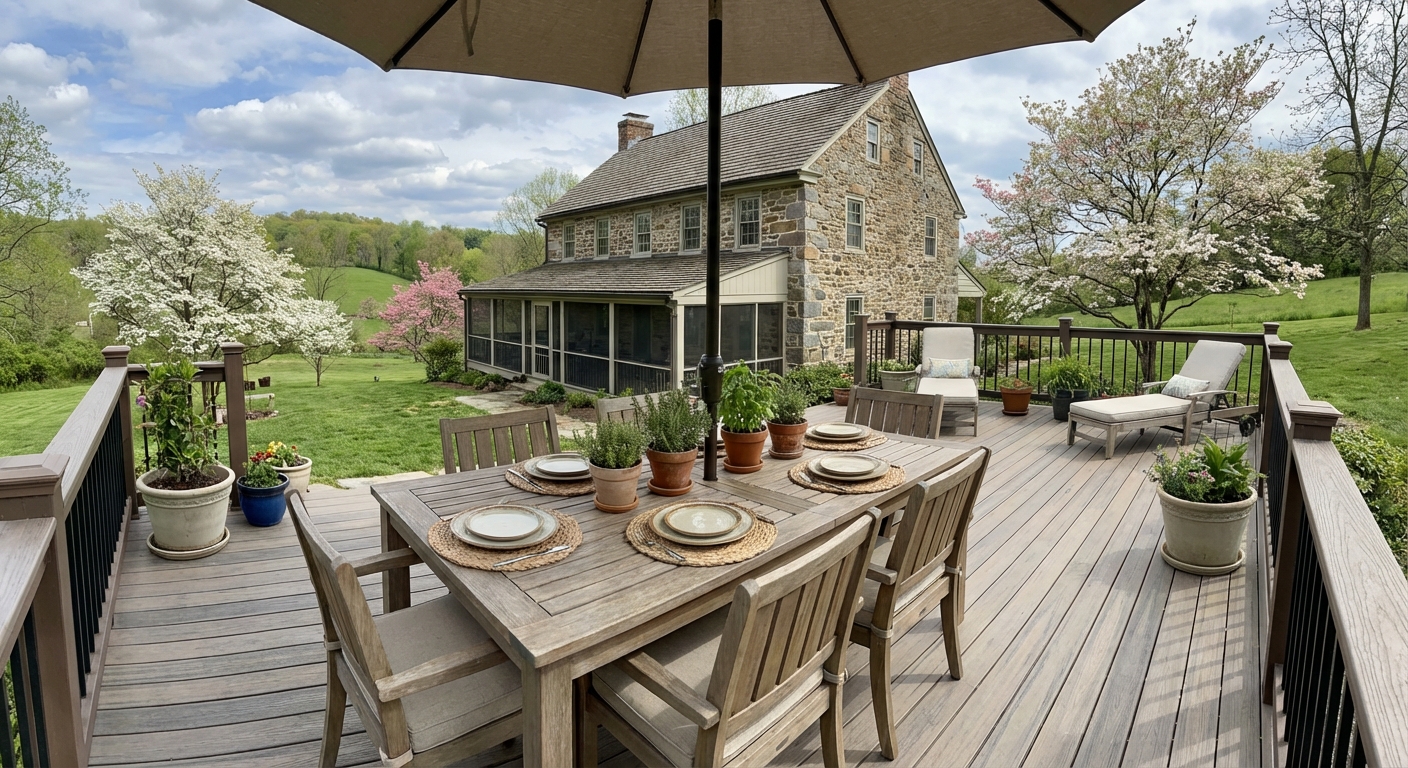
So, you're dreaming of a new deck in Pennsylvania. The big question, of course, is: How much is this going to cost? This guide breaks down deck costs in Pennsylvania for 2026, covering everything from materials to permits, and regional price differences across the state.
🧮 Tool Alert: Deck Cost Calculator
Estimate your project costs in seconds based on local pricing bands for your area.
Calculate My Cost →Pennsylvania Deck Cost Overview: 2026
Building a deck in Pennsylvania involves several factors that influence the final price. Material choice is the biggest driver, followed by size, complexity, and local labor rates. Pennsylvania has moderate construction costs compared to states like New Jersey or New York. However, prices vary significantly depending on where you live – expect higher costs in the Philadelphia metro area than in more rural parts of the state.
🏗️ Planning a deck project?
Get a free manual project review, or visualize your dream deck with AI before requesting quotes.
Here's a general cost range you can expect, installed, for different decking materials in Pennsylvania:
- Pressure-Treated Lumber: $25 - $45 per square foot
- Cedar: $35 - $55 per square foot
- Composite: $45 - $75 per square foot
- Trex (Composite): $50 - $80 per square foot
Keep in mind these are *estimates*. The final cost can fluctuate based on the specifics of your project. For example, a simple ground-level deck will be cheaper than a multi-level deck with stairs and railings.
<!-- slot:after-intro -->
Factors Influencing Deck Costs in PA
Several elements contribute to the overall cost of building a deck in Pennsylvania. Understanding these factors will help you budget more accurately.
1. Decking Material
As mentioned above, the type of decking material you choose has the largest impact on cost.
- Pressure-Treated Lumber: The most affordable option. Durable and readily available, but requires regular maintenance (staining or sealing) to prevent rot and insect damage.
- Cedar: A naturally beautiful and rot-resistant wood. Requires less maintenance than pressure-treated lumber but is more expensive upfront.
- Composite Decking: Made from recycled plastic and wood fibers. Offers excellent durability, low maintenance, and resistance to fading, staining, and scratching. Brands like Trex are popular but come at a premium price.
- Exotic Hardwoods: Ipe, mahogany, and other exotic hardwoods offer stunning aesthetics and exceptional durability. However, they are the most expensive decking option and require specialized installation.
2. Deck Size and Complexity
The larger and more complex your deck, the higher the cost. Size is straightforward – more square footage means more materials and labor. Complexity includes factors like:
- Multi-level decks: Require more extensive framing and support.
- Stairs and railings: Add to material and labor costs.
- Custom features: Benches, pergolas, built-in planters, and other custom elements increase the price.
- Unique shapes: Non-rectangular decks require more cuts and waste material.
3. Labor Costs
Labor rates vary across Pennsylvania. Expect to pay more for experienced and licensed contractors, especially in metropolitan areas like Philadelphia and Pittsburgh. Generally, labor accounts for 30-50% of the total deck cost. Getting multiple quotes from different contractors is crucial to ensure you're getting a fair price. Consider checking out Best Deck Builders in Philadelphia: How to Find the Right Contractor or Best Deck Builders in Pittsburgh: Local Guide for 2026 to start your search.
4. Permits and Inspections
In Pennsylvania, decks over 30 inches above grade or exceeding 200 square feet typically require a building permit. The cost of a permit can range from $100 to $500, depending on your municipality. Philadelphia and its surrounding suburbs tend to have higher permit fees and a more stringent approval process due to the involvement of L&I (Licenses & Inspections). See Philadelphia Deck Permit: L&I Requirements, Costs & How to Apply for more information. Failing to obtain a permit can result in fines and even require you to tear down the deck.
5. Site Conditions
The condition of your property can significantly impact deck costs.
- Sloping yards: Require additional excavation and support structures. In Pittsburgh, where hillside lots are common, you might need retaining walls and structural engineering, increasing costs substantially.
- Accessibility: Difficult access to the construction site can increase labor costs.
- Soil conditions: Unstable soil may require deeper footings or other stabilization measures.
6. Demolition and Removal
If you're replacing an existing deck, you'll need to factor in the cost of demolition and removal. This can add a few hundred dollars to the overall project.
7. Regional Cost Differences in Pennsylvania
Pennsylvania isn't a monolith. Construction costs and contractor availability vary across the state.
- Philadelphia Metro: Expect the highest costs due to higher labor rates and stricter permitting processes. Row house construction can also present unique challenges.
- Pittsburgh: Hillside lots often require specialized engineering and retaining walls, driving up costs.
- Lehigh Valley (Allentown, Bethlehem, Easton): Offers a balance of affordability and contractor availability. A growing suburban area with moderate costs. See Best Deck Builders in Allentown, PA: Lehigh Valley Guide for local pros.
- Central PA: Generally more affordable than the major metro areas.
- Poconos: Demand for decks is driven by vacation homes, often resulting in elevated decks with scenic views and hot tub platforms.
- Lancaster County: Be aware that many properties here are historic, potentially requiring approval from a historic review board before construction. Best Deck Builders in Lancaster, PA: Finding Quality & Value can help you find a contractor familiar with these regulations.
8. Hidden Costs
Don't forget to account for potential hidden costs:
- Unexpected repairs: During demolition, you might uncover unforeseen structural issues that need to be addressed.
- Material price increases: Construction material prices can fluctuate.
- Change orders: Modifications to the original plan will likely result in additional costs.
Deck Cost Breakdown: Example Scenarios
Here are a few example scenarios to illustrate how deck costs can vary in Pennsylvania. These estimates *include* both materials and labor:
Scenario 1: Small Pressure-Treated Deck (10ft x 12ft = 120 sq ft)
- Material: Pressure-treated lumber
- Location: Central PA
- Features: Basic rectangular deck, standard railing
- Estimated Cost: $3,000 - $5,400
Scenario 2: Mid-Size Composite Deck (14ft x 16ft = 224 sq ft)
- Material: Composite decking (e.g., TimberTech)
- Location: Lehigh Valley
- Features: Standard railing, stairs to grade
- Estimated Cost: $10,080 - $16,800
Scenario 3: Large Trex Deck with Custom Features (20ft x 20ft = 400 sq ft)
- Material: Trex decking
- Location: Philadelphia Suburbs
- Features: Multi-level, custom benches, built-in lighting
- Estimated Cost: $20,000 - $32,000+
<!-- slot:mid-content -->
Choosing the Right Decking Material for Pennsylvania's Climate
Pennsylvania's climate presents unique challenges for decks. We experience hot, humid summers (with temperatures reaching 85-95°F in Philadelphia) and cold winters with heavy snow, especially in western PA. Average rainfall ranges from 38 to 50 inches per year. These conditions can take a toll on your deck, making material selection crucial.
Here's a quick rundown of how different materials hold up in Pennsylvania's climate:
- Pressure-Treated Lumber: Affordable but prone to warping, cracking, and rot if not properly maintained. Requires regular sealing to protect against moisture.
- Cedar: Naturally rot-resistant and holds up well to moisture. More stable than pressure-treated lumber but can still fade over time.
- Composite Decking: Excellent resistance to moisture, fading, and insect damage. Requires minimal maintenance. A good choice for Pennsylvania's climate.
- Exotic Hardwoods: Very durable and resistant to rot and insects. However, can be susceptible to fading if not properly oiled.
Also, remember that southeastern Pennsylvania has moderate to high termite pressure, so termite treatment is recommended, particularly for wood decks.
Navigating Pennsylvania Deck Building Codes and Permits
Pennsylvania follows the Uniform Construction Code (UCC), which sets the minimum standards for deck construction. Local municipalities enforce these codes through their building code officials.
Key requirements to keep in mind:
- Footings: Must extend below the frost line. The frost line is generally 36 inches in most of PA, but 42 inches in northern counties.
- Decking Attachment: Deck boards must be securely fastened to the joists.
- Railing Height: Railings must be at least 36 inches high for residential decks.
- Stair Construction: Stairs must meet specific requirements for rise, run, and handrails.
Decks exceeding 30 inches in height above grade or 200 square feet in area generally require a permit. It's best to check with your local township or borough for specific requirements. You can find more information about PA deck building codes in our article: Pennsylvania Deck Building Codes: Key Requirements for 2026.
Also, be aware that Pennsylvania has no statewide HOA regulations. However, many suburban developments have HOA covenants that require approval for exterior modifications, including deck construction.
Planning Your Deck Project: Design and Visualization
Before you start contacting contractors, it's helpful to have a clear idea of what you want. Consider factors like deck size, layout, features, and materials. Use PaperPlan (paperplan.app) to visualize your deck with PaperPlan design with different materials and layouts before committing to a contractor. This can help you refine your vision and communicate your needs more effectively.
Timing Your Deck Build in Pennsylvania
The best time to build a deck in Pennsylvania is during the shoulder seasons: April-June and September-October. These months offer milder weather and fewer extremes in temperature. Avoid building during the peak of summer (July-August) due to the heat and humidity, and avoid winter (November-March) due to the cold and potential for snow and ice.
<!-- slot:before-faq -->
🎨 Not sure which material to pick?
Upload a photo of your backyard and see exactly how Trex, TimberTech, or cedar would look — free and instant.
Frequently Asked Questions
How can I save money on my deck project?
Consider using pressure-treated lumber for the framing, even if you choose a more expensive material for the decking surface. Simplify the design by opting for a basic rectangular shape and standard railings. Get multiple quotes from different contractors and compare prices carefully.
Do I need a permit to build a deck in Pennsylvania?
Generally, yes, if your deck is more than 30 inches above grade or exceeds 200 square feet. However, it's essential to check with your local municipality for specific requirements. See Do You Need a Deck Permit in Pennsylvania? Township & Borough Rules for more details.
How long does it take to build a deck?
The construction time depends on the size and complexity of the deck. A small, simple deck can be completed in a few days, while a larger, more complex deck can take several weeks. Weather conditions can also affect the timeline.
What type of maintenance is required for a deck?
Maintenance requirements vary depending on the decking material. Pressure-treated lumber requires regular cleaning, staining, or sealing. Cedar requires less maintenance but may need to be oiled or stained periodically. Composite decking is the easiest to maintain, typically only requiring occasional cleaning.
<!-- slot:end -->
📋 Planning a deck project?
Get a free manual project review from our team — no obligation, no spam.
Get Free Project Review →Upload a backyard photo and preview real decking materials with AI — free, instant, no sign-up.
Permits, costs, material comparisons, and questions to ask before requesting quotes — delivered to your inbox.