
Best Deck Builders in Philadelphia (2026)
Looking for the best deck builder in Philadelphia? This guide covers permits, costs, materials, and how to find the perfect contractor for your Philly deck project.
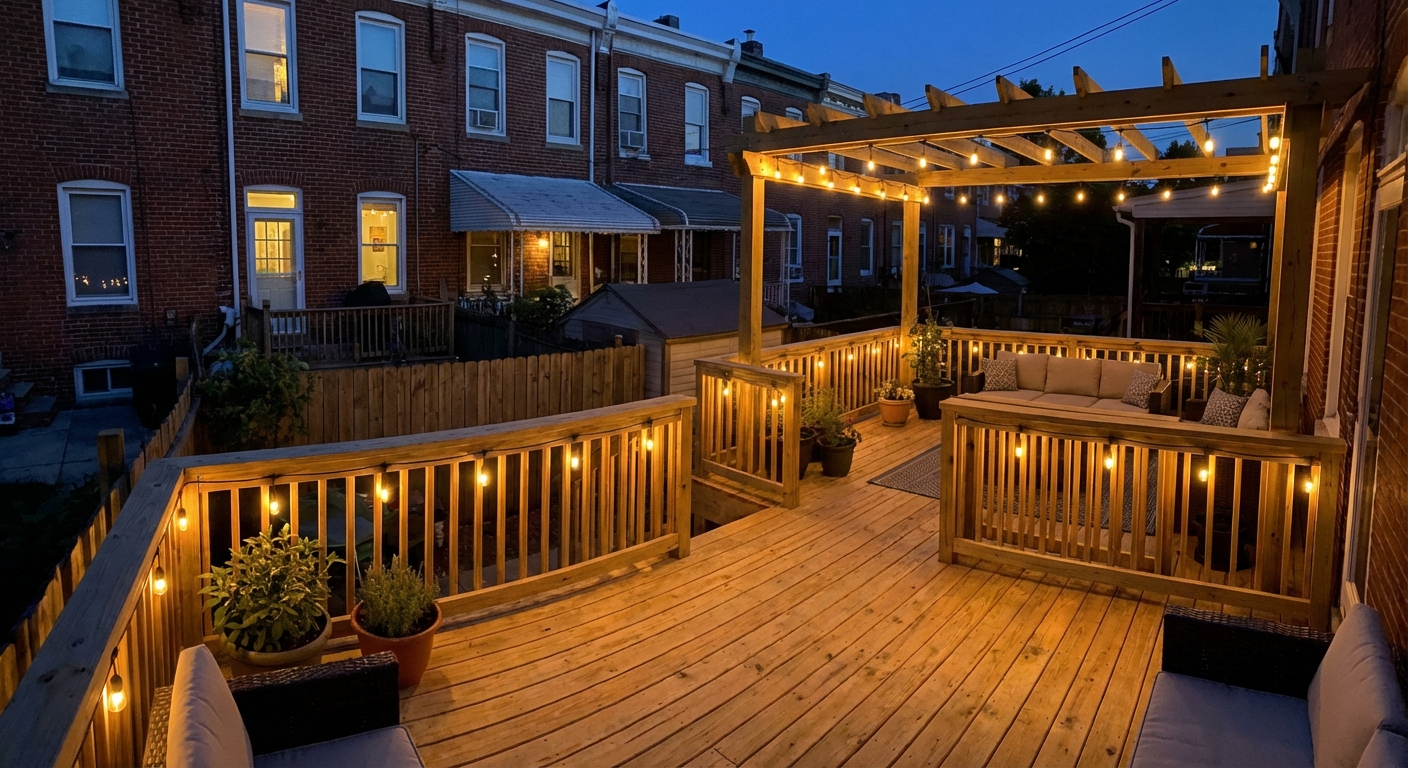
Building a new deck in Philadelphia can significantly enhance your outdoor living space. But finding the right contractor is crucial for a successful project. This guide provides a step-by-step approach to finding the best deck builders in Philadelphia, covering everything from understanding local permit requirements to estimating costs and evaluating potential contractors.
Understanding Philadelphia Deck Building Considerations
Philadelphia presents unique challenges and opportunities for deck construction. Row homes, limited backyard space, and strict building codes require careful planning and expertise. Here's what you need to know:
🏗️ Planning a deck project?
Get a free manual project review, or visualize your dream deck with AI before requesting quotes.
- Permits: Decks over 30 inches above grade or exceeding 200 square feet require a permit from Philadelphia's Department of Licenses & Inspections (L&I). The permit process in Philadelphia can be lengthy and requires detailed drawings. See also: Philadelphia Deck Permit: L&I Requirements, Costs & How to Apply
- Row Home Constraints: Building a deck attached to a row home requires extra attention to structural integrity and fire safety. Shared walls and limited access necessitate careful planning and execution.
- Lot Sizes: Many Philadelphia properties have small backyards, requiring creative deck designs to maximize space. Multi-level decks or decks with built-in seating can be excellent solutions.
- Climate: Philadelphia experiences hot, humid summers (85-95°F) and cold winters with significant snowfall. Your deck materials must withstand these extremes. Choose materials resistant to rot, warping, and fading.
- Termites: Southeastern Pennsylvania has moderate to high termite pressure. Ensure your contractor uses pressure-treated lumber and considers termite prevention measures.
- HOAs: While Pennsylvania has no statewide HOA regulations, many Philadelphia neighborhoods have Homeowner Associations. Check your HOA covenants for any restrictions or approval requirements.
- Best Build Months: Aim to start your deck project between April-June or September-October to avoid the extreme summer heat and winter frost.
<!-- slot:after-intro -->
Estimating Deck Costs in Philadelphia
Deck costs in Philadelphia vary depending on the materials you choose, the size of your deck, and the complexity of the design. Here's a breakdown of typical costs per square foot, installed:
| Material | Cost per SqFt (Installed) | Pros | Cons |
| ----------------- | ------------------------- | -------------------------------------------------------------------------------------------------------- | ------------------------------------------------------------------------------------------------------------ |
| Pressure-Treated | $25-45 | Most affordable, readily available, can be stained or painted. | Requires regular maintenance (staining/sealing), prone to warping and splintering if not properly maintained. |
| Composite | $45-75 | Low maintenance, durable, resistant to rot and insects, wide range of colors and styles. | More expensive than pressure-treated lumber, can get hot in direct sunlight. |
| Cedar | $35-55 | Naturally beautiful, resistant to rot and insects, requires less maintenance than pressure-treated lumber. | More expensive than pressure-treated lumber, can fade over time. |
| Trex (Composite) | $50-80 | Extremely durable, low maintenance, made from recycled materials, excellent warranty. | One of the most expensive options, can get hot in direct sunlight. |
Example: A 200 sq ft pressure-treated deck might cost between $5,000 - $9,000, while a similar-sized Trex deck could range from $10,000 - $16,000. These are just estimates; obtaining quotes from multiple contractors is essential for accurate pricing. See also: How Much Does a Deck Cost in Pennsylvania? Complete 2026 Guide and Deck Cost Per Square Foot in Pennsylvania: 2026 Pricing Breakdown.
Finding Reputable Deck Builders in Philadelphia
Finding the right contractor requires research and due diligence. Here's a step-by-step guide:
1. Ask for Referrals: Start by asking friends, family, and neighbors for recommendations. Personal referrals are often the most reliable.
2. Online Research: Use online platforms like local.click to find deck builders in your area. Check online reviews on Google, Yelp, and the Better Business Bureau (BBB).
3. Check Licensing and Insurance: Verify that the contractor is licensed and insured in Philadelphia. You can check their license status through the City of Philadelphia's Department of Licenses and Inspections (L&I) website. Ensure they have both liability insurance and workers' compensation insurance.
4. Get Multiple Quotes: Obtain quotes from at least three different contractors. This allows you to compare pricing, materials, and timelines.
5. Review Portfolios: Ask to see examples of the contractor's previous work. Look for projects similar to what you have in mind.
6. Check References: Contact previous clients to inquire about their experience with the contractor. Ask about the quality of the work, communication, and adherence to the budget and timeline.
7. Read Contracts Carefully: Before signing a contract, carefully review all the terms and conditions. Ensure the contract includes a detailed scope of work, payment schedule, materials list, and warranty information.
Key Questions to Ask Potential Contractors
When interviewing potential deck builders, ask these questions:
- Are you licensed and insured in Philadelphia? Can you provide proof?
- How long have you been in business?
- Do you have experience building decks in Philadelphia, specifically in [mention your neighborhood e.g., Fishtown, South Philly, etc.]?
- Can you provide references from previous clients?
- Do you handle the permit process with Philadelphia L&I?
- What type of materials do you recommend for my project, and why?
- What is your estimated timeline for completion?
- What is your payment schedule?
- What type of warranty do you offer?
- How do you handle unexpected issues or changes during the project?
<!-- slot:mid-content -->
Navigating the Philadelphia Permit Process
Obtaining a deck permit in Philadelphia requires navigating the L&I (Licenses & Inspections) process. Here's a general overview:
1. Prepare Drawings: You'll need detailed drawings of your deck design, including dimensions, materials, and structural details. A professional deck builder can typically provide these drawings.
2. Submit Application: Submit your application and drawings to L&I. You can do this online or in person.
3. Review Process: L&I will review your application to ensure it complies with the Philadelphia Building Code and Zoning Code. This process can take several weeks or even months.
4. Inspections: Once your permit is approved, you'll need to schedule inspections at various stages of the construction process.
5. Final Inspection: After the deck is completed, a final inspection is required to ensure it meets all code requirements.
Pro Tip: Working with a contractor who has experience navigating the Philadelphia permit process can save you significant time and frustration.
Design Considerations for Philadelphia Decks
Consider these design factors specific to Philadelphia:
- Maximize Space: In densely populated areas, maximize your deck's functionality with built-in seating, planters, or storage.
- Privacy: Consider adding privacy screens or trellises to create a more secluded outdoor space, especially in row home settings.
- Multi-Level Decks: If your property has a slope, a multi-level deck can create more usable space and add visual interest.
- Material Choices: Choose durable, low-maintenance materials that can withstand Philadelphia's weather extremes. Composite decking is a popular choice for its durability and resistance to rot and insects.
- Lighting: Incorporate lighting into your deck design to enhance safety and create a more inviting atmosphere.
- Consider the View: If you have a view, design your deck to take full advantage of it.
Use PaperPlan (paperplan.app) to visualize your deck with PaperPlan design with different materials and layouts before committing to a contractor. This can help you make informed decisions about your deck's design and functionality.
Deck Maintenance Tips for Philadelphia Homeowners
Proper maintenance is crucial for extending the life of your deck. Here are some tips:
- Regular Cleaning: Clean your deck regularly with soap and water to remove dirt and debris.
- Sealing/Staining: Seal or stain your deck every one to three years to protect it from the elements. The frequency depends on the material and the level of exposure to sun and rain.
- Inspect for Damage: Regularly inspect your deck for signs of damage, such as rot, cracks, or loose boards.
- Clear Debris: Remove leaves and other debris from your deck to prevent moisture buildup and rot.
- Professional Inspections: Consider having your deck professionally inspected every few years to identify potential problems early.
<!-- slot:before-faq -->
By following these steps, you can find the best deck builder in Philadelphia to create the outdoor living space of your dreams. Remember to prioritize research, communication, and a clear understanding of the contract to ensure a successful project.
🎨 Not sure which material to pick?
Upload a photo of your backyard and see exactly how Trex, TimberTech, or cedar would look — free and instant.
Frequently Asked Questions
Do I really need a permit for my deck in Philadelphia?
Yes, decks over 30 inches above grade or exceeding 200 square feet require a permit from Philadelphia's Department of Licenses & Inspections (L&I). Building without a permit can result in fines and require you to tear down and rebuild your deck. See also: Do You Need a Deck Permit in Pennsylvania? Township & Borough Rules
What is the best material for a deck in Philadelphia's climate?
Composite decking is a popular choice due to its durability, low maintenance, and resistance to rot and insects. Pressure-treated lumber is a more affordable option but requires regular maintenance. Cedar offers natural beauty and good resistance to the elements. The "best" material depends on your budget and aesthetic preferences.
How long does it take to build a deck in Philadelphia?
The timeline for building a deck varies depending on the size and complexity of the project, weather conditions, and the contractor's schedule. A simple deck might take a week or two, while a larger, more complex deck could take several weeks. The permit process in Philadelphia can also add to the overall timeline.
How much should I budget for a deck in Philadelphia?
Budgeting depends on the size, materials, and complexity. Pressure-treated decks typically range from $25-$45/sqft installed, while composite decks range from $45-$75/sqft. Always get multiple quotes and factor in potential overages.
Can I build a deck myself in Philadelphia?
While it's possible to build a deck yourself, it's generally recommended to hire a professional contractor, especially if you're unfamiliar with building codes and permit requirements. Building a deck requires structural knowledge and attention to detail to ensure safety and compliance with regulations. Furthermore, a professional can navigate the Philadelphia permit process more efficiently. See also: Pennsylvania Deck Building Codes: Key Requirements for 2026
<!-- slot:end -->
📋 Planning a deck project?
Get a free manual project review from our team — no obligation, no spam.
Get Free Project Review →Upload a backyard photo and preview real decking materials with AI — free, instant, no sign-up.
Permits, costs, material comparisons, and questions to ask before requesting quotes — delivered to your inbox.