
Deck Cost Per Sqft in Pennsylvania (2026)
Understand PA deck costs in 2026. Pressure-treated, composite, cedar & Trex prices per sqft. Regional differences, permits, and factors that impact your budget.
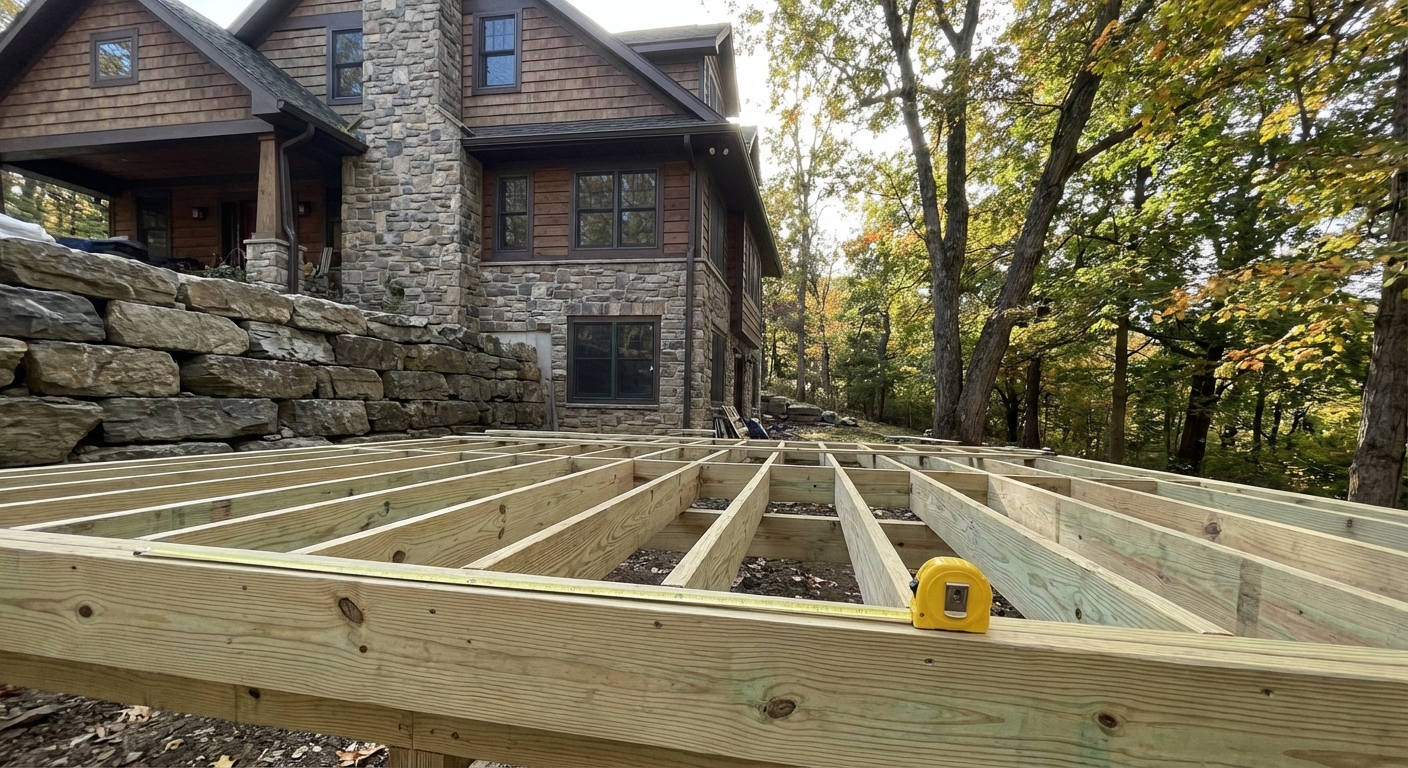
Are you trying to figure out how much your new deck will cost per square foot in Pennsylvania? The price can vary quite a bit depending on the materials you choose, where you live in PA, and the complexity of the project. This guide breaks down the expected costs for 2026, covering everything from materials to permits, so you can plan your budget effectively.
🧮 Tool Alert: Deck Cost Calculator
Estimate your project costs in seconds based on local pricing bands for your area.
Calculate My Cost →Pennsylvania Deck Cost Per Square Foot: Material Breakdown
The material you select for your deck is the biggest driver of cost. Here's a breakdown of typical per-square-foot prices you can expect in Pennsylvania for professionally installed decks:
🏗️ Planning a deck project?
Get a free manual project review, or visualize your dream deck with AI before requesting quotes.
| Material | Cost Per Square Foot (Installed) | Notes |
|-------------------|-----------------------------------|---------------------------------------------------------------------------------------------------------------------------|
| Pressure-Treated | $25 - $45 | Most affordable option. Requires regular staining/sealing. Susceptible to warping and cracking over time. |
| Cedar | $35 - $55 | Naturally rot-resistant and beautiful. Requires less maintenance than pressure-treated, but more expensive. |
| Composite | $45 - $75 | Low-maintenance and durable. Made from recycled plastic and wood fibers. Many color and texture options. |
| Trex (Composite) | $50 - $80 | Premium composite brand known for its durability and warranty. Higher upfront cost, but long-term value. |
These prices include both the cost of the materials themselves *and* the labor for professional installation. Remember that these are averages, and your actual cost could be higher or lower depending on your specific project.
<!-- slot:after-intro -->
Regional Cost Variations Across Pennsylvania
Pennsylvania has diverse regional economies and landscapes, which impact deck building costs. Expect to see price differences based on location:
- Philadelphia Metro Area: Expect higher labor costs and potentially stricter permitting processes through L&I (Licenses & Inspections). Row house construction can also present unique challenges.
- Pittsburgh Area: Hillside lots are common, which often require retaining walls, multi-level decks, and additional structural engineering. This will significantly increase costs.
- Lehigh Valley (Allentown, Bethlehem, Easton): Costs are generally moderate in this growing suburban region. Good availability of contractors can lead to competitive pricing.
- Central PA: More rural areas may have lower labor costs, but material costs might be slightly higher due to transportation.
- Poconos Region: The demand for vacation home decks can drive up prices, especially for elevated decks, hot tub platforms, and decks designed to maximize scenic views.
Factors Influencing Your Deck's Price
Beyond the material and location, several other factors will determine the final cost of your deck project:
- Size: Larger decks will naturally cost more. A 200 sq ft deck will cost less than a 500 sq ft deck using the same materials.
- Design Complexity: Simple rectangular decks are the most cost-effective. Complex designs with curves, multiple levels, or built-in features (benches, planters, etc.) will increase the price. Use PaperPlan (paperplan.app) to visualize your deck with PaperPlan design with different materials and layouts before committing to a contractor.
- Height: Decks built higher off the ground require more elaborate support structures and railing systems, adding to the cost. Remember that decks over 30 inches above grade typically require a permit in PA.
- Railing Type: Basic wood railings are the most affordable. Composite, metal, or glass railings will increase the cost.
- Stairs: The number of stairs and their complexity will impact the price.
- Permits: Most Pennsylvania townships require permits for decks over 200 sq ft or those exceeding 30 inches in height. Permit costs typically range from $100 to $500, but can be higher in areas like Philadelphia.
- Site Preparation: If your yard requires extensive leveling, tree removal, or other site preparation work, this will add to the overall cost. Pittsburgh homeowners should pay special attention to this given the prevalence of hillside lots.
- Demolition and Removal: If you're replacing an existing deck, the cost of demolition and disposal needs to be factored in.
- Labor Costs: Contractor labor rates vary depending on experience, location, and demand. Getting multiple quotes is crucial.
- Fasteners: High-quality, corrosion-resistant fasteners are essential for a long-lasting deck, especially in Pennsylvania's climate, which includes hot, humid summers and cold, snowy winters.
- Lighting and Electrical: Adding lighting, outlets, or other electrical features will increase the cost and require a licensed electrician.
- Termite Treatment: In southeastern PA, termite pressure is moderate to high. Pre-treating the soil and wood can help prevent future infestations.
Permit Requirements and Costs in Pennsylvania
Pennsylvania follows the Uniform Construction Code (UCC), but local municipalities enforce it. This means permit requirements and costs can vary.
- General Rule: Decks exceeding 200 square feet or 30 inches in height usually require a permit. Some municipalities may have stricter rules.
- Permit Costs: Expect to pay between $100 and $500 for a deck permit in most Pennsylvania townships. Philadelphia and its surrounding suburbs tend to have higher permit fees and a more complex application process.
- Philadelphia L&I: Philadelphia's Licenses & Inspections (L&I) department has a reputation for being strict and having longer processing times. Thorough documentation and adherence to code are essential. See our guide to Philadelphia Deck Permit: L&I Requirements, Costs & How to Apply for more information.
- Historic Districts: If you live in a historic district, especially in places like Lancaster County, you may need approval from a historic review board before building your deck.
It's crucial to contact your local township or borough office to confirm the specific permit requirements and fees in your area. Ignoring permit requirements can result in fines and delays.
<!-- slot:mid-content -->
Material Selection Considerations for Pennsylvania's Climate
Pennsylvania's climate presents some challenges for deck building:
- Hot, Humid Summers: Philadelphia can experience temperatures between 85-95°F with high humidity. This can cause wood to warp and crack. Composite decking is a good option for resisting moisture damage.
- Cold, Snowy Winters: Western PA, in particular, gets heavy snowfall. Ensure your deck is built to withstand the weight of snow. The frost line is typically 36 inches in most of PA, but 42 inches in northern counties. This affects the depth of your deck footings.
- Rainfall: Pennsylvania receives an average of 38-50 inches of rain per year. Proper drainage is essential to prevent water damage.
Choosing materials that are resistant to moisture, rot, and insect damage is essential for a long-lasting deck in Pennsylvania. Consider pressure-treated lumber, cedar, or composite decking.
HOA Considerations
While Pennsylvania has no statewide HOA regulations, many suburban developments have Homeowners Associations (HOAs) with covenants that require approval before building a deck. Check your HOA documents to understand their specific rules and requirements. Failure to obtain HOA approval can result in fines or even the requirement to remove your deck.
Building Timeline and Best Time to Build
The best time to build a deck in Pennsylvania is during the shoulder seasons: April-June and September-October. These months offer milder temperatures and avoid the extremes of summer heat and winter frost. Building during these times can also help you avoid contractor backlogs.
The actual construction timeline will depend on the size and complexity of your deck. A simple deck can be built in a few days, while a more elaborate deck can take several weeks. Factors like weather delays and material availability can also affect the timeline.
<!-- slot:before-faq -->
Finding a Reputable Deck Builder in Pennsylvania
Choosing the right deck builder is crucial for a successful project. Here are some tips:
- Get Multiple Quotes: Obtain quotes from at least three different contractors.
- Check References: Ask for references from previous clients and follow up with them.
- Review Portfolios: Look at examples of the contractor's previous work.
- Verify Licensing and Insurance: Ensure the contractor is properly licensed and insured.
- Read Online Reviews: Check online review sites like Google, Yelp, and the Better Business Bureau.
- Get a Detailed Contract: A comprehensive contract should outline the scope of work, materials, payment schedule, and warranty information.
- Consider experience: Has the contractor worked on similar projects in your area? A contractor familiar with hillside construction in Pittsburgh, for example, will be better equipped to handle those challenges.
<!-- slot:end -->
🎨 Not sure which material to pick?
Upload a photo of your backyard and see exactly how Trex, TimberTech, or cedar would look — free and instant.
Frequently Asked Questions
How much does it cost to build a 12x12 deck in Pennsylvania?
A 12x12 deck is 144 square feet. Using the price ranges above, you can expect to pay:
- Pressure-treated: $3,600 - $6,480
- Cedar: $5,040 - $7,920
- Composite: $6,480 - $10,800
- Trex: $7,200 - $11,520
These are just estimates, and the actual cost could be higher or lower depending on the specific factors mentioned above.
Do I need a permit to build a deck in Pennsylvania?
Generally, yes, if your deck is over 200 square feet or more than 30 inches above grade. However, always check with your local township or borough for specific requirements. See our guide: Do You Need a Deck Permit in Pennsylvania? Township & Borough Rules for more information.
What is the best material for a deck in Pennsylvania?
The "best" material depends on your budget, aesthetic preferences, and maintenance tolerance. Pressure-treated lumber is the most affordable, while composite decking offers the best combination of durability and low maintenance. Cedar provides natural beauty and good rot resistance.
How long does it take to build a deck?
A simple deck can be built in a few days, while a more complex deck can take several weeks. Factors like weather, material availability, and the contractor's schedule can affect the timeline.
Can I build a deck myself in Pennsylvania?
Yes, you can build a deck yourself, but it's a challenging project that requires knowledge of carpentry, building codes, and safety practices. If you're not experienced, it's best to hire a professional deck builder. Even if you build it yourself, you'll still likely need a permit and inspections. See Pennsylvania Deck Building Codes: Key Requirements for 2026 for information on code compliance.
📋 Planning a deck project?
Get a free manual project review from our team — no obligation, no spam.
Get Free Project Review →Upload a backyard photo and preview real decking materials with AI — free, instant, no sign-up.
Permits, costs, material comparisons, and questions to ask before requesting quotes — delivered to your inbox.