
Philadelphia Deck Permit: Costs & Rules (2026)
Navigating Philadelphia's deck permit process. Learn about L&I requirements, costs, applications, inspections, and avoid common pitfalls.
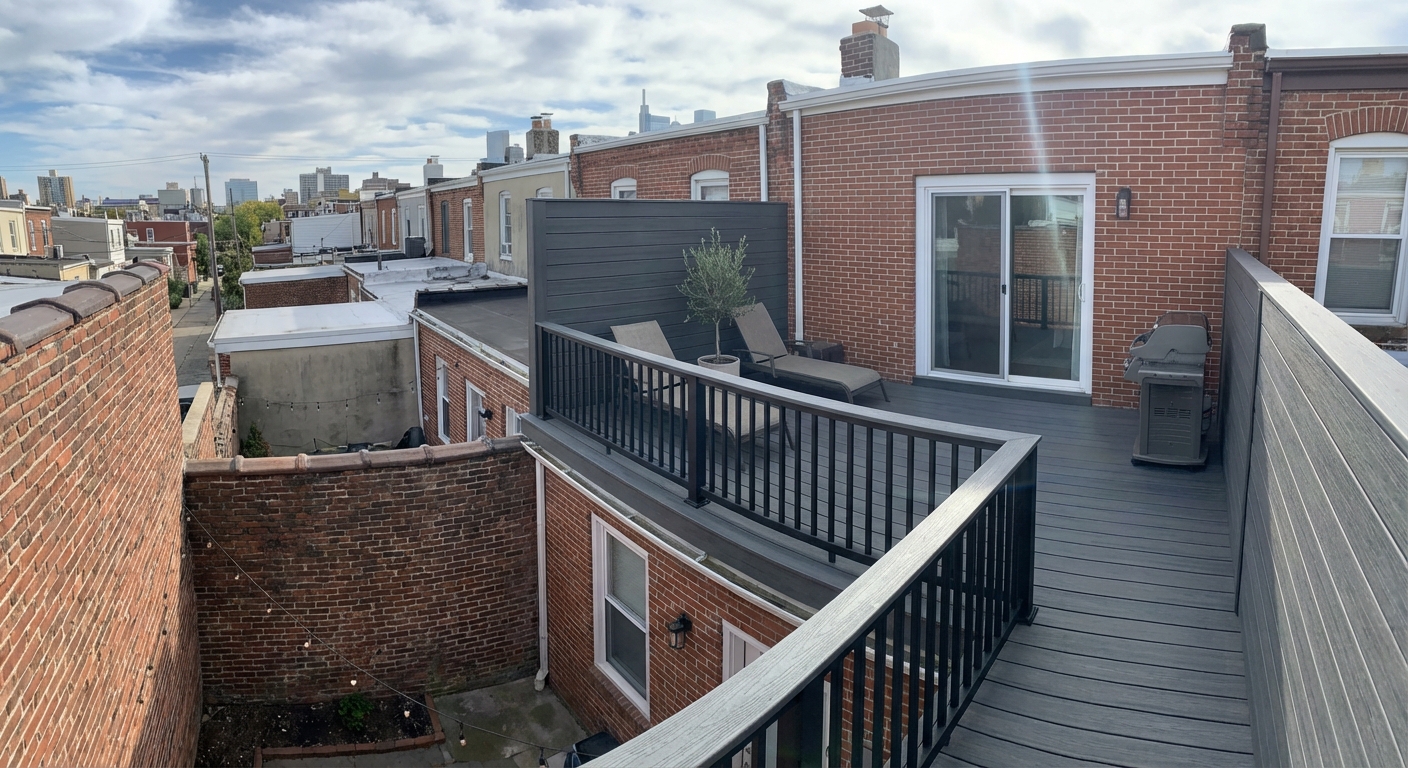
Want to build a deck in Philadelphia? You'll almost certainly need a permit from the Department of Licenses and Inspections (L&I). This guide breaks down everything you need to know about Philadelphia deck permits: requirements, costs, the application process, and how to avoid common delays. Understanding these steps will help you build your deck legally and safely, avoiding costly fines and rework.
📋 Tool Alert: Permit Checker
Do you really need a permit? Check the exact rules for your city or township.
Check Permits →Do You Need a Deck Permit in Philadelphia?
The short answer is likely yes. In Philadelphia, a permit is required for any deck that is:
🏗️ Planning a deck project?
Get a free manual project review, or visualize your dream deck with AI before requesting quotes.
- More than 30 inches above grade (ground level).
- Larger than 200 square feet.
Even if your deck falls below these thresholds, it's always best to check with L&I, especially if you live in a row house or a historic district. Philadelphia has specific regulations for these types of properties.
<!-- slot:after-intro -->
Philadelphia Deck Permit Requirements: L&I's Process
Philadelphia's L&I can be challenging to navigate, so thorough preparation is key. Here's a breakdown of the requirements:
1. Plans and Drawings
You'll need detailed plans showing the dimensions of your deck, the materials you'll be using, and how it will be constructed. Your plans should include:
- Site Plan: Showing the location of the deck on your property, property lines, and any easements. Philadelphia lot sizes vary, but row homes often have very small backyards. Accurate measurements are crucial.
- Construction Drawings: Detailed drawings showing the deck's framing, footings, and connections. These must meet Pennsylvania Uniform Construction Code (UCC) standards.
- Materials List: A complete list of all materials, including lumber type, size, and grade.
- Foundation Details: Indicate the depth and size of footings, ensuring they are below the frost line of 36 inches.
Consider using PaperPlan (paperplan.app) to visualize your deck with PaperPlan design with different materials and layouts before committing to a contractor. This can help you create accurate plans and avoid costly revisions later on.
2. Application Forms
You'll need to complete the necessary application forms, available on the City of Philadelphia's L&I website. These forms typically require information about the property owner, contractor (if applicable), and the scope of work.
3. Required Inspections
L&I will conduct inspections at various stages of the construction process:
- Footing Inspection: Before pouring concrete for the footings.
- Framing Inspection: After the deck framing is complete but before decking is installed.
- Final Inspection: After the deck is fully completed.
You are responsible for scheduling these inspections with L&I. Allow ample time, as scheduling delays are common.
4. Row House Considerations
If you live in a Philadelphia row house, there are additional considerations:
- Party Wall Agreements: If your deck is close to or attached to a shared wall, you may need a party wall agreement with your neighbor.
- Drainage: Ensure your deck doesn't negatively impact your neighbor's property drainage.
- Structural Stability: Decks attached to row houses require careful structural design to ensure they don't compromise the building's integrity.
5. Historic District Regulations
If your property is in a designated historic district (like Society Hill or Old City), you'll need to obtain approval from the Philadelphia Historical Commission *before* applying for an L&I permit. This process can add significant time and complexity to your project.
Applying for a Philadelphia Deck Permit: Step-by-Step
Here's a step-by-step guide to applying for a deck permit in Philadelphia:
1. Prepare Your Plans: Create detailed plans and drawings as described above.
2. Complete the Application: Fill out the required application forms accurately and completely.
3. Submit Your Application: Submit your application, plans, and supporting documents to L&I. You can typically do this online or in person at the L&I Permit Service Center.
4. Pay the Permit Fee: Pay the required permit fee (see cost details below).
5. Wait for Approval: L&I will review your application. This can take several weeks or even months, depending on the complexity of the project and L&I's current workload. Be prepared for potential requests for revisions or additional information.
6. Schedule Inspections: Once your permit is approved, schedule the required inspections with L&I at each stage of construction.
7. Complete Construction: Build your deck according to the approved plans and all applicable building codes.
8. Final Inspection: Schedule a final inspection with L&I to ensure the deck meets all requirements.
Philadelphia Deck Permit Costs: What to Expect
The cost of a Philadelphia deck permit varies depending on the size and complexity of the project. Here's a breakdown of the potential costs:
- Permit Fee: Typically ranges from $100 to $500 or more, depending on the size and value of the deck. Check the L&I website for the current fee schedule.
- Plan Review Fee: May be charged separately, especially for complex projects.
- Professional Fees: If you hire an architect or engineer to design your deck, their fees can range from $500 to $2,000 or more. This is especially important for row homes or decks with complex structural requirements.
- Inspection Fees: L&I may charge additional fees for re-inspections if your deck fails an initial inspection.
Example Cost Breakdown (Small Deck - 150 sq ft):
| Item | Estimated Cost |
|----------------|----------------|
| Permit Fee | $200 |
| Plan Review Fee | $0 (potentially) |
| Total | $200 |
Example Cost Breakdown (Large Deck - 400 sq ft, Architect Designed):
| Item | Estimated Cost |
|----------------|----------------|
| Permit Fee | $450 |
| Plan Review Fee | $150 |
| Architect Fees | $1,000 |
| Total | $1,600 |
Deck Material & Labor Costs (Installed):
| Material | Cost per SqFt |
|-------------------|----------------|
| Pressure-Treated | $25 - $45 |
| Composite | $45 - $75 |
| Cedar | $35 - $55 |
| Trex | $50 - $80 |
Remember that Pennsylvania generally has moderate construction costs. While lower than New Jersey or New York, Philadelphia metro prices can be higher than more rural parts of the state.
<!-- slot:mid-content -->
Common Philadelphia Deck Permit Pitfalls (and How to Avoid Them)
Navigating Philadelphia's L&I can be tricky. Here are some common pitfalls and how to avoid them:
- Incomplete Applications: Make sure your application is complete and includes all required information and documentation. Incomplete applications will be rejected, delaying the process.
- Inaccurate Plans: Ensure your plans are accurate and meet all building code requirements. Hire a qualified professional if you're not comfortable creating them yourself.
- Scheduling Delays: L&I inspections can be difficult to schedule. Be patient and persistent, and schedule inspections well in advance.
- Ignoring Historic District Rules: If your property is in a historic district, obtain approval from the Philadelphia Historical Commission *before* applying for an L&I permit.
- Building Without a Permit: Building without a permit can result in hefty fines and even require you to tear down your deck. It's always best to obtain the necessary permits before starting construction.
- Not considering drainage: Philadelphia gets an average of 41 inches of rain per year. Ensure your deck design properly addresses drainage to prevent water damage to your property and your neighbors' properties.
Pennsylvania Climate Considerations
Pennsylvania's climate presents specific challenges for deck building:
- Hot, Humid Summers: Philadelphia summers are hot and humid, which can affect the expansion and contraction of decking materials. Choose materials that are resistant to moisture and heat.
- Cold, Snowy Winters: Pennsylvania winters can be cold and snowy. Ensure your deck is designed to withstand heavy snow loads. The frost line in Philadelphia is 36 inches, so footings must be below this depth.
- Termites: Southeastern Pennsylvania has moderate to high termite pressure. Consider treating the soil around your deck footings to prevent termite infestations.
The best months to build a deck in Philadelphia are typically April-June and September-October, avoiding the extreme heat of summer and the potential for frost in winter.
<!-- slot:before-faq -->
🎨 Not sure which material to pick?
Upload a photo of your backyard and see exactly how Trex, TimberTech, or cedar would look — free and instant.
Frequently Asked Questions
What happens if I build a deck without a permit in Philadelphia?
Building without a permit can result in fines, stop-work orders, and even the requirement to remove the deck. It's always best to obtain the necessary permits before starting construction.
How long does it take to get a deck permit in Philadelphia?
The time it takes to get a deck permit in Philadelphia can vary, but it typically takes several weeks or even months. Factors that can affect the timeline include the complexity of the project, L&I's current workload, and whether your property is in a historic district.
Can I build my own deck in Philadelphia?
Yes, you can build your own deck in Philadelphia, but you'll still need to obtain the necessary permits and inspections. Make sure you're familiar with all applicable building codes and have the necessary skills and experience to complete the project safely and correctly. If unsure, hire a licensed contractor. You can find qualified professionals via Best Deck Builders in Philadelphia: How to Find the Right Contractor.
How close to my property line can I build a deck in Philadelphia?
The setback requirements for decks vary depending on the zoning district. Check with L&I or the Philadelphia Zoning Code for specific requirements. Row homes often have very limited setbacks.
Does my HOA need to approve my deck design?
While Pennsylvania has no statewide HOA regulations, many Philadelphia neighborhoods have HOA covenants. Check your HOA rules for design guidelines and approval processes.
<!-- slot:end -->
Building a deck in Philadelphia requires careful planning and attention to detail. By understanding the L&I requirements, obtaining the necessary permits, and following all applicable building codes, you can ensure your deck is built safely and legally. Remember to consider the unique challenges of Philadelphia's climate and row house construction. Good luck with your project!
How Much Does a Deck Cost in Pennsylvania? Complete 2026 Guide
Deck Cost Per Square Foot in Pennsylvania: 2026 Pricing Breakdown
Do You Need a Deck Permit in Pennsylvania? Township & Borough Rules
Pennsylvania Deck Building Codes: Key Requirements for 2026
📋 Planning a deck project?
Get a free manual project review from our team — no obligation, no spam.
Get Free Project Review →Upload a backyard photo and preview real decking materials with AI — free, instant, no sign-up.
Permits, costs, material comparisons, and questions to ask before requesting quotes — delivered to your inbox.