
Deck Design Ideas: Pennsylvania Homes (2026)
Dreaming of a new deck in PA? Explore inspiring deck design ideas tailored for Pennsylvania homes, considering climate, costs, and local regulations.
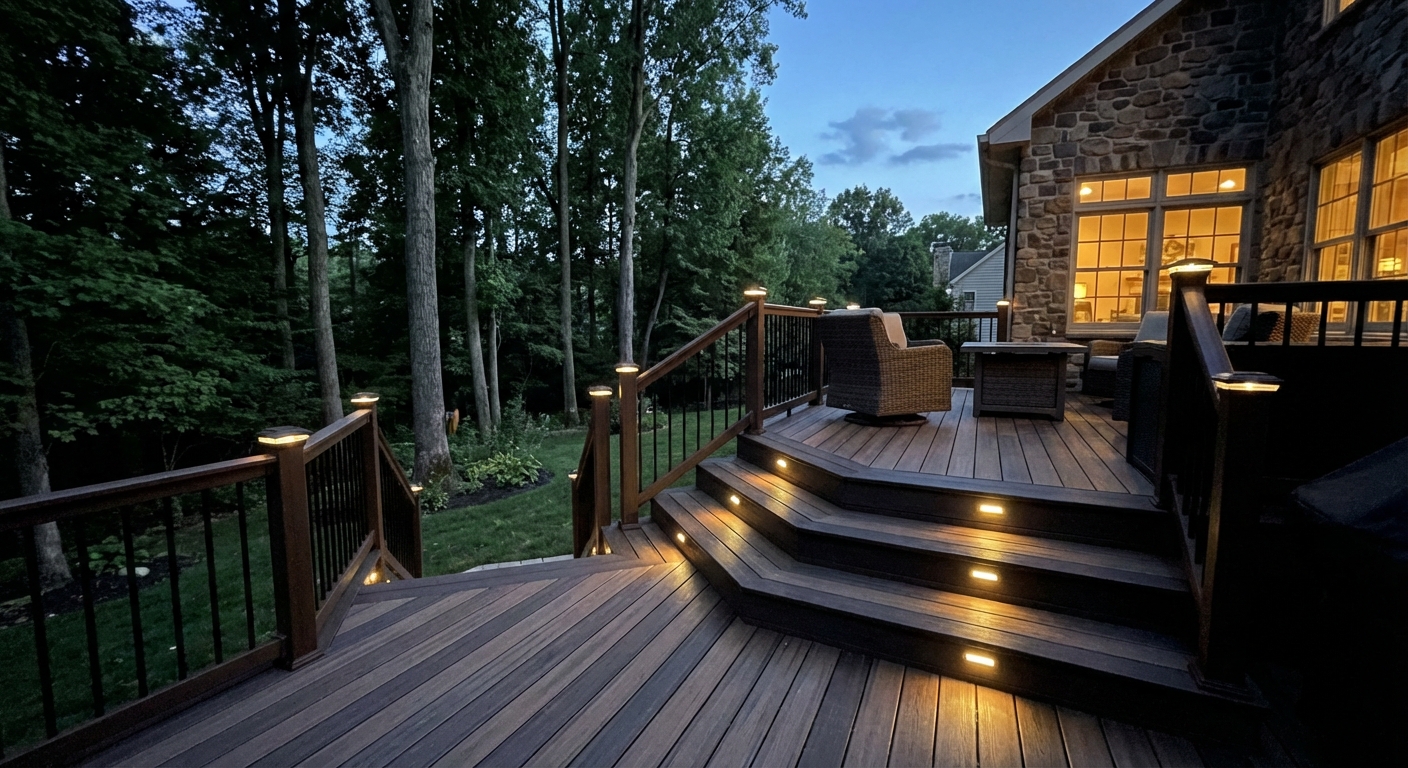
Tired of being cooped up inside and ready to transform your Pennsylvania backyard? Planning a deck that not only looks amazing but also withstands the Keystone State's unique climate and complies with local regulations can feel overwhelming. This guide provides deck design ideas tailored for Pennsylvania homes, covering everything from material choices to permit requirements, ensuring your outdoor space is both beautiful and functional for years to come.
Pennsylvania Deck Design Considerations: Climate, Costs, and Codes
Pennsylvania's climate presents unique challenges and opportunities for deck design. Hot, humid summers (especially in the Philadelphia area where temperatures can reach 85-95°F) and cold winters with significant snowfall (particularly in western PA) demand durable materials and thoughtful design. Expect around 38-50 inches of rain per year across the state.
🏗️ Planning a deck project?
Get a free manual project review, or visualize your dream deck with AI before requesting quotes.
Understanding Pennsylvania's Construction Costs
Construction costs in Pennsylvania are moderate compared to neighboring states like New Jersey and New York, but can vary significantly depending on your location. Expect higher costs in the Philadelphia metro area compared to more rural parts of the state. Here's a general cost breakdown per square foot, installed:
| Material | Cost per SqFt (Installed) |
|-----------------|---------------------------|
| Pressure-Treated | $25-$45 |
| Composite | $45-$75 |
| Cedar | $35-$55 |
| Trex | $50-$80 |
Navigating Pennsylvania's Building Codes and Permits
Pennsylvania follows the Uniform Construction Code (UCC), enforced by local municipalities through building code officials. Decks over 30 inches above grade or exceeding 200 square feet typically require permits. Permit costs generally range from $100-$500, but can be higher in areas like Philadelphia and its surrounding suburbs. Remember the frost line in Pennsylvania is 36 inches in most areas, but 42 inches in some northern counties – footings must extend below this depth.
<!-- slot:after-intro -->
Location-Specific Considerations
- Philadelphia: Expect a stricter permit process and longer wait times dealing with L&I (Licenses & Inspections). Row house constraints may also limit design options.
- Pittsburgh: Hillside lots are common, often requiring retaining walls, multi-level decks, and structural engineering.
- Lehigh Valley (Allentown, Bethlehem, Easton): A growing suburban area with moderate costs and good contractor availability.
- Lancaster County: Historic properties may require approval from the historic review board.
- Poconos: Vacation homes drive demand for elevated decks, hot tub platforms, and decks designed to maximize scenic views.
Timing Your Project
The best months to build a deck in Pennsylvania are typically April-June and September-October, avoiding the intense summer heat and the winter frost.
Deck Design Ideas for Pennsylvania
Now, let's explore some inspiring deck design ideas tailored for Pennsylvania homes, considering the factors above:
1. Classic Pressure-Treated Decks
Pressure-treated lumber remains a popular, budget-friendly option. Ideal for larger decks where cost is a primary concern. Properly sealed and stained, a pressure-treated deck can last for many years. Consider adding interesting railing designs or built-in benches to elevate the look.
- Pros: Affordable, readily available.
- Cons: Requires regular maintenance (sealing/staining), prone to splintering.
- Best for: Homeowners on a budget, large decks.
2. Low-Maintenance Composite Decks
Composite decking, like Trex, offers excellent durability and requires minimal upkeep. Perfect for busy homeowners who want to spend more time enjoying their deck and less time maintaining it. Use PaperPlan (paperplan.app) to visualize your deck with PaperPlan design with different materials and layouts before committing to a contractor.
- Pros: Low-maintenance, resists fading and staining, long lifespan.
- Cons: Higher upfront cost than pressure-treated lumber.
- Best for: Homeowners seeking a low-maintenance option, those willing to invest in longevity.
3. Natural Cedar Decks
Cedar decking offers a beautiful, natural look with inherent resistance to rot and insects. It’s a good middle-ground option, balancing cost and aesthetics.
- Pros: Attractive natural appearance, naturally resistant to decay and insects.
- Cons: Requires regular sealing to maintain its color, can be more expensive than pressure-treated lumber.
- Best for: Homeowners who appreciate natural wood but want better durability than pressure-treated.
4. Multi-Level Decks for Sloping Yards
If you have a sloped yard (common in Pittsburgh and other hilly areas), a multi-level deck can create distinct outdoor living zones. Consider incorporating stairs, landings, and built-in planters to enhance the design. Retaining walls might be necessary for proper support.
- Pros: Maximizes usable space on sloped properties, creates distinct zones for dining, lounging, etc.
- Cons: More complex to design and build, potentially higher cost.
- Best for: Properties with uneven terrain.
5. Elevated Decks with Under-Deck Drainage
For homes in flood-prone areas or those wanting to create a dry space beneath the deck, consider an elevated deck with an under-deck drainage system. This system channels water away from the deck, creating a usable dry area below. Popular in the Poconos for vacation homes.
- Pros: Creates a dry, usable space beneath the deck, protects the deck structure from moisture damage.
- Cons: Adds to the overall cost of the project.
- Best for: Homes in flood-prone areas or those wanting to maximize outdoor living space.
6. Deck and Patio Combinations
Combine a deck with a ground-level patio to create a dynamic outdoor living space. The deck can serve as a transition from the house to the yard, while the patio provides a space for grilling, dining, or relaxing by a fire pit.
- Pros: Offers a variety of outdoor living options, visually appealing.
- Cons: Requires careful planning to ensure a cohesive design.
- Best for: Homeowners who want a versatile outdoor space.
7. Screened-In Porch and Deck Combos
Extend your outdoor season with a screened-in porch combined with an open deck. This allows you to enjoy the outdoors without the annoyance of insects. A great option for areas with high mosquito populations. See our post about Screened Porch and Deck Combos in Pennsylvania: Extended Season Living.
- Pros: Extends the outdoor season, protects from insects, provides shade.
- Cons: Higher cost than an open deck, requires more maintenance.
- Best for: Homeowners who want to enjoy the outdoors year-round.
8. Pool Decks
Create a safe and stylish pool surround with a well-designed pool deck. Consider materials that are slip-resistant and comfortable to walk on barefoot. See our guide on Pool Deck Ideas for Pennsylvania Backyards: Materials & Designs for more inspiration.
- Pros: Enhances the safety and aesthetics of your pool area.
- Cons: Requires careful material selection to ensure slip resistance and durability.
- Best for: Homeowners with swimming pools.
9. Decks with Built-In Features
Add built-in benches, planters, and storage to maximize the functionality of your deck. Built-in seating saves space and provides comfortable seating for guests.
- Pros: Maximizes space and functionality.
- Cons: Requires more planning and construction expertise.
- Best for: Smaller decks or those wanting to optimize space.
10. Decks for Historic Homes
If you own a historic home, carefully consider the design of your deck to ensure it complements the existing architecture. In Lancaster County, you may need to consult with the historic review board. Use materials and styles that are appropriate for the age and character of your home.
- Pros: Preserves the historic integrity of your home.
- Cons: May require more research and careful planning.
- Best for: Owners of historic properties.
11. Incorporating Lighting
Strategically placed lighting enhances the ambiance of your deck and improves safety. Consider incorporating recessed lighting, string lights, and pathway lighting.
- Pros: Improves safety and creates a welcoming atmosphere.
- Cons: Requires electrical work.
- Best for: Homeowners who want to use their deck at night.
12. Privacy Screens and Walls
Add privacy to your deck with screens, walls, or strategically placed landscaping. This is especially important in densely populated areas like Philadelphia and its suburbs.
- Pros: Provides privacy and blocks wind.
- Cons: Can obstruct views.
- Best for: Homeowners who value privacy.
13. Hot Tub Decks
Create a dedicated space for your hot tub with a reinforced deck. Ensure the deck can support the weight of the filled hot tub and consider adding steps or a platform for easy access. Popular in the Poconos.
- Pros: Provides a dedicated space for your hot tub.
- Cons: Requires careful planning to ensure structural integrity.
- Best for: Homeowners with hot tubs.
14. Pergolas and Shade Structures
Add a pergola or other shade structure to provide relief from the sun. This can make your deck more comfortable during the hot summer months.
- Pros: Provides shade and adds visual interest.
* Cons: Can block sunlight and require maintenance.
* Best for: Decks that receive a lot of sun.
15. Accessibility Considerations
If you or a family member has mobility issues, consider incorporating ramps, wider walkways, and other accessibility features into your deck design.
- Pros: Makes your deck accessible to everyone.
- Cons: May require more space and planning.
- Best for: Homes with residents who have mobility issues.
<!-- slot:mid-content -->
Deck Maintenance Tips for Pennsylvania
No matter what material you choose, regular maintenance is essential to keep your deck looking its best. Consider these tips:
- Pressure-Treated Lumber: Clean and reseal every 1-2 years.
- Composite Decking: Clean with soap and water as needed.
- Cedar Decking: Clean and reseal every 2-3 years.
- Termite Treatment: Moderate to high termite pressure exists in southeastern PA; consider preventative treatment.
For more detailed information, check out our guide on Pennsylvania Deck Maintenance by Season: Year-Round Care Guide and our article on Protecting Your Pennsylvania Deck from Snow and Ice Damage.
Finding a Reputable Deck Builder in Pennsylvania
Finding the right contractor is crucial for a successful deck project. Get multiple quotes, check references, and ensure the contractor is licensed and insured. We have guides for several areas:
- Best Deck Builders in Scranton, PA: Northeast PA Guide
- Best Deck Builders in Erie, PA: Lake Erie Area Specialists
- Best Deck Builders in Reading, PA: Berks County Guide
Remember that many suburban developments have HOA covenants requiring approval, even though PA has no statewide HOA regulations.
<!-- slot:before-faq -->
<!-- slot:end -->
🎨 Not sure which material to pick?
Upload a photo of your backyard and see exactly how Trex, TimberTech, or cedar would look — free and instant.
Frequently Asked Questions
What size deck requires a permit in Pennsylvania?
Generally, decks over 30 inches above grade or exceeding 200 square feet require a permit in Pennsylvania. However, it's crucial to check with your local municipality for specific requirements as they can vary.
How much does it cost to build a deck in Pennsylvania?
The cost varies based on material and size. Expect to pay between $25-$80 per square foot, installed. Pressure-treated lumber is the most affordable option, while composite decking like Trex is more expensive.
How do I protect my deck from Pennsylvania winters?
Clean your deck thoroughly in the fall, remove leaves and debris, and apply a sealant to protect the wood from moisture. Shovel snow regularly to prevent ice buildup. See our guide on Protecting Your Pennsylvania Deck from Snow and Ice Damage for more details.
What is the frost line in Pennsylvania and why does it matter?
The frost line in Pennsylvania is typically 36 inches, but can be 42 inches in northern counties. This is the depth to which the ground freezes in winter. Deck footings must extend below the frost line to prevent the deck from shifting or heaving due to freezing and thawing.
Do I need to treat my deck for termites in Pennsylvania?
Termite pressure is moderate to high in southeastern Pennsylvania, so preventative treatment is recommended, especially for wood decks. Consult with a pest control professional for advice on the best treatment options.
📋 Planning a deck project?
Get a free manual project review from our team — no obligation, no spam.
Get Free Project Review →Upload a backyard photo and preview real decking materials with AI — free, instant, no sign-up.
Permits, costs, material comparisons, and questions to ask before requesting quotes — delivered to your inbox.