
Protecting Your Pennsylvania Deck from Snow…
Learn how to protect your Pennsylvania deck from snow and ice damage. Expert tips on cleaning, maintenance, materials, and prevention in PA.
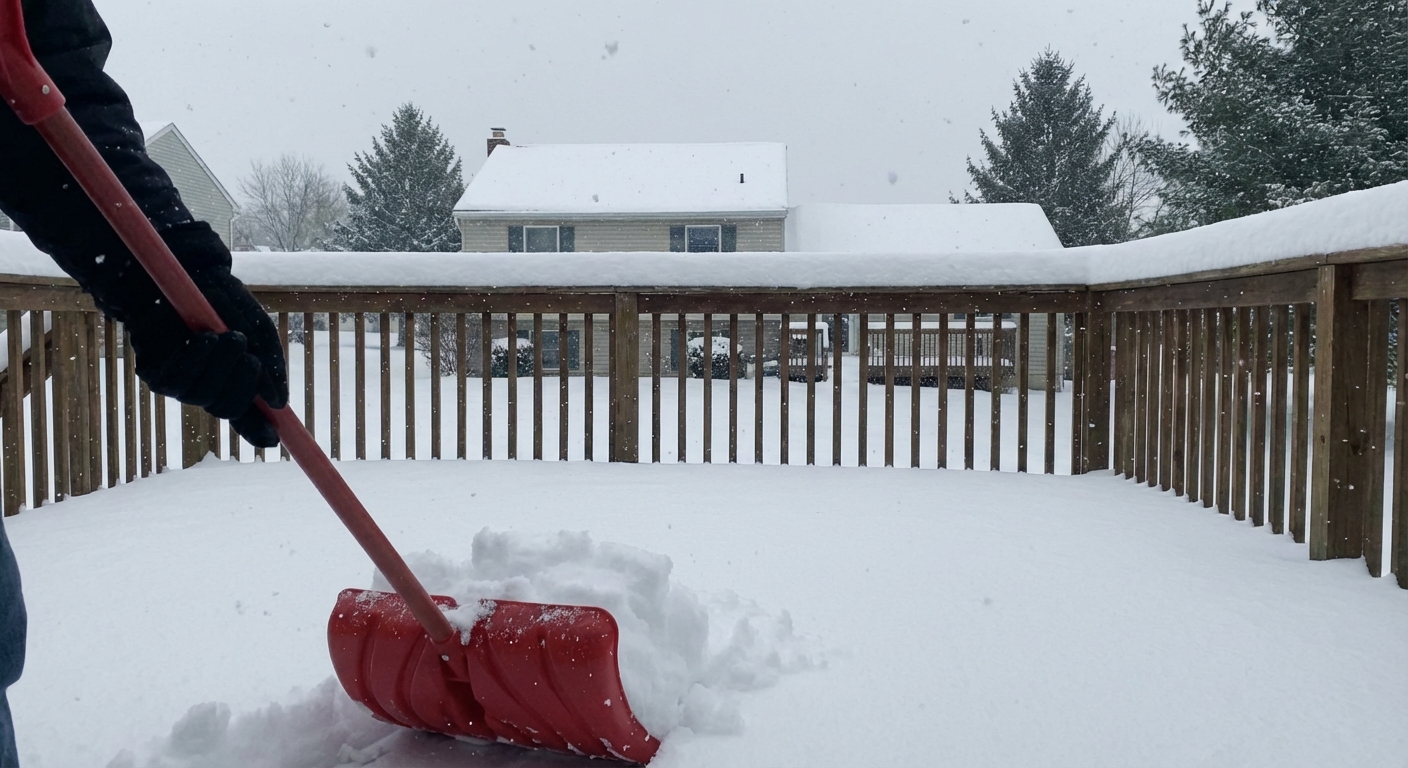
Do you worry about the impact of Pennsylvania's harsh winters on your deck? Snow and ice can cause serious damage, from warped boards to structural issues. This guide provides actionable steps to protect your deck and extend its lifespan. We'll cover everything from preventative maintenance to material selection, considering the specific challenges of Pennsylvania's climate and building codes.
📅 Tool Alert: Maintenance Planner
Get a custom seasonal maintenance schedule to protect your investment for decades.
Plan Maintenance →Understanding Pennsylvania's Winter Deck Damage Risks
Pennsylvania decks face unique challenges. With average annual rainfall between 38-50 inches and cold winters featuring significant snowfall, moisture is a constant threat. Freeze-thaw cycles are particularly damaging. Water seeps into cracks in the wood, freezes, expands, and weakens the structure over time. Western PA tends to get more snow than the eastern part of the state.
🏗️ Planning a deck project?
Get a free manual project review, or visualize your dream deck with AI before requesting quotes.
Here's a breakdown of common winter-related deck problems:
- Wood Rot: Prolonged moisture exposure leads to fungal growth and decay, especially in areas with poor ventilation.
- Warping and Cracking: Freeze-thaw cycles cause wood to expand and contract, leading to warping, splitting, and cracking.
- Loose Fasteners: Repeated expansion and contraction can loosen screws and nails, compromising the deck's structural integrity.
- Surface Damage: Ice melt products and shoveling can scratch or damage the deck surface.
- Collapse: Excessive snow accumulation, especially on older or poorly constructed decks, can lead to catastrophic failure.
<!-- slot:after-intro -->
Preparing Your Deck for Winter: A Step-by-Step Guide
Preventative maintenance is key to minimizing winter damage. Here's a comprehensive checklist:
1. Thorough Cleaning
- Remove all debris: Clear leaves, twigs, and other organic matter from the deck surface and between deck boards. Decaying debris traps moisture and promotes mold growth. Pay special attention to corners and areas under railings.
- Wash the deck: Use a deck cleaner specifically designed for your deck material (wood or composite). Follow the manufacturer's instructions carefully. A pressure washer can be effective, but use a low-pressure setting to avoid damaging the wood.
- Inspect for damage: Look for signs of rot, cracks, loose fasteners, or other issues. Address any problems promptly before winter sets in.
2. Addressing Problem Areas
- Replace damaged boards: Rotten or severely cracked boards should be replaced immediately. Use pressure-treated lumber for wood decks. Average costs to install a new deck in PA are: pressure-treated $25-45/sqft, composite $45-75/sqft, cedar $35-55/sqft, Trex $50-80/sqft installed. The Philadelphia metro area and its suburbs tend to be on the higher end of that range.
- Tighten loose fasteners: Replace any missing or stripped screws and nails. Consider using deck screws instead of nails for greater holding power.
- Repair cracks: Fill small cracks with a wood filler specifically designed for exterior use. Larger cracks may require professional repair.
- Re-stain or seal: Apply a fresh coat of stain or sealant to protect the wood from moisture. Choose a product that is specifically formulated for exterior use and that provides UV protection. Deck staining timing is important in PA. See "Deck Staining Tips for Pennsylvania Weather: Timing & Products" for more info.
3. Protecting Against Ice and Snow
- Apply a water repellent: A high-quality water repellent can help prevent water from penetrating the wood, reducing the risk of freeze-thaw damage. Reapply annually.
- Consider a de-icing agent (with caution): If you must use a de-icing agent, choose one that is specifically designed for use on decks. Avoid using rock salt, as it can damage wood and concrete. Calcium chloride is a safer alternative, but use it sparingly.
- Proper snow removal: Use a plastic shovel to remove snow from the deck. Avoid using metal shovels, as they can scratch the surface. Shovel in the direction of the wood grain to minimize damage. Don't let snow accumulate to excessive depths.
Material Selection: Choosing Winter-Resistant Decking
The type of decking material you choose significantly impacts its ability to withstand winter weather.
| Material | Pros | Cons | Estimated Cost (Installed) |
| ----------------- | ---------------------------------------------------------------------------------------------------------------------------------------------------------------- | ------------------------------------------------------------------------------------------------------------------------------------------------- | -------------------------- |
| Pressure-Treated Wood | Affordable, readily available, can be stained or painted. | Prone to warping, cracking, and rot if not properly maintained, requires regular sealing. | $25-45/sqft |
| Composite | Low-maintenance, resistant to rot and insects, available in a variety of colors and styles. | More expensive than pressure-treated wood, can get hot in direct sunlight, may fade over time. | $45-75/sqft |
| Cedar | Naturally resistant to rot and insects, beautiful appearance, dimensional stability. | More expensive than pressure-treated wood, requires regular sealing to maintain its appearance. | $35-55/sqft |
| Trex | Extremely durable, low-maintenance, made from recycled materials, resists fading, staining and scratches. | One of the most expensive decking materials, limited color options compared to some other composites. | $50-80/sqft |
Consider your budget, maintenance preferences, and aesthetic goals when selecting your decking material. If you live in an area of Pennsylvania with heavy snowfall, composite or cedar may be a better choice than pressure-treated wood.
Design Considerations for Winter Weather
Proper deck design can also help minimize winter damage.
- Spacing between deck boards: Ensure adequate spacing (typically 1/8 to 1/4 inch) between deck boards to allow for proper drainage and ventilation. This helps prevent water from pooling on the surface and reduces the risk of rot.
- Proper drainage: Ensure that the deck is sloped slightly away from the house to allow water to drain properly. Install gutters and downspouts to divert water away from the deck foundation.
- Adequate ventilation: Ensure that there is adequate ventilation under the deck to prevent moisture buildup. Clear away any vegetation or debris that may be blocking airflow.
- Consider snow load: When designing a new deck, be sure to consider the snow load requirements for your area. The Pennsylvania Uniform Construction Code (UCC) mandates specific structural requirements based on location. Consult with a qualified structural engineer to ensure that your deck can withstand the weight of heavy snow. Hillside lots, common in Pittsburgh, require extra attention to retaining walls and structural engineering to handle potential snow and ice melt runoff.
- Use PaperPlan (paperplan.app) to visualize your deck with PaperPlan design with different materials and layouts before committing to a contractor.
<!-- slot:mid-content -->
Pennsylvania Building Codes and Permits
In Pennsylvania, decks over 30 inches above grade or over 200 square feet typically require permits. The Uniform Construction Code (UCC) is enforced by local municipalities through building code officials.
- Permit Costs: Typical permit costs range from $100-500 depending on the municipality. Philadelphia and its suburbs tend to have higher permit fees and stricter enforcement.
- Philadelphia Specifics: In Philadelphia, the Department of Licenses & Inspections (L&I) handles permits. The process can be lengthy and complex, particularly for decks on row houses.
- Lancaster County Specifics: In Lancaster County, many properties are historic and may require review and approval from a historic review board before any construction can begin.
- HOA Regulations: Pennsylvania has no statewide HOA regulations, but many suburban developments have HOA covenants that require approval before building a deck. Always check with your HOA before starting any work.
Failing to obtain the necessary permits can result in fines and delays. Contact your local building code office to determine the specific requirements for your area. Consider a deck builder in your area to handle the permitting process. For example, see "Best Deck Builders in Reading, PA: Berks County Guide".
Winter Deck Maintenance: Ongoing Care
Even with proper preparation, ongoing maintenance is essential throughout the winter.
- Regular snow removal: Remove snow from the deck as soon as possible after each snowfall. Use a plastic shovel and avoid using metal shovels or sharp objects.
- Monitor for ice buildup: Check for ice buildup, especially in shaded areas or near downspouts. Use a deck-safe de-icing agent sparingly if necessary.
- Inspect periodically: Regularly inspect the deck for signs of damage, such as cracks, loose fasteners, or rot. Address any problems promptly to prevent them from worsening.
- Avoid using sharp objects: Be careful when using shovels or other tools to remove snow or ice. Avoid scraping the deck surface, as this can damage the finish.
Termite Prevention in Southeastern PA
Southeastern Pennsylvania experiences moderate to high termite pressure. While winter might seem like a dormant period, termites can still be active underground, potentially seeking access to your deck's substructure.
- Pre-treatment: If building a new deck, consider pre-treating the soil and wood with a termiticide.
- Regular Inspections: Schedule annual termite inspections, especially if you've had termite issues in the past.
- Remove Wood Debris: Clear away any wood debris, mulch, or other organic materials near the deck, as these can attract termites.
- Proper Ventilation: Ensure adequate ventilation under the deck to prevent moisture buildup, which can create a favorable environment for termites.
<!-- slot:before-faq -->
Taking these preventative measures can help protect your deck from termite damage and costly repairs. See "Pennsylvania Deck Maintenance by Season: Year-Round Care Guide" for a complete maintenance schedule.
🎨 Not sure which material to pick?
Upload a photo of your backyard and see exactly how Trex, TimberTech, or cedar would look — free and instant.
Frequently Asked Questions
### Q: How much snow is too much for my deck?
The amount of snow a deck can handle depends on its design and construction. However, a general rule of thumb is to remove snow when it reaches a depth of 6-12 inches. Wet, heavy snow is more dangerous than light, fluffy snow. If you're unsure about your deck's snow load capacity, consult with a qualified structural engineer.
### Q: Can I use rock salt on my deck to melt ice?
No, rock salt is not recommended for use on decks. It can damage wood and concrete and can also be harmful to pets and plants. Consider using calcium chloride or another deck-safe de-icing agent sparingly.
### Q: How often should I re-seal my wood deck?
The frequency of re-sealing depends on the type of sealant used and the amount of exposure to the elements. As a general rule, you should re-seal your wood deck every 1-3 years. Look for signs of wear, such as fading, cracking, or water penetration.
### Q: What are the best months to build a deck in Pennsylvania?
The best months to build a deck in Pennsylvania are typically April-June and September-October. These months offer mild temperatures and less chance of rain or snow. Avoid building in the summer, when temperatures can be excessively hot and humid. Also, avoid building in the winter, when the ground may be frozen and difficult to work with.
### Q: My deck is already damaged from winter. What should I do?
Assess the damage and determine the extent of the repairs needed. Small cracks and minor rot can often be repaired yourself. However, if the damage is extensive or affects the structural integrity of the deck, it's best to hire a qualified contractor. Neglecting repairs can lead to further damage and potentially dangerous conditions.
<!-- slot:end -->
📋 Planning a deck project?
Get a free manual project review from our team — no obligation, no spam.
Get Free Project Review →Upload a backyard photo and preview real decking materials with AI — free, instant, no sign-up.
Permits, costs, material comparisons, and questions to ask before requesting quotes — delivered to your inbox.