
How to Build a Deck in Pennsylvania (2026)
Your complete guide to building a deck in PA. Learn about permits, costs, materials, local rules, and DIY tips for your Pennsylvania deck project.
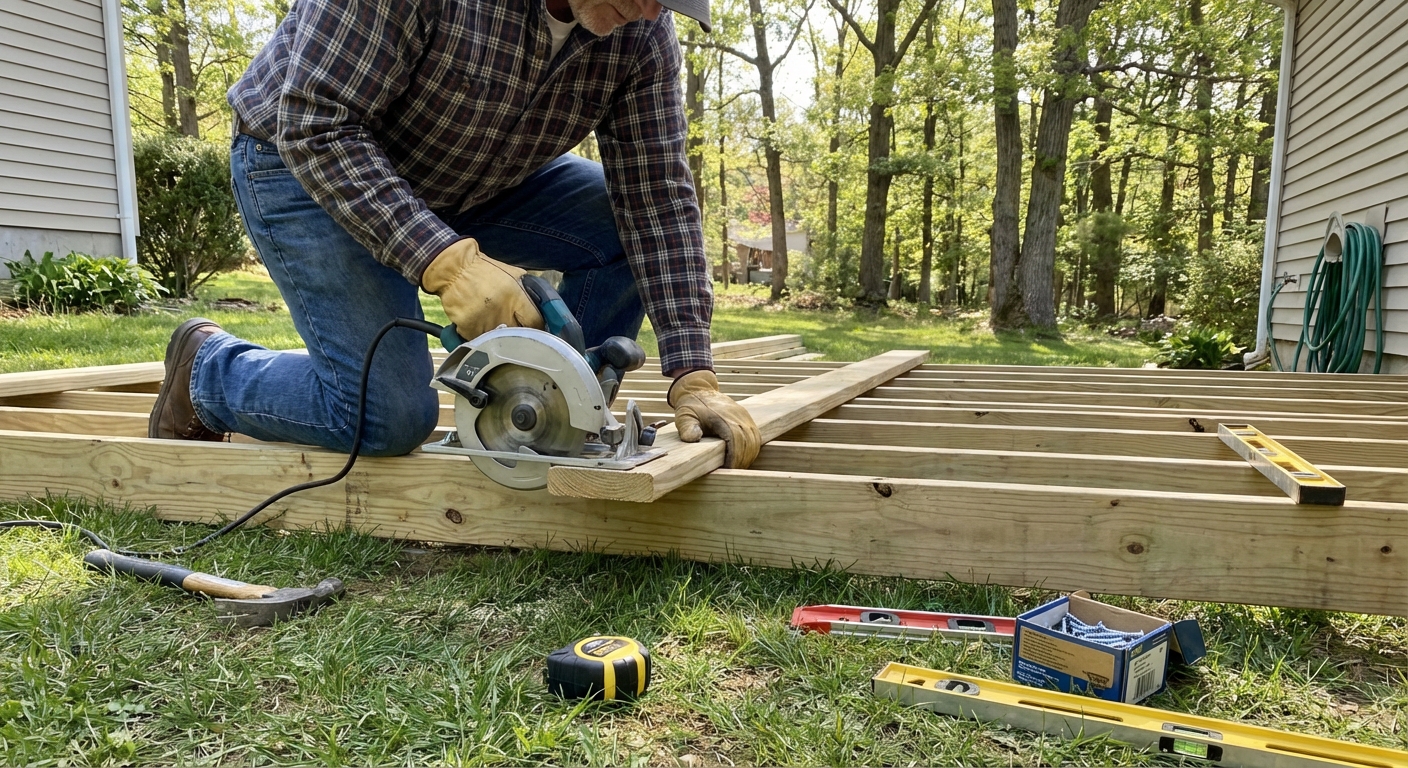
Considering building a deck in Pennsylvania? You're likely wondering about costs, permits, and the best way to approach the project given PA's climate and local regulations. This guide provides a comprehensive overview to help you plan and execute your deck build successfully.
📐 Tool Alert: Deck Stair Calculator
Calculate rise, run, and stringer cuts while ensuring IRC/OBC code compliance.
Calculate Stairs →Planning Your Pennsylvania Deck Project
Before you even swing a hammer, careful planning is crucial. This includes design, material selection, budgeting, and understanding Pennsylvania-specific regulations.
🏗️ Planning a deck project?
Get a free manual project review, or visualize your dream deck with AI before requesting quotes.
Deck Design Considerations
Think about how you intend to use your deck. Do you envision it as a grilling and dining space, a relaxation zone with comfortable seating, or an entertainment area with a hot tub? Your answers will influence the size, shape, and features of your deck.
- Size: A small deck (10x10ft) might be sufficient for a bistro set, while larger decks (16x20ft or more) can accommodate dining tables, lounge furniture, and even outdoor kitchens. Remember that decks over 200 sqft often trigger permit requirements in PA.
- Shape: Rectangular decks are the most common and easiest to build, but L-shaped or multi-level decks can add visual interest and functionality, especially on sloped lots common in areas like Pittsburgh.
- Features: Consider built-in benches, planters, stairs, railings, lighting, and under-deck drainage systems.
- Privacy: If privacy is a concern, think about adding privacy screens, lattice panels, or landscaping.
Use PaperPlan (paperplan.app) to visualize your deck with PaperPlan design with different materials and layouts before committing to a contractor. Experiment with different configurations to find the perfect fit for your needs and backyard space.
Material Selection: Balancing Cost and Durability
Choosing the right decking material is a key decision. Here's a breakdown of common options and their associated costs in Pennsylvania:
| Material | Cost per SqFt (Installed) | Pros | Cons |
| ----------------- | ------------------------- | -------------------------------------------------------------------------------------------------------------------------------------------------------------------------------------------------------------------------------------------------------------------------------------------------------------------------------------------------------------------------------------------------------------------------------------------------------------------------------------------------------------------------------------------------- | ---------------------------------------------------------------------------------------------------------------------------------------------------------------------------------------------------------------------------------------------------------------------------------------------------------------------------------------------- |
| Pressure-Treated | $25 - $45 | Most affordable option, readily available, insect and rot-resistant. | Requires regular staining or sealing, prone to warping and cracking over time, can contain chemicals. |
| Cedar | $35 - $55 | Naturally beautiful, insect and rot-resistant, less prone to warping than pressure-treated lumber. | More expensive than pressure-treated lumber, requires regular staining or sealing to maintain its appearance, can be softer than other wood options. |
| Composite | $45 - $75 | Low-maintenance, durable, resistant to fading, staining, and scratching, available in a wide range of colors and styles. | More expensive than wood, can get hot in direct sunlight, some composite decking can look less natural than wood. |
| Trex (Composite) | $50 - $80 | A popular brand of composite decking, known for its durability, low-maintenance, and wide range of colors and styles. Offers excellent warranties. | One of the most expensive decking options, can still get hot in direct sunlight, initial investment is significant. |
Consider Pennsylvania's climate when choosing your material. Hot, humid summers and cold, snowy winters can take a toll on decks. Composite decking holds up well, but wood options require more maintenance. Termite pressure is moderate to high in southeastern PA, so consider termite treatment for wood decks.
<!-- slot:after-intro -->
Budgeting for Your Deck
Deck costs in Pennsylvania vary depending on the size, materials, and complexity of the design. As a general guideline, expect to pay:
- Pressure-treated: $25 - $45 per square foot installed.
- Cedar: $35 - $55 per square foot installed.
- Composite: $45 - $75 per square foot installed.
- Trex: $50 - $80 per square foot installed.
Don't forget to factor in permit costs ($100 - $500 is typical), tools, and potential unexpected expenses. Construction costs are generally moderate in PA compared to neighboring states like New Jersey and New York, but can be higher in the Philadelphia metro area.
Understanding Pennsylvania Building Codes and Permits
Pennsylvania uses the Uniform Construction Code (UCC), which is enforced by local municipalities. This means that building codes and permit requirements can vary slightly from township to township.
Key considerations:
- Permits: Decks over 30 inches above grade or over 200 square feet typically require a building permit. Always check with your local building code official to confirm specific requirements.
- Frost Line: The frost line in most of Pennsylvania is 36 inches. In northern counties, it may be 42 inches. Your deck footings must extend below the frost line to prevent movement due to freezing and thawing.
- Inspections: Your deck will likely require inspections at various stages of construction, such as after digging the footings and after framing is complete.
Regional Differences:
- Philadelphia: The Department of Licenses & Inspections (L&I) handles permits. Expect a stricter process and potentially longer wait times. Row house construction can present unique challenges.
- Pittsburgh: Hillside lots are common, often requiring retaining walls, multi-level decks, and potentially structural engineering.
- Lancaster County: Historic properties may require review and approval from a historic review board.
HOA Considerations
Pennsylvania has no statewide Homeowners Association (HOA) regulations, but many suburban developments have HOA covenants. Review your HOA documents to determine if you need approval before building your deck. This often involves submitting plans and material samples.
Building Your Deck: A Step-by-Step Guide
Once you have your plans, permits, and materials, you're ready to start building. Here's a general overview of the process:
1. Layout and Excavation
- Mark the perimeter of your deck according to your plans.
- Dig holes for the footings, ensuring they extend below the frost line (36-42 inches). The diameter of the holes will depend on the size of your deck and local building codes.
2. Pouring the Footings
- Pour concrete into the footing holes. Use concrete forms or cardboard tubes to create a level surface for the posts.
- Embed post anchors into the wet concrete, ensuring they are properly aligned.
3. Installing Posts and Beams
- Attach posts to the post anchors. Use pressure-treated lumber for posts.
- Cut and install the beams, which will support the joists. Beams should be properly sized according to the span and load requirements.
4. Installing Joists
- Attach joists to the beams, typically spaced 16 inches on center. Use joist hangers for secure connections.
- Install blocking between the joists for added stability.
5. Installing Decking
- Lay the decking boards, leaving a small gap between each board for expansion and contraction.
- Fasten the decking boards to the joists using screws or hidden fasteners.
6. Building Railings and Stairs
- Install posts for the railings, ensuring they are securely attached to the deck framing.
- Attach railing sections to the posts.
- Build stairs according to code requirements, including proper rise and run dimensions.
7. Finishing Touches
- Install trim boards to conceal the edges of the deck framing.
- Apply a stain or sealant to wood decking to protect it from the elements.
- Install lighting and other accessories.
<!-- slot:mid-content -->
Best Time to Build in Pennsylvania
The best months to build a deck in Pennsylvania are April-June and September-October. These months offer milder temperatures and less chance of extreme weather. Avoid building during the hottest months of summer (July-August) and the coldest months of winter (December-February).
Important Considerations for DIY Deck Building
- Safety: Always wear appropriate safety gear, including eye protection, gloves, and a dust mask.
- Accuracy: Double-check all measurements and cuts to ensure accuracy.
- Code Compliance: Ensure that your deck complies with all local building codes.
- Professional Help: Don't hesitate to seek professional help if you encounter difficulties or are unsure about any aspect of the project.
Building a deck is a significant undertaking. If you're not comfortable with any aspect of the process, consider hiring a qualified deck builder. A professional can ensure that your deck is built safely, correctly, and to code.
Consider exploring these related articles for more information:
- Deck Design Ideas for Pennsylvania Homes: Inspiration for 2026
- Screened Porch and Deck Combos in Pennsylvania: Extended Season Living
- Deck Staining Tips for Pennsylvania Weather: Timing & Products
<!-- slot:before-faq -->
When to Hire a Professional Deck Builder
While DIY deck building can save money, certain situations warrant hiring a professional:
- Complex Designs: Multi-level decks, decks with intricate railings, or decks requiring structural engineering are best left to professionals.
- Permit Issues: Navigating the permit process can be challenging. A professional deck builder can handle the paperwork and ensure compliance.
- Time Constraints: Building a deck takes time and effort. If you have limited time, hiring a professional can save you valuable weekends.
- Safety Concerns: Working at heights or with power tools can be dangerous. A professional has the experience and equipment to ensure a safe work environment.
<!-- slot:end -->
🎨 Not sure which material to pick?
Upload a photo of your backyard and see exactly how Trex, TimberTech, or cedar would look — free and instant.
Frequently Asked Questions
Do I need a permit to build a deck in Pennsylvania?
Generally, yes, if your deck is more than 30 inches above grade or exceeds 200 square feet. However, always check with your local municipality for specific requirements, as they can vary.
How deep should my deck footings be in Pennsylvania?
Footings must extend below the frost line, which is typically 36 inches in most of Pennsylvania, but 42 inches in northern counties.
What is the best material for a deck in Pennsylvania's climate?
Composite decking is a good choice due to its durability and low maintenance. Pressure-treated lumber is more affordable but requires regular maintenance. Cedar offers natural beauty but also needs upkeep.
How much does it cost to build a deck in Pennsylvania?
Expect to pay between $25 and $80 per square foot installed, depending on the material you choose. Pressure-treated is the least expensive, while composite decking like Trex is the most expensive.
What are some common deck design mistakes to avoid?
Failing to obtain proper permits, inadequate footings, improper joist spacing, and using incorrect fasteners are common mistakes. Always consult local building codes and follow manufacturer's instructions.
📋 Planning a deck project?
Get a free manual project review from our team — no obligation, no spam.
Get Free Project Review →Upload a backyard photo and preview real decking materials with AI — free, instant, no sign-up.
Permits, costs, material comparisons, and questions to ask before requesting quotes — delivered to your inbox.