
Screened Porch and Deck Combos in Penns (2026)
Enjoy Pennsylvania's outdoors longer with a screened porch and deck combo. Explore design ideas, costs, permits, and local considerations for your project.
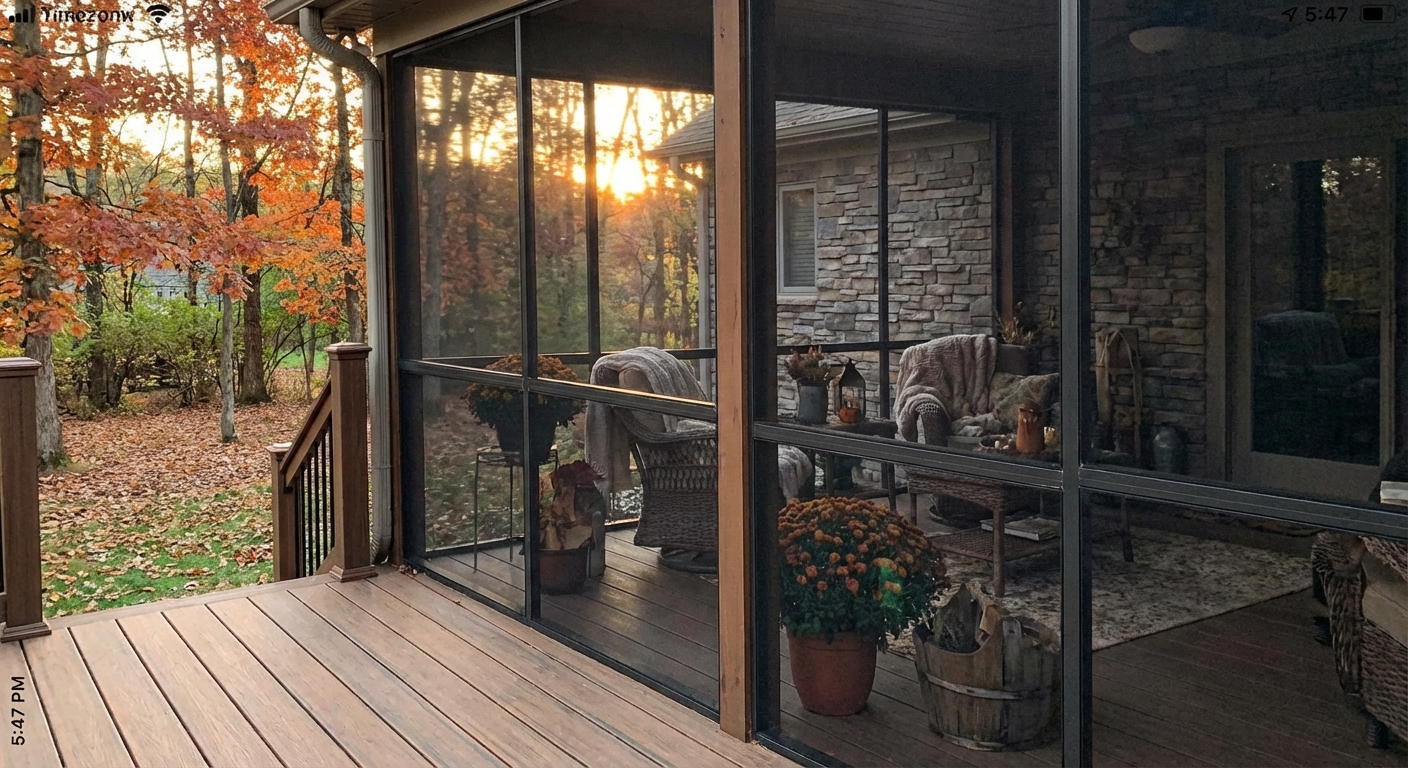
Tired of Pennsylvania's bugs cutting your outdoor time short? Want to enjoy the fresh air without the harsh sun or unpredictable rain? A screened porch and deck combination might be the perfect solution, offering the best of both worlds: open-air relaxation and protected comfort.
Designing Your Perfect PA Screened Porch and Deck Combo
The key to a successful screened porch and deck combo is thoughtful design that considers your lifestyle, budget, and the unique characteristics of your Pennsylvania property. Here's what to keep in mind:
🏗️ Planning a deck project?
Get a free manual project review, or visualize your dream deck with AI before requesting quotes.
- Functionality: How will you use the space? Dining, lounging, entertaining, or a combination? This dictates the size, layout, and features you'll need.
- Location: Consider sun exposure, prevailing winds, views, and proximity to your house. In Pittsburgh's often-hilly terrain, this may influence the need for retaining walls or multi-level deck sections.
- Materials: Choose durable, weather-resistant materials that complement your home's architecture. Popular choices include pressure-treated lumber, cedar, and composite decking. Consider Pennsylvania's climate when selecting materials; hot humid summers and cold winters require durable options.
- Screening: Select a screen material that balances visibility, insect protection, and durability. Options range from fiberglass to aluminum and even pet-resistant screens.
- Roofing: The screened porch roof should integrate seamlessly with your home's existing roofline. Options include asphalt shingles, metal roofing, and even transparent polycarbonate panels for maximum light.
- Permits: Decks over 30 inches above grade or exceeding 200 square feet generally require permits in Pennsylvania. Check with your local township for specific requirements. Philadelphia's L&I (Licenses & Inspections) has a stricter permitting process than more rural areas.
- HOA Restrictions: While Pennsylvania lacks statewide HOA regulations, many suburban developments have covenants requiring HOA approval for exterior modifications. Don't skip this step!
<!-- slot:after-intro -->
Pennsylvania Regional Considerations
- Philadelphia Metro: Expect higher construction costs and stricter permitting processes. Row house configurations may present unique design challenges.
- Pittsburgh: Hillside lots are common, potentially requiring complex structural engineering and retaining walls for your deck.
- Lehigh Valley (Allentown, Bethlehem, Easton): This growing suburban area offers a good balance of contractor availability and moderate costs.
- Lancaster County: If you have a historic property, you might need approval from the historic review board.
- Poconos: Vacation homes often feature elevated decks with hot tub platforms to maximize scenic views.
Popular Screened Porch and Deck Styles in Pennsylvania
- Traditional: Classic designs featuring pressure-treated lumber, simple railings, and gable roofs.
- Modern: Clean lines, composite decking, cable railings, and flat or shed roofs.
- Rustic: Natural materials like cedar, stone accents, and exposed beams for a cozy, woodsy feel.
- Farmhouse: Combining rustic elements with modern touches, such as shiplap walls, barn lighting, and comfortable seating.
Use PaperPlan (paperplan.app) to visualize your deck with PaperPlan design with different materials and layouts before committing to a contractor. Experiment with different roof styles, screening options, and furniture arrangements to create the perfect space for your needs.
Understanding the Costs
Building a screened porch and deck combo in Pennsylvania involves several cost factors:
- Materials: Decking, framing, roofing, screening, fasteners, and hardware.
- Labor: Hiring a contractor for design, permitting, construction, and finishing.
- Permits: Application fees and potential inspection costs. Typical permit costs in PA range from $100 to $500, but can be higher in cities like Philadelphia.
- Site Preparation: Grading, excavation, and foundation work. Pittsburgh homeowners should budget extra for potential retaining walls.
- Finishing: Staining, painting, sealing, and adding electrical or plumbing.
Here's a cost estimate table for different decking materials, installed:
| Material | Average Cost per SqFt (Installed) | Pros | Cons |
| ----------------- | ----------------------------------- | -------------------------------------------------------------------------------------------------------------------------------------------- | -------------------------------------------------------------------------------------------------------------------------------------------------------------- |
| Pressure-Treated | $25 - $45 | Most affordable, readily available, naturally resists rot and insects (when properly treated). | Requires regular staining or sealing, prone to warping and cracking, can splinter. |
| Cedar | $35 - $55 | Naturally beautiful, resists rot and insects, weathers to a silver-gray patina. | More expensive than pressure-treated lumber, requires regular maintenance to preserve color, softer wood can be prone to scratches and dents. |
| Composite | $45 - $75 | Low maintenance, resists fading, staining, and scratching, available in a wide range of colors and styles. | More expensive than wood, can get hot in direct sunlight, some cheaper composites can look and feel artificial. |
| Trex (Composite) | $50 - $80 | Premium composite decking, excellent durability, fade resistance, and stain resistance, backed by a strong warranty. | Among the most expensive decking options, can still get hot in direct sunlight. |
Remember that these are average costs. Actual prices will vary depending on the complexity of your project, the quality of materials you choose, and the contractor you hire. Construction costs in Pennsylvania are moderate, generally lower than in neighboring states like New Jersey and New York, but vary significantly depending on the region.
Maximizing Your Budget
- Get multiple quotes: Compare bids from at least three different contractors.
- Choose cost-effective materials: Pressure-treated lumber is a budget-friendly option for the deck frame.
- DIY what you can: Handle tasks like demolition, painting, and landscaping yourself. However, leave structural work to the professionals.
- Plan your project carefully: Avoid changes during construction, as they can lead to costly delays.
<!-- slot:mid-content -->
Navigating Pennsylvania's Building Codes and Permits
Pennsylvania follows the Uniform Construction Code (UCC), which is enforced by local municipalities. Here’s what you need to know:
- Permit Requirements: Decks exceeding 30 inches in height or 200 square feet typically require a permit. Screened porches almost always require permits.
- Frost Line: Foundations must extend below the frost line, which is generally 36 inches in most of Pennsylvania (42 inches in northern counties).
- Inspections: Your project will likely require inspections at various stages, including foundation, framing, and final completion.
- Electrical: Any electrical work, such as adding outlets or lighting, must be performed by a licensed electrician and comply with local codes.
- Setbacks: Ensure your deck and screened porch meet setback requirements from property lines and other structures.
Dealing with Termites and Weather
- Termite Pressure: Southeastern Pennsylvania has moderate to high termite pressure. Consider termite treatment for the soil and wood framing, especially if using pressure-treated lumber.
- Weather Protection: Pennsylvania experiences harsh winters and hot, humid summers. Choose materials that can withstand these conditions. Properly seal and stain your deck to protect it from moisture damage. Protect Your Pennsylvania Deck from Snow and Ice Damage.
- Best Time to Build: The best months for building a screened porch and deck in Pennsylvania are April-June and September-October, avoiding the extreme summer heat and winter frost.
Choosing the Right Contractor
Selecting a qualified and experienced contractor is crucial for a successful project. Here’s what to look for:
- License and Insurance: Verify that the contractor is licensed and insured in Pennsylvania.
- Experience: Choose a contractor with a proven track record of building decks and screened porches in your area.
- References: Ask for references from previous clients and check online reviews.
- Detailed Proposal: Ensure the proposal includes a detailed scope of work, materials list, payment schedule, and warranty information.
- Communication: Choose a contractor who communicates clearly and responds promptly to your questions.
<!-- slot:before-faq -->
Ready to transform your Pennsylvania backyard into an extended living space? By carefully considering your design, budget, and local regulations, you can create a screened porch and deck combo that you'll enjoy for years to come. Don't forget regular Pennsylvania Deck Maintenance by Season: Year-Round Care Guide to keep it looking its best! Consider consulting Deck Staining Tips for Pennsylvania Weather: Timing & Products to help protect your investment.
<!-- slot:end -->
🎨 Not sure which material to pick?
Upload a photo of your backyard and see exactly how Trex, TimberTech, or cedar would look — free and instant.
Frequently Asked Questions
Do I really need a permit for a small deck?
It depends on your local municipality, but generally, decks over 30 inches above grade or exceeding 200 square feet require permits in Pennsylvania. It's always best to check with your local building code official to avoid potential fines and delays.
How much does it cost to maintain a wood deck in Pennsylvania?
Annual maintenance costs for a wood deck can range from $100 to $500, depending on the size of the deck and the type of maintenance required. This includes cleaning, staining, sealing, and repairing minor damage.
What type of screening is best for keeping out mosquitoes?
Tightly woven fiberglass or aluminum screens with a mesh size of at least 18x16 are effective at keeping out mosquitoes. Consider upgrading to a no-see-um screen for even better protection against smaller insects.
Can I build a screened porch and deck combo myself?
While it's possible to DIY a screened porch and deck, it's a complex project that requires carpentry skills, knowledge of building codes, and experience with power tools. If you're not comfortable with these tasks, it's best to hire a professional contractor. Refer to How to Build a Deck in Pennsylvania: DIY Guide with Local Rules before starting.
How do I choose the right size for my screened porch and deck?
Consider how you plan to use the space. For dining, allow at least 100 square feet for a table and chairs. For lounging, factor in enough space for comfortable seating and walkways. It's always better to err on the side of larger, as you can always add furniture later.
📋 Planning a deck project?
Get a free manual project review from our team — no obligation, no spam.
Get Free Project Review →Upload a backyard photo and preview real decking materials with AI — free, instant, no sign-up.
Permits, costs, material comparisons, and questions to ask before requesting quotes — delivered to your inbox.