
Pennsylvania Deck Maintenance by Season (2026)
Keep your Pennsylvania deck in top shape year-round! This guide covers seasonal maintenance tips tailored to PA's climate and building codes.
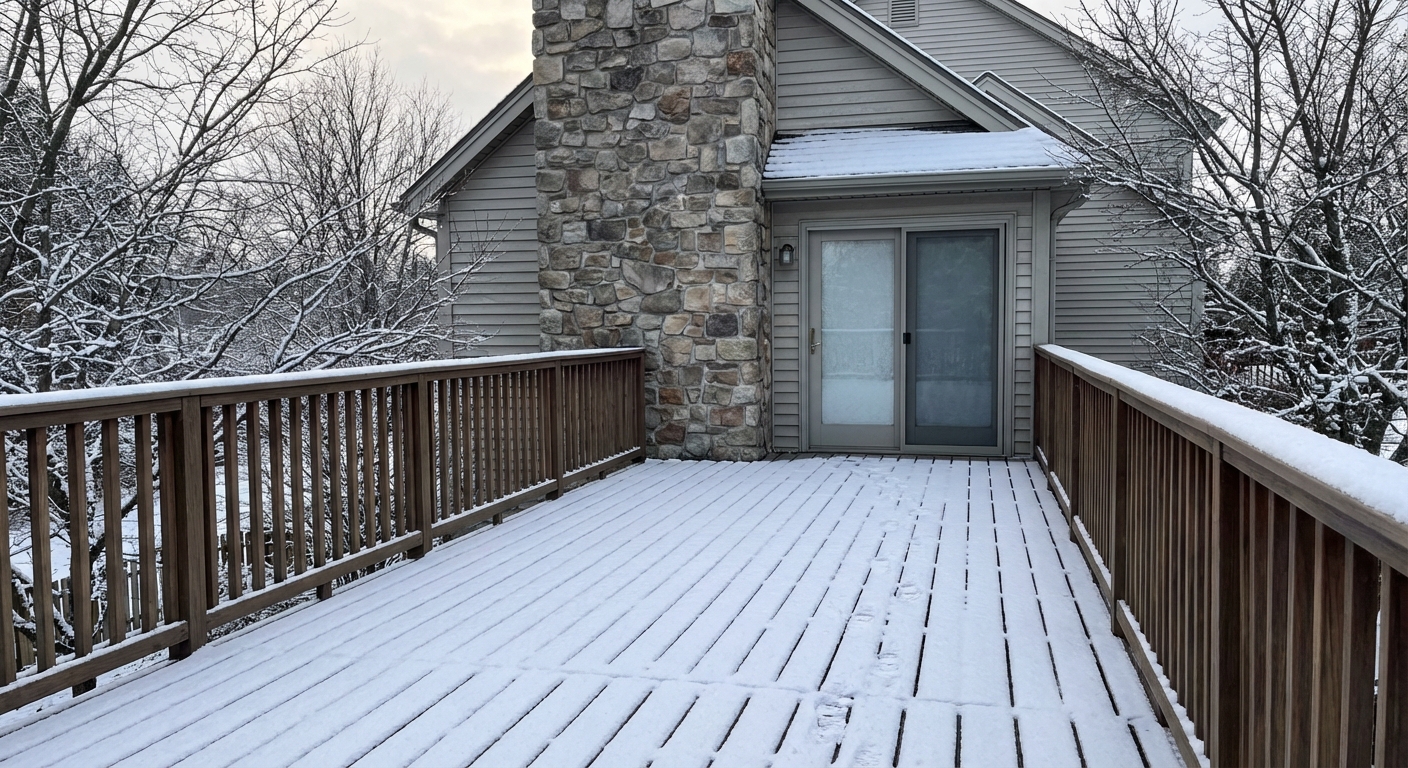
Is your Pennsylvania deck ready for the next season? From scorching summers to icy winters, your deck endures a lot. Proper maintenance is crucial to protect your investment and ensure it lasts for years to come. This guide provides a seasonal breakdown of deck care, tailored to Pennsylvania's unique climate and regulations.
📅 Tool Alert: Maintenance Planner
Get a custom seasonal maintenance schedule to protect your investment for decades.
Plan Maintenance →Spring: Assessment and Preparation
Spring in Pennsylvania is the perfect time to assess winter damage and prepare your deck for warmer weather. Pennsylvania experiences significant temperature fluctuations, so a thorough inspection is vital.
🏗️ Planning a deck project?
Get a free manual project review, or visualize your dream deck with AI before requesting quotes.
Inspect for Damage
Carefully examine your deck for:
- Cracks and Splintering: Look closely at the decking boards, railings, and stairs.
- Loose or Popped Nails/Screws: Check all fasteners and replace or tighten as needed.
- Rot and Decay: Pay special attention to areas near the ground, posts, and where water tends to accumulate. Probe suspicious areas with a screwdriver – if the wood is soft, it may be rotting.
- Wobbly Railings or Stairs: Ensure all structural components are secure.
- Standing Water: Identify areas where water pools, as this can lead to rot and insect infestations.
- Pest Damage: Look for signs of termites or carpenter bees. Southeastern PA has moderate to high termite pressure, making preventative treatment a wise investment.
Cleaning and Repair
Once you've assessed the damage, it's time to clean and repair your deck.
- Clear Debris: Remove leaves, dirt, and other debris that have accumulated over the winter.
- Wash the Deck: Use a deck cleaner specifically designed for your deck material. Pressure washing can be effective, but be cautious, especially on softer woods like cedar, as excessive pressure can damage the surface.
- Repair Damage: Replace damaged boards, tighten loose fasteners, and repair any structural issues. For significant structural repairs, consult a qualified contractor.
- Apply Preservative: Apply a wood preservative to protect your deck from rot and insect damage. Choose a product appropriate for your deck material and follow the manufacturer's instructions.
Pennsylvania-Specific Considerations
Remember that decks over 30 inches above grade or over 200 sqft typically require permits in most Pennsylvania townships. If you're making significant structural repairs, check with your local building code official to ensure you're in compliance with the Uniform Construction Code (UCC). Typical permit costs range from $100-500 depending on the municipality; Philadelphia and its surrounding suburbs tend to have higher permit fees and longer processing times due to the stricter procedures of L&I (Licenses & Inspections).
<!-- slot:after-intro -->
Summer: Protection from Heat and Humidity
Pennsylvania summers are hot and humid, especially in areas like Philadelphia. This can take a toll on your deck.
Sun Protection
- Apply Deck Stain or Sealant: A good quality stain or sealant will protect your deck from the sun's harmful UV rays, which can cause fading and cracking. Reapply every 1-3 years, depending on the product and exposure. Consider using a tinted stain for added UV protection. See Deck Staining Tips for Pennsylvania Weather: Timing & Products for more information.
- Provide Shade: Consider adding shade structures like umbrellas, pergolas, or awnings to protect your deck from the sun.
Moisture Management
- Ensure Proper Drainage: Make sure water can drain freely from your deck. Clear any obstructions in the gaps between the boards.
- Address Standing Water: If you notice areas where water pools, consider adding drainage holes or re-grading the surrounding area.
Preventative Maintenance
- Regular Cleaning: Sweep or hose off your deck regularly to remove dirt and debris.
- Inspect for Pests: Keep an eye out for signs of termites, carpenter bees, or other pests. Address any infestations promptly.
- Consider Material: When building or replacing a deck, consider materials. Pressure-treated lumber decks in PA cost around $25-45/sqft installed, while composite decks are around $45-75/sqft, cedar $35-55/sqft, and Trex $50-80/sqft. Each requires different summer maintenance.
Considerations for Specific Regions
- Philadelphia Metro: Row house decks often have unique constraints. Ensure proper waterproofing to prevent water damage to neighboring properties.
- Poconos: Vacation homes often have elevated decks. Check the structural integrity of support posts and beams regularly. These decks are often built to maximize scenic views.
- Lancaster County: If you live in a historic property, you may need to obtain approval from the historic review board before making any changes to your deck.
Autumn: Preparing for Winter
Autumn is the time to prepare your deck for the harsh Pennsylvania winter.
Deep Cleaning
- Thorough Cleaning: Give your deck a thorough cleaning to remove dirt, leaves, and other debris that can trap moisture and promote mold growth. Use a deck cleaner and scrub brush.
Winterization
- Remove Outdoor Furniture: Store outdoor furniture, planters, and other items that could be damaged by snow and ice.
- Clear Gutters: Clean your gutters to ensure proper drainage. Clogged gutters can lead to ice dams, which can damage your deck and home.
- Apply Water Repellent: Apply a water repellent sealant to protect your deck from moisture damage. Choose a product specifically designed for your deck material.
- Inspect Railings & Stairs: Make sure handrails are secure before ice forms on the steps.
- Consider a Cover: If you have valuable outdoor furniture that can't be stored, consider covering it with waterproof tarps.
Use PaperPlan (paperplan.app) to visualize your deck with PaperPlan design with different materials and layouts before committing to a contractor. This can help you make informed decisions about materials and features that will withstand Pennsylvania's weather conditions.
Considerations for Specific Regions
- Pittsburgh: Hillside lots are common, so ensure retaining walls supporting your deck are in good condition. Multi-level decks also require careful inspection of all support structures.
- Western PA: Expect heavier snowfall. Ensure your deck is structurally sound enough to support the weight of the snow.
- Lehigh Valley: Good contractor availability means you can easily find help with winterization tasks.
<!-- slot:mid-content -->
Winter: Snow and Ice Removal
Pennsylvania winters can be harsh, with heavy snow and ice. Proper snow and ice removal is essential to prevent damage to your deck.
Safe Snow Removal
- Use a Plastic Shovel: Use a plastic shovel to remove snow from your deck. Metal shovels can damage the decking surface.
- Shovel Carefully: Avoid gouging or scraping the decking surface.
- Remove Snow Regularly: Remove snow as it accumulates to prevent it from becoming compacted and icy.
Ice Removal
- Use Ice Melt Sparingly: Use ice melt sparingly, as it can damage some decking materials. Choose a product that is safe for your deck material. Calcium chloride-based ice melts are generally considered safer than rock salt.
- Avoid Rock Salt: Rock salt can corrode metal fasteners and damage concrete.
- Consider Sand or Kitty Litter: For traction, consider using sand or kitty litter instead of ice melt.
Preventing Ice Dams
- Ensure Proper Ventilation: Make sure your attic is properly ventilated to prevent ice dams from forming.
- Insulate Pipes: Insulate any exposed pipes to prevent them from freezing and bursting.
Pennsylvania-Specific Considerations
The frost line in most of Pennsylvania is 36 inches ( 42 inches in northern counties). This means that deck footings must extend below this depth to prevent movement due to freezing and thawing. Protecting Your Pennsylvania Deck from Snow and Ice Damage offers more advice.
Pennsylvania has no statewide HOA regulations, but many suburban developments have HOA covenants requiring approval for deck modifications. Check your HOA rules before making any changes.
Best build months in PA are April-June and September-October, allowing time for the wood to cure before summer humidity or winter freeze.
<!-- slot:before-faq -->
> 📘 Planning a deck in Pennsylvania? Read our Complete Guide to Deck Costs in Pennsylvania for detailed pricing, permits, and material comparisons.
🎨 Not sure which material to pick?
Upload a photo of your backyard and see exactly how Trex, TimberTech, or cedar would look — free and instant.
Frequently Asked Questions
How often should I stain or seal my Pennsylvania deck?
The frequency depends on the type of stain or sealant you use, the deck material, and the amount of sun exposure. Generally, you should stain or seal your deck every 1-3 years. Look for signs of fading, cracking, or water damage as indicators that it's time to reapply.
What's the best way to clean my deck?
The best way to clean your deck depends on the material. For most wood decks, a deck cleaner and scrub brush are effective. Pressure washing can be used, but be cautious, especially on softer woods. Composite decks can usually be cleaned with soap and water.
How do I prevent termites from damaging my deck?
Termite pressure is moderate to high in southeastern Pennsylvania. You can prevent termites by:
- Using pressure-treated lumber for all structural components.
- Keeping wood away from direct contact with the ground.
- Applying a termite treatment to the soil around your deck.
- Regularly inspecting your deck for signs of termites.
What permits do I need to build or repair a deck in Pennsylvania?
Decks over 30 inches above grade or over 200 sqft typically require permits in most Pennsylvania townships. Check with your local building code official to determine the specific requirements in your area. Expect permit costs from $100-500.
<!-- slot:end -->
📋 Planning a deck project?
Get a free manual project review from our team — no obligation, no spam.
Get Free Project Review →Upload a backyard photo and preview real decking materials with AI — free, instant, no sign-up.
Permits, costs, material comparisons, and questions to ask before requesting quotes — delivered to your inbox.