
Deck Permits in Pennsylvania: 2026 Rules
Planning a deck in PA? Learn when you need a permit, local rules for Philadelphia, Pittsburgh, and more. Avoid fines and build legally!
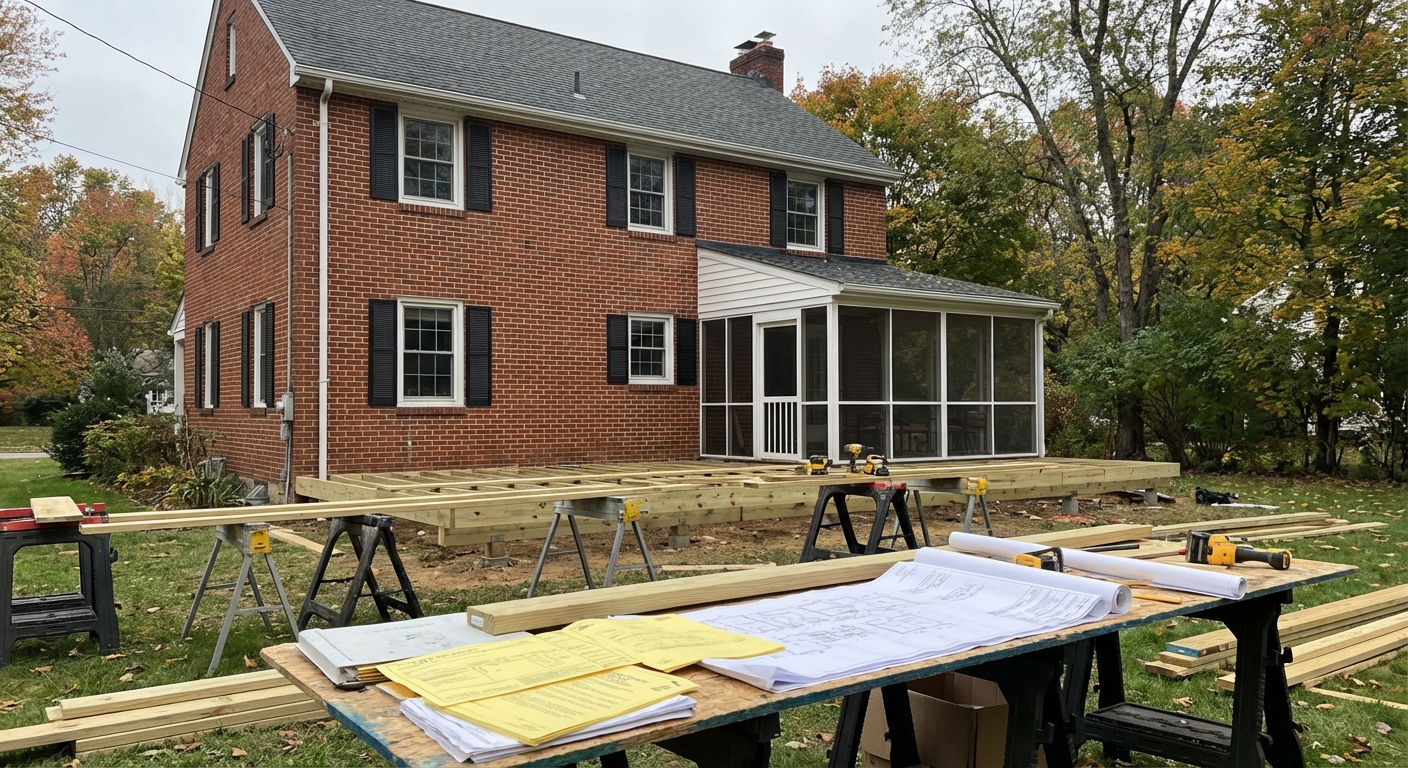
If you're planning to build a deck in Pennsylvania, one of your first questions should be: Do I need a permit? The answer is usually yes, but it depends on the size and height of your deck, as well as the specific regulations of your township or borough. Ignoring permit requirements can lead to costly fines and delays, so understanding the rules upfront is crucial.
📋 Tool Alert: Permit Checker
Do you really need a permit? Check the exact rules for your city or township.
Check Permits →When is a Deck Permit Required in Pennsylvania?
Pennsylvania adheres to the Uniform Construction Code (UCC), but the enforcement is handled at the local level. This means each municipality (township, borough, or city) has its own building code officials who interpret and enforce the rules.
🏗️ Planning a deck project?
Get a free manual project review, or visualize your dream deck with AI before requesting quotes.
Generally, you'll need a deck permit in Pennsylvania if your deck meets either of these criteria:
- Height: The deck is more than 30 inches above grade (ground level).
- Size: The deck's surface area is greater than 200 square feet.
If your deck exceeds *either* of these thresholds, a permit is almost certainly required. Keep in mind that these are *general* guidelines. Some municipalities might have stricter rules. For example, if you plan to install electrical outlets or lighting on your deck, that alone might trigger a permit requirement, regardless of size or height.
<!-- slot:after-intro -->
It's always best to contact your local building code office to confirm the specific requirements in your area *before* you begin any construction. This simple step can save you a lot of headaches down the road.
Why are Deck Permits Required?
Deck permits aren't just bureaucratic hurdles; they serve several important purposes:
- Safety: Permits ensure your deck is built to code, using proper materials and construction techniques to ensure structural integrity. This is especially important considering Pennsylvania's climate, with hot, humid summers (temperatures reaching 85-95°F in Philadelphia) and cold winters with heavy snow, especially in western PA.
- Compliance: Permits guarantee your deck meets zoning regulations, setback requirements (distance from property lines), and other local ordinances.
- Inspection: Permit approval includes inspections at various stages of construction to verify compliance with the approved plans and building codes.
- Property Value: A properly permitted and constructed deck adds value to your home and ensures it meets safety standards for future buyers.
Cost of a Deck Permit in Pennsylvania
The cost of a deck permit in Pennsylvania varies widely depending on your location and the complexity of the project. However, you can typically expect to pay between $100 and $500. Cities like Philadelphia and its surrounding suburbs often have higher permit fees than more rural areas.
Keep in mind that the permit fee is only one part of the overall cost of building a deck. You'll also need to factor in the cost of materials, labor, and any necessary engineering or design services.
Deck Building Considerations in Different Regions of Pennsylvania
Pennsylvania's diverse geography and urban landscape influence deck building considerations. Here's a look at some regional nuances:
- Philadelphia Metro Area: Philadelphia's Licenses & Inspections (L&I) department has a reputation for stricter enforcement and longer processing times. Row house construction also presents unique challenges, requiring careful planning and adherence to fire safety regulations. Expect higher permit costs in this region. See also: Philadelphia Deck Permit: L&I Requirements, Costs & How to Apply.
- Pittsburgh: Hillside lots are extremely common in Pittsburgh, often necessitating retaining walls, multi-level decks, and structural engineering. These complex projects require detailed plans and may involve additional permit requirements. Best Deck Builders in Pittsburgh: Local Guide for 2026 is a good resource.
- Lehigh Valley (Allentown, Bethlehem, Easton): This region is experiencing rapid suburban growth. Costs are generally moderate, and there's a good availability of contractors. However, be sure to check for Homeowners Association (HOA) restrictions, as many suburban developments have covenants requiring approval for exterior modifications. You might find our guide to the Best Deck Builders in Allentown, PA: Lehigh Valley Guide helpful.
- Lancaster County: With its rich history, Lancaster County has many historic properties. If your home is located in a historic district, you may need to obtain approval from a historic review board before building a deck. Our list of the Best Deck Builders in Lancaster, PA: Finding Quality & Value can help you find a contractor familiar with these requirements.
- Poconos: The Poconos region is popular for vacation homes, driving demand for decks with elevated views, hot tub platforms, and other amenities. Decks in this area are often larger and more elaborate, increasing the likelihood of needing a permit.
Navigating the Permit Process
The deck permit process in Pennsylvania generally involves these steps:
1. Plan Design: Create detailed plans showing the deck's dimensions, materials, and structural details. Consider using PaperPlan (paperplan.app) to visualize your deck with PaperPlan design with different materials and layouts before committing to a contractor or finalizing your plans. This can help you identify potential issues early on and ensure your design meets code requirements.
2. Application: Submit your plans and application to your local building code office.
3. Review: The building code official will review your plans to ensure they comply with the UCC and local ordinances.
4. Approval: If your plans are approved, you'll receive a permit.
5. Inspections: Schedule inspections at various stages of construction (e.g., footing inspection, framing inspection, final inspection).
6. Completion: Once the final inspection is approved, your deck is officially permitted.
<!-- slot:mid-content -->
Pennsylvania Deck Building Considerations: Climate, Costs and Materials
Beyond permits, several other factors influence deck construction in Pennsylvania:
- Climate: Pennsylvania's climate demands durable materials and proper construction techniques. The hot, humid summers and cold, snowy winters can take a toll on decks. Proper flashing and drainage are essential to prevent water damage.
- Frost Line: The frost line in most of Pennsylvania is 36 inches, but it can be as deep as 42 inches in northern counties. Deck footings must extend below the frost line to prevent heaving and settling.
- Termites: Termite pressure is moderate to high in southeastern PA. Consider using pressure-treated lumber or other termite-resistant materials, and consider a soil treatment for added protection.
- Decking Material Costs: Pennsylvania has moderate construction costs overall, but material prices can still vary. Here's a general idea of what you can expect to pay per square foot for different decking materials, *installed*:
| Material | Cost per Square Foot (Installed) |
|-------------------|-----------------------------------|
| Pressure-Treated | $25 - $45 |
| Composite | $45 - $75 |
| Cedar | $35 - $55 |
| Trex | $50 - $80 |
For a more detailed breakdown of costs, see: How Much Does a Deck Cost in Pennsylvania? Complete 2026 Guide and Deck Cost Per Square Foot in Pennsylvania: 2026 Pricing Breakdown. If you're considering composite, also see our guide on Composite Deck Cost in Pennsylvania: What to Expect in 2026.
- Best Time to Build: The best months to build a deck in Pennsylvania are typically April-June and September-October. These months offer milder weather, avoiding the summer heat and winter frost.
- HOA Regulations: While Pennsylvania has no statewide HOA regulations, many suburban developments have HOA covenants that require approval for exterior modifications. Be sure to check your HOA rules *before* starting any work.
<!-- slot:before-faq -->
Building a deck in Pennsylvania can be a rewarding experience, but it's essential to understand the permit requirements and other local regulations. By doing your research and working with qualified professionals, you can ensure your deck is safe, compliant, and a valuable addition to your home.
🎨 Not sure which material to pick?
Upload a photo of your backyard and see exactly how Trex, TimberTech, or cedar would look — free and instant.
Frequently Asked Questions
Do I need a permit to replace the deck boards on my existing deck?
Generally, no, you don't need a permit simply to replace deck boards, as long as you're not altering the size, height, or structural components of the deck. However, if you're replacing the entire deck structure, including the posts, beams, and footings, a permit will likely be required. Always check with your local building code office to be sure.
What happens if I build a deck without a permit?
Building a deck without a permit can result in fines, stop-work orders, and even the requirement to tear down the deck. Additionally, it can create problems when you try to sell your home. It's always best to obtain the necessary permits before starting any construction.
How long does it take to get a deck permit in Pennsylvania?
The time it takes to get a deck permit in Pennsylvania varies depending on your location and the complexity of the project. In some municipalities, you may be able to get a permit in a few weeks, while in others, it may take several months. Cities like Philadelphia often have longer processing times due to higher volume.
What are setback requirements?
Setback requirements are the minimum distances a structure must be from property lines, streets, and other features. These requirements are typically outlined in your local zoning ordinances. Your deck plans must comply with these setback requirements to be approved for a permit.
Can I build my own deck in Pennsylvania?
Yes, you can build your own deck in Pennsylvania, but you'll still need to obtain the necessary permits and inspections. If you're not experienced in deck construction, it's recommended to hire a qualified contractor to ensure the deck is built safely and to code.
<!-- slot:end -->
📋 Planning a deck project?
Get a free manual project review from our team — no obligation, no spam.
Get Free Project Review →Upload a backyard photo and preview real decking materials with AI — free, instant, no sign-up.
Permits, costs, material comparisons, and questions to ask before requesting quotes — delivered to your inbox.