
Deck Cost Per Square Foot in Indiana: 2026 Pricing Breakdown
Wondering how much your new Indiana deck will cost? Get a detailed breakdown of deck cost per square foot in 2026, including material & labor pricing.
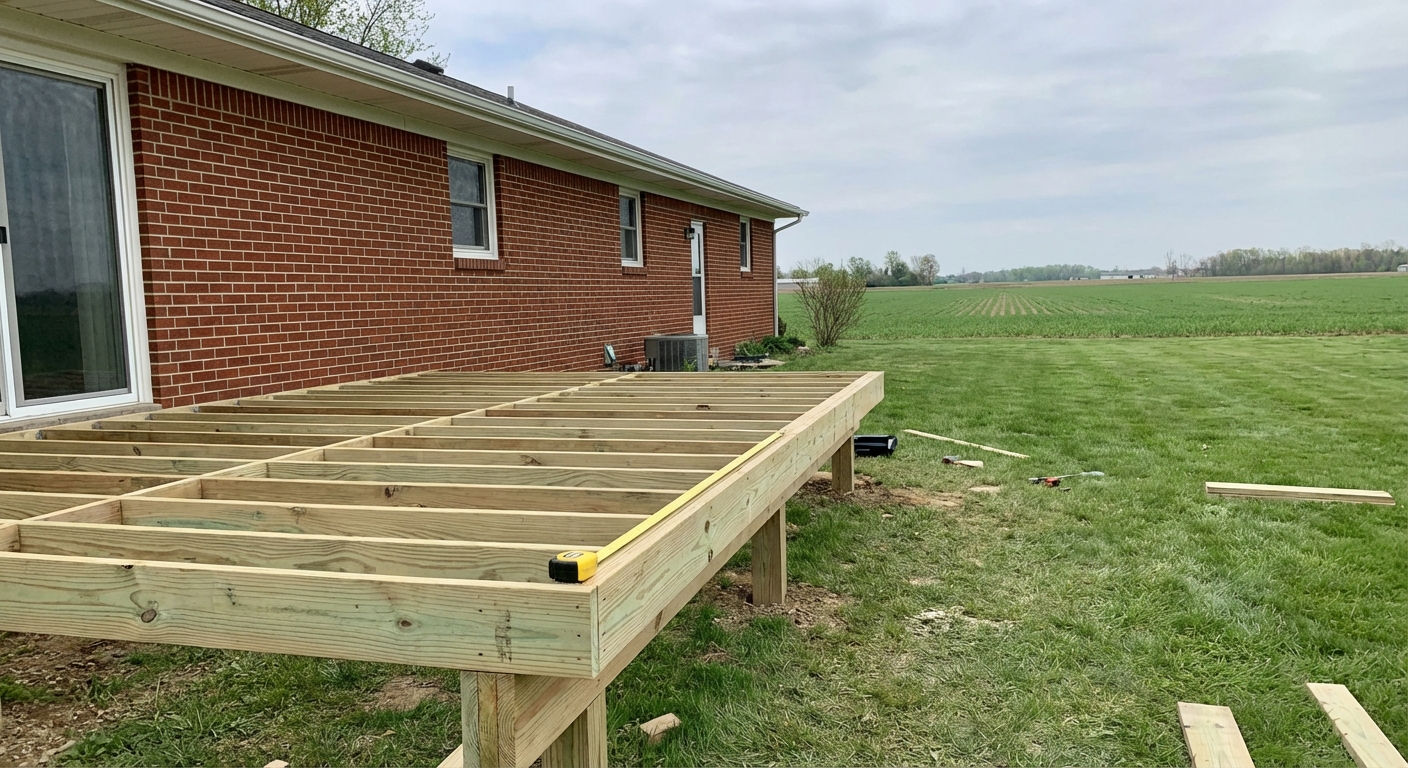
If you're planning a new deck in Indiana, understanding the cost per square foot is crucial for budgeting. This guide breaks down the average prices for different decking materials installed in Indiana in 2026, helping you estimate the total cost of your project. Indiana offers affordable construction costs compared to many other states, making it a great place to build your dream deck.
🧮 Tool Alert: Deck Cost Calculator
Estimate your project costs in seconds based on local pricing bands for your area.
Calculate My Cost →Average Deck Cost Per Square Foot in Indiana
Looking for more regional information? Check out our Indiana State Decking Hub.
🏗️ Planning a deck project?
Get a free manual project review, or visualize your dream deck with AI before requesting quotes.
The cost to build a deck in Indiana varies depending on the materials you choose, the complexity of the design, and the contractor you hire. Here's a general overview of what you can expect to pay per square foot for professionally installed decks in 2026:
- Pressure-Treated Wood: $20 - $38 per square foot
- Composite Decking: $38 - $65 per square foot
- Cedar Decking: $28 - $48 per square foot
- Trex Decking: $42 - $72 per square foot
These prices include both materials and labor. Keep in mind that these are averages, and your actual cost may vary. For instance, a multi-level deck with custom railing will cost more than a simple rectangular deck close to the ground.
<!-- slot:after-intro -->
Factors Influencing Deck Cost
Several factors influence the final price of your deck project. Understanding these can help you make informed decisions and potentially save money.
Material Choice
The decking material itself is a primary driver of cost.
- Pressure-Treated Wood: This is the most affordable option. It's readily available and offers good value, but requires regular maintenance (staining, sealing) to prevent rot and insect damage.
- Composite Decking: Composite decking offers a longer lifespan and requires less maintenance than wood. It's made from a blend of wood fibers and recycled plastic. Brands like TimberTech, Fiberon, and Deckorators are popular choices.
- Cedar Decking: Cedar is a naturally beautiful and durable wood that's resistant to insects and decay. It requires less maintenance than pressure-treated wood but is more expensive.
- Trex Decking: Trex is a leading brand of composite decking known for its durability, low maintenance, and wide range of colors and styles. It's generally more expensive than other composite options.
Deck Size and Design
The larger your deck, the more materials and labor will be required, increasing the overall cost. Complex designs, such as multi-level decks, curved edges, or built-in seating, also add to the price. If you're in an Indianapolis suburb like Carmel, Fishers, Westfield, or Zionsville, remember that HOAs often have strict design standards that can influence your material choices and deck size.
Labor Costs
Labor costs vary depending on the contractor's experience, location, and the complexity of the project. Indiana has relatively affordable labor rates compared to other parts of the country. Expect to pay a significant portion of your total budget on labor, as proper installation is critical for the longevity and safety of your deck.
Site Preparation
If your yard requires significant grading, leveling, or removal of existing structures, this will add to the cost. Obstacles like trees, rocks, or underground utilities can also increase site preparation expenses.
Permits and Inspections
Most cities and suburbs in Indiana require permits for decks over 30 inches above grade or attached to the dwelling. Many rural townships, however, have no permit requirements. Permit costs typically range from $50 to $350, depending on the municipality. In Indianapolis, IndyDPS handles permitting, while surrounding suburbs have their own processes. Failing to obtain the necessary permits can result in fines and delays.
Railing and Stairs
The type of railing you choose (wood, composite, metal) and the number of stairs required will impact the overall cost. Custom railing designs will be more expensive than standard options.
Additional Features
Adding features like built-in lighting, benches, planters, or pergolas will increase the price.
Material Cost Breakdown
Here's a more detailed look at the material costs per square foot for different decking options in Indiana:
| Material | Material Cost per SqFt (Approximate) |
|---------------------|--------------------------------------|
| Pressure-Treated Wood | $8 - $15 |
| Composite Decking | $18 - $30 |
| Cedar Decking | $12 - $22 |
| Trex Decking | $20 - $35 |
These figures are estimates and can vary depending on the specific brand, grade, and supplier. Remember to factor in waste when calculating your material needs.
Labor Cost Breakdown
Labor costs in Indiana are generally affordable, but they can vary depending on the contractor's experience and the complexity of the project. Expect to pay between $12 and $35 per square foot for labor, depending on the material and the design. More complex projects, like those in Indianapolis with specific HOA requirements, will likely command higher labor rates.
Regional Cost Variations within Indiana
While Indiana boasts affordable construction costs overall, some regional differences exist.
- Indianapolis Metro Area (Central Indiana): As the largest metro area, Indianapolis and its surrounding suburbs (Carmel, Fishers, Westfield, Zionsville) may have slightly higher labor costs due to demand and stricter building codes and HOA requirements.
- Fort Wayne (Northeast Indiana): Fort Wayne offers affordable builds, making it a cost-effective location for deck projects.
- Evansville (Southwest Indiana): Evansville's climate is milder than northern Indiana, which can extend the building season and potentially lower labor costs.
- South Bend (Michiana): South Bend's proximity to Lake Michigan results in colder winters and lake-effect snow, potentially shortening the build season.
- Bloomington (Southern Indiana): Southern Indiana experiences moderate to high termite pressure, which may necessitate additional preventative measures, adding to the overall cost.
Indiana Climate Considerations
Indiana's climate presents some unique challenges for deck construction.
- Hot, Humid Summers: Indiana summers are hot and humid, which can cause wood to warp and rot. Choosing durable, weather-resistant materials is crucial.
- Cold Winters with Significant Snowfall: Indiana winters can be harsh, with significant snowfall and severe freeze-thaw cycles. These cycles can crack concrete footings if they're not properly installed below the frost line.
- Frost Line: The frost line in Indiana ranges from 30 inches in southern Indiana to 36 inches in northern Indiana near the Michigan border. Footings must be placed below this depth to prevent frost heave.
- Tornado Season: Indiana experiences tornado season from April to June. Consider using wind-rated connectors, especially in exposed areas.
Choosing materials and construction methods that can withstand these conditions is essential for the longevity of your deck.
<!-- slot:mid-content -->
Permitting and Building Codes in Indiana
Understanding Indiana's permitting requirements and building codes is crucial for a successful deck project. Indiana's Residential Code is based on the International Residential Code (IRC), but enforcement varies by township, city, and county.
- Permit Requirements: Decks over 30 inches above grade or attached to the dwelling generally require permits in most Indiana cities and suburbs. Many rural townships have no permit requirements. Check with your local building department to confirm the specific requirements in your area.
- Footing Depth: Footings must be placed below the frost line (30-36 inches) to prevent frost heave.
- Railing Height: Railings are typically required for decks 30 inches or more above grade.
- Stair Requirements: Stairs must meet specific requirements for rise, run, and handrails.
Consulting with a qualified contractor who is familiar with local building codes is highly recommended.
Tips for Saving Money on Your Deck Project
- Choose Pressure-Treated Wood: If budget is a primary concern, pressure-treated wood is the most affordable option.
- Keep the Design Simple: A simple rectangular deck will be less expensive than a complex multi-level design.
- Get Multiple Quotes: Obtain quotes from several contractors to ensure you're getting a fair price.
- Consider Building in the Off-Season: You may be able to negotiate a better price if you build during the off-season (late fall or winter). However, avoid pouring concrete when the ground is frozen. The best months to build are typically April-June and September-October.
- Do Some of the Work Yourself: If you're handy, you can save money by doing some of the work yourself, such as demolition, painting, or landscaping. However, be sure to leave the structural work to the professionals.
- Use PaperPlan: Use PaperPlan (paperplan.app) to visualize your deck with PaperPlan design with different materials and layouts before committing to a contractor. Experimenting with different materials virtually can help you find the best balance between cost and aesthetics.
Finding a Reputable Deck Builder in Indiana
Choosing the right contractor is essential for a successful deck project. Look for a contractor who is licensed, insured, and has a proven track record of building high-quality decks. Ask for references and check online reviews. A good contractor will be knowledgeable about local building codes and permitting requirements. You can find reputable deck builders in your area by searching online directories or asking for recommendations from friends and neighbors.
<!-- slot:before-faq -->
By understanding the factors that influence deck cost and following these tips, you can create a beautiful and functional outdoor space that fits your budget. Remember to factor in Indiana's climate and building codes to ensure your deck is built to last.
🎨 Not sure which material to pick?
Upload a photo of your backyard and see exactly how Trex, TimberTech, or cedar would look — free and instant.
Frequently Asked Questions
What is the typical lifespan of a wood deck in Indiana?
The lifespan of a wood deck in Indiana depends on the type of wood used and how well it's maintained. Pressure-treated wood decks can last 15-20 years with regular staining and sealing. Cedar decks can last 20-30 years with proper care.
How often should I stain or seal my wood deck in Indiana?
You should stain or seal your wood deck every 1-3 years, depending on the weather exposure and the type of stain or sealant used. Look for signs of fading, cracking, or water damage as indicators that it's time to reapply.
Do I need a permit to build a deck in my Indiana city or town?
Generally, if your deck is over 30 inches above grade or attached to your house, you'll need a permit. However, requirements vary by municipality, and many rural townships have no permit requirements. Always check with your local building department to confirm. See also: Do You Need a Deck Permit in Indiana? Township & City Rules
What are the best materials for a low-maintenance deck in Indiana?
Composite decking materials, like Trex, are the best choice for low-maintenance decks. They resist fading, staining, scratching, and insect damage, and require minimal upkeep compared to wood. See also: Composite Deck Cost in Indiana: What to Expect in 2026
How deep should my deck footings be in Indiana?
Your deck footings should extend below the frost line, which is 30 inches in southern Indiana and 36 inches in northern Indiana. This prevents frost heave from damaging the deck's structure.
<!-- slot:end -->
Building a deck is a significant investment. By carefully considering your options and working with a reputable contractor, you can create an outdoor space that you'll enjoy for years to come. Be sure to check out these related articles for more information:
- How Much Does a Deck Cost in Indiana? Complete 2026 Guide
- Indiana Deck Building Codes: Key Requirements for 2026
- Best Deck Builders in Indianapolis: Central Indiana Guide for 2026
📋 Planning a deck project?
Get a free manual project review from our team — no obligation, no spam.
Get Free Project Review →Upload a backyard photo and preview real decking materials with AI — free, instant, no sign-up.
Permits, costs, material comparisons, and questions to ask before requesting quotes — delivered to your inbox.