
Covered Deck Ideas for Indiana: Rain & Snow Protection Year-Round
Discover covered deck ideas perfect for Indiana's weather. Protect your outdoor space from rain, snow, and sun with these design tips and cost estimates.
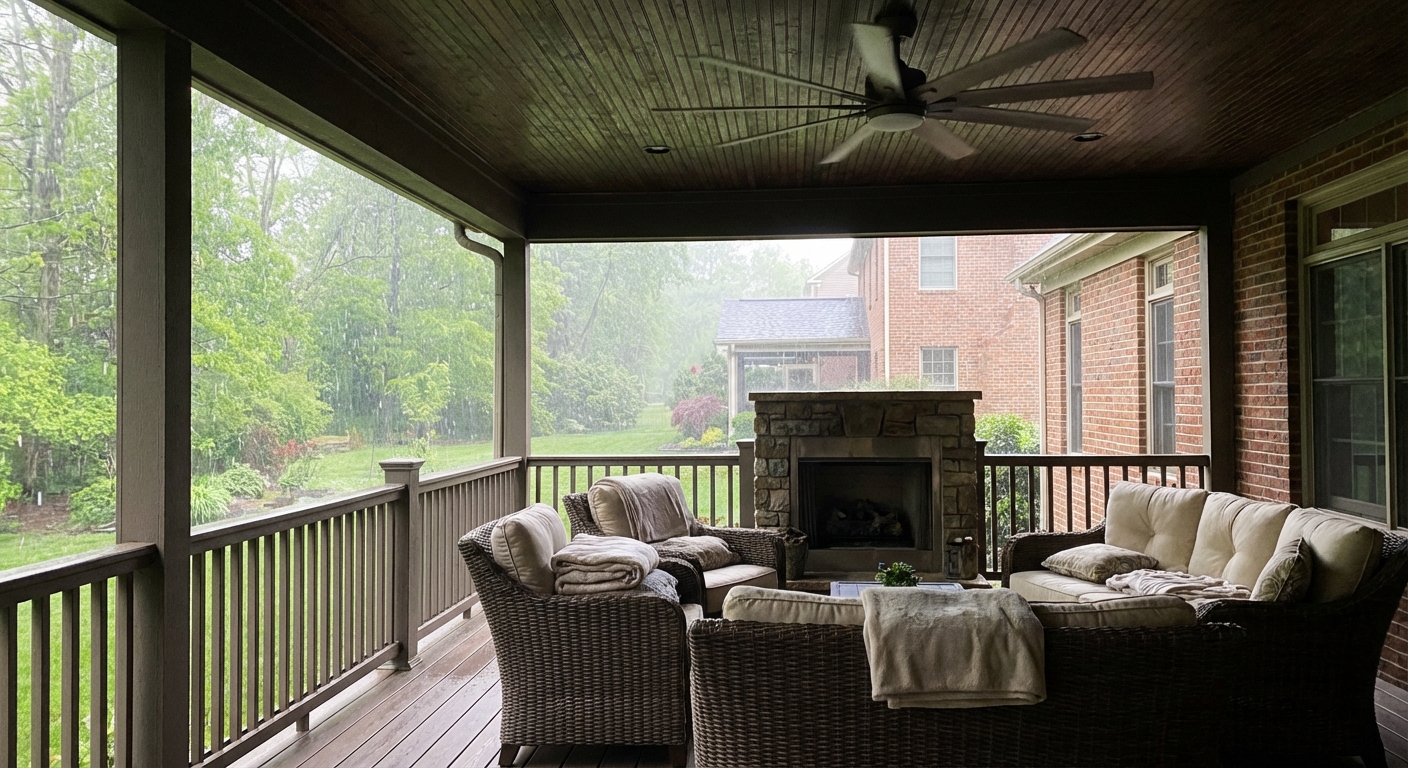
Having a deck in Indiana is fantastic for enjoying the outdoors, but the unpredictable weather can limit its use. From scorching summers to snowy winters, a covered deck provides year-round protection and expands your living space. This guide explores covered deck ideas tailored to Indiana's climate and building considerations, helping you create the perfect outdoor oasis.
Why Choose a Covered Deck in Indiana?
Looking for more regional information? Check out our Indiana State Decking Hub.
🏗️ Planning a deck project?
Get a free manual project review, or visualize your dream deck with AI before requesting quotes.
Indiana experiences significant seasonal changes. Hot, humid summers with temperatures often reaching 85-92°F make shade essential. Cold winters bring substantial snowfall and freezing temperatures, requiring protection from the elements. A covered deck offers multiple benefits:
- Year-Round Use: Enjoy your deck regardless of rain, snow, or intense sun.
- Furniture Protection: Shield your outdoor furniture from weather damage, extending its lifespan.
- Increased Home Value: A well-designed covered deck can boost your property value.
- Enhanced Comfort: Create a comfortable outdoor living space, protected from the elements.
- Pest Control: Covering helps reduce mosquito and other insect populations.
<!-- slot:after-intro -->
Covered Deck Design Ideas for Indiana Homes
Here are some covered deck design ideas that thrive in Indiana's climate, considering regional variations from Indianapolis to Evansville:
1. Simple Roof Overhang
This is the most basic type of covered deck. An extension of your existing roof creates a covered area directly adjacent to your house.
- Pros: Relatively inexpensive, simple to construct, provides good rain and sun protection.
- Cons: Limited design options, may not provide complete protection from wind-blown rain or snow.
- Best For: Homeowners looking for a budget-friendly option.
2. Gable Roof Covered Deck
A gable roof adds architectural interest to your deck. It features a triangular roof shape, similar to many Indiana homes.
- Pros: Visually appealing, allows for good ventilation, sheds water and snow effectively.
- Cons: More complex to build than a simple overhang, potentially higher cost.
- Best For: Homeowners seeking a blend of functionality and aesthetics.
3. Shed Roof Covered Deck
A shed roof slopes in one direction, offering a modern and minimalist look.
- Pros: Simple construction, effective water runoff, modern aesthetic.
- Cons: Can look less integrated with the house if not designed carefully.
- Best For: Contemporary homes, maximizing sunlight penetration on one side of the deck.
4. Pergola with Retractable Canopy
A pergola offers partial shade and can be enhanced with a retractable canopy for complete weather protection.
- Pros: Flexible shade control, stylish design, allows for airflow.
- Cons: Canopy may require seasonal removal or replacement, less robust protection than a solid roof.
- Best For: Homeowners who want adjustable shade and a more open feel.
5. Screened-In Covered Deck
Combine a roof with screens to create a bug-free outdoor space. This is especially appealing given Indiana's mosquito population. See more on Screened Porch and Deck Combos in Indiana: Extended Season Living.
- Pros: Excellent bug protection, increased privacy, extends the usable season.
- Cons: Can block some natural light, requires more maintenance to keep screens clean.
- Best For: Areas with high mosquito populations, homeowners who want an enclosed outdoor space.
6. Covered Deck with Outdoor Fireplace
Add a fireplace to your covered deck for warmth and ambiance during cooler months. Ensure proper ventilation and follow local fire codes.
- Pros: Extends the usable season into colder months, creates a cozy atmosphere.
- Cons: Requires careful planning and construction, increased cost.
- Best For: Homeowners who want to enjoy their deck year-round, even in winter.
7. Multi-Level Covered Deck
If you have a sloping yard, consider a multi-level deck with covered and uncovered sections.
- Pros: Maximizes space utilization, creates distinct zones for different activities, visually appealing.
- Cons: More complex to design and build, higher cost.
- Best For: Properties with uneven terrain, homeowners who want a dynamic outdoor space.
8. Detached Covered Deck
A detached covered deck, also known as a pavilion, offers a separate outdoor retreat away from the house.
- Pros: Creates a distinct outdoor space, can be placed in the most scenic part of your yard, offers privacy.
- Cons: Requires more space, may require a pathway to connect it to the house.
- Best For: Larger properties, homeowners who want a separate outdoor entertainment area.
9. Covered Deck with Outdoor Kitchen
Integrate an outdoor kitchen into your covered deck for convenient grilling and dining. Ensure proper ventilation for smoke.
- Pros: Convenient for outdoor cooking and entertaining, adds value to your home.
- Cons: Requires careful planning and construction, increased cost.
- Best For: Homeowners who love to cook and entertain outdoors.
10. Sunroom Conversion
While not strictly a "deck," converting an existing deck into a sunroom with full enclosure and climate control provides the ultimate year-round outdoor living space.
- Pros: Complete weather protection, climate control, adds significant value to your home.
- Cons: Most expensive option, requires significant construction.
- Best For: Homeowners who want a fully enclosed and climate-controlled outdoor space.
Indiana Regional Considerations
- Indianapolis Metro (Central IN): Strict HOA regulations in suburbs like Carmel, Fishers, Westfield, and Zionsville may influence design choices.
- Fort Wayne (Northeast IN): Known for affordable construction costs, explore cost-effective covered deck designs.
- Evansville (Southwest IN): Warmer climate compared to northern Indiana, consider designs that maximize airflow. Moderate to high termite pressure.
- South Bend (Michiana): Lake-effect snow requires robust roof designs.
- Bloomington (Southern IN): Moderate to high termite pressure, consider termite-resistant materials.
Material Choices for Your Covered Deck
Choosing the right materials is crucial for durability and longevity. Here's a breakdown of common options in Indiana:
- Pressure-Treated Lumber: The most affordable option, but requires regular maintenance.
- Cedar: Naturally rot-resistant and aesthetically pleasing, but more expensive than pressure-treated lumber.
- Composite Decking: Low-maintenance, durable, and available in various colors and styles. Brands like Trex are popular.
- Aluminum: Lightweight, rust-resistant, and requires minimal maintenance.
Cost Comparison Table
| Material | Cost per Square Foot (Installed) | Pros | Cons |
| ----------------- | --------------------------------- | ------------------------------------------------------------------- | -------------------------------------------------------------------- |
| Pressure-Treated | $20-38 | Affordable, readily available | Requires regular maintenance, prone to rot and insect damage |
| Cedar | $28-48 | Naturally rot-resistant, aesthetically pleasing | More expensive than pressure-treated lumber |
| Composite | $38-65 | Low-maintenance, durable, various colors and styles | More expensive than wood, can get hot in direct sunlight |
| Trex | $42-72 | High-quality composite, excellent durability, fade-resistant | Most expensive option |
<!-- slot:mid-content -->
Indiana Building Codes and Permit Requirements
Navigating building codes and permits is essential for a legal and safe deck construction.
Indiana Residential Code
Indiana follows the International Residential Code (IRC) as a base, but enforcement varies significantly by location.
Permit Requirements
- Decks over 30 inches above grade or attached to a dwelling *typically* require permits in most Indiana cities and suburbs.
- Many rural Indiana townships have *no permit requirements*, but it's always best to check with your local building department.
- Indianapolis (Marion County) uses IndyDPS for permits. Suburbs like Carmel, Fishers, Westfield, and Zionsville have their own requirements and often stricter HOA guidelines.
Frost Line
Ensure your deck footings extend below the frost line to prevent damage from freeze-thaw cycles. The frost line in Indiana ranges from 30 inches in southern Indiana to 36 inches in northern Indiana. Severe freeze-thaw cycles can crack concrete footings if not deep enough.
Typical Permit Costs
Expect to pay between $50-350 for a deck permit, depending on your municipality.
Wind-Rated Connections
During Indiana's tornado season (April-June), consider using wind-rated connectors for added structural stability, especially in exposed areas.
Deck Construction Timeline in Indiana
The best months for deck building in Indiana are April-June and September-October. Avoid building during the frozen ground months of November-March.
Use PaperPlan (paperplan.app) to visualize your deck with PaperPlan design with different materials and layouts before committing to a contractor. This will allow you to explore different options and ensure your covered deck meets your specific needs and budget.
<!-- slot:before-faq -->
Maintaining Your Covered Deck in Indiana
Proper maintenance is key to extending the life of your covered deck:
- Cleaning: Regularly clean your deck with a mild soap and water solution.
- Sealing/Staining: Apply a sealant or stain every 2-3 years to protect the wood from moisture and UV damage. Check out Deck Staining Tips for Indiana Weather: Timing & Products for more info.
- Inspecting: Inspect your deck annually for signs of rot, insect damage, or loose connections.
- Snow Removal: Clear snow from your covered deck to prevent excessive weight buildup.
- Termite Control: In areas with high termite pressure (especially southern Indiana), consider preventative termite treatments.
<!-- slot:end -->
🎨 Not sure which material to pick?
Upload a photo of your backyard and see exactly how Trex, TimberTech, or cedar would look — free and instant.
Frequently Asked Questions
What is the average cost of building a covered deck in Indiana?
The cost varies depending on the size, materials, and complexity of the design. Expect to pay between $20-72 per square foot installed, depending on the materials you choose. Pressure-treated lumber is the most affordable, while composite decking like Trex is the most expensive.
Do I need a permit to build a covered deck in Indiana?
It depends on your location and the size of your deck. Generally, decks over 30 inches above grade or attached to a dwelling require permits. Check with your local building department for specific requirements.
How deep should my deck footings be in Indiana?
Your deck footings must extend below the frost line, which ranges from 30 inches in southern Indiana to 36 inches in northern Indiana.
What are the best materials for a covered deck in Indiana's climate?
Pressure-treated lumber, cedar, and composite decking are all good options. Consider your budget, maintenance preferences, and aesthetic goals when choosing materials. Composite decking offers excellent durability and low maintenance, while cedar provides natural beauty and rot resistance. See Protecting Your Indiana Deck from Freeze-Thaw Cycles & Storms for more tips.
How do I protect my covered deck from termites in Indiana?
Consider using pressure-treated lumber that is termite-resistant or applying a termite treatment to the soil around your deck. Regularly inspect your deck for signs of termite damage, especially in southern Indiana where termite pressure is higher.
📋 Planning a deck project?
Get a free manual project review from our team — no obligation, no spam.
Get Free Project Review →Upload a backyard photo and preview real decking materials with AI — free, instant, no sign-up.
Permits, costs, material comparisons, and questions to ask before requesting quotes — delivered to your inbox.