
Screened Porch and Deck Combos in Indiana: Extended Season Living
Enjoy Indiana's outdoors longer with a screened porch and deck combo. Discover design ideas, costs, permits, and local tips for your project.
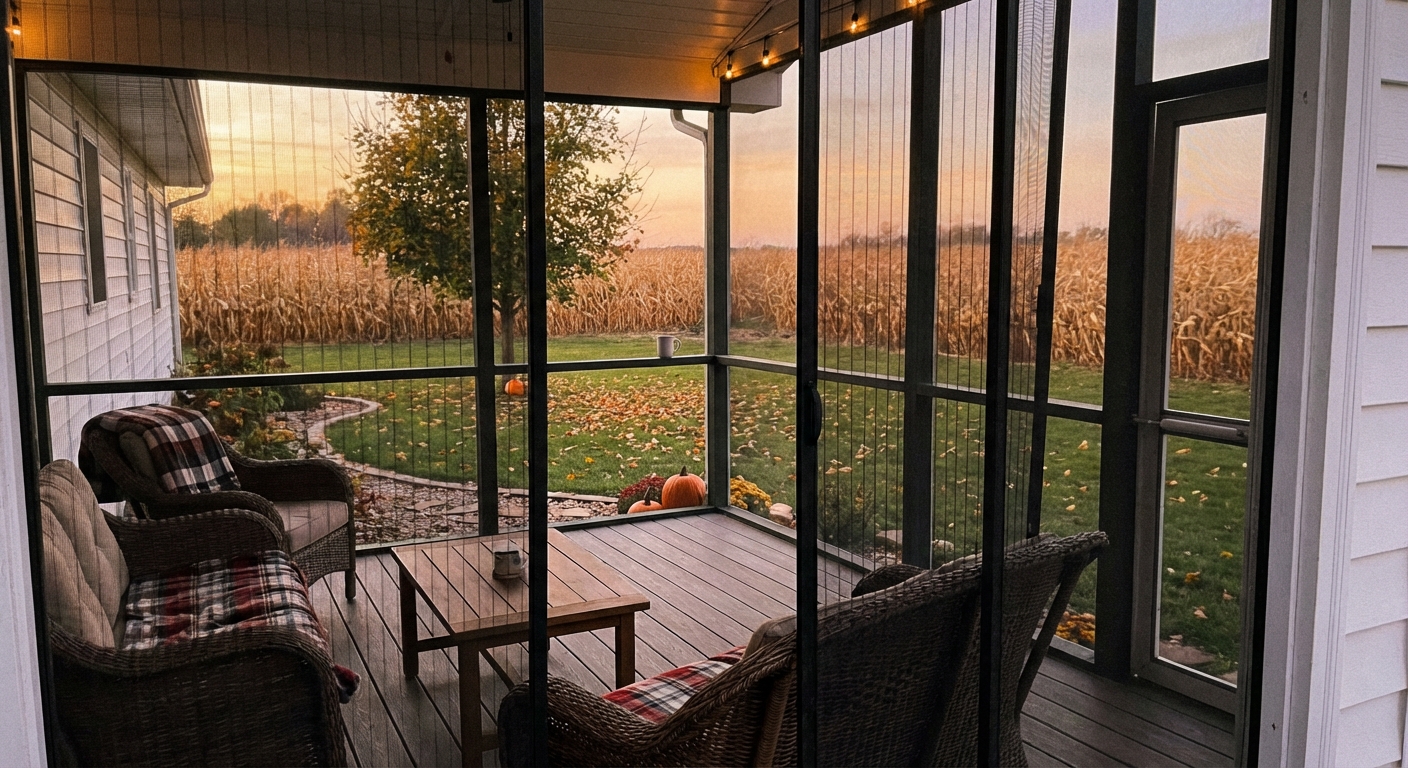
Are you dreaming of enjoying Indiana's beautiful seasons without the bugs and harsh weather? A screened porch and deck combination might be the perfect solution for your home. This setup gives you the best of both worlds: an open-air space for sunny days and a protected area for evenings or when the weather turns. Let's explore how to create your ideal outdoor living space in Indiana.
Why Choose a Screened Porch and Deck Combo in Indiana?
Looking for more regional information? Check out our Indiana State Decking Hub.
🏗️ Planning a deck project?
Get a free manual project review, or visualize your dream deck with AI before requesting quotes.
Indiana's climate presents unique challenges and opportunities for outdoor living. The hot, humid summers (85-92°F) are often plagued by insects, while the cold winters with significant snowfall limit outdoor enjoyment. A screened porch shields you from bugs and light rain, extending your usability. The open deck provides space for grilling, sunbathing, and enjoying pleasant weather. Plus, Indiana boasts very affordable construction costs, among the lowest in the Midwest, offering strong value for homeowners considering this project.
<!-- slot:after-intro -->
Design Ideas for Indiana Homes
Consider these design ideas to maximize your enjoyment of a screened porch and deck combo in Indiana:
- Multi-Level Design: Transition from a ground-level deck to a slightly elevated screened porch for visual interest and separation of spaces. This is especially effective in sloped yards common in areas like Bloomington and southern Indiana.
- Integrated Fire Pit: Incorporate a fire pit on the open deck for cooler evenings, especially useful in South Bend and Michiana, where lake-effect snow brings colder winters. Ensure proper clearance from the screened porch.
- Outdoor Kitchen: Extend your cooking space by adding a grilling area and countertop on the deck, adjacent to the screened porch for easy access.
- Pergola Transition: Use a pergola as a transition between the open deck and screened porch, providing partial shade and visual appeal.
- Consider Your Home's Architecture: Design your screened porch and deck to complement your home's existing style. Indianapolis suburbs like Carmel and Zionsville often have strict HOA requirements and design standards, so be sure to check those before you start planning.
- Maximize Views: Orient your deck and screened porch to take advantage of any scenic views your property offers.
Material Choices for Indiana's Climate
Selecting the right materials is crucial for durability and longevity in Indiana's fluctuating climate. Here’s a breakdown:
- Pressure-Treated Lumber: A budget-friendly option for the deck frame. Ensure it's properly treated for ground contact, especially in areas with high termite pressure like Evansville and southern Indiana.
- Composite Decking: Low-maintenance and resistant to rot, insects, and fading. Popular brands include Trex and TimberTech.
- Cedar Decking: A naturally beautiful and durable option, but requires regular sealing to prevent weathering.
- Aluminum Screening: Durable and long-lasting for your screened porch. Consider black aluminum for a modern look and better visibility.
- Concrete Footings: Essential for a stable foundation. They must extend below the frost line (30-36 inches) to prevent movement from freeze-thaw cycles. Use 30 inches in southern Indiana and 36 inches in northern Indiana near the Michigan border.
Cost Considerations for Your Project
Understanding the costs involved will help you budget effectively. Here's a breakdown of average installed deck costs in Indiana:
| Material | Average Cost per SqFt (Installed) |
| ------------------ | --------------------------------- |
| Pressure-Treated | $20-38 |
| Composite | $38-65 |
| Cedar | $28-48 |
| Trex | $42-72 |
These figures are estimates and can vary based on complexity, location (Indianapolis metro area may be slightly higher), and contractor. Remember to factor in the additional cost of screening, roofing, and electrical work for the screened porch portion.
Permits and Regulations in Indiana
Navigating permits and regulations can seem daunting, but understanding the basics will streamline the process.
- Indiana Residential Code: Indiana adheres to the Indiana Residential Code, which is based on the International Residential Code (IRC). Enforcement varies significantly by location.
- Permit Requirements: Decks over 30 inches above grade or attached to a dwelling typically require permits in most Indiana cities and suburbs.
- Rural Townships: Many rural Indiana townships have NO permit requirements. Check with your local building department to confirm.
- Permit Costs: Typical permit costs range from $50-350 depending on the municipality.
- Indianapolis Metro: Marion County has a unified city-county government (IndyDPS handles permits). Suburbs like Carmel, Fishers, Westfield, and Zionsville have their own requirements. These suburbs often have stricter HOA guidelines as well.
- Fort Wayne/Allen County: Second-largest city, with growing suburban areas like Aboite and New Haven.
- Frost Line: Ensure your footings extend below the frost line (30-36 inches) to prevent damage from freeze-thaw cycles. Severe freeze-thaw cycles can crack concrete footings if they aren't deep enough.
Always contact your local building department *before* starting any construction. This will save you headaches and potential fines down the road.
Use PaperPlan (paperplan.app) to visualize your deck with PaperPlan design with different materials and layouts before committing to a contractor and applying for permits. This can help you identify potential issues early on and ensure your design meets local code requirements.
<!-- slot:mid-content -->
Building Timeline and Best Time to Build
Indiana's weather significantly impacts the building timeline.
- Best Build Months: Aim to build during April-June or September-October to avoid extreme temperatures and frozen ground.
- Avoid Winter: Construction is difficult and often delayed during November-March due to frozen ground and snow.
- Tornado Season: Indiana experiences tornado season from April to June. Consider wind-rated connections in exposed areas, especially in southwestern Indiana near Evansville.
A typical screened porch and deck combo project can take anywhere from 2-6 weeks depending on size, complexity, and contractor availability.
Working with a Contractor vs. DIY
Deciding whether to hire a contractor or DIY your screened porch and deck combo depends on your skills, time, and budget.
Hiring a Contractor:
- Pros: Expertise, experience, faster completion, ensures code compliance, handles permits.
- Cons: Higher cost.
DIY:
- Pros: Cost savings.
- Cons: Requires significant time and skills, potential for errors, responsibility for permits and inspections.
If you're comfortable with carpentry, have experience with similar projects, and understand local building codes, a DIY approach might be feasible. However, for complex designs or if you lack experience, hiring a qualified contractor is recommended.
<!-- slot:before-faq -->
Maintenance Tips for Indiana Weather
Protecting your investment requires regular maintenance.
- Deck Sealing/Staining: Apply a sealant or stain every 1-3 years to protect the wood from moisture and UV damage. See our guide on Deck Staining Tips for Indiana Weather: Timing & Products.
- Cleaning: Regularly clean your deck and screened porch to remove dirt, debris, and mildew.
- Inspect Footings: Annually inspect concrete footings for cracks or settling, especially after harsh winters.
- Screen Repair: Repair any tears or damage to the screening promptly to prevent insect entry.
- Winter Preparation: Clear snow from the deck to prevent excessive weight buildup.
- Termite Inspection: If you live in southern Indiana, schedule regular termite inspections.
<!-- slot:end -->
Remember to consult with local experts and adapt these recommendations to your specific needs and location within Indiana. With careful planning and execution, you can create a stunning and functional screened porch and deck combo that you'll enjoy for years to come. Check out these related articles for more inspiration and guidance: Deck Design Ideas for Indiana Homes: Inspiration for 2026, Covered Deck Ideas for Indiana: Rain & Snow Protection Year-Round, and How to Build a Deck in Indiana: DIY Guide with Local Rules.
🎨 Not sure which material to pick?
Upload a photo of your backyard and see exactly how Trex, TimberTech, or cedar would look — free and instant.
Frequently Asked Questions
What is the typical lifespan of a deck in Indiana?
A properly built and maintained deck in Indiana can last 15-25 years or longer, depending on the materials used. Pressure-treated lumber decks typically last 15-20 years, while composite decks can last 25 years or more. Regular sealing, cleaning, and inspection are crucial for extending the lifespan of your deck.
How deep do my deck footings need to be in Indiana?
Deck footings in Indiana must extend below the frost line to prevent movement due to freeze-thaw cycles. The frost line is typically 30 inches in southern Indiana and 36 inches in northern Indiana near the Michigan border. Always check with your local building department for specific requirements.
Do I need a permit to build a screened porch and deck in Indiana?
In most Indiana cities and suburbs, you'll need a permit if your deck is over 30 inches above grade or attached to your house. However, many rural townships have no permit requirements. Contact your local building department to confirm the specific regulations in your area. Places like Indianapolis, Fort Wayne, and Evansville will definitely require permits.
What are the best plants to use around my deck in Indiana?
When choosing plants for your deck area in Indiana, consider native species that are well-suited to the local climate. Some good options include:
- Flowering Shrubs: Hydrangeas, azaleas, and rhododendrons.
- Perennials: Coneflowers, black-eyed Susans, and hostas.
- Ornamental Grasses: Switchgrass and little bluestem.
- Trees: Serviceberry and redbud.
Choose plants that provide shade, attract pollinators, and complement your home's style.
How can I prevent mosquitoes in my screened porch?
While a screened porch helps, mosquitoes can still be a nuisance. Here are some tips:
- Eliminate Standing Water: Regularly empty any containers that collect water, such as flower pots or bird baths.
- Use Mosquito Repellent: Apply mosquito repellent to your skin when spending time in the screened porch.
- Install a Fan: A ceiling fan or portable fan can help keep mosquitoes away.
- Consider Mosquito Traps: Electronic mosquito traps can help reduce the mosquito population in your yard.
📋 Planning a deck project?
Get a free manual project review from our team — no obligation, no spam.
Get Free Project Review →Upload a backyard photo and preview real decking materials with AI — free, instant, no sign-up.
Permits, costs, material comparisons, and questions to ask before requesting quotes — delivered to your inbox.