
Deck Design Ideas for Indiana Homes: Styles That Work
Dreaming of a new deck? Discover inspiring deck design ideas perfect for Indiana homes, factoring in climate, costs, and local building codes.
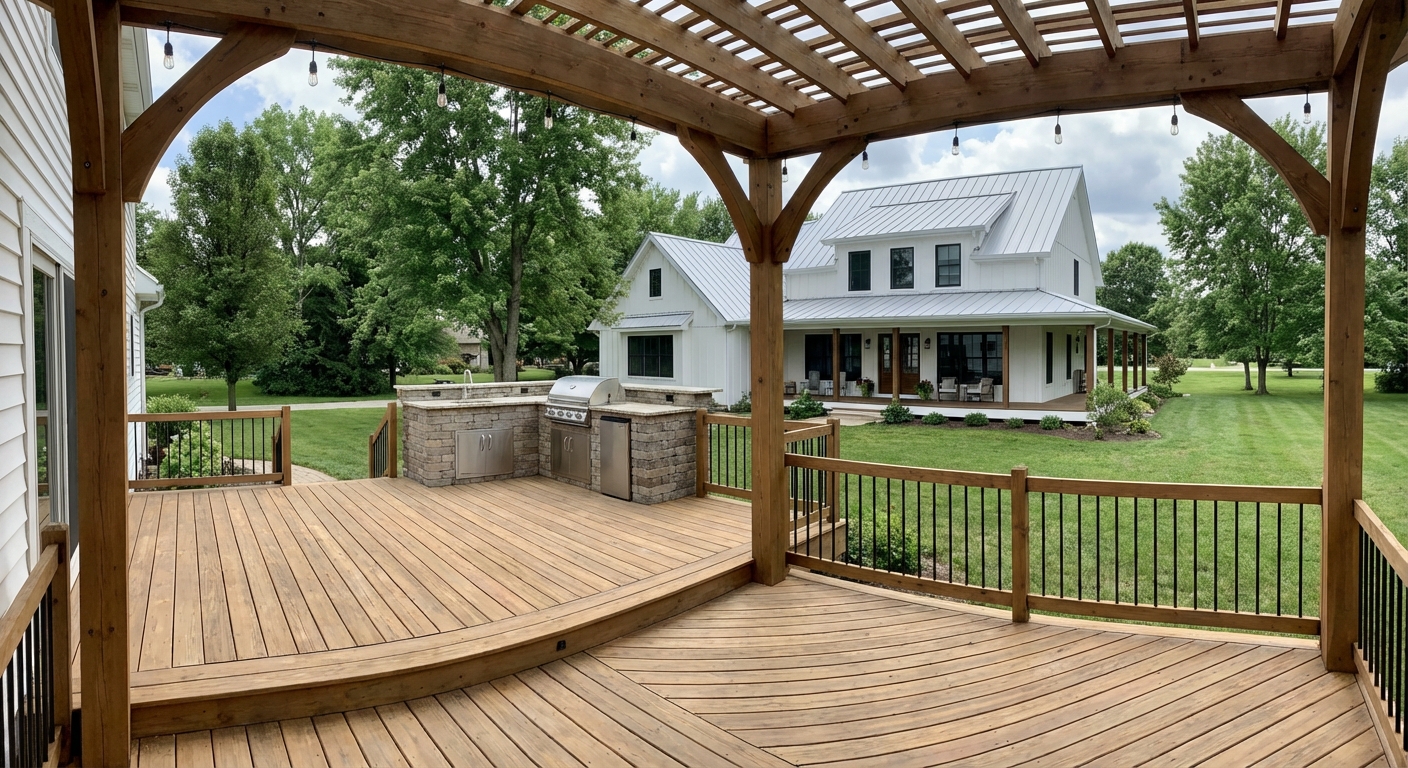
Are you an Indiana homeowner looking to build or renovate a deck? You're likely facing questions about the best materials for our humid summers and snowy winters, how to navigate local building codes, and what design styles will truly thrive in the Hoosier state. This guide provides actionable deck design ideas tailored to Indiana, covering everything from material selection to cost considerations and permit requirements.
<!-- slot:after-intro -->
Looking for more regional information? Check out our Indiana State Decking Hub.
Understanding Indiana's Climate & Its Impact on Deck Design
Indiana's humid continental climate presents unique challenges for deck construction. You'll experience hot, humid summers where temperatures can soar into the 80-90°F range, followed by cold, snowy winters. These temperature fluctuations, combined with significant precipitation, demand careful material selection and design considerations to ensure your deck's longevity.
🏗️ Planning a deck project?
Get a free manual project review, or visualize your dream deck with AI before requesting quotes.
Snow Loads: A Critical Factor
Don't underestimate the impact of snow! Northern Indiana, especially areas near Lake Michigan like South Bend and Gary, contend with heavy lake-effect snow. While Central and Southern Indiana receive less, a minimum snow load rating of 20-30 psf (pounds per square foot) is essential throughout the state. Your deck design *must* account for this weight to prevent structural issues.
Frost Line Depth: Protecting Your Foundation
Indiana's frost line depth, typically 30-36 inches, is crucial for deck footing placement. Footings must extend below this depth to prevent soil freezing and thawing from heaving the deck and causing damage. Ignoring this can lead to costly repairs down the line.
Material Selection for Indiana Weather
Choosing the right decking material is paramount. Here's a quick comparison:
| Material | Pros | Cons | Estimated Cost (per sq ft) | Maintenance Needs |
|-------------------|---------------------------------------------------------------------------------------------------|---------------------------------------------------------------------------------------------------|-----------------------------|-------------------------------------------------|
| Pressure-Treated | Most affordable, readily available | Prone to warping, cracking, and insect damage; requires regular staining | $15-30 | Annual cleaning, staining every 2-3 years |
| Composite (Trex/TimberTech) | Low-maintenance, durable, resistant to rot and insects, long lifespan | Higher upfront cost, can get hot in direct sunlight | $35-60 | Occasional cleaning |
| Cedar | Naturally beautiful, insect-resistant | Requires regular staining, softer wood more prone to scratches and dents than hardwoods or composite | $25-45 | Annual cleaning, staining every 2-3 years |
For Indiana's climate, composite decking is highly recommended due to its superior resistance to moisture, rot, and insect damage, minimizing long-term maintenance. While pressure-treated lumber is budget-friendly, be prepared for regular upkeep.
Deck Design Styles That Thrive in Indiana
Consider these popular deck design styles, adapted for Indiana homes:
Classic Rectangular Deck
A simple rectangular deck is a versatile option suitable for most homes. You can customize it with various railing styles, built-in benches, or planters. This design works well for smaller backyards in Indianapolis or more expansive properties in rural Indiana.
Multi-Level Deck
Ideal for sloping yards, multi-level decks create distinct zones for dining, lounging, and grilling. This design adds visual interest and maximizes usable space, particularly appealing in areas like Bloomington with varied terrain.
Wrap-Around Deck
Extending around multiple sides of your house, a wrap-around deck offers seamless indoor-outdoor living. This design is perfect for entertaining and enjoying panoramic views, especially popular for homes near the Ohio River in Evansville.
Screened-In Porch/Deck
A screened-in area is a game-changer in Indiana, providing protection from mosquitoes and other insects while allowing you to enjoy the outdoors. This is a highly sought-after feature due to Indiana's humid summers. Integrate it into your deck design for maximum comfort.
Deck with Fire Pit Zone
Create a cozy outdoor gathering space by incorporating a fire pit zone into your deck design. This feature extends your deck's usability into the cooler months, perfect for enjoying autumn evenings in Indiana. Ensure proper ventilation and adhere to local fire codes.
<!-- slot:mid-content -->
Navigating Indiana Deck Building Codes and Permits
Building codes are in place to ensure your deck is safe and structurally sound. Indiana follows the Indiana Residential Code (IRC) with state amendments. These codes cover everything from footing depth to railing height and stair construction.
Permit Requirements: A Must-Do
Most Indiana municipalities require building permits for decks that are:
- More than 30 inches above grade (ground level).
- Attached to the house.
Failing to obtain the necessary permits can result in fines, delays, and even forced demolition of your deck.
City-Specific Permit Information
- Indianapolis: Contact the Department of Business and Neighborhood Services for permit information and applications.
- Fort Wayne: Obtain permits through the Allen County Building Department.
- Other cities and counties: Check with your local building department for specific requirements.
Cost Considerations for Your Indiana Deck Project
Deck costs in Indiana vary depending on the materials you choose, the size and complexity of the design, and labor costs. Here's a general cost breakdown:
| Cost Factor | Estimated Cost |
|-----------------------|-------------------------------------------------------------|
| Materials (per sq ft) | Pressure-treated: $15-30, Composite: $35-60, Cedar: $25-45 |
| Labor (per sq ft) | $10-30 (depending on complexity) |
| Permits | $100-500 (depending on municipality) |
| Footings | $50-150 per footing |
| Railings | $20-50 per linear foot |
Remember to factor in these costs when planning your budget. A detailed breakdown can be found in Composite Deck Cost in Indiana: Complete Breakdown for 2026.
Use PaperPlan (paperplan.app) to visualize your deck with PaperPlan design with different materials and layouts before committing to a contractor. This can help you refine your vision and accurately estimate costs.
Practical Tips for Indiana Deck Design
- Prioritize Drainage: Ensure proper drainage to prevent water accumulation, which can lead to rot and damage, especially during Indiana's rainy seasons.
- Consider Sun Exposure: Account for sun exposure when planning your deck's orientation and shading options. Strategically placed pergolas or awnings can provide relief during hot summer days.
- Choose Durable Hardware: Use stainless steel or coated hardware to resist corrosion from moisture and de-icing salts.
- Plan for Maintenance: Develop a maintenance plan to protect your investment. Regular cleaning and staining (for wood decks) are crucial for preserving your deck's beauty and structural integrity.
- Consult with Professionals: Engage with experienced deck builders in Indiana to ensure your design meets local codes and withstands the elements. Best Deck Builders in Indianapolis: Find Trusted Contractors can help you find reputable contractors.
<!-- slot:before-faq -->
Building a deck in Indiana requires careful planning and attention to detail. By understanding the unique challenges posed by our climate, navigating local building codes, and choosing the right materials, you can create a beautiful and functional outdoor space that you'll enjoy for years to come.
<!-- slot:end -->
🎨 Not sure which material to pick?
Upload a photo of your backyard and see exactly how Trex, TimberTech, or cedar would look — free and instant.
Frequently Asked Questions
What is the best decking material for Indiana's climate?
Composite decking is generally considered the best option for Indiana due to its durability, low maintenance, and resistance to moisture, rot, and insects. While pressure-treated lumber is more affordable upfront, it requires significantly more maintenance. Best Decking Material for Indiana Weather: Humidity, Snow & Heat offers a deeper comparison.
How deep do deck footings need to be in Indiana?
Deck footings in Indiana should extend below the frost line, which is typically 30-36 inches deep. This prevents the ground from freezing and thawing, which can heave the deck and cause structural damage.
Do I need a permit to build a deck in Indianapolis?
Yes, you typically need a permit to build a deck in Indianapolis if it's more than 30 inches above grade or attached to your house. Contact the Department of Business and Neighborhood Services for specific requirements and application procedures. Do You Need a Deck Permit in Indiana? State Rules Explained provides more details.
How much does it cost to build a deck in Fort Wayne, Indiana?
The cost to build a deck in Fort Wayne varies depending on the materials, size, and complexity of the design. Pressure-treated decks typically range from $15-30 per square foot, while composite decks can cost $35-60 per square foot. Deck Cost in Fort Wayne, Indiana: What to Budget offers a comprehensive cost breakdown.
What are some popular deck features for Indiana homes?
Popular deck features in Indiana include screened-in areas to combat mosquitoes, built-in benches for seating, fire pit zones for cooler evenings, and pergolas or awnings for shade during hot summer days.
📋 Planning a deck project?
Get a free manual project review from our team — no obligation, no spam.
Get Free Project Review →Upload a backyard photo and preview real decking materials with AI — free, instant, no sign-up.
Permits, costs, material comparisons, and questions to ask before requesting quotes — delivered to your inbox.