
Best Decking Material for Indiana Weather: Humidity, Snow & Heat
Building a deck in Indiana? Discover the best decking materials that can withstand humidity, heavy snow, and fluctuating temperatures. Explore options and costs.
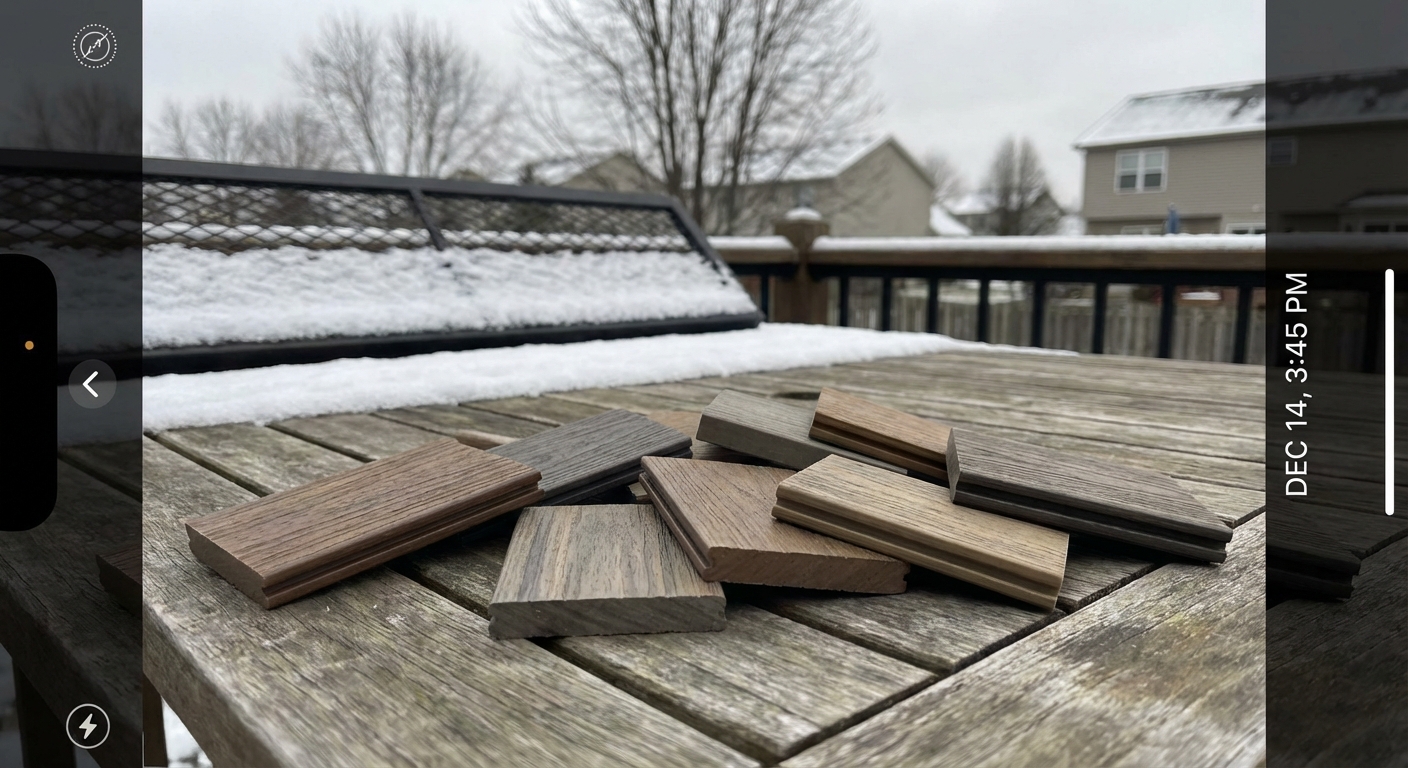
Are you planning to build or renovate a deck in Indiana? You're likely wondering which decking material will hold up best against the state's unique climate. Indiana's humid continental climate brings hot, humid summers and cold, snowy winters, presenting a challenge for outdoor structures. This guide helps you choose the right decking material for your Indiana home, considering factors like durability, cost, and maintenance.
🌳 Tool Alert: Material Comparison
PT vs Composite vs Cedar. Compare 25-year total cost of ownership including maintenance.
Compare Materials →<!-- slot:after-intro -->
Looking for more regional information? Check out our Indiana State Decking Hub.
Understanding Indiana's Decking Challenges
Indiana's weather throws a lot at your deck. From scorching summer days in Indianapolis to freezing winter nights in Fort Wayne, the constant expansion and contraction can wreak havoc on some materials. Key challenges include:
🏗️ Planning a deck project?
Get a free manual project review, or visualize your dream deck with AI before requesting quotes.
- Humidity: High humidity levels promote mold and mildew growth, especially on wood decks.
- Temperature Fluctuations: Drastic temperature swings cause materials to expand and contract, leading to cracks, warping, and loosening of fasteners.
- Snow Load: Northern Indiana, particularly areas near Lake Michigan like South Bend and Gary, experience heavy lake-effect snow. Central and Southern Indiana, including Bloomington and Evansville, also get significant snowfall.
- Freeze-Thaw Cycles: Water penetrates the deck surface, freezes, expands, and thaws, causing damage over time.
Indiana Snow Load Requirements
When designing your deck, you *must* account for snow load. In Indiana, this varies slightly by region, but a minimum of 20-30 pounds per square foot (psf) is generally required. In areas prone to heavy lake-effect snow, you might need to increase this. Always check with your local building department to confirm the specific requirements for your area.
Frost Line Depth
The frost line depth is the depth to which the ground freezes in winter. In Indiana, the frost line is typically 30-36 inches. Your deck footings must extend below this depth to prevent the deck from heaving due to frozen ground.
Top Decking Material Options for Indiana
Considering Indiana's climate, here are some of the most popular and durable decking material choices:
1. Pressure-Treated Lumber
Pressure-treated lumber is a budget-friendly option that's widely available. It's chemically treated to resist rot, decay, and insect infestation, making it suitable for ground contact and outdoor use.
- Pros: Affordable, readily available, easy to work with.
- Cons: Requires regular maintenance (cleaning, staining, sealing) to prevent warping and cracking. Can be prone to splintering. Doesn't offer the aesthetic appeal of other options.
- Cost: $15-30 per square foot installed.
- Lifespan: 10-15 years with proper maintenance.
2. Composite Decking
Composite decking is made from a blend of wood fibers and recycled plastic. It offers excellent durability and requires minimal maintenance. Brands like Trex and TimberTech are popular choices. Composite decking is highly recommended for longevity in the Indiana climate.
- Pros: Highly durable, resistant to rot, decay, and insects. Low maintenance (no staining or sealing required). Available in a variety of colors and styles.
- Cons: More expensive than pressure-treated lumber. Can get hot in direct sunlight.
- Cost: $35-60 per square foot installed.
- Lifespan: 25-30 years or more.
3. Cedar
Cedar is a naturally beautiful wood that's resistant to rot and insect infestation. It has a distinctive aroma and a warm, reddish-brown color.
- Pros: Naturally resistant to decay and insects. Aesthetically appealing.
- Cons: Requires regular staining or sealing to maintain its appearance and prevent weathering. Softer than some other wood options, making it more prone to scratches and dents.
- Cost: $25-45 per square foot installed.
- Lifespan: 15-20 years with proper maintenance.
4. Exotic Hardwoods (Ipe, Mahogany)
Exotic hardwoods like Ipe and Mahogany are incredibly dense and durable. They offer exceptional resistance to rot, decay, and insects.
- Pros: Extremely durable and long-lasting. Beautiful natural appearance.
- Cons: Very expensive. Difficult to work with. Requires specialized fasteners.
- Cost: $40-70+ per square foot installed.
- Lifespan: 50+ years.
5. PVC Decking
PVC decking is made entirely of plastic. It's highly resistant to moisture, making it a good choice for areas with high humidity.
- Pros: Very low maintenance, resistant to moisture and insects.
- Cons: Can look and feel less natural than wood or composite decking. Can be more expensive than some composite options.
- Cost: $40-65 per square foot installed.
- Lifespan: 25-30 years or more.
Cost Comparison Table
Here's a quick comparison of the average costs of different decking materials in Indiana:
| Material | Cost per Square Foot (Installed) | Lifespan (Years) | Maintenance |
| -------------------- | -------------------------------- | ---------------- | ------------------ |
| Pressure-Treated | $15-30 | 10-15 | High (Staining) |
| Composite | $35-60 | 25-30+ | Low |
| Cedar | $25-45 | 15-20 | Medium (Staining) |
| Exotic Hardwoods | $40-70+ | 50+ | Low |
| PVC | $40-65 | 25-30+ | Low |
<!-- slot:mid-content -->
Deck Design Considerations for Indiana Homes
Beyond material selection, consider these design elements to enhance your Indiana deck:
- Screened-in areas: Combat Indiana's humidity and mosquito population with a screened-in porch or section of your deck.
- Built-in benches: Maximize seating and create a comfortable outdoor living space.
- Fire pit zones: Extend your deck's usability into the cooler months with a designated fire pit area. Ensure proper ventilation and fire safety precautions.
- Multi-level decks: Create visual interest and separate functional zones with a multi-level design.
Permits and Building Codes in Indiana
Building a deck in Indiana often requires a permit. The specific requirements vary by city and county. Generally, permits are needed for decks that are:
- More than 30 inches above grade (ground level).
- Attached to the house.
Indianapolis Deck Permits
In Indianapolis, you'll need to obtain a permit from the Department of Business and Neighborhood Services.
Fort Wayne Deck Permits
In Fort Wayne and Allen County, permits are handled through the Allen County Building Department.
Indiana Residential Code
Indiana's building code is based on the International Residential Code (IRC) with state amendments. Ensure your deck design complies with these codes to avoid issues during inspection.
Finding Local Regulations
Always check with your local building department *before* starting construction to ensure you comply with all applicable regulations. This will save you time, money, and potential headaches down the road.
Choosing the Right Decking Contractor
Selecting the right contractor is just as important as choosing the right material. Look for a contractor with:
- Experience: Has experience building decks in Indiana and is familiar with local building codes and regulations.
- Insurance and Licensing: Is properly insured and licensed to operate in your area.
- References: Can provide references from previous clients.
- Clear Communication: Communicates clearly and provides a detailed contract outlining the scope of work, materials, and payment schedule.
Use PaperPlan (paperplan.app) to visualize your deck with PaperPlan design with different materials and layouts before committing to a contractor. This can help you communicate your vision and ensure everyone is on the same page.
<!-- slot:before-faq -->
Ultimately, the best decking material for your Indiana home depends on your budget, lifestyle, and aesthetic preferences. Consider the pros and cons of each option carefully and choose the material that best suits your needs and withstands the challenges of Indiana's climate.
<!-- slot:end -->
🎨 Not sure which material to pick?
Upload a photo of your backyard and see exactly how Trex, TimberTech, or cedar would look — free and instant.
Frequently Asked Questions
What is the most durable decking material for Indiana's climate?
Composite decking is generally considered the most durable option for Indiana's climate due to its resistance to moisture, rot, decay, and insects. While more expensive upfront, its longevity and low maintenance requirements make it a cost-effective choice in the long run.
How often do I need to stain a wood deck in Indiana?
Due to Indiana's harsh freeze-thaw cycles, you should plan to stain or seal your wood deck every 1-2 years to protect it from the elements. Regular maintenance is crucial to prevent warping, cracking, and rot.
How deep should deck footings be in Indiana?
Deck footings in Indiana should extend below the frost line, which is typically 30-36 inches deep. This prevents the deck from heaving due to frozen ground.
Do I need a permit to build a deck in Indiana?
Most Indiana municipalities require permits for decks over 30 inches above grade or attached to the house. Always check with your local building department to confirm the specific requirements for your area. Refer to "Do You Need a Deck Permit in Indiana? State Rules Explained" for more information.
Is composite decking worth the cost in Indiana?
While composite decking has a higher upfront cost, its durability, low maintenance, and long lifespan often make it a worthwhile investment for Indiana homeowners. Explore "Composite [Deck Cost in Indiana: Complete Breakdown for 2026](/decks/blog/composite-deck-cost-indiana)" to help you budget.
📋 Planning a deck project?
Get a free manual project review from our team — no obligation, no spam.
Get Free Project Review →Upload a backyard photo and preview real decking materials with AI — free, instant, no sign-up.
Permits, costs, material comparisons, and questions to ask before requesting quotes — delivered to your inbox.