
Do You Need a Deck Permit in Indiana? State Rules Explained
Building a deck in Indiana? Learn if you need a permit, understand local regulations, and avoid costly fines. Indianapolis, Fort Wayne, and statewide rules covered.
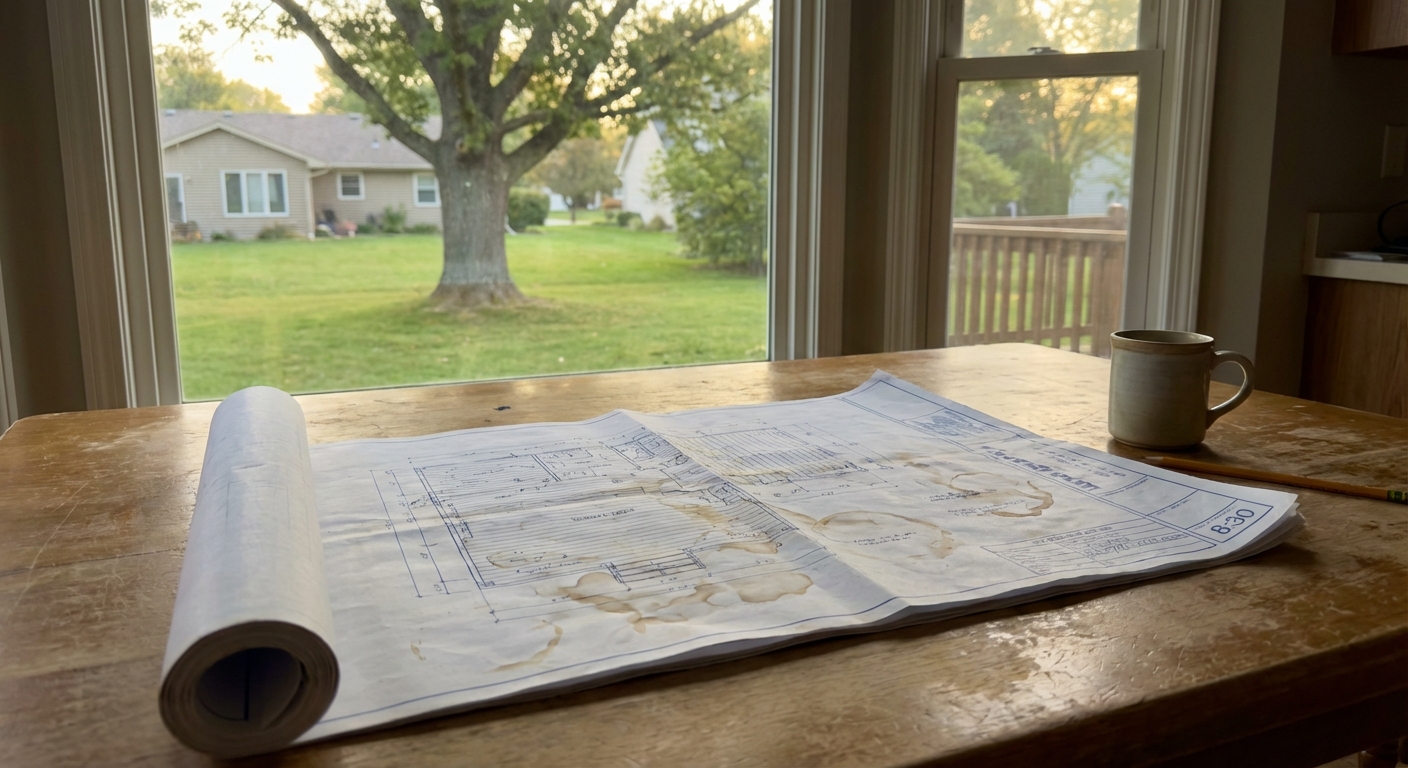
Building a new deck or renovating an existing one in Indiana? One of the first questions on your mind should be: Do I need a permit? The answer isn't always straightforward and depends on where you live and the specifics of your project. Ignoring permit requirements can lead to fines, project delays, and even having to tear down your hard work. This guide will walk you through Indiana's deck permit requirements, covering everything from state guidelines to local city ordinances.
📋 Tool Alert: Permit Checker
Do you really need a permit? Check the exact rules for your city or township.
Check Permits →<!-- slot:after-intro -->
Looking for more regional information? Check out our Indiana State Decking Hub.
Understanding Indiana's Deck Permit Landscape
Indiana doesn't have a statewide building code enforcement agency like some other states. Instead, building codes and permit requirements are managed at the city and county level. This means the rules in Indianapolis might differ slightly from those in Fort Wayne, Bloomington, or Evansville.
🏗️ Planning a deck project?
Get a free manual project review, or visualize your dream deck with AI before requesting quotes.
Generally, most Indiana municipalities require a permit for decks that:
- Are more than 30 inches above grade (ground level).
- Are attached to the house.
- Have a roof or other overhead structure.
Even if your deck doesn't meet these criteria, it's always best to check with your local building department to confirm. It's far better to be safe than sorry!
Why are Deck Permits Required?
Permits exist to ensure your deck is built safely and complies with building codes. This protects you, your family, and future homeowners. Inspections during the building process verify that your deck meets structural requirements, preventing potential collapses or other hazards. In Indiana, with its humid continental climate, proper construction is especially critical.
Indiana's Climate and Its Impact on Deck Building
Indiana experiences hot, humid summers and cold, snowy winters, creating a challenging environment for outdoor structures. The state's humid continental climate means your deck will be subjected to significant temperature fluctuations and moisture. This is why proper construction and materials are crucial.
- Snow Loads: Northern Indiana, particularly cities like South Bend and Gary, are prone to heavy lake-effect snow. This means your deck needs to be designed to withstand significant snow loads. Even in Central and Southern Indiana, decks need to be able to handle at least 20-30 psf (pounds per square foot) of snow.
- Freeze-Thaw Cycles: The constant freezing and thawing can wreak havoc on wood decks, causing them to crack, warp, and rot. Choosing the right materials and applying a protective stain regularly is essential for wood decks. Composite decking is highly recommended for longevity and minimal maintenance in the Indiana climate.
- Frost Line: In Indiana, the frost line depth is typically 30-36 inches. This is the depth to which the ground freezes in winter. Your deck footings must extend below this line to prevent frost heave, which can lift and damage your deck.
Use PaperPlan (paperplan.app) to visualize your deck with PaperPlan design with different materials and layouts before committing to a contractor. Experiment with composite decking to see how it holds up to Indiana's weather.
Navigating Local Permit Requirements in Indiana
Let's look at permit requirements in some of Indiana's major cities:
Indianapolis Deck Permits
In Indianapolis, deck permits are handled by the Department of Business and Neighborhood Services (BNS). You'll need to submit a permit application, construction drawings, and site plan to BNS for review. The application will require details about your deck's size, height, materials, and location on your property. Be prepared to show that the deck meets all applicable zoning regulations and building codes.
Fort Wayne Deck Permits
In Fort Wayne, deck permits are obtained through the Allen County Building Department. Similar to Indianapolis, you'll need to submit detailed plans and documentation. Fort Wayne and Allen County are very strict with snow load requirements. Make sure your plans clearly indicate that your deck is designed to withstand the area's specific snow load requirements.
Bloomington and Other Indiana Cities
While Indianapolis and Fort Wayne have large building departments, smaller cities and towns in Indiana still require permits for decks meeting the criteria mentioned earlier (over 30 inches high or attached to the house). Contact your local city hall or building inspector's office to confirm their specific requirements. They can provide you with the necessary forms and information.
<!-- slot:mid-content -->
Indiana Residential Code (IRC)
Indiana's building code is based on the International Residential Code (IRC) with some state-specific amendments. The IRC provides detailed guidelines for deck construction, including:
- Footing Size and Depth: The IRC specifies the minimum size and depth of footings based on soil conditions and deck size. Remember the 30-36 inch frost line in Indiana.
- Joist and Beam Sizing: The IRC provides tables for determining the appropriate size of joists and beams based on span and load.
- Guardrail Requirements: Decks more than 30 inches above grade require guardrails that are at least 36 inches high. The IRC also specifies requirements for spacing between balusters to prevent children from falling through.
- Stair Requirements: If your deck has stairs, they must meet specific requirements for rise, run, and handrails.
It's crucial to familiarize yourself with the IRC and any local amendments to ensure your deck complies with all applicable regulations.
Deck Costs in Indiana: Materials and Labor
Building a deck in Indiana can range in cost depending on the materials you choose, the size of your deck, and whether you hire a professional contractor. Here's a general cost breakdown:
| Material | Cost per Square Foot | Notes |
| ------------------ | --------------------- | ---------------------------------------------------------------------------------------------------- |
| Pressure-Treated Wood | $15 - $30 | Most affordable option; requires regular maintenance (staining) |
| Composite (Trex/TimberTech) | $35 - $60 | More expensive upfront but requires less maintenance and lasts longer; ideal for Indiana climate |
| Cedar | $25 - $45 | Natural wood with good weather resistance; requires some maintenance |
These prices are estimates and can vary depending on the quality of the materials and the contractor you hire. Labor costs can add another $5-$15 per square foot, depending on the complexity of the project.
For example, a 200 square foot pressure-treated wood deck might cost between $3,000 and $6,000, while a composite deck of the same size could cost between $7,000 and $12,000.
Consider exploring different deck design ideas for Indiana homes to find styles that maximize your budget.
Popular Deck Features for Indiana Homes
Indiana homeowners often incorporate specific features into their decks to enhance their usability and enjoyment of the outdoor space. Some popular features include:
- Screened-In Areas: Due to Indiana's humid summers and mosquito population, screened-in areas are a popular choice for creating a comfortable outdoor living space.
- Built-In Benches: Built-in benches provide seating and can also add to the aesthetic appeal of your deck.
- Fire Pit Zones: Creating a designated fire pit zone allows you to enjoy your deck year-round, even on chilly evenings. Ensure you follow local fire codes and maintain a safe distance between the fire pit and combustible materials.
Deck Maintenance in Indiana
Regular maintenance is essential for keeping your deck in good condition and extending its lifespan. For wood decks, this includes:
- Cleaning: Clean your deck regularly with a deck cleaner to remove dirt, mildew, and algae.
- Staining: Apply a high-quality deck stain every 1-3 years to protect the wood from moisture and UV damage. Choose a stain that is specifically formulated for your type of wood and the Indiana climate.
- Sealing: Consider sealing your deck to further protect it from water damage.
Composite decks require less maintenance than wood decks, but you should still clean them regularly to remove dirt and debris.
<!-- slot:before-faq -->
Choosing the best decking material for Indiana weather can make a huge difference in long-term maintenance costs.
🎨 Not sure which material to pick?
Upload a photo of your backyard and see exactly how Trex, TimberTech, or cedar would look — free and instant.
Frequently Asked Questions
Do I need a permit to replace deck boards in Indiana?
Generally, if you're only replacing deck boards and not altering the structure of the deck (footings, joists, beams), you likely don't need a permit. However, it's always best to check with your local building department to confirm, especially if you're planning to use a different type of decking material than the original.
What happens if I build a deck without a permit in Indiana?
Building a deck without a required permit can result in fines, stop-work orders, and even having to tear down the deck. The local building department may also require you to obtain a permit retroactively, which can be more expensive and time-consuming than getting a permit before you start construction.
How long does it take to get a deck permit in Indiana?
The time it takes to get a deck permit can vary depending on the city or county and the complexity of your project. It can take anywhere from a few days to several weeks. Check with your local building department for their estimated processing time.
What documents do I need to apply for a deck permit in Indiana?
Typically, you'll need to submit the following documents with your permit application:
- Permit application form
- Site plan showing the location of the deck on your property
- Construction drawings detailing the deck's structure, including footings, joists, beams, and railings
- Materials list
Are there any deck design restrictions in Indiana?
Yes, there may be zoning regulations that restrict the size, height, or location of your deck. These regulations can vary depending on your city or county. Check with your local planning department for specific information about zoning regulations in your area. You may also be subject to HOA restrictions.
<!-- slot:end -->
Remember to consult with a qualified deck builder in Indianapolis or your local area for expert advice on deck construction and permit requirements.
Internal Links:
- Best Deck Builders in Indianapolis: Find Trusted Contractors
- Best Decking Material for Indiana Weather: Humidity, Snow & Heat
- Deck Cost in Fort Wayne, Indiana: What to Budget
📋 Planning a deck project?
Get a free manual project review from our team — no obligation, no spam.
Get Free Project Review →Upload a backyard photo and preview real decking materials with AI — free, instant, no sign-up.
Permits, costs, material comparisons, and questions to ask before requesting quotes — delivered to your inbox.