
Deck Staining Tips for Indiana Weather: Timing & Products
Keep your deck protected! Learn the best time to stain your deck in Indiana, which stains hold up, and how to prep for lasting results.
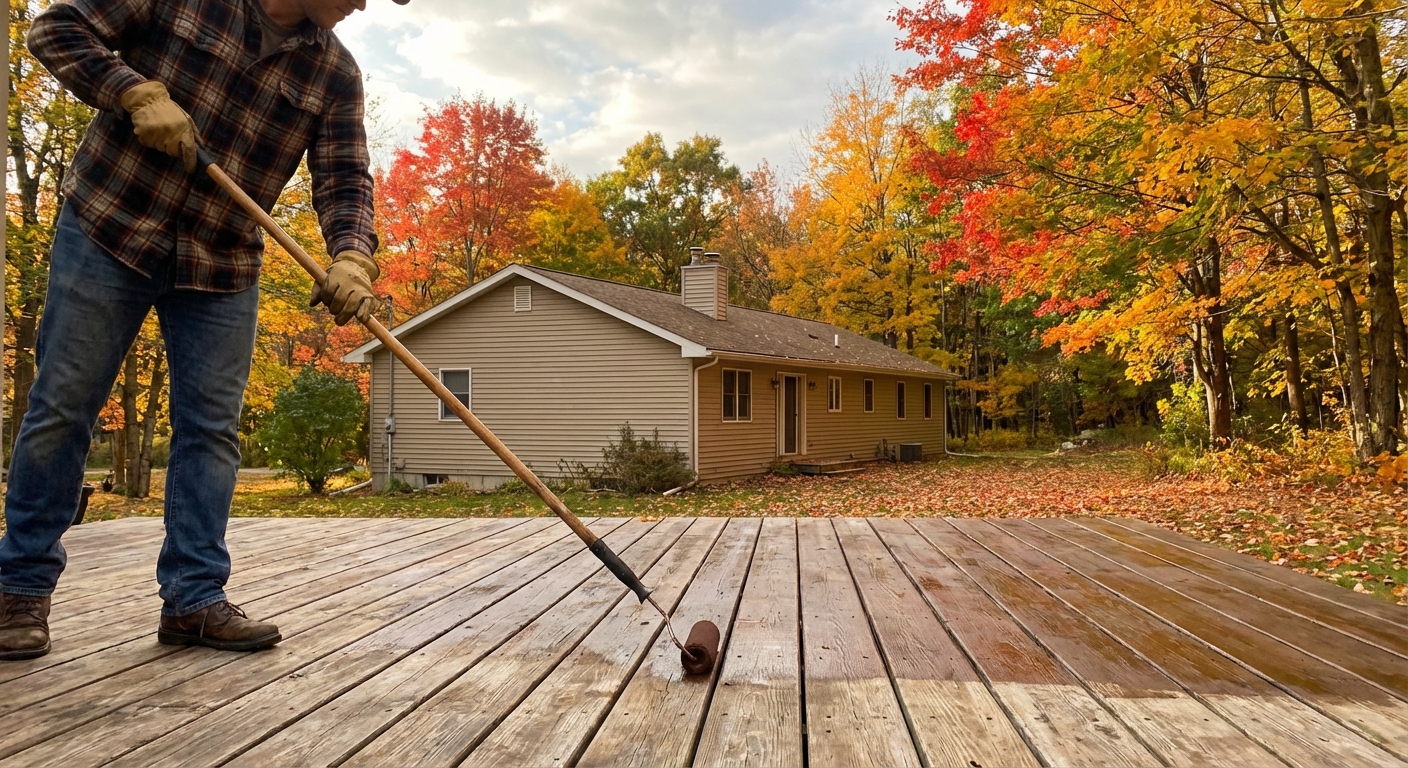
Are you struggling to keep your Indiana deck looking its best? The combination of hot, humid summers and freezing, snowy winters can wreak havoc on wood. Knowing when and how to properly stain your deck is crucial for protecting your investment and extending its lifespan. This guide provides Indiana-specific advice on timing, product selection, and preparation so you can achieve a beautiful and durable finish.
📐 Tool Alert: Deck Stair Calculator
Calculate rise, run, and stringer cuts while ensuring IRC/OBC code compliance.
Calculate Stairs →Understanding Indiana's Climate and Its Impact on Decks
Looking for more regional information? Check out our Indiana State Decking Hub.
🏗️ Planning a deck project?
Get a free manual project review, or visualize your dream deck with AI before requesting quotes.
Indiana's climate presents unique challenges for deck owners. Hot, humid summers, with temperatures often reaching between 85-92°F, encourage mold and mildew growth. Cold winters, with significant snowfall and temperatures frequently below freezing, lead to expansion and contraction of wood, causing cracks and splinters. The repeated freeze-thaw cycles are especially damaging, particularly if your deck's concrete footings aren't below the frost line. In southern Indiana (Evansville, Bloomington), the frost line is around 30 inches, while in northern Indiana (South Bend, Fort Wayne) closer to the Michigan border, it's closer to 36 inches.
Furthermore, Indiana experiences a tornado season typically from April to June. If your deck is in an exposed area, consider using wind-rated connectors during construction to enhance its resilience.
Regional Climate Variations
- Indianapolis/Central Indiana: Experiences a typical Midwestern climate with distinct seasons.
- Fort Wayne/Northeast Indiana: Colder winters compared to southern Indiana.
- Evansville/Southwest Indiana: Milder winters due to the Ohio River influence. Termite pressure is also higher in this region.
- South Bend/Michiana: Lake-effect snow results in heavier snowfall and colder temperatures.
- Bloomington/Southern Indiana: Warmer temperatures and higher termite risk.
<!-- slot:after-intro -->
Best Time to Stain Your Deck in Indiana
The ideal time to stain your deck in Indiana is during the spring or fall, specifically April-June or September-October. Aim for a period of several days with consistent weather conditions:
- Temperature: Between 50°F and 90°F. This allows the stain to properly penetrate the wood.
- Dry Weather: Avoid staining if rain is expected within 24-48 hours after application. Moisture can prevent the stain from adhering correctly and lead to blistering or peeling.
- Humidity: Low to moderate humidity is preferred. High humidity can slow down the drying process.
Avoid staining during the heat of summer or when temperatures are consistently below freezing in the winter.
Choosing the Right Deck Stain for Indiana Weather
Selecting the right stain is essential for protecting your deck from Indiana's harsh weather conditions. Consider these factors:
- Type of Wood: Different types of wood require different stains. Pressure-treated lumber, commonly used for decks in Indiana due to its affordability ($20-38/sqft installed), benefits from oil-based stains that penetrate the wood. Cedar ($28-48/sqft installed) and composite decking ($38-65/sqft installed) may require specific stains designed for those materials. Trex decking installation can range from $42-72/sqft.
- Type of Stain:
* Oil-based Stains: Offer better penetration and water repellency, making them a good choice for protecting against Indiana's wet weather. They also tend to be more resistant to fading from the sun.
* Water-based Stains: Easier to clean up and have lower VOCs (volatile organic compounds). They are a decent choice for decks in shaded areas but may not offer the same level of protection as oil-based stains in sunny locations.
* Clear Sealers: Offer minimal protection against UV damage and are best used to enhance the natural look of the wood if you're diligent about re-application.
* Semi-Transparent Stains: Allow some of the wood grain to show through while providing color and protection. A good balance between aesthetics and durability.
* Solid Stains: Offer the most protection and completely cover the wood grain. Resemble paint and are a good option for older decks with imperfections.
- UV Protection: Choose a stain with UV inhibitors to prevent fading and discoloration from the sun. This is especially important for decks in sunny locations.
- Mold and Mildew Resistance: Select a stain with added fungicides to prevent mold and mildew growth, particularly in humid areas.
Popular Stain Brands for Indiana Decks
- Thompson's WaterSeal: Widely available and affordable, but may require more frequent reapplication.
- Sherwin-Williams Deckscapes: Offers a range of high-quality stains with excellent UV protection and durability.
- Benjamin Moore Arborcoat: A premium stain known for its long-lasting color and water repellency.
- Ready Seal: An oil-based stain that is easy to apply and offers good penetration.
Preparing Your Deck for Staining: A Step-by-Step Guide
Proper preparation is just as important as choosing the right stain. Follow these steps to ensure a successful staining project:
1. Inspect the Deck: Check for any damaged or rotting boards. Replace them as needed.
2. Clean the Deck: Remove all furniture, plants, and debris from the deck. Use a stiff brush or broom to sweep away loose dirt and leaves.
3. Wash the Deck: Use a deck cleaner and a pressure washer (set to a low setting to avoid damaging the wood) to remove dirt, mildew, and old stain. In areas like Evansville and Bloomington with higher termite pressure, inspect closely for signs of termite damage during the cleaning process.
4. Brighten the Wood (Optional): Apply a wood brightener to restore the wood's natural color and open the pores for better stain penetration.
5. Sand the Deck (If Necessary): Sand rough areas or remove peeling stain. Use a palm sander for smaller areas and a floor sander for larger decks.
6. Allow the Deck to Dry: Let the deck dry completely for at least 24-48 hours before staining. The wood should have a moisture content of less than 15%. You can use a moisture meter to check this.
Deck Permit Considerations
Remember that many Indiana cities and suburbs require permits for decks over 30 inches above grade or attached to a dwelling. Indianapolis, specifically Marion County, has a unified city-county government (IndyDPS) that handles permits. Suburbs like Carmel, Fishers, Westfield, and Zionsville each have their own requirements and design standards often dictated by strict HOAs. Permit costs typically range from $50-350 depending on the municipality. Many rural townships have no permit requirements. Use PaperPlan (paperplan.app) to visualize your deck with PaperPlan design with different materials and layouts before committing to a contractor, which can help with HOA approvals.
<!-- slot:mid-content -->
The Staining Process: Applying the Stain for Optimal Results
Once your deck is clean and dry, you're ready to apply the stain:
1. Choose the Right Tools: Use a high-quality brush, roller, or sprayer designed for applying stain. A brush is best for detailed work and ensuring even coverage.
2. Test the Stain: Before staining the entire deck, test the stain in an inconspicuous area to ensure you like the color and finish.
3. Apply the Stain: Apply the stain in thin, even coats, following the manufacturer's instructions. Work in the direction of the wood grain.
4. Avoid Overlapping: Prevent overlapping stain, which can result in an uneven finish.
5. Wipe Off Excess Stain: After applying the stain, use a clean rag to wipe off any excess stain. This will prevent the stain from becoming sticky or tacky.
6. Allow the Stain to Dry: Let the stain dry completely for at least 24-48 hours before using the deck.
Additional Tips for Staining
- Work in Sections: Divide your deck into manageable sections and stain one section at a time.
- Start Early in the Day: Begin staining early in the day to allow ample time for the stain to dry before nightfall.
- Wear Protective Gear: Wear gloves, safety glasses, and a mask to protect yourself from the stain and fumes.
- Proper Ventilation: Ensure proper ventilation when staining indoors or in enclosed spaces.
- Dispose of Rags Properly: Oily rags can spontaneously combust. Soak them in water and dispose of them in a metal container.
Maintaining Your Stained Deck in Indiana
Regular maintenance will help extend the life of your stained deck:
- Clean the Deck Regularly: Sweep or blow off debris regularly to prevent dirt and leaves from accumulating.
- Wash the Deck Annually: Wash the deck annually with a deck cleaner to remove dirt, mildew, and stains.
- Reapply Stain as Needed: Reapply stain every 2-3 years, or as needed, to maintain protection and color. Inspect your deck each spring for signs of wear and tear, especially after the harsh winter months.
Cost Considerations for Deck Projects
Indiana offers very affordable construction costs compared to other Midwestern states. Here's a cost breakdown:
| Material | Cost per Square Foot (Installed) |
| ------------------ | -------------------------------- |
| Pressure-Treated | $20-38 |
| Composite | $38-65 |
| Cedar | $28-48 |
| Trex | $42-72 |
Remember to factor in the cost of stain, cleaning supplies, and tools when budgeting for your deck project.
<!-- slot:before-faq -->
Taking the time to properly stain and maintain your deck will not only enhance its appearance but also protect it from the elements and extend its lifespan. By following these Indiana-specific tips, you can ensure that your deck remains a beautiful and functional outdoor space for years to come.
<!-- slot:end -->
🎨 Not sure which material to pick?
Upload a photo of your backyard and see exactly how Trex, TimberTech, or cedar would look — free and instant.
Frequently Asked Questions
How often should I restain my deck in Indiana?
The frequency of restaining depends on the type of stain you use, the amount of sun exposure your deck receives, and the severity of the weather conditions. As a general rule, you should restain your deck every 2-3 years. However, if you notice the stain fading, peeling, or showing signs of wear and tear, you may need to restain it more frequently.
What is the best type of stain for a pressure-treated deck in Indiana?
Oil-based stains are generally considered the best choice for pressure-treated decks in Indiana. They penetrate the wood better than water-based stains and offer superior water repellency, which is essential for protecting against Indiana's wet weather.
How do I prevent mold and mildew from growing on my deck?
To prevent mold and mildew growth, choose a stain with added fungicides. Also, ensure that your deck is properly cleaned and maintained. Regularly remove debris and wash the deck annually with a deck cleaner. Indiana Deck Maintenance by Season: Year-Round Care Guide provides a good maintenance schedule.
Do I need a permit to stain my deck in Indiana?
You typically do not need a permit to stain your deck. However, if you are making any structural changes to your deck, such as replacing boards or adding railings, you may need a permit. Check with your local building department to confirm the requirements in your area. Remember that Indianapolis suburbs (Carmel, Fishers, Westfield, Zionsville) have strict HOA requirements that might impact your stain color choices.
What can I do to protect my deck from freeze-thaw cycles?
Ensure your deck footings are below the frost line (30 inches in southern Indiana, 36 inches in northern Indiana). Apply a water-repellent stain to prevent water from penetrating the wood and freezing. Regularly inspect your deck for cracks and splinters and repair them promptly. Read more in Protecting Your Indiana Deck from Freeze-Thaw Cycles & Storms.
📋 Planning a deck project?
Get a free manual project review from our team — no obligation, no spam.
Get Free Project Review →Upload a backyard photo and preview real decking materials with AI — free, instant, no sign-up.
Permits, costs, material comparisons, and questions to ask before requesting quotes — delivered to your inbox.