
Indiana Deck Maintenance by Season: Year-Round Care Guide
Keep your Indiana deck in top shape! This guide covers seasonal maintenance tips, cleaning, repairs, and protection from harsh weather.
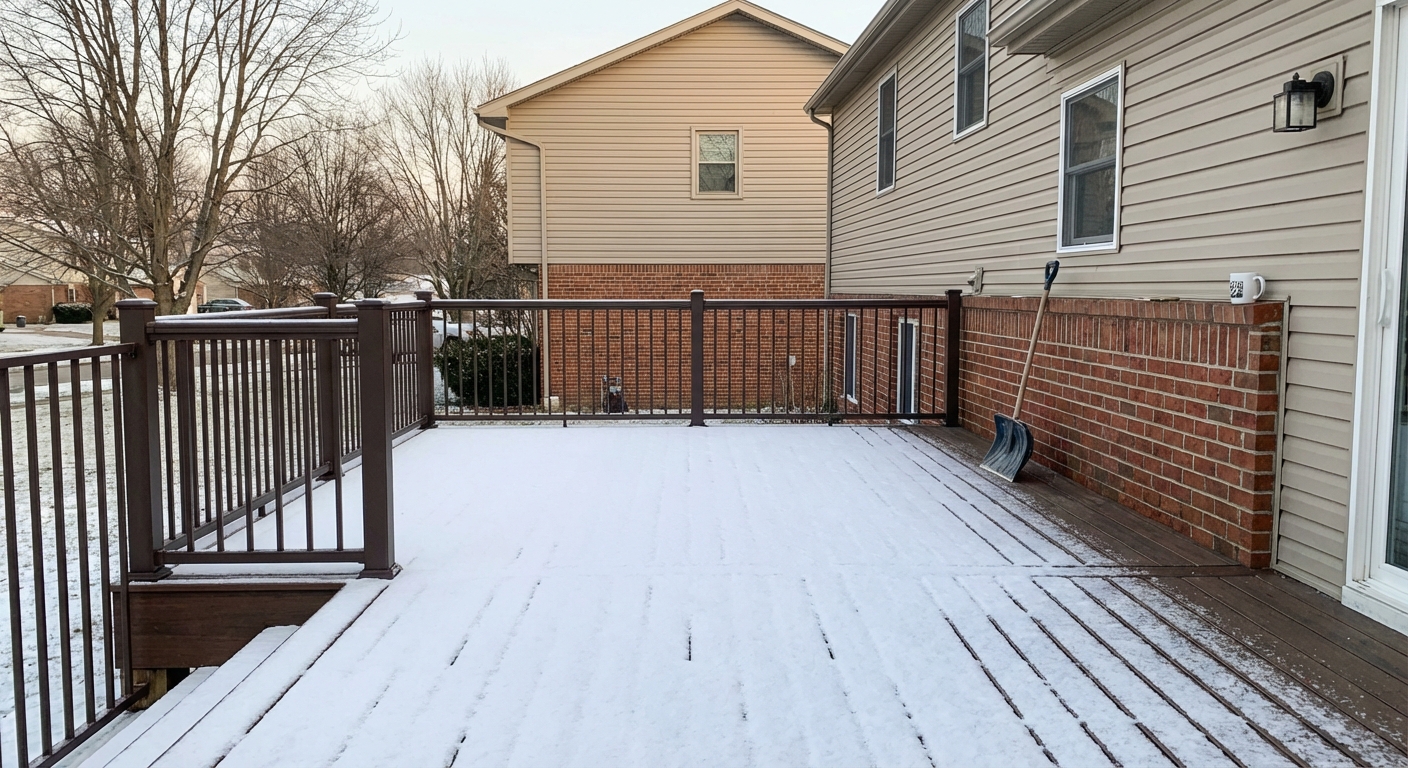
Maintaining your deck in Indiana's varied climate is crucial for its longevity and safety. From hot, humid summers to cold, snowy winters, your deck endures a lot. This guide breaks down the essential maintenance tasks you should perform throughout the year to protect your investment and keep it looking its best. And remember, Indiana boasts some of the most affordable construction costs in the Midwest, so a well-maintained deck offers exceptional value for years to come.
📅 Tool Alert: Maintenance Planner
Get a custom seasonal maintenance schedule to protect your investment for decades.
Plan Maintenance →Spring: Post-Winter Inspection and Cleaning
Looking for more regional information? Check out our Indiana State Decking Hub.
🏗️ Planning a deck project?
Get a free manual project review, or visualize your dream deck with AI before requesting quotes.
Spring is the perfect time to assess any damage your deck sustained during the winter months. The freeze-thaw cycles in Indiana can be particularly harsh, especially in areas like South Bend and Michiana that experience lake-effect snow.
Inspecting for Damage
Carefully examine your deck for these common issues:
- Cracked or loose boards: Pay close attention to areas exposed to direct sunlight and moisture.
- Loose railings: Ensure all railings are secure and stable, especially important for safety.
- Damaged or cracked concrete footings: Indiana's frost line ranges from 30 inches in southern Indiana (Evansville, Bloomington) to 36 inches in northern Indiana. Make sure your footings were installed below this depth to prevent cracking from freeze-thaw cycles.
- Signs of rot or insect infestation: Probe suspect areas with a screwdriver to check for soft spots. Termite pressure is moderate to high in southern Indiana, so be vigilant.
- Loose or popped nails/screws: Replace or re-secure any loose fasteners.
- Water stains or discoloration: These can indicate areas where water is pooling and potentially causing damage.
Cleaning Your Deck
Once you've inspected for damage, it's time to clean your deck.
1. Sweep away debris: Remove leaves, dirt, and other accumulated debris.
2. Wash with deck cleaner: Use a cleaner specifically designed for your deck material (pressure-treated, composite, cedar, etc.). Follow the manufacturer's instructions carefully. A stiff-bristled brush is helpful for scrubbing.
3. Rinse thoroughly: Use a garden hose with a nozzle to rinse away all traces of cleaner. Avoid using a pressure washer on high, as it can damage the wood.
Making Minor Repairs
Address any minor repairs you identified during your inspection. This might include replacing a few damaged boards, tightening loose railings, or replacing popped nails/screws.
<!-- slot:after-intro -->
Summer: Protection from Sun and Heat
Indiana summers can be hot and humid, with temperatures often reaching into the 85-92°F range. The intense sun and humidity can fade and damage your deck.
Staining or Sealing
If you haven't stained or sealed your deck in the past year or two, summer is a good time to do so, especially after a thorough spring cleaning. Choose a stain or sealant that is specifically designed for outdoor use and offers UV protection. Consider Deck Staining Tips for Indiana Weather: Timing & Products for specific product recommendations.
- Pressure-treated decks: Typically require a year to dry out before staining or sealing.
- Cedar decks: Benefit from staining or sealing to protect against fading and weathering.
- Composite decks: May not require staining or sealing, but cleaning is essential.
Regular Cleaning
Continue to sweep your deck regularly to remove debris and prevent buildup. Clean up spills immediately to prevent staining.
Checking for Insect Activity
Monitor your deck for signs of insect activity, especially termites and carpenter bees. Treat any infestations promptly to prevent further damage.
Autumn: Preparing for Winter
Autumn is the time to prepare your deck for the upcoming winter. This involves cleaning, making repairs, and taking steps to protect it from snow, ice, and freeze-thaw cycles.
Final Cleaning
Give your deck one last thorough cleaning before winter sets in. This will remove any accumulated debris and prevent mold and mildew growth.
Inspecting and Repairing
Conduct another thorough inspection, paying close attention to areas that may have been damaged during the summer. Make any necessary repairs before the weather turns cold.
Protecting from Snow and Ice
Consider these options for protecting your deck from snow and ice:
- Applying a water-repellent sealant: This will help prevent water from penetrating the wood and causing damage during freeze-thaw cycles.
- Removing snow regularly: Use a plastic shovel to avoid damaging the deck surface.
- Avoiding de-icing salts: Salts can damage wood and concrete. Use sand or kitty litter instead.
Winter: Minimizing Damage
Winter in Indiana brings cold temperatures, snow, and ice. While you can't completely prevent winter damage, you can take steps to minimize it.
Removing Snow Carefully
Continue to remove snow regularly, using a plastic shovel. Be careful not to damage the deck surface.
Avoiding Ice Buildup
Try to prevent ice from building up on your deck. Use sand or kitty litter to provide traction on icy surfaces. Avoid using de-icing salts.
Monitoring for Damage
Keep an eye on your deck for any signs of damage, such as cracks, loose boards, or water stains. Address any issues as soon as possible to prevent them from worsening.
<!-- slot:mid-content -->
Understanding Indiana Deck Costs and Regulations
Before you start building or extensively repairing your deck, it's important to understand the costs and regulations in Indiana.
Deck Material Costs
Here's a breakdown of typical installed deck costs in Indiana:
| Material | Cost per Square Foot (Installed) |
|-------------------|------------------------------------|
| Pressure-Treated | $20-38 |
| Composite | $38-65 |
| Cedar | $28-48 |
| Trex | $42-72 |
These prices reflect Indiana's affordable construction costs compared to other Midwestern states. Use PaperPlan (paperplan.app) to visualize your deck with PaperPlan design with different materials and layouts before committing to a contractor. This allows you to see how different materials impact the overall cost and aesthetics of your project.
Permit Requirements
Indiana Residential Code (based on the IRC) governs deck construction, but enforcement varies greatly.
- Many rural Indiana townships have NO permit requirements.
- Most cities and suburbs require permits for decks over 30 inches above grade or attached to a dwelling.
- Typical permit costs range from $50-350 depending on the municipality.
In Indianapolis, Marion County has a unified city-county government (IndyDPS handles permits). Suburbs like Carmel, Fishers, Westfield, and Zionsville have their own specific requirements and often stricter HOA design standards. Fort Wayne in Allen County has affordable builds and growing suburban areas. Evansville, in southwestern Indiana, has a slightly warmer climate due to the Ohio River. South Bend, in the Michiana region, experiences colder winters due to lake-effect snow.
Tornado Season
Indiana's tornado season typically runs from April to June. If you live in an area prone to high winds, consider using wind-rated connections in exposed areas of your deck.
Freeze-Thaw Cycles
As mentioned earlier, severe freeze-thaw cycles are a major concern in Indiana. Ensure your concrete footings are below the frost line (30 inches in southern Indiana, 36 inches in northern Indiana) to prevent cracking.
Best Times to Build or Repair
The best months for building or repairing your deck in Indiana are typically April-June and September-October. Avoid building during the frozen ground months of November-March.
<!-- slot:before-faq -->
🎨 Not sure which material to pick?
Upload a photo of your backyard and see exactly how Trex, TimberTech, or cedar would look — free and instant.
Frequently Asked Questions
How often should I clean my deck in Indiana?
You should clean your deck at least twice a year: in the spring and fall. Regular cleaning helps remove debris, prevent mold and mildew growth, and protect the deck surface.
What's the best way to remove snow from my deck without damaging it?
Use a plastic shovel to remove snow, being careful not to scrape the deck surface. Avoid using metal shovels, as they can scratch or gouge the wood. You can also use a broom for lighter snowfalls.
How can I protect my deck from termites in southern Indiana?
Regularly inspect your deck for signs of termite activity, such as mud tubes or damaged wood. Treat any infestations promptly with a termiticide. Consider using pressure-treated lumber, which is resistant to termites.
Should I seal my composite deck in Indiana?
Most composite decks don't require sealing, as they are designed to be water-resistant. However, you can apply a sealant to help protect against staining and fading. Consult the manufacturer's recommendations for specific products.
How do I find a reputable deck builder in my area?
Start by asking for recommendations from friends, family, or neighbors. Check online reviews and ratings. Verify that the builder is licensed and insured. Get multiple quotes and compare them carefully. Consider checking out our guides to Best Deck Builders in Carmel, IN: Hamilton County Guide for 2026 or Best Deck Builders in Bloomington, IN: Southern Indiana Guide for 2026 for local recommendations.
<!-- slot:end -->
📋 Planning a deck project?
Get a free manual project review from our team — no obligation, no spam.
Get Free Project Review →Upload a backyard photo and preview real decking materials with AI — free, instant, no sign-up.
Permits, costs, material comparisons, and questions to ask before requesting quotes — delivered to your inbox.